REVIEW · CUSCO
Cusco: 3-Hour Peruvian Cooking Class
Book on GetYourGuide →Operated by ChocoMuseo · Bookable on GetYourGuide
In Cusco, you eat your way to culture. This 3-hour class pairs a market walk for Peruvian ingredients with expert-led cooking at ChocoMuseo, ending with what you make and a pisco sour lesson. It’s a simple idea with real payoff: you see the produce, you learn why it matters, then you turn it into dinner.
I especially like how the session starts with a guided market stroll, so you don’t just cook—you understand what you’re buying and how locals think about ingredients. I also love the hands-on pace: you’ll be cooking with a small group, following step-by-step directions, including a famous pisco sour you make yourself. That friendly small-group size (up to 10) helps you get answers instead of standing on the sidelines.
One watch-out: the main course choice depends on what the first booking has selected—lomo saltado or ají de gallina—so if that choice matters to you, tell the team early and plan for the group rule. Also, since you’re cooking at home-kitchen speed in a class format, one past group noted a side dish coming out cooler than expected, so don’t treat it like a restaurant with perfect timing.
In This Review
- Key points to know before you go
- Market shopping first: where the flavors begin
- ChocoMuseo meet-up and the kitchen vibe
- Your 4-course menu: what you’ll cook and eat
- Ceviche starter: bright, citrus-forward, and hands-on
- Main choice: lomo saltado or ají de gallina
- Pisco sour lesson: make it, then decide how you feel about it
- Chocolate fondue with local seasonal fruits
- Timing and flow: how the 3 hours actually feel
- Price and value: is $49 a good deal?
- Who should book this class in Cusco
- FAQ
- FAQ
- Where does the cooking class take place?
- What is the duration and the price?
- What’s included in the experience?
- What dishes are you cooking?
- Can I request alternatives like vegetarian options or a non-alcoholic drink?
- What languages are the instructors?
- How do you handle dietary preferences for the main dish choice?
- Should you book the Cusco Peruvian Cooking Class?
Key points to know before you go
- Peruvian Central Market-style stop to spot ingredients first, not second
- 4-course menu you cook from ceviche to dessert, under instructor guidance
- Pisco sour lesson plus the option to swap it for fruit juice on request
- Main dish choice is shared by group priority (lomo saltado or ají de gallina)
- Chocolate fondue with local seasonal fruits at the end, so you actually taste everything you made
- Small group of up to 10 means more help when your knife skills or sauces need it
Market shopping first: where the flavors begin
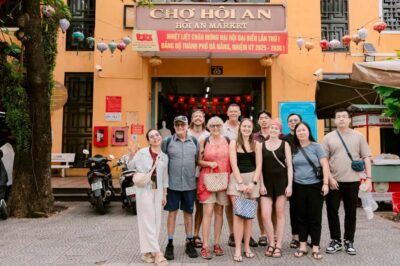
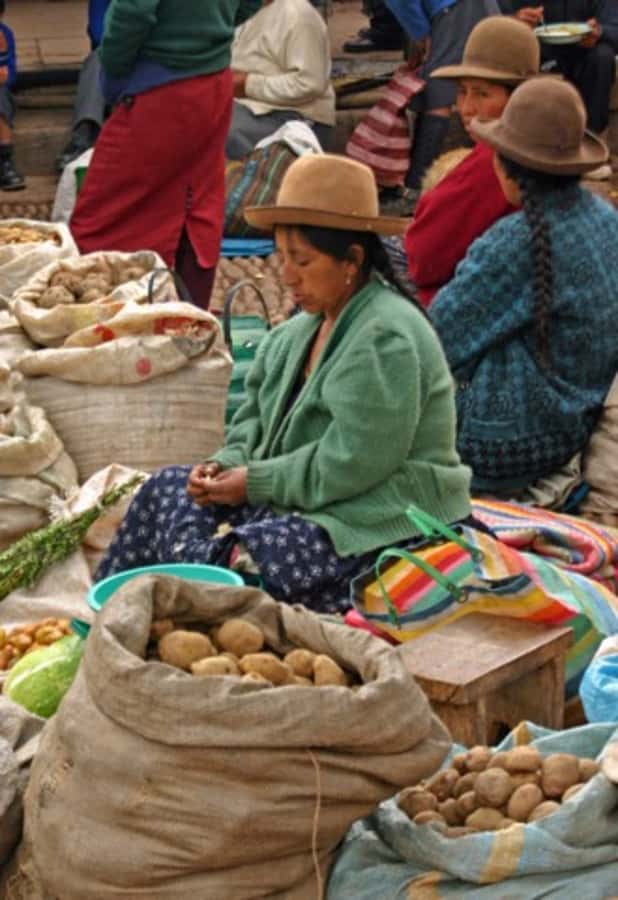
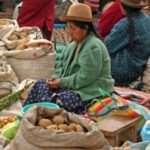
This class doesn’t start in a kitchen. It starts where Cusco’s ingredients make sense: the market. You’ll get a guided look at the produce and other staples that show up in Peruvian cooking, including plenty of vegetables and potatoes. That matters because in Peru, potatoes aren’t just a side. They’re part of how people build flavor, texture, and even comfort.
You’ll also hear explanations along the way—about origins of ingredients and how they connect to local culture. In past sessions, instructors such as Miguel and Yil have shared fun facts while you shop, and that storytelling sticks better than a recipe card ever will.
One practical upside: you’ll be able to recognize ingredients later when you see them on menus or in grocery stores. Even if you never cook again, you’ll understand why a dish tastes the way it does.
You can also read our reviews of more tours and experiences in Cusco.
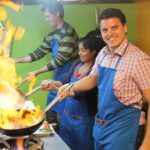
ChocoMuseo meet-up and the kitchen vibe
The lesson happens inside ChocoMuseo, right on the corner of Plaza Regocijo. Look for the green and orange flags hanging from the balconies so you can find your way fast.
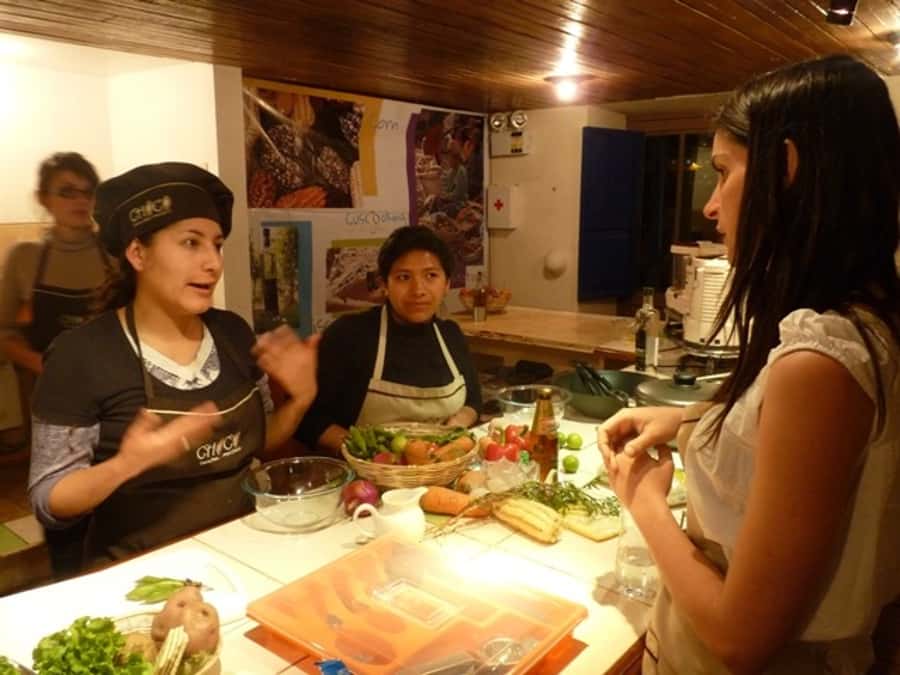
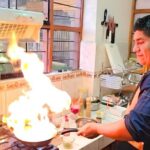
Inside, the atmosphere is geared toward real cooking practice, not watching from across the room. You’ll work with a limited group size of up to 10 participants, which usually means you can ask questions without shouting over other people’s chopping. The class is taught by instructors who work in Spanish and English, so you won’t be stuck guessing what to do next.
One detail I like for first-timers: you get practical help with technique. At least one past student specifically mentioned picking up handy knife skills, which is the kind of confidence boost you don’t get from a purely observational food tour.
Your 4-course menu: what you’ll cook and eat
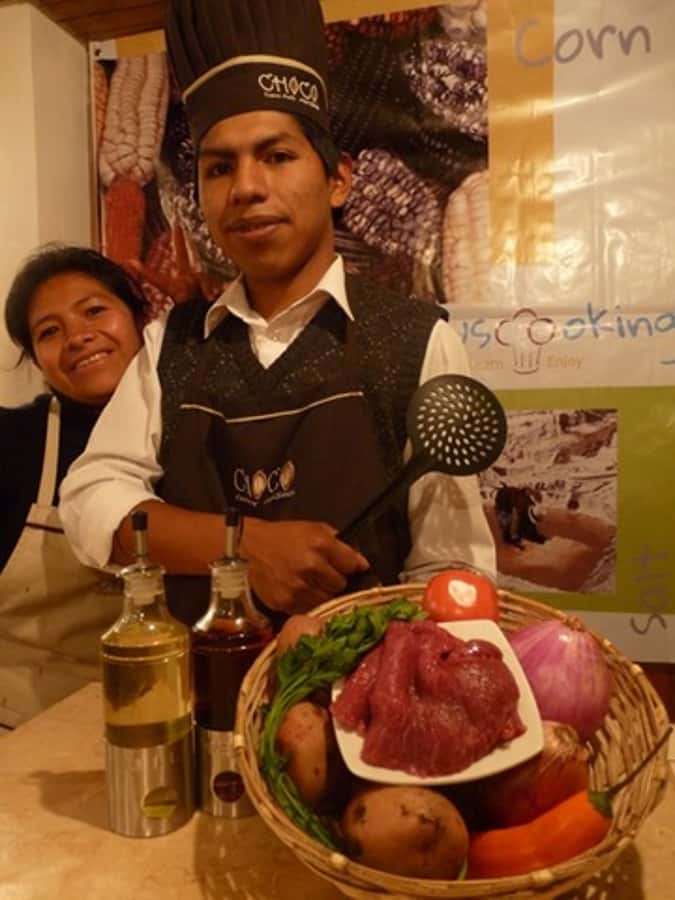
The menu is built around a clear flow: starter, main, a pisco sour stop, then dessert. You’re not just sampling. You’re making.
Ceviche starter: bright, citrus-forward, and hands-on
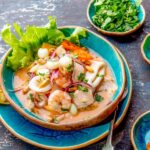
You’ll start with ceviche, which is a great entry dish because it teaches you how Peruvian flavors balance acid and seasoning. Even if you’ve had ceviche before, learning how it’s put together helps you spot what makes a good one: not only freshness, but how the flavors are layered.
Main choice: lomo saltado or ají de gallina
For the main course, the class serves either:
- Lomo Saltado: sauteed beef
- Ají de Gallina: chicken in a yellow pepper sauce
Here’s the key thing for planning: the first booking determines which main dish gets cooked that day. If you have a strong preference, let the organizers know your choice ahead of time, but accept that you might not get your first option. This isn’t a deal-breaker for most people—the two dishes are different enough that it still feels like a full Cusco meal—but it’s worth knowing upfront.
On the plus side, this structure keeps the kitchen focused. Everyone is cooking the same main, so timing and instruction make sense. On the downside, you can’t swap on the spot unless the team has arranged it.
Pisco sour lesson: make it, then decide how you feel about it
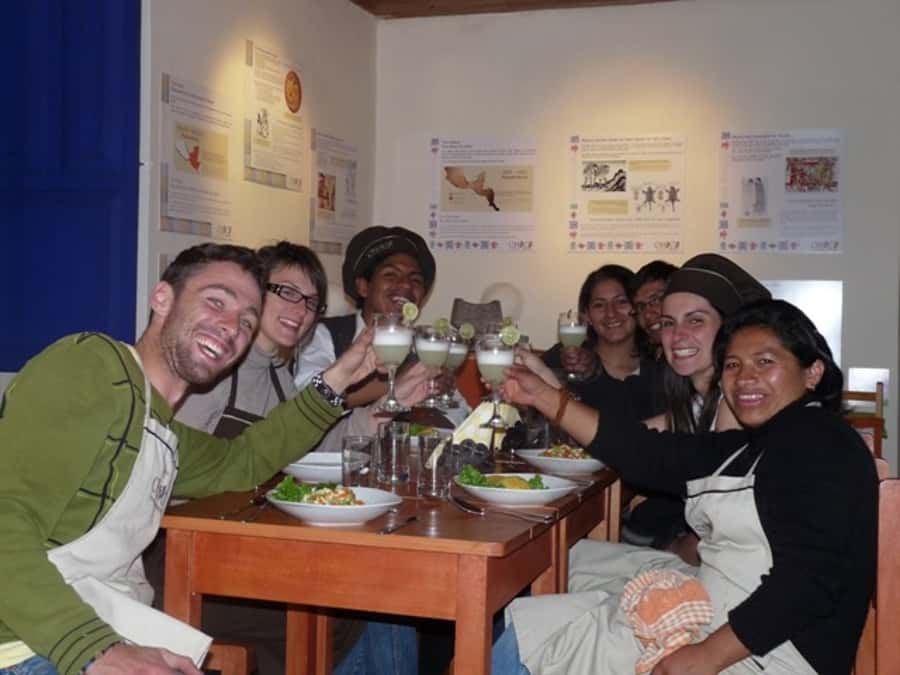
Next up is pisco sour. You’ll learn how to prepare it, and you’ll get to taste what you made at the end of that segment. In some past classes, students mentioned variations like a chicha-style pisco sour, which hints at how flexible the drink can be depending on the instructor and the approach that day.
If you don’t want alcohol, request a swap ahead of time. The class can replace the pisco sour with fresh fruit juice on request.
Chocolate fondue with local seasonal fruits
Finally: chocolate fondue paired with local seasonal fruits. This is the part where the meal turns from serious cooking into pure reward. Fondue is also a smart teaching wrap-up because it’s hard to mess up completely, even if your earlier steps ran a little fast or slow. You’ll leave with a sweet taste of Peru beyond the savory dishes.
There’s also an option to adjust the menu if you need vegetarian substitutions, including replacing the meat. Make the request in advance so the class can plan ingredients properly.
Timing and flow: how the 3 hours actually feel
The class lasts 3 hours, and the structure is straightforward: market first, then kitchen, then sit down to eat. You’ll be moving between stops and cooking actively, so this isn’t the kind of activity where you can comfortably snack and then coast.
Because the class includes the meal, you can plan your day around it. It works well for:
- A dedicated evening activity in Cusco
- A break between daytime sightseeing and dinner
- Travelers who want a hands-on cultural experience instead of another walking tour
One consideration: cooking is teamwork, and the kitchen schedule may not match restaurant-grade pacing. A previous group noted that the rice and potatoes in the main were on the cooler side, likely because of how earlier components were prepared. You shouldn’t expect perfection in serving temperature, but you should expect good flavor and a fun, active session.
Also, water is included, which helps keep things simple when you’re working up an appetite.
Price and value: is $49 a good deal?
At $49 per person for a 3-hour class, I’d call this a fair value if you care about cooking and eating what you make. You’re not paying only for instruction. The price includes:
- Guided market visit
- Ingredients for the menu items
- Instructed cooking class
- Dinner with a 3-course meal plus a pisco sour
- Cooking supplies
- Water
That bundle matters in Peru, because ingredient costs and hands-on instruction usually add up fast if you do it independently. You’d also need tools, workspace, and a plan for everything from seafood for ceviche to sauce bases and dessert components. Here, the class handles that, and you still do the cooking.
Wine is not included (though it’s listed as available for purchase), and gratuity isn’t included. So if you want alcoholic add-ons, plan a little extra. But if you mainly want the pisco sour and the meal, you’re covered.
Who should book this class in Cusco
This experience fits best if you want culture you can taste and skills you can reuse later.
You’ll probably enjoy it if you:
- Like food that’s tied to real ingredients (not just plated for photos)
- Want a small-group evening with guidance in English or Spanish
- Enjoy learning techniques like cooking sauces and building flavor in a dish
- Prefer an activity that ends with a full meal, not a snack-and-leave
You might want to rethink if you:
- Have a very rigid dietary need and haven’t been able to request vegetarian or drink swaps in advance
- Expect restaurant-level timing where every side dish arrives hot and perfectly timed
- Strongly care about getting one specific main dish, since the daily choice depends on the first booking
FAQ
FAQ
Where does the cooking class take place?
It takes place inside ChocoMuseo, on the corner of Plaza Regocijo. Look for the green and orange flags hanging from the balconies.
What is the duration and the price?
The class is 3 hours and costs $49 per person.
What’s included in the experience?
You get a guided market tour, ingredients for the menu, an instructed cooking class, and dinner with a 3-course meal and a pisco sour. Water and cooking supplies are included too.
What dishes are you cooking?
You’ll cook a ceviche starter, then either lomo saltado (sauteed beef) or ají de gallina (chicken in a yellow pepper sauce). You’ll also learn how to prepare a pisco sour and finish with chocolate fondue and local seasonal fruits.
Can I request alternatives like vegetarian options or a non-alcoholic drink?
Yes. On request, the pisco sour can be swapped with fresh fruit juice, and the meat can be replaced with vegetarian options.
What languages are the instructors?
The instructor language options are Spanish and English.
How do you handle dietary preferences for the main dish choice?
You’re asked to inform the team of your favorite option (lomo saltado or ají de gallina), but the first booking will determine which dish the group cooks.
Should you book the Cusco Peruvian Cooking Class?
If you want a Cusco night that’s both practical and genuinely fun, I think this is an easy yes. The market-to-kitchen flow makes the flavors feel earned, not random, and the small group size helps you get help when you’re learning.
Book it if you like hands-on cooking, want to learn the pisco sour, and you’re happy to roll with lomo saltado or ají de gallina based on the day’s group choice. Just plan ahead with any requests for fruit-juice swaps or vegetarian alternatives, and aim for the first 24-hour window so they have enough time to prepare.