REVIEW · CUSCO
Private Andean Cooking Class, Pachamanca
Book on Viator →Operated by Marcelo Batata Cooking Class · Bookable on Viator
Cusco can feel like nonstop ruins and high-altitude walking, so I love booking a hands-on class that takes you straight into everyday Peruvian life. This private Andean cooking experience pairs classic cooking skills with a very Cusco-flavored “market to plate” feel, including marination techniques, tamales made with ancestral corn methods, and traditional sauces like uchucuta.
Two things I really like: you cook with a professional chef (often instructors like Alejandro, Fernando, Jose, or Christina), and the class doesn’t stay locked in the kitchen—it includes a private market stop so you understand what you’re using and why it matters. You also finish with a full tasting/lunch experience, plus drink tastings like chicha and Pisco cocktails.
One consideration: you will be tasting alcoholic drinks as part of the program, and there’s also a clear pepper-and-spice thread in sauces. If you don’t drink alcohol or you’re sensitive to spicy flavors, tell the team ahead so they can steer you.
In This Review
- Key highlights at a glance
- Cusco in 3 hours: cooking lessons that actually fit your day
- Meet the chef at Marcelo Batata: private class energy, no fluff
- Welcome and marination: flavor starts before the heat
- Andean tamales: corn, technique, and a real sense of place
- The private market stop: what you buy changes what you taste
- Uchucuta pepper sauce: spice with purpose, not just heat
- Chicha tasting and Pisco cocktails: drink education you can use
- Final tasting in clay pots: sit down, then taste the logic
- Vegetarian option and dietary notes: what to tell them up front
- Price and value: $150 for a private 3-hour food education
- Who this class is best for (and who might skip it)
- Quick practical tips before you go
- Should you book Marcelo Batata’s Private Andean Cooking Class?
- FAQ
- What is the duration of the Private Andean Cooking Class, Pachamanca?
- What time does the class start?
- Where is the meeting point in Cusco?
- Is this a private tour?
- Does the class offer an English option?
- Is there a vegetarian option?
- What’s included in the price?
- Do I need my passport for the class?
- What is the cancellation policy?
Key highlights at a glance
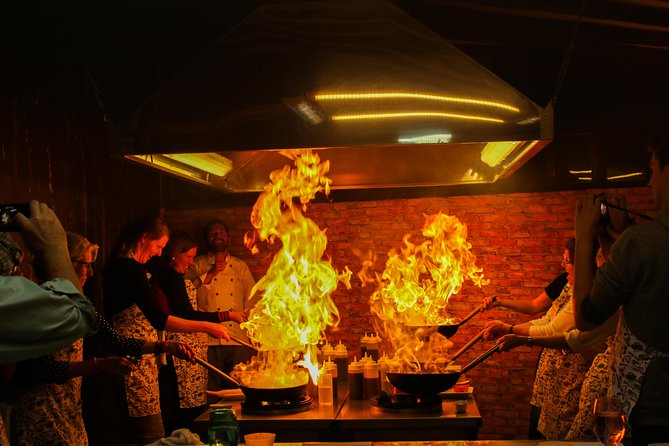
- Private, small-group feel with only your group participating
- Market stop for Andean ingredients, from grains to superfoods
- Hands-on cooking that works for all levels (not just experienced cooks)
- Traditional Cusco-style flavors, from uchucuta pepper sauce to chicha
- Lunch included, with an appetizer and a main prepared during the class
Cusco in 3 hours: cooking lessons that actually fit your day
Cusco is a great place to be curious. It’s also a place where you’ll quickly learn your legs have opinions. A 3-hour cooking class is a smart reset. You’re still “doing Cusco,” but you’re doing it with your hands, your senses, and your appetite.
What makes this one especially practical is the format. You’re not just watching someone cook. You’re learning a sequence of flavors: marination first, then core Andean staples like corn-based tamales, then the sauces and drinks that give Peruvian food its personality. By the time you sit down for the final tasting, the dishes make sense, not just taste good.
And since it’s private, you can ask questions at a real pace. That matters in Cusco, where altitude and long sightseeing days can turn even good info into noise. Cooking keeps you focused.
You can also read our reviews of more tours and experiences in Cusco.

Meet the chef at Marcelo Batata: private class energy, no fluff
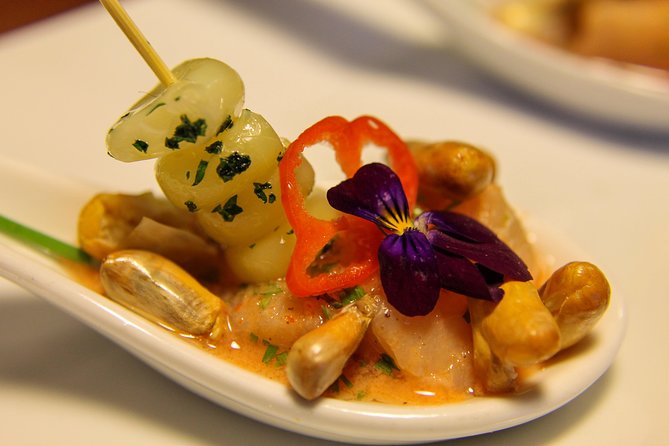
The class is operated by Marcelo Batata Cooking Classes, and it’s a private experience. Only your group participates, which usually means better attention and fewer awkward moments where you’re trying to figure out what’s happening while everyone else is already plating.
The professional chef instruction is part of the value here. From the names connected to the experience—Alejandro, Fernando, Jose, Christina, and Jose Luis—you can expect an upbeat teaching style that mixes technique with storytelling about ingredients. The chef-led pace is also a big deal if you’re traveling with mixed comfort levels in the kitchen. The class is described as for all levels, so you’re not stuck feeling lost in a “show you can cook or else” vibe.
If you care about language, you’ll choose between English or Spanish based on your request. That may sound like a minor detail, but in cooking you want clarity. You want to understand what you’re doing, not guess.
Welcome and marination: flavor starts before the heat
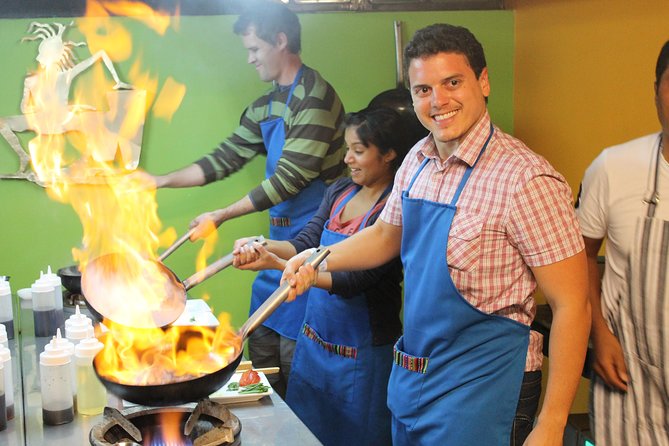
The program begins with marination. It’s the part that most cooking classes treat like a footnote, but it’s really where Peruvian flavors lock in. You’ll learn how to prepare meats and other ingredients in a special sauce that boosts flavor and gets everything ready for cooking.
This is useful even if you cook at home. Marination is one of the easiest ways to improve results without fancy equipment. You’ll come away thinking differently about timing and seasoning—what you add before heat changes the whole outcome.
For you, the practical payoff is this: marinating during the morning means you’re active early, and by the time you move into cooking stages later, you’re not constantly rushing. It keeps the whole 3-hour block feeling efficient.
Andean tamales: corn, technique, and a real sense of place
Next up is Andean tamales, made from corn using an ancestral technique tied to the region. Tamales can sound like a “sounds tasty, but what’s the point?” dish—until you learn how the corn work and assembly fit together.
Here, the value is the method. Tamales are labor, but this class frames it as tradition and craft rather than just effort. You learn how the process connects to agriculture and daily life in the Andes. Even if you’ve never made tamales, you’ll see how corn isn’t a generic ingredient—it’s central, practical, and culturally important.
A possible drawback: tamale texture and corn handling can take a little patience. If you’re the type who hates waiting for dough or mixes to behave, mentally prep for a few “hands-on, learn by doing” minutes. The class format is built for all levels, but cooking still has a rhythm.
The private market stop: what you buy changes what you taste
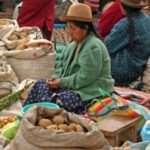
One of the best parts of a cooking class is when it teaches you to shop. This one takes you to a private market, where you explore Andean products—from ancient grains to “superfoods”—and learn why these items show up in the diet and culture of the Andes.
You’re not just getting a list of ingredients. You’re learning how to spot what’s distinctive about Andean agriculture. That helps later when you’re eating in restaurants: you’ll start recognizing the logic behind dishes, not just the final flavors.
Also, market time breaks up the cooking pressure. After marination and tamales preparation, you’ll be ready to move, ask questions, and connect the ingredients to what you’ll assemble and taste. It’s a good pace choice for Cusco days.
Uchucuta pepper sauce: spice with purpose, not just heat
Then comes uchucuta, a spicy sauce associated with consumption in Inca times, prepared using traditional techniques passed down through generations. In other words: you’re not just learning to add heat. You’re learning a sauce with a role.
Why uchucuta matters for your palate is simple. Many Peruvian dishes rely on layered flavor—pepper for punch, aromatics for support, and the right balance to keep it from being one-note. Uchucuta is part of that framework, and the class treats it as something to learn properly, not sprinkle casually.
If you’re sensitive to spicy food, you’ll want to tell the chef before this stage. The sauce is described as spicy, and the class is clearly organized around it. The upside is you can often adjust intensity when you know what you’re doing.
Chicha tasting and Pisco cocktails: drink education you can use
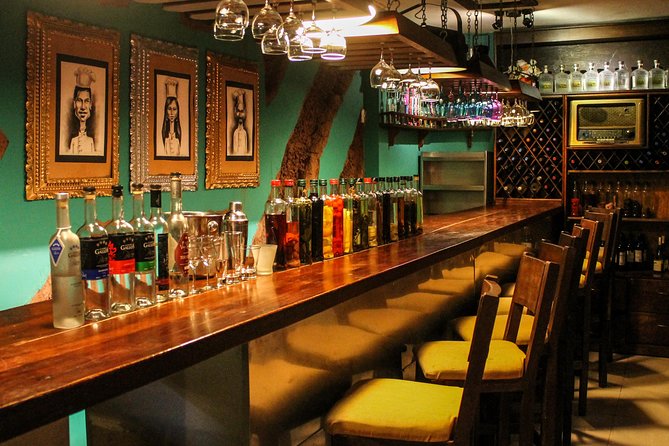
Cusco’s food scene is more than plates. This class includes tastings that help you understand flavor culture through drinks.
You’ll do a chicha tasting, described as an ancestral fermentation. You’ll also learn about Pisco drink preparation and make classic cocktail styles as part of the experience. In the same program, people often mention Pisco sours and Chilcanos, and you’ll likely taste related variations while learning the method.
Why this is valuable: fermented drinks and pisco-based cocktails aren’t just “a sip for fun.” They train your palate to notice balance—tang, sweetness, strength, and aromatic qualities. If you like food and drinks with a story, this part gives you context you won’t get from just ordering beverages at a bar.
One consideration again: if alcohol isn’t your thing, plan ahead. The structure includes drink tastings, so communicating any preference at booking is the move.
Final tasting in clay pots: sit down, then taste the logic
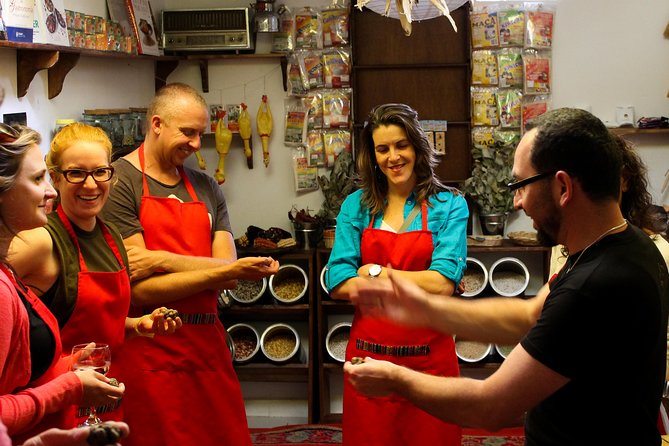
The last stage is the “okay, now eat” moment—enjoying the aromas and flavors of what you cooked, in clay pots. This is where the pieces connect. You’ll taste ingredients you handled earlier, sauces you prepared, and dishes built with marination and corn-based technique.
Because lunch is included, this isn’t a tiny sample plate. The package includes lunch with one appetizer and one main, plus beverages and bottled water. That’s real value in Cusco, where eating well can turn expensive quickly if you’re not careful.
If you’re wondering whether you’ll leave full: yes, that’s the point. You’re not paying for a short demo and a polite bite. You’re paying for a meal that reflects what you learned.
Vegetarian option and dietary notes: what to tell them up front
You can request a vegetarian option. You’ll need to advise at the time of booking, along with any dietary requirements. That’s important because the class includes meat and pepper-forward sauces as core parts of the program.
The good news is the class is flexible enough to accommodate a vegetarian approach, and you’ll still get the full arc of market ingredients, sauces, and tasting. If you have allergies or strict dietary needs, be explicit. Cooking classes can accidentally include cross-contact ingredients when things get busy, and you’ll get the best results by setting expectations early.
Price and value: $150 for a private 3-hour food education
At $150 per person for about 3 hours, the price is not cheap in the way street food is cheap. But for a private cooking class in Cusco with a professional chef, it’s easier to justify.
Here’s the math that matters to you: you’re paying for (1) private instruction, (2) market time and ingredients education, (3) cooking time, (4) lunch (appetizer plus main), and (5) beverages and bottled water. When those are bundled together, you’re effectively trading a chunk of your day for a structured food experience that you can’t easily recreate on your own without lots of research.
Also, the private setup reduces wasted time. In cooking, time is technique. You get more hands-on attention, and that makes the class worth paying for rather than just “watching.”
If you’re traveling with someone who also loves food, the private format can feel like a bargain compared to doing separate restaurant meals plus guided shopping plus cooking instruction separately.
Who this class is best for (and who might skip it)
This is a great choice if you want a cultural experience you can taste. It fits well for couples, solo travelers who like meeting locals through food, and families who want an interactive activity that lands closer to lunch than to an all-night show.
It also works well between sightseeing days. Cusco days often stack up ruins, museums, and altitude walks. Cooking gives you a different kind of energy—hands busy, mind engaged, stomach happy.
Who might skip: if you hate cooking, don’t like spice, or avoid alcohol completely, this may be harder to love because chicha and Pisco cocktails are part of the program and uchucuta is described as spicy. You can still request adjustments, but you should be honest with your expectations.
Quick practical tips before you go
A few small things make the day smoother:
- Plan to arrive ready to cook and taste. You’ll be active for the full 3 hours.
- If you want the class in English or Spanish, request it when you book.
- Let them know about vegetarian needs and any dietary restrictions before you arrive.
- Bring your original passport at the beginning of the course, since it’s required for tax purposes. Yes, it’s one more thing to remember. That’s travel.
Should you book Marcelo Batata’s Private Andean Cooking Class?
If you’re the kind of traveler who wants Cusco beyond views and ruins, I think this is a strong booking. The combination of marination technique, corn-based Andean tamales, a private market ingredient education, and a finish with lunch and traditional tastings makes the experience feel complete for the time you spend.
Book it especially if you enjoy practical cooking skills you can repeat later, and if you want to understand why Peruvian flavors work the way they do. It’s also a great “one major activity day” choice when you want something structured, not random.
If spice and alcohol are dealbreakers, contact the team early and ask how they handle uchucuta and the drink tastings. If that won’t work for you, you might prefer a different Cusco food experience that’s easier to customize.
FAQ
What is the duration of the Private Andean Cooking Class, Pachamanca?
It lasts about 3 hours.
What time does the class start?
The start time is 9:00 am.
Where is the meeting point in Cusco?
You start at C. Palacio 135, Cusco 08002, Peru, and the activity ends back at the meeting point.
Is this a private tour?
Yes. It’s a private tour/activity, and only your group participates.
Does the class offer an English option?
Yes. The class is operated in Spanish or English depending on your request.
Is there a vegetarian option?
A vegetarian option is available. You should advise at the time of booking.
What’s included in the price?
The experience includes beverages, a private tour, a professional chef, lunch with 1 appetizer and 1 main, and bottled water.
Do I need my passport for the class?
Yes. You must provide your original passport at the beginning of the course for tax purposes.
What is the cancellation policy?
Free cancellation is available. You can cancel up to 24 hours in advance for a full refund; changes within 24 hours aren’t accepted, and cancellations less than 24 hours before the start time aren’t refunded.