REVIEW · CUSCO
Vegan Peruvian Cooking Class Cocktails and Local Market in Cusco
Book on Viator →Operated by Peruvian Cusco Flavors · Bookable on Viator
Four hours, two pisco cocktails, total plant-based fun. I love how the class starts at Mercado Central de San Pedro, so you learn what to buy and why, not just what to cook. I also love the hands-on studio time with a chef like Jorge or Jesus, where you make vegan ceviche, causa limeña, and quinoa tamal from scratch. One thing to watch: the meeting point can feel a little tricky at first—bring your confirmation and look closely for the right entrance.
This is the kind of Cusco food experience that gives you more than recipes. You get a practical way to shop, cook, and mix drinks the Peruvian way, plus enough guidance to recreate it later at home. With a small group (max 10), you’re not stuck watching while someone else cooks.
In This Review
- Key highlights at a glance
- San Pedro Market first: where your ingredients start telling the story
- A small-but-important tip
- The cooking studio: three vegan classics you can actually repeat
- Vegan ceviche: learning how “fresh and bright” still works without fish
- Causa limeña: the vegan mayo trick and how layering builds flavor
- Quinoa tamal: hearty comfort that isn’t heavy
- Cocktails and culture: pisco drinks, fruit flavors, and smart non-alcoholic swaps
- If you’re under 18, here’s what changes
- Why the cocktails are worth paying for
- What’s included for $69: value that comes from doing, not watching
- Small group size helps your money go further
- Recipes you can keep
- Timing in Cusco: planning a four-hour food-and-drink block
- Who this class fits best (and who might want a different option)
- Consider it carefully if
- A note on vegan labeling
- Practical details that make the day smoother
- Should you book this vegan Peruvian cooking class in Cusco?
- FAQ
- How much does the vegan Peruvian cooking class cost?
- How long is the experience?
- Where does the tour start?
- What dishes will I learn to make?
- Are the cocktails included?
- What happens if someone is under 18?
- Can the class accommodate allergies or food restrictions?
- Is the group size limited?
- What is the cancellation window?
Key highlights at a glance
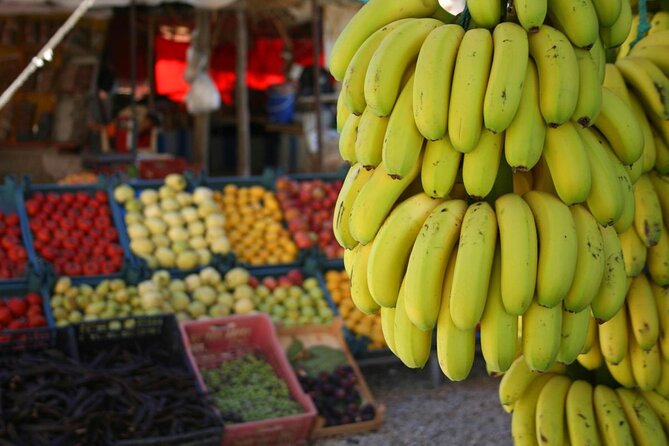
- San Pedro Market start: learn ingredients in context, from fruits to grains and spices
- Two pisco cocktails: examples often include pisco sour and chicha morada
- 3 vegan Peruvian dishes: vegan ceviche, causa limeña (vegan mayo), and quinoa tamal
- Hands-on chef coaching: you’re making, not just tasting
- Recipes sent after class: so you can repeat the menu later
- Small group energy: up to 10 people keeps it interactive
San Pedro Market first: where your ingredients start telling the story
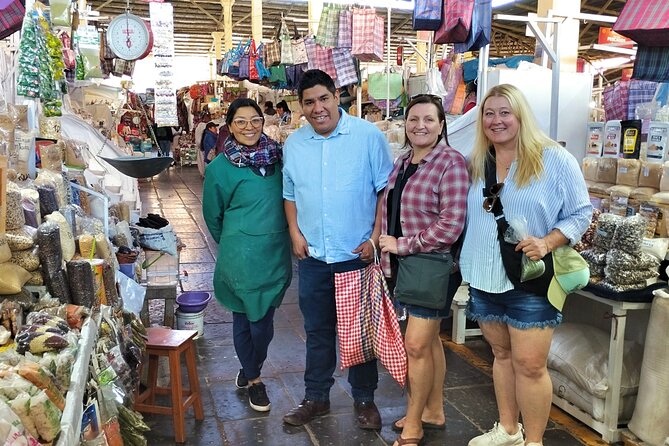
The best part of this class is also the most practical: you begin at Mercado Central de San Pedro. You don’t just walk through for photos. You’re introduced to the ingredients you’ll actually use later in the kitchen—Peru’s superfoods, fresh produce, and the kinds of pantry items that make regional cooking work.
Cusco markets can feel like sensory overload—color, smells, and lots of local rhythm at once. What makes this one useful is that you’re given a reason to focus. You’ll learn what each ingredient does in a dish, not only what it’s called. That matters if you want to cook the same flavors again at home, where ingredients and labels don’t always match what you see in Peru.
Expect plenty of examples from the market. In real classes, people have talked about fruit varieties like different kinds of passion fruit, plus local staples such as traditional Peruvian breads. Even if you’re not a “food trivia” person, this is the part that helps the rest of the class click.
You can also read our reviews of more tours and experiences in Cusco.
A small-but-important tip
If you’re meeting at Thupaq Amaru 477, bring your confirmation details and give yourself a couple extra minutes. A past participant noted the directions can feel confusing about the exact door, including mention of a green door. It’s not a deal-breaker, but it’s a good reason to show up early and avoid rushing in with altitude already making you breathe a bit harder.
The cooking studio: three vegan classics you can actually repeat
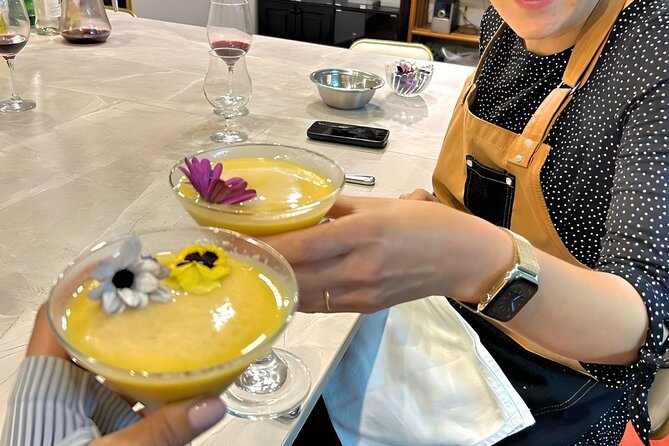
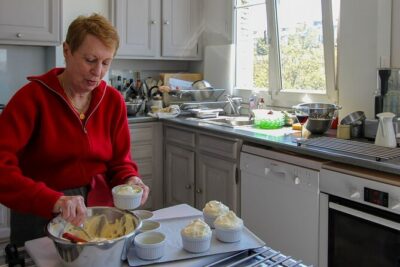
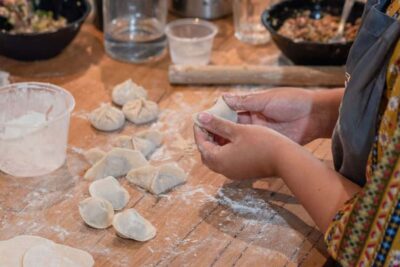
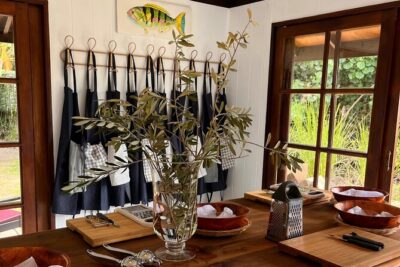
After the market, you move to a cooking studio in central Cusco for the hands-on part. The layout is built around teaching. You’re not just chopping and hoping. You’re guided through the steps so you understand the order, timing, and how textures should look.
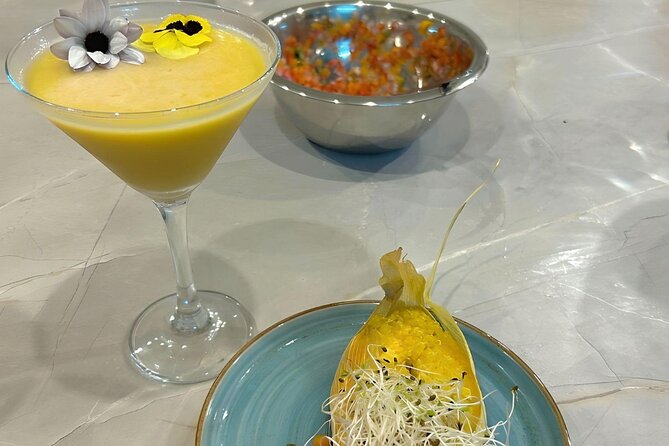
The menu is built around three dishes that represent Peruvian comfort food and street-food personality—then each one is made 100% vegan.
Vegan ceviche: learning how “fresh and bright” still works without fish
Ceviche is usually tied to seafood, so the vegan version is where you learn the real technique. You get taught how to create the same punchy, refreshing feeling—acid, seasoning, and a clean ingredient base—without relying on fish.
This is also a good dish for learning a “flavor blueprint.” Once you understand what makes ceviche taste like ceviche (sharpness, balance, and freshness), you can adjust later with other plant-based options you find at home.
A practical value here: you’ll see how chefs translate a classic into something vegan without turning it into a totally different meal. One participant specifically praised the vegan alternatives for classic Peruvian dishes, including ceviche.
Causa limeña: the vegan mayo trick and how layering builds flavor
Causa limeña is one of those foods that feels simple but is actually detail-driven. The defining feature is its soft, mashed potato base, then that signature creamy layer.
In the vegan version, you’ll learn how to build the “mayo” effect with a plant-based alternative. This is the kind of skill that’s easy to forget is teachable—until you watch how it’s done and then do it yourself.
Also, you’re not just making one component. You learn how to layer and assemble so you end up with the structure that makes causa satisfying to eat.
Quinoa tamal: hearty comfort that isn’t heavy
Quinoa tamal gives you a different type of satisfaction—more filling and grounding. It’s also a nice reminder that vegan Peruvian cooking isn’t only about bright, fresh flavors. There’s comfort here too.
Quinoa is treated as more than a trend ingredient. In Cusco and the Andes, it’s part of everyday food culture. Learning tamal-style cooking with quinoa helps you see how grains become meals, not side dishes.
People have mentioned that the quinoa tamal turned out perfectly, which tells me this class aims for repeatable success—not just theater.
Cocktails and culture: pisco drinks, fruit flavors, and smart non-alcoholic swaps
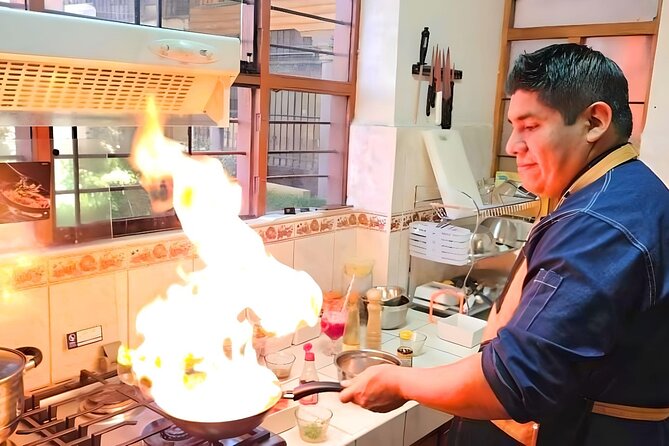
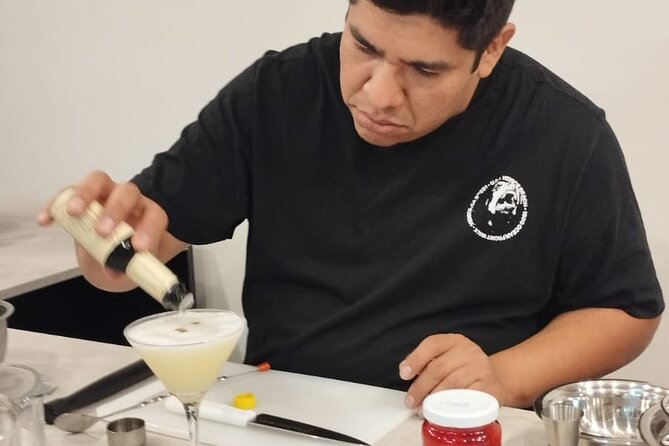
The class includes two pisco cocktails. This isn’t just a sip-and-smile add-on. The kitchen portion includes drink-making so you learn the technique alongside the food.
In example menus shared by participants, pisco sour shows up often, and chicha morada is another common drink. One person also described making a whisky sour variant with a non-alcoholic swap when needed, which highlights how flexible the drink component can be depending on age and preference.
If you’re under 18, here’s what changes
Peruvian law sets the age for alcohol. The class notes that if someone is under 18, they’ll be served non-alcoholic drinks. The pisco portion is replaced with bottled water, so you still get the same general drink experience without alcohol.
Why the cocktails are worth paying for
Two things make the drink part valuable:
- You get a practical recipe style you can copy at home.
- It ties the market ingredients to something fun and social, not just a plated meal.
You leave with a better sense of how Peruvian flavors move from market stalls to cocktails. That’s a real cultural bridge, and it’s also how you recreate the vibe later when friends come over.
What’s included for $69: value that comes from doing, not watching
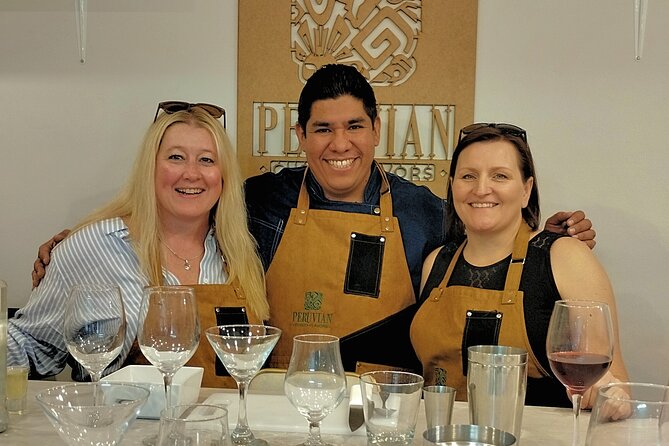
At $69 per person for about four hours, it can feel like you’re paying for an experience—not just ingredients. That’s exactly what you are paying for, and here’s where it holds up.
You’re not sourcing anything. The class includes ingredients, equipment, and recipes. You also get bottled water. That removes a big chunk of the usual travel friction: shopping, guessing quantities, and figuring out tools.
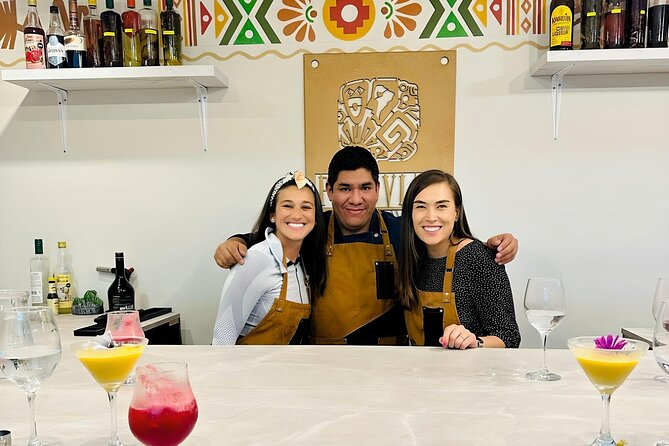
You also get guided time with a chef. In reviews, participants highlighted how chefs like Jorge and Jesus explain steps clearly and answer questions. For anyone who worries they’ll cook “one big meal then never cook again,” this is the piece that makes the difference. You’ll walk away more confident.
Small group size helps your money go further
The limit is 10 travelers. Smaller groups usually mean less waiting. You get more chances to ask questions and correct mistakes while you’re still in the flow of cooking.
One participant even did the class solo when booked at the same time as their partner’s hike. That’s not something you should count on, but it shows the group size can become very personal.
Recipes you can keep
You’ll receive recipes at the end. That’s huge for value. Many cooking classes teach you how to cook in that moment, but then the recipe sheet never makes it home. Here, it’s part of the promise.
Timing in Cusco: planning a four-hour food-and-drink block
This activity runs about 4 hours. In Cusco, timing matters because you might want to eat elsewhere before or after, or fit it between acclimation walks and big-ticket sights.
Here’s how I’d plan your day:
- Choose a time when you’re not rushing to another reservation.
- Eat lightly before you go, because the class produces multiple courses plus two cocktails.
- If you’re prone to getting full quickly, know that people have mentioned taking dessert to go when they couldn’t finish it.
Also, remember altitude can affect appetite and digestion. The class helps because you’ll be busy with cooking, but you may still find yourself slower to finish everything. That’s not your fault; it’s Cusco.
Who this class fits best (and who might want a different option)
This experience is ideal if you:
- Want an authentic Cusco food lesson with real ingredients from San Pedro Market
- Love vegan cooking but still want classic Peruvian flavors
- Enjoy social activities where you learn by making cocktails and dishes
- Prefer small group teaching over crowded “demo style” classes
Consider it carefully if
- You’re extremely strict about dietary needs beyond vegan (for example, cross-contact concerns). The tour indicates options are available for allergies and food restrictions, but the key is to tell the chef clearly at the start so your menu is handled correctly.
- You need an ultra-easy meeting point. The address is provided, but the door detail can be confusing. Arrive early.
A note on vegan labeling
This class is described as vegan and participants have emphasized that the menu can be accommodated for vegan diets. Still, if you’re booking with any special dietary requirements, treat it like good planning: speak up early so the chef can tailor things without guessing.
Practical details that make the day smoother
A few small logistics help you enjoy the experience more.
- Meeting point: San Pedro Market at Thupaq Amaru 477, Cusco 08002, Peru
- End point: the activity ends back at the meeting point
- Confirmation: you get confirmation at booking
- Accessibility basics: near public transportation, and service animals are allowed
- Group size: max 10 people
- Chef-led teaching: expect professional guidance while you cook
These details sound boring, but they’re the difference between arriving calm and arriving stressed. Cusco can be noisy and fast. Show up ready, and the class becomes fun fast.
Should you book this vegan Peruvian cooking class in Cusco?
I think it’s a strong pick if you want a hands-on Cusco experience that goes beyond tasting. The combo of San Pedro Market shopping + vegan versions of ceviche, causa limeña, and quinoa tamal + two pisco cocktails gives you both flavor education and practical skills.
Book it if:
- You want to cook Peruvian vegan dishes at home with recipes in hand
- You enjoy market walks where you learn what you’re buying
- You like small-group classes with chef interaction
- Cocktails are part of your travel fun, not an afterthought
Skip it or look closer if:
- You’re very sensitive to unclear meeting-point directions and hate arriving early
- You need very specific dietary accommodations and can’t be sure they’ll be handled to your standards without detailed communication
If you’re aiming for one memorable food moment in Cusco that’s both structured and genuinely fun, this is the kind of class that pays you back long after you leave the kitchen.
FAQ
How much does the vegan Peruvian cooking class cost?
The price is $69.00 per person.
How long is the experience?
It lasts about 4 hours.
Where does the tour start?
It starts at Mercado Central de San Pedro, at Thupaq Amaru 477, Cusco 08002, Peru.
What dishes will I learn to make?
You’ll learn to prepare vegan ceviche, causa limeña, and quinoa tamal.
Are the cocktails included?
Yes. The class includes alcoholic cocktails for those of legal drinking age, and two pisco cocktails are included.
What happens if someone is under 18?
People under 18 are served non-alcoholic drinks. Pisco is replaced with bottled water.
Can the class accommodate allergies or food restrictions?
Yes. Options for allergies and food restrictions are available, and you should share them at booking.
Is the group size limited?
Yes. The experience has a maximum of 10 travelers.
What is the cancellation window?
Free cancellation is available. You can cancel up to 24 hours in advance for a full refund. Cancellation within 24 hours isn’t refundable.