REVIEW · SA PA
From Hanoi: 2-day Sapa Homestay & Cooking class with locals
Book on GetYourGuide →Operated by Vietnam Nomadtrails · Bookable on GetYourGuide
Sapa feels worlds away from Hanoi. What I like most is the stay in Amazing Muong Hoa Valley with big mountain views, plus the local cooking class where you cook dinner with fresh regional ingredients. You also get a guided walk through Y Linh Ho, Lao Chai, and Ta Van, so you’re not just looking at the hills from a distance.
One thing to watch: timing on day 1. If your sleeping bus arrives later than expected, you may lose your chance for an optional Fansipan visit that’s usually planned during the arrival/free-time window. And yes, you’ll walk on uneven ground, so good shoes really matter.
In This Review
- Key things to know before you go
- Where this Sapa homestay experience fits in your Vietnam trip
- Price and value: what $56 per person really buys
- Getting to Sapa from Hanoi on a sleeping bus (and why timing matters)
- Nomadtrails Lodge in Muong Hoa Valley: your base in the hills
- Day 1 in Sapa: market time, village walks, and Cat Cat options
- The cooking class: dinner you make, not just watch
- Red Dao herbal foot bath vs. Sapa night market
- Day 2: breakfast, then a full-day guided valley walk
- Y Linh Ho, Lao Chai, Ta Van: what the villages give you
- Meals and pacing: how you’ll feel after two days
- Guide, language, and group size: small group means better control
- What to bring (and what not to bring) so the trip stays pleasant
- Who should book this Sapa homestay and cooking class?
- Should you book this 2-day Sapa homestay plus cooking class?
- FAQ
- What’s included in the 2-day package?
- Do I have time for Fansipan during this trip?
- Which villages will I visit on day 2?
- Is the cooking class able to accommodate dietary preferences?
- What should I pack for Sapa?
- Can I cancel for a full refund?
- Is this tour suitable for wheelchair users or limited mobility?
Key things to know before you go
- Small group (up to 15 people) keeps the homestay experience personal and the trekking more manageable.
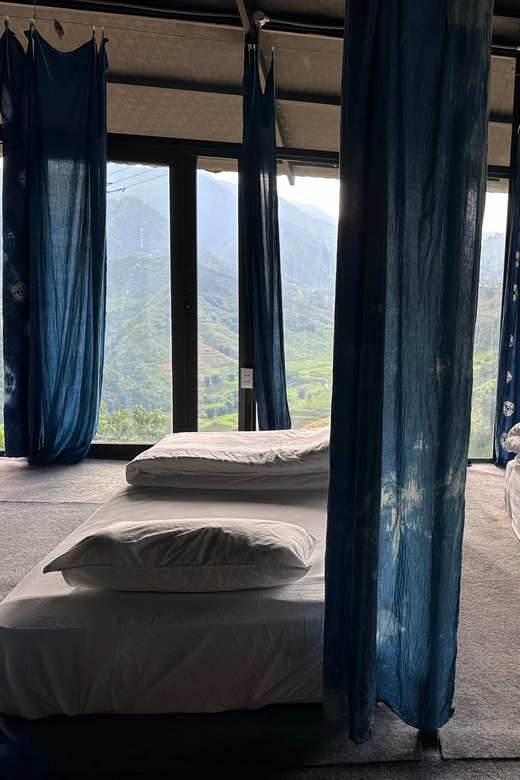
- Muong Hoa Valley homestay base: calm, scenic, and set up for an easy start to village walks.
- Cooking class uses local ingredients and can be adjusted for vegan meals if you tell the team ahead.
- Day 2 village route connects real village life across Y Linh Ho, Lao Chai, and Ta Van.
- Sapa town time + market visit gives context to what you’ll see in the valleys the next day.
- Fansipan can be optional, but your arrival time affects whether it fits on day 1.
Where this Sapa homestay experience fits in your Vietnam trip
This is a smart, time-efficient way to do Sapa without feeling rushed. You leave Hanoi on a night bus, wake up in the mountains, and by day 2 you’re walking through a classic stretch of Muong Hoa Valley. It’s the kind of trip that gives you both the setting (rice terraces, valleys, cool air) and the human side (meals, village routines, market life).
What makes it work is the rhythm: day 1 is for arrival, settling in, and cultural food. Day 2 is for the village trek. You’re not spending all day in transit or trapped in a car watching scenery through a window.
You can also read our reviews of more tours and experiences in Sa Pa.
Price and value: what $56 per person really buys
At $56 per person for a 2-day/1-night package, you’re mainly paying for three things: round-trip sleeping bus, meals, and guided time in the villages plus the cooking class. The tour includes breakfast, lunch, and dinner, and it also includes about 1 liter of water per person.
If you’re comparing this to doing Sapa on your own, the value comes from not having to coordinate: transportation from Hanoi, a homestay in the valley, and a guided route through multiple villages. You’re also getting a local guide with English (and sometimes French/Vietnamese support through the program).
Small add-on costs can apply. If you want a specific sleeping arrangement or private room upgrades, there are extra charges. During Lunar New Year (listed for 26 Jan 2025 to 02 Feb 2025), there’s an additional surcharge you’ll pay on the trip. Keep that in mind if you’re traveling during peak dates.
Getting to Sapa from Hanoi on a sleeping bus (and why timing matters)
The trip starts with pickup in Hanoi Old Quarter, then you board a sleeping bus to Sapa. The schedule is tight enough that arrival time can affect what you can do on day 1. The standard plan is arrival around early afternoon, check-in, then you have free time and activities before the cooking class.
Here’s the practical takeaway: if you’re aiming for an optional Fansipan visit (often planned for day 1 free time), treat it as a maybe—not a guarantee. In real life, late pickup or late arrival can push that option out to day 2 or force you to skip it.
My advice: keep day 1 flexible. Put your energy into the homestay, the town/market, and the cooking class. Then decide on Fansipan when you see how the day is going.
Nomadtrails Lodge in Muong Hoa Valley: your base in the hills
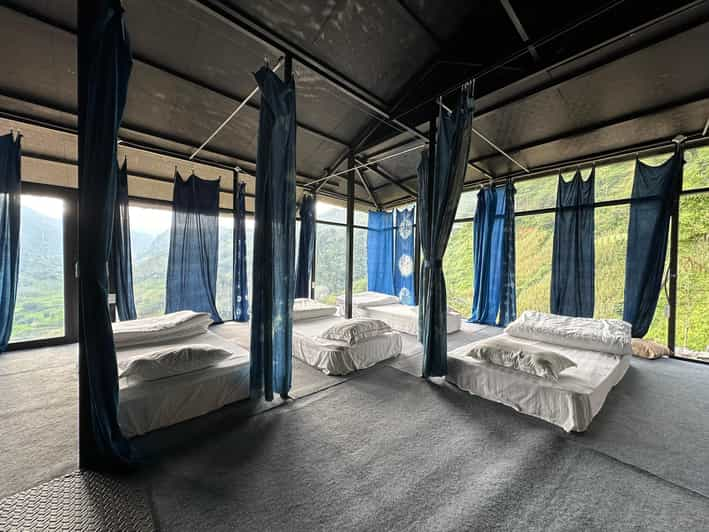
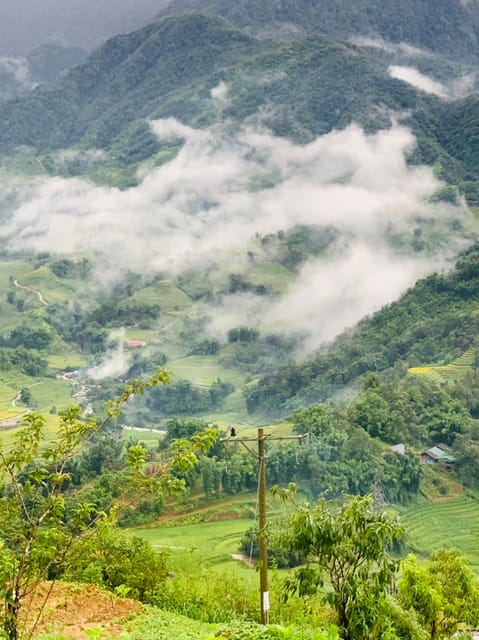
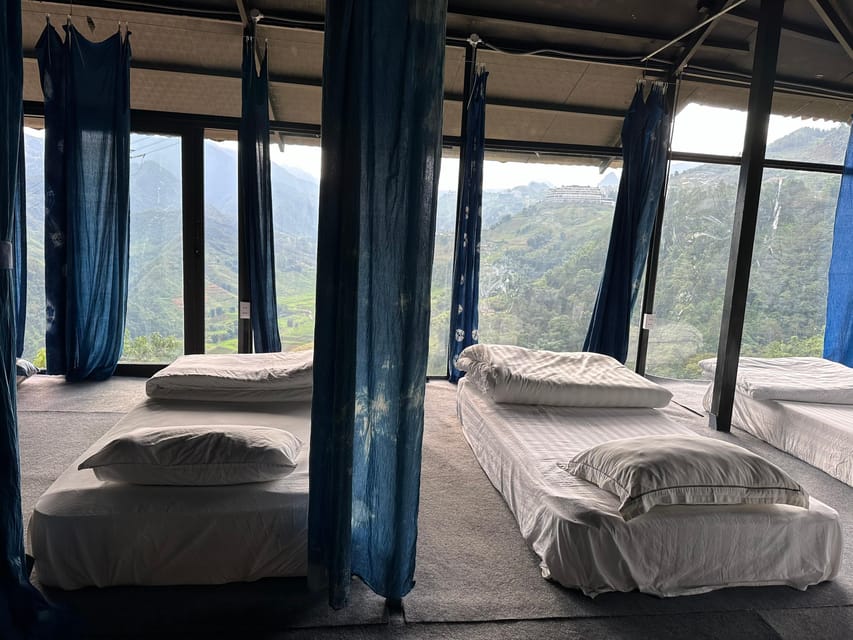
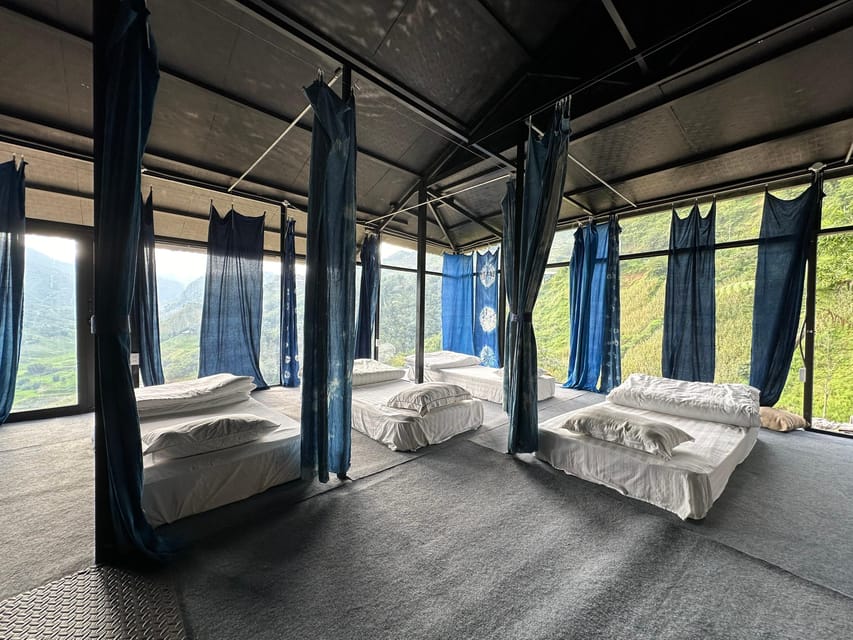
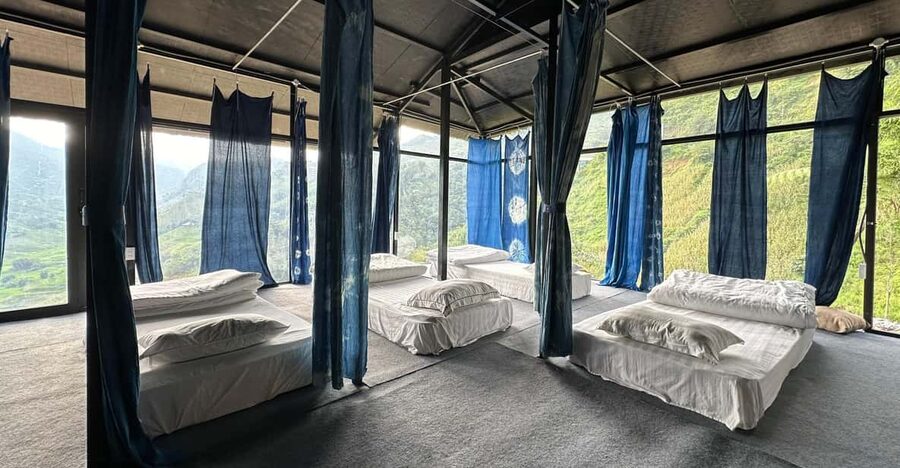
Your homestay stop is Nomadtrails Lodge, described as a charming stay in the Amazing Muong Hoa Valley with views over the valley and the Fansipan mountain range. That matters more than it sounds. When your room looks out toward the mountains, you start the day differently. Instead of jumping straight into schedules, you get a calmer “mountain minute” before you head out.
Expect a cozy setup and a family-style dinner experience. You’ll also have a chance to freshen up at the lodge on day 2 before heading back toward Hanoi. If you’re sensitive to cold, plan for cooler mountain temperatures—especially in the evenings.
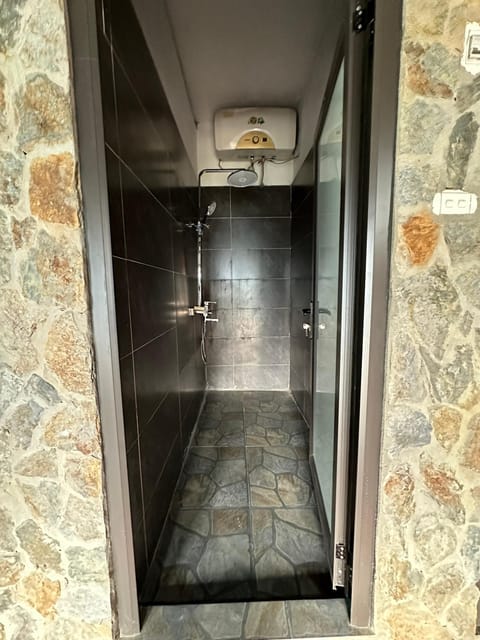
And one more comfort note: because this is a homestay area with paths, uneven surfaces, and village-style walking, bring shoes you trust. You’ll feel it in your feet if you don’t.
Day 1 in Sapa: market time, village walks, and Cat Cat options
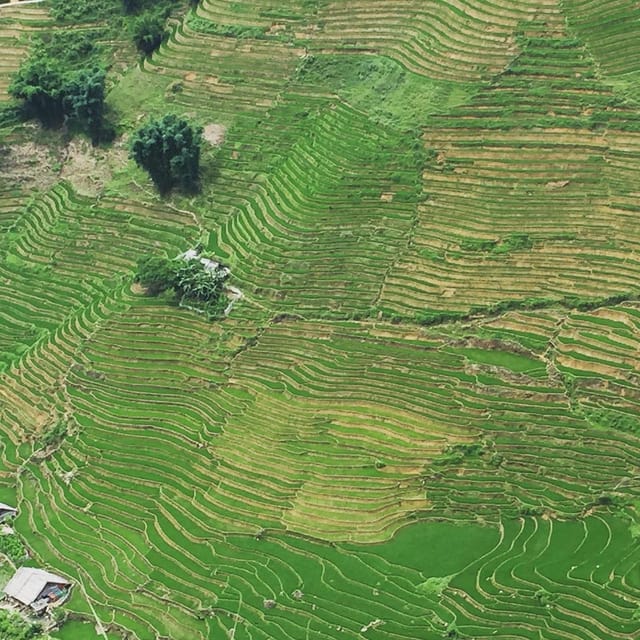
After checking in, your afternoon is designed for an easy ramp-up: cool air, Sapa town sights, and a visit to the Sapa market where you can browse textiles and handicrafts and interact with ethnic groups.
You also have options to explore nearby village areas. The plan specifically mentions time for a walk through rice terraces and a look at Cat Cat village, which is known for handicraft and waterfalls. There’s also a possibility to take the cable car to Fansipan, with the experience reaching high altitude and featuring a pagoda and a trekking route up to 600 steps—but again, this depends on timing.
I like this approach because it gives you choices. If you feel energetic, you can stretch your legs on the terraces and try the Fansipan option. If you’re tired from the bus, you can focus on town + market + a lighter walk, then save big hikes for day 2.
The cooking class: dinner you make, not just watch
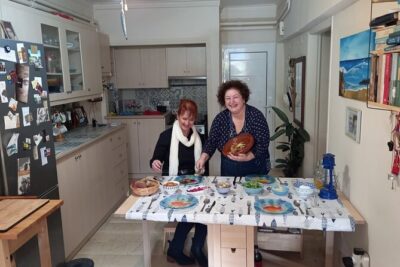
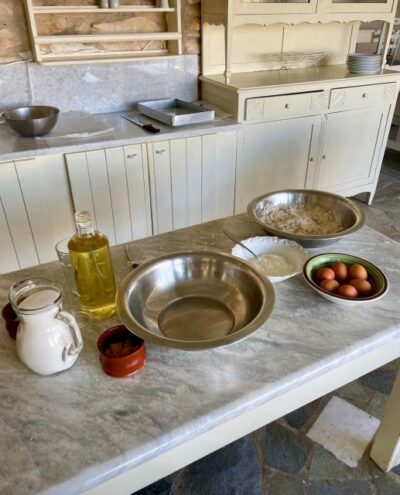
This is the heart of the evening. You join a local food cooking class hosted by the homestay family, using fresh, local ingredients. The way it’s set up tends to feel more practical than staged: you learn steps while your host is guiding you, and then you eat what you cooked as dinner.
From what’s been shared in people’s experiences, the class can adapt to dietary needs such as vegan meals when arranged ahead of time. If food restrictions matter to you, tell the team clearly before cooking begins—don’t assume they’ll guess.
What you’ll likely appreciate is the connection between place and ingredients. In mountain regions, “local” isn’t a marketing word—it’s the difference between a generic meal and one that feels tied to the land and cooking style of the area.
Red Dao herbal foot bath vs. Sapa night market
After dinner, your program includes a special cultural stop: a herbal foot bath connected to the Red Dao ethnic tradition. The idea is part relaxation and part learning about local customs and culture.
If you’d rather spend the night differently, you can also choose a leisurely stroll through the Sapa night market for souvenirs and atmosphere before returning to the lodge.
My practical suggestion: do one “slow” activity and one “fun” one. A herbal foot bath helps your body reset after the bus day. The night market is great if you still have energy and want small items like textiles or locally made crafts.
Day 2: breakfast, then a full-day guided valley walk
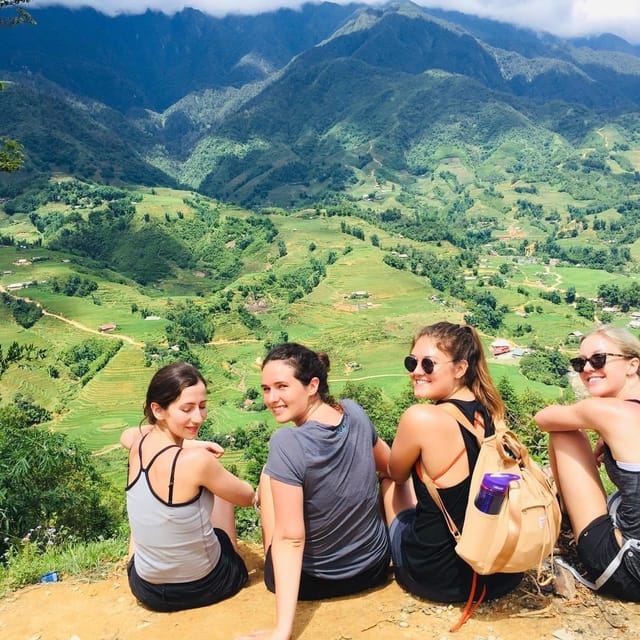
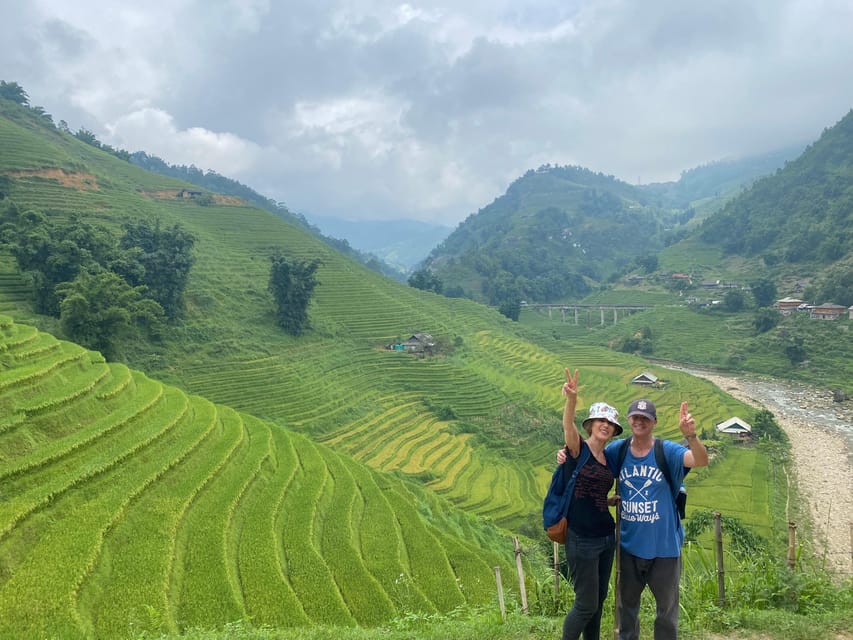
Day 2 starts with breakfast at the homestay, then you set out around 9:15–9:30 for a full-day guided route. The focus is the Muong Hoa Valley village loop, covering Y Linh Ho, Lao Chai, and Ta Van.
The guide is the key here. You’re not just walking between viewpoints—you’re getting context about daily life, local customs, and how the communities relate to the terraces and surrounding mountains. You’ll also stop for lunch at a local eatery or as a picnic, depending on how the day is moving.
Keep in mind: the experience is structured to show you multiple village settings rather than only one. That’s why it feels richer. You get variety in scenery and in the pace of village life.
Y Linh Ho, Lao Chai, Ta Van: what the villages give you
Each village segment is meant to connect the dots between terrain and people.
- Y Linh Ho: often used as a first taste of classic terrace scenery and village pathways. It’s a good warm-up before longer stretches of walking.
- Lao Chai: where you get a deeper look at everyday life in terrace country and a better sense of how families interact with the land.
- Ta Van: known for its village character and the feeling of stepping into a slower rhythm—especially when you meet families along the way and learn about customs.
What makes this valuable is the pattern: you see the terraces, then you connect them to the way people live. It turns the scenery into something you can understand, not just something you photograph.
You’ll return to Nomadtrails Lodge for downtime and a hot shower, then depart by sleeping bus in the late afternoon, arriving back in Hanoi’s Old Quarter around 10:00–10:30.
Meals and pacing: how you’ll feel after two days
Meals are built in: breakfast on day 2, lunch day 2, and dinner day 1. That’s a big deal in Sapa, where food options can be limited once you’re out in the valleys. Having meals handled means less decision fatigue and more time walking and learning.
Pacing wise, this isn’t an all-day sprint. Day 1 gives you time to settle and explore around Sapa. Day 2 is the long guided trek, and it naturally includes rests, meals, and a structured return.
The tradeoff is that you should expect a fair bit of walking on uneven surfaces. If your legs are sensitive, plan ahead with proper footwear and take it slow on steeper sections.
Guide, language, and group size: small group means better control
The tour runs as a small group limited to 15 participants, with an English speaking guide (and the program also lists English/French/Vietnamese). In practice, smaller groups help in three ways:
- Questions get answered faster.
- The guide can slow down when paths get tricky.
- You’re less likely to feel like a number waiting behind a line.
A fun detail is that you’re working closely with the homestay host during cooking and dinner. That creates more of a relationship than a typical sightseeing day where you only pass through.
What to bring (and what not to bring) so the trip stays pleasant
This is a mountain homestay and valley walk. Pack for comfort, not just weather.
Bring:
- Comfortable shoes for uneven paths
- Sunscreen (yes, even in cooler areas)
- Water and a reusable bottle (the tour also provides water)
- Insect repellent
- Layers for cooler evenings
Not allowed:
- Weapons or sharp objects
- Intoxication, drugs
- Alcohol and drugs
- Fireworks or explosive substances
- Alcoholic drinks in the vehicle
It’s mostly common sense, but it’s worth saying out loud: in the mountains, a bad decision is still a bad decision. Keep it simple and save your energy for the steps and the terraces.
Who should book this Sapa homestay and cooking class?
This tour fits best if you want a mix of:
- Real local food (not just restaurant stops)
- A guided walk across multiple villages
- A stay in the valley rather than only a hotel in town
- A small-group vibe
It’s listed as not suitable for wheelchair users or people with mobility impairments, and it’s not for babies under 1 year. If you’re traveling with very limited mobility, this won’t be comfortable.
Should you book this 2-day Sapa homestay plus cooking class?
If you want the Sapa experience that connects views, people, and food, this is a strong match. The best reason to book is the combination of homestay dinner + cooking class and a guided day through Y Linh Ho, Lao Chai, and Ta Van. You’re not paying only for scenery—you’re paying for context and meals.
Book it if:
- You like guided walking with explanations
- You want a homestay dinner that feels local
- You’re okay with some uneven-path walking
Skip or re-think if:
- You need guaranteed time for Fansipan on day 1 (arrival timing can affect it)
- You’re expecting an easy, fully flat stroll
If you do book, do one thing right: tell the operator your hotel pickup details in Hanoi and share any dietary needs clearly before the cooking class. That’s how you turn a good trip into a smooth one.
FAQ
What’s included in the 2-day package?
You get a 1-night homestay, an English-speaking tour guide, round-trip single sleeping bus from Hanoi, and meals including 1 breakfast, 1 lunch, and 1 dinner. The tour also includes sightseeing fees and 1 liter of water per person.
Do I have time for Fansipan during this trip?
Fansipan is mentioned as a possible day-1 activity with the option to take the cable car and then visit pagoda areas and climb up to 600 steps. Your actual time depends on arrival and the schedule.
Which villages will I visit on day 2?
Day 2 includes guided visits to Y Linh Ho, Lao Chai, and Ta Van in the Amazing Muong Hoa Valley.
Is the cooking class able to accommodate dietary preferences?
The cooking class and dinner are designed with local ingredients, and vegan adaptation has been mentioned in experience. If you have dietary needs, tell the team ahead of time.
What should I pack for Sapa?
Bring comfortable walking shoes, sunscreen, water, and insect repellent. Also expect cooler mountain temperatures, especially in the evenings.
Can I cancel for a full refund?
Yes. You can cancel up to 24 hours in advance for a full refund.
Is this tour suitable for wheelchair users or limited mobility?
No. The tour is not suitable for wheelchair users or people with mobility impairments.