REVIEW · SA PA
Sapa: Local Hmong Cooking Class
Book on GetYourGuide →Operated by Viet Nam Happy Travel · Bookable on GetYourGuide
A cooking lesson in Sapa can feel personal fast. This one is taught from a Hmong homestay setting in Dong Bac, with English guidance from Sung, plus hands-on meals and culture stories built around local ingredients.
I especially like two things here: first, you cook and eat while you’re surrounded by rice terraces, so the food lesson has real context. Second, Sung’s explanations of Hmong culture and history make the recipes easier to remember (and more meaningful) than a typical cooking show. One thing to consider is that finding the meeting spot can be a little tricky because signage on a small road may be unclear.
In This Review
- Key highlights you’ll notice right away
- A homestay cooking class with a purpose (not just recipes)
- Where you meet and how the 3.5 hours tend to flow
- Welcome drink and the culture intro before you start cooking
- The cooking menu: spring rolls, bamboo herbs, and mountain mushrooms
- Spring rolls: technique and rolling you can repeat later
- Bamboo prep: herbs and onion leaf when available
- Chinese black mushrooms: grown in cool forest areas
- Dzay tofu with tomato: learning a tribe-specific tradition
- Sticky rice coloring and the story behind natural plants
- Fresh rice from terrace fields: planting, growing, and harvesting basics
- Fried chicken and pork: seasoning, handling, and local flavor work
- Dessert: watermelon or cucumber to end on something light
- What’s included (and why it makes the $36 price feel reasonable)
- The practical value: English teaching plus real local ingredient knowledge
- Who this Sapa cooking class suits best
- Before you book: two things I’d plan around
- Should you book this Sapa local Hmong cooking class?
- FAQ
- How long is the Sapa local Hmong cooking class?
- What’s included in the price?
- Does the class include hotel pickup or transfer?
- What dishes will we cook?
- Is there an option for English?
- Is it suitable for wheelchair users?
Key highlights you’ll notice right away
- Rice-terrace cooking and learning: You can see stages of rice growing up close during the class.
- English guidance by Sung: Clear teaching, plus Hmong culture and history woven into the day.
- A real menu built from local supply: From free-range chicken to rice grown on terrace fields.
- Naturally colored sticky rice: Yellow and red sticky rice use local plant sources, depending on availability.
- Dzay-style tofu from scratch: You learn preparation techniques tied to local tribal knowledge.
- Multiple hands-on dishes: Spring rolls, pork, chicken, tofu with tomato, mushrooms, sticky rice, and dessert.
A homestay cooking class with a purpose (not just recipes)
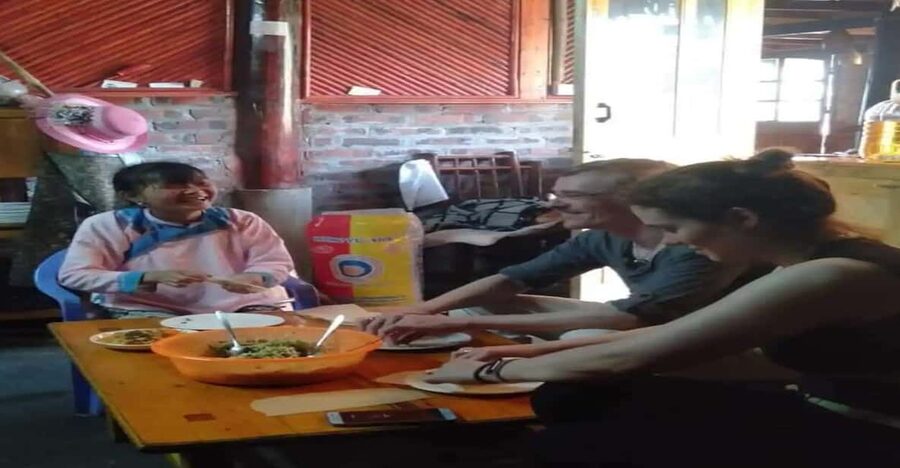
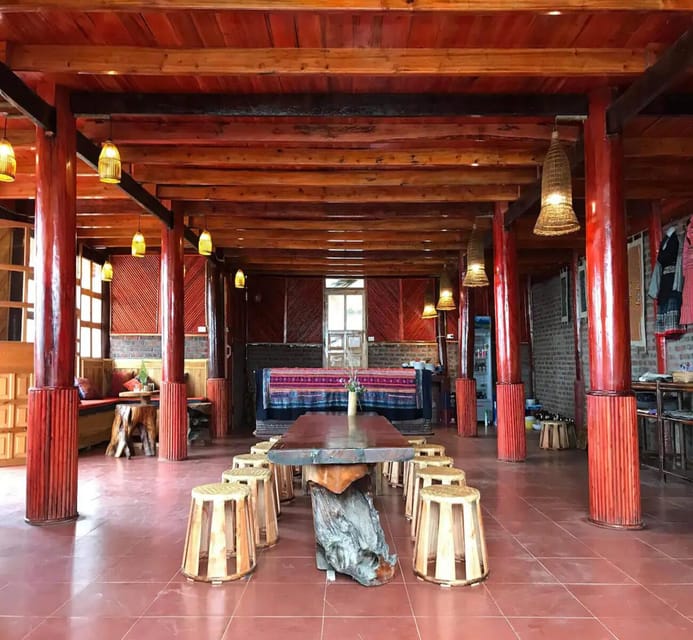
This class is designed around more than getting good at rolling spring rolls. The goal is to show how local families turn what they grow in the hills into everyday meals, and how food connects to tribe traditions, family routines, and seasonal life.
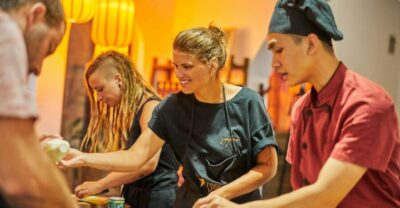
You’ll be taught as you cook, with the chef sharing stories along the way. That storytelling matters because it gives you a reason behind each technique, not just a list of steps. And since it’s based in a home setting in Dong Bac, the class naturally feels grounded in local routines rather than a kitchen staged for visitors.
You can also read our reviews of more tours and experiences in Sa Pa.
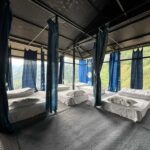
Where you meet and how the 3.5 hours tend to flow
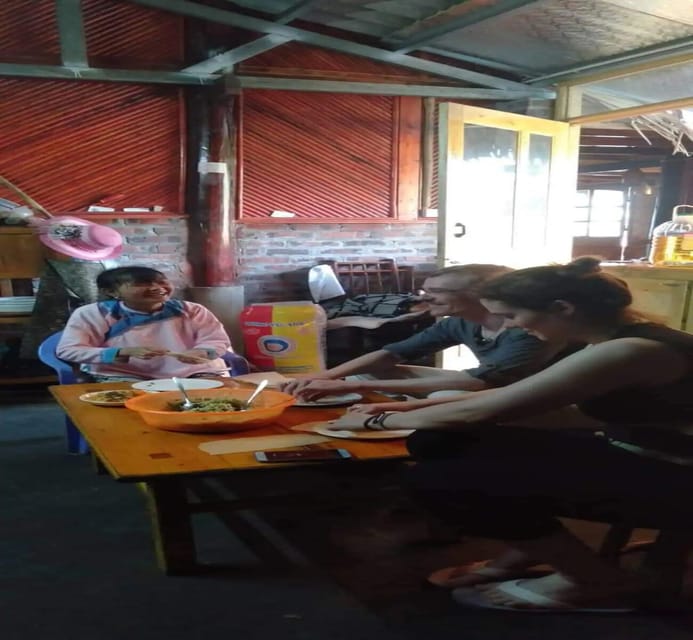
You start and end at Sapa Tour Indigo Homestay in Tả Van, Sa Pa, Lào Cai. The timing is about 3.5 hours, and you’ll want to check availability for the exact starting times before you plan the rest of your day.
Hotel transfer isn’t included, so build in time to get yourself to the meeting point. This matters because the cooking itself moves at a relaxed but real pace; you don’t want to arrive rushed and miss the first explanations (and the welcome drink).
You should also tell your host about allergies or food restrictions ahead of time. The menu includes ingredients and preparations that may not work for every diet, and it’s best if the chef can adjust early.
Welcome drink and the culture intro before you start cooking
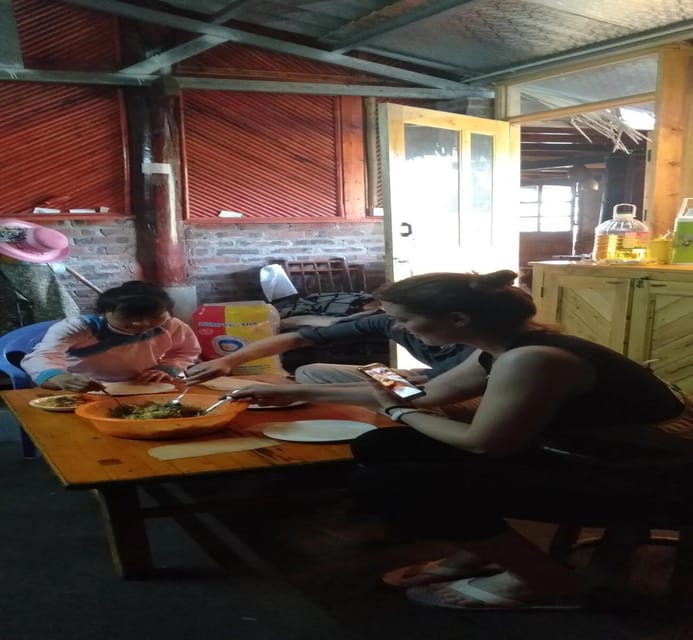
Before hands-on cooking begins, you’ll get a welcome drink and an orientation to what you’ll be making and why it matters. This is where Sung’s English teaching style really helps, because you’re not just watching your hands work—you’re also learning how Hmong food traditions are passed down.
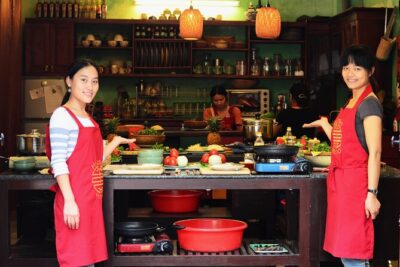
Expect the class to be structured like a family meal building process: small technique lessons, ingredient prep, cooking steps, and then eating together at the end. It’s a nice rhythm for learning, because each dish reinforces the next.
The cooking menu: spring rolls, bamboo herbs, and mountain mushrooms
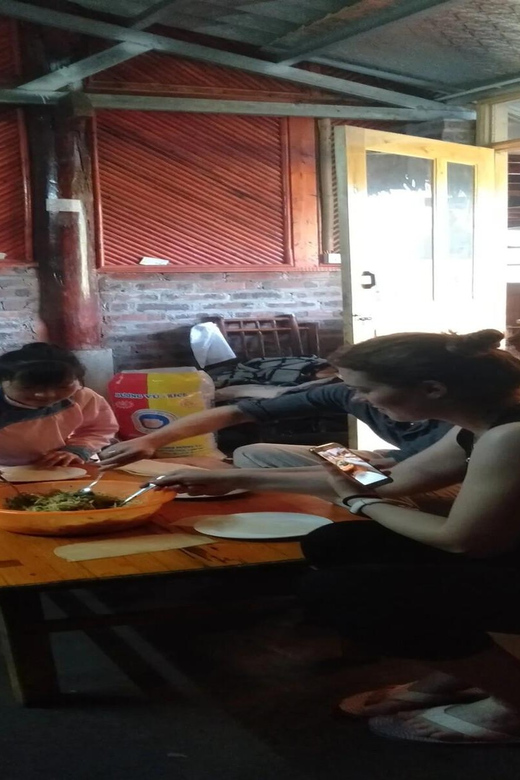
The class menu is built to be practical. You learn by doing, and you’re usually dealing with ingredients that are either grown locally or tied to local growing patterns.
Here’s what you can expect to learn on the cooking side:
Spring rolls: technique and rolling you can repeat later
You’ll learn the technique of preparing and rolling spring rolls. Rolling matters more than people think—size, tightness, and sealing all affect how they come out. By the end, you’ll have enough control to feel confident making them at home, not just following a one-time demonstration.
Bamboo prep: herbs and onion leaf when available
You may also learn how to peel and prepare bamboo, along with local fresh herbs and onion leaf. The tricky part here is that bamboo prep depends on availability, so don’t assume every part of this module will be identical every day.
Still, it’s a useful lesson because it teaches how locals handle plant-based ingredients that visitors often never touch at home.
Chinese black mushrooms: grown in cool forest areas
If they’re available, you’ll learn about Chinese black mushrooms, a mushroom type grown in the cool forests around Sa Pa. Even if you’ve cooked mushrooms before, this lesson helps you understand how local growing conditions shape what people cook in the hills.
Dzay tofu with tomato: learning a tribe-specific tradition
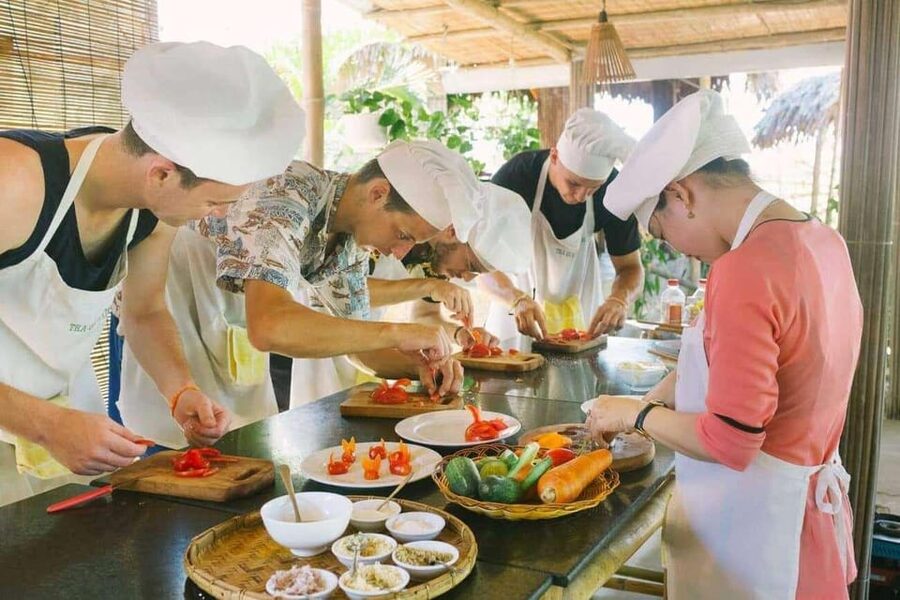
One of the most distinctive parts is tofu with tomato. The class connects it to local Dzay tribe knowledge, including tofu preparation from scratch (as taught by the host and sourced through local connections).
This section is valuable because tofu-from-scratch teaches fundamentals: how to handle the process, how it changes with technique, and how the flavoring works once the tofu is ready. It’s also a great reminder that “a simple dish” often has deeper craft behind it.
If you’re the type of traveler who likes skills you can use later, this is the module to watch closely.
Sticky rice coloring and the story behind natural plants
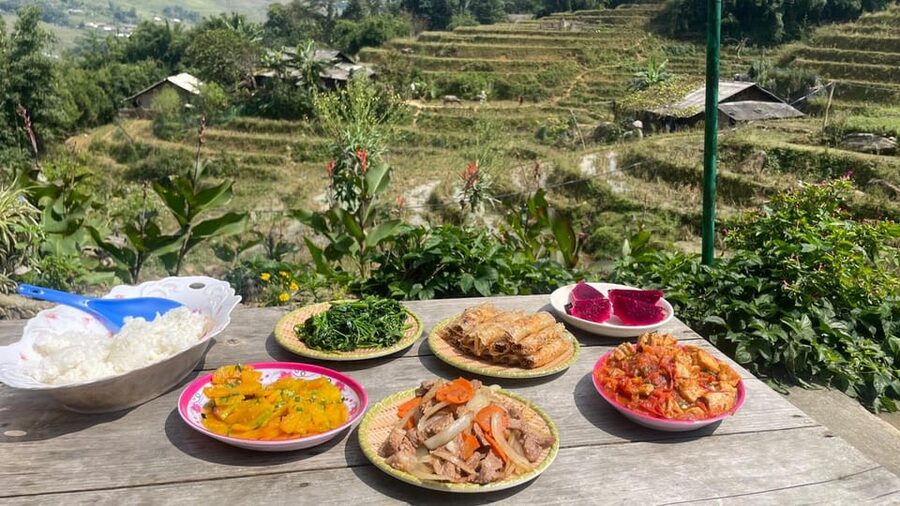
You’ll learn about red and yellow sticky rice. The interesting detail here is that the coloring is done naturally using a yellow flower source and a red leaf source that grows in the mountains, though the exact elements depend on availability.
This isn’t just a color trick. It’s a lesson in local resourcefulness—using what’s around you for food not only for flavor, but also for visual identity and seasonality.
Fresh rice from terrace fields: planting, growing, and harvesting basics
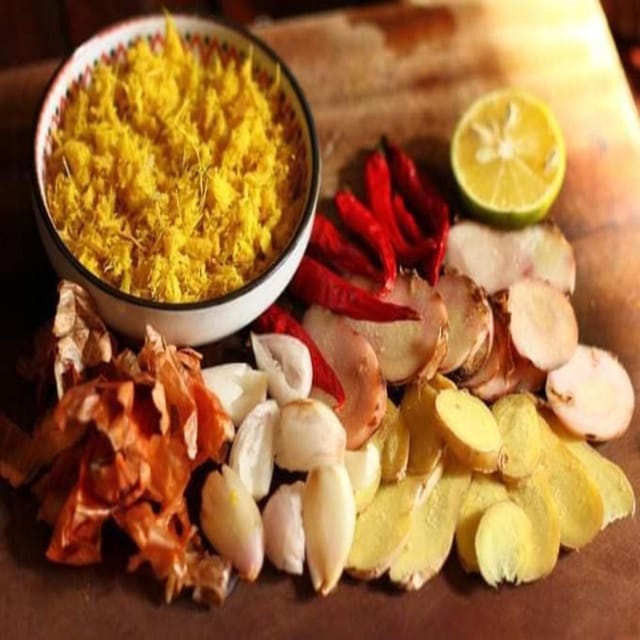
In a lot of cooking classes, rice is just a side ingredient. Here, rice is part of the teaching story.
You’ll learn how local rice is grown on the chef’s own terraces. The chef shares the process of planting, growing, and harvesting, and you’ll be able to see some stages up close because the class setting is surrounded by rice terraces. That view-to-vessel connection is exactly why this class feels different.
And if you’re trying to understand Sapa beyond the photo ops, this is one of the clearest ways to do it. You’ll come away knowing what goes into the rice on a practical level, not just hearing it as scenery.
Fried chicken and pork: seasoning, handling, and local flavor work
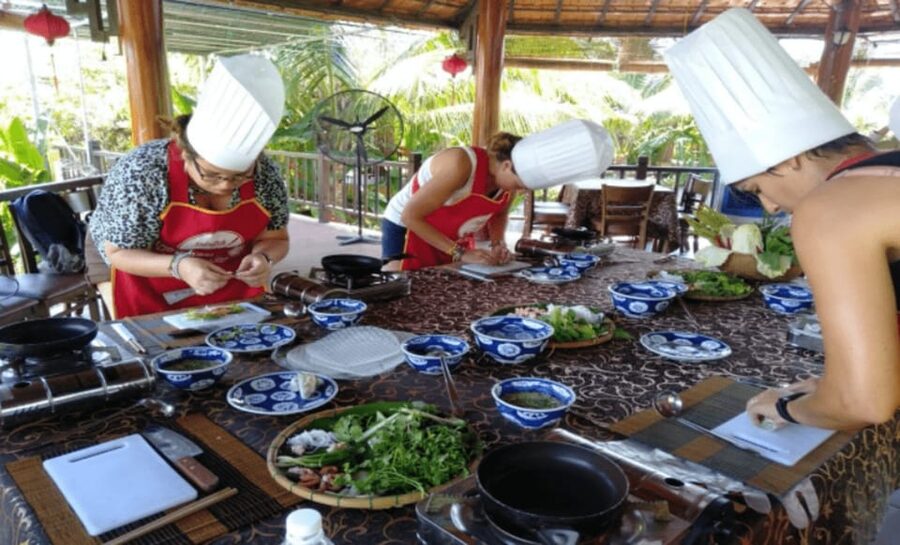
Next up, the class turns fully into “cook and share” mode.
- Fried chicken: You’ll season and prepare the chicken for frying, and the chickens are described as free range at the home.
- Pork: You’ll learn how pork is prepared using a traditional local way.
These modules are where technique becomes confidence. You’ll get a feel for how seasoning is built and how local households approach everyday proteins. If you’re used to restaurant food, this can also help you spot what tastes “right” and why, so you can recreate it later.
Dessert: watermelon or cucumber to end on something light
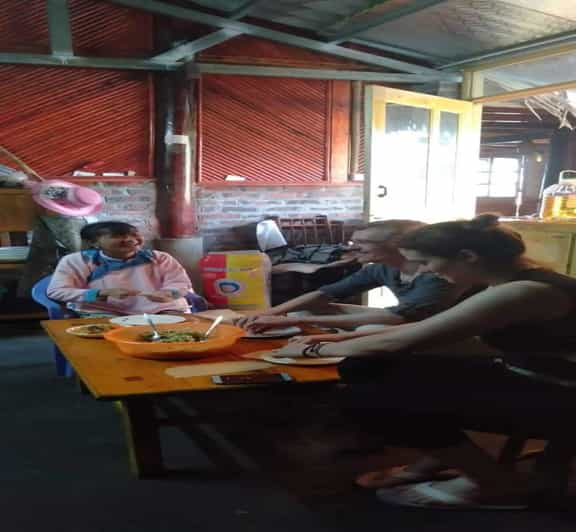
To close, you’ll have dessert options: watermelon or cucumber. It’s a simple finish, and it makes sense after a meal where you’ve cooked multiple savory dishes.
Also, since dessert choice depends on what’s available, it reinforces the idea that the menu is tied to real supply rather than a fixed script.
What’s included (and why it makes the $36 price feel reasonable)
The price is $36 per person, and here’s what you’re actually getting: a welcome drink, a local lunch/dinner, all ingredients and tools, and a recipe book.
That combination matters. Cooking classes can be expensive when you’re paying mostly for instruction, without the food and materials. Here, the cost includes the ingredients, the kitchen tools, and the meal you eat. The recipe book is also a practical extra because it helps you remember steps after you go home, when memories get fuzzy and your spring roll wrappers don’t behave the same way.
You should expect drinks beyond the included welcome drink to not be included, so plan on water or other beverages if you want them.
The practical value: English teaching plus real local ingredient knowledge
The strongest praise in my mind is about teaching quality—Sung speaks very well in English and connects dishes to Hmong culture and history. That combo is rare. Many classes either focus on food or focus on culture; this one uses food as the easiest path into culture.
It also helps that you’re not just eating dishes imported from somewhere else. You’re learning how flavors come from ingredients grown locally and prepared using techniques that are handed down through generations.
If you’re traveling with kids, this can also be a fun hands-on way to keep them engaged—though you’ll still want to consider attention span for a full 3.5 hours.
Who this Sapa cooking class suits best
This class is a good fit if you want more than a meal. You’ll likely enjoy it if you care about how traditions show up in daily cooking, and if you like learning techniques you can repeat later.
It’s also a solid choice if you’re already in the Sapa/Tả Van area and want a plan that doesn’t feel like a long bus day. Ending back at the meeting point makes it easy to slot into your schedule.
If you have mobility needs, note that it’s not suitable for wheelchair users based on the activity info.
Before you book: two things I’d plan around
First, double-check your allergies and food restrictions and message the provider in advance. The menu includes multiple ingredients and preparation styles, and you’ll get a better outcome if the chef knows your needs early.
Second, allow extra time to find the homestay meeting corner. The location is the starting and ending point, but signage on a small road may be limited, so coming in later or already tired can turn a simple arrival into a scavenger hunt.
Should you book this Sapa local Hmong cooking class?
If you want a Sapa experience that mixes hands-on cooking with real cultural storytelling, I’d book it. The rice-terrace setting is a standout, and the English guidance from Sung makes the lessons click fast.
Choose it if you’d rather learn how food is made in local terms than just take photos with dishes. Skip it only if you’re looking for something more hands-off, shorter, or more structured like a restaurant class where every detail is guaranteed the same every day.
FAQ
How long is the Sapa local Hmong cooking class?
The class lasts about 3.5 hours. You’ll want to check availability for the exact starting times.
What’s included in the price?
It includes a welcome drink, a local lunch/dinner, all ingredients and tools, and a recipe book.
Does the class include hotel pickup or transfer?
Hotel transfer is not included. You’ll meet at Sapa Tour Indigo Homestay in Tả Van, Sa Pa, Lào Cai, and the activity ends back at the same meeting point.
What dishes will we cook?
You can expect to learn spring rolls, bamboo prep (when available), Chinese black mushrooms (when available), tofu with tomato, red and yellow sticky rice (when available), fresh rice lessons tied to rice terraces, fried chicken, pork, and dessert (watermelon or cucumber).
Is there an option for English?
Yes. There is a live tour guide who speaks English.
Is it suitable for wheelchair users?
No. The activity is not suitable for wheelchair users.