REVIEW · SA PA
Sapa: Bun Cha Cooking Class
Book on GetYourGuide →Operated by Local Guide Sapa · Bookable on GetYourGuide
Charcoal pork, herbs, and sauce in one class.
This hands-on cooking experience in Sapa turns Bun Chả from a menu item into something you can make with your own hands. You learn the main components like locals do, in a small group where the chef keeps the pace clear and friendly.
I especially like two things: you get guidance while grilling pork over charcoal, and you also learn the sweet-sour dipping sauce that makes Bun Chả taste like the real thing. Plus, you finish by sitting down to enjoy what you cooked in a warm, home-style setting.
One important consideration: this class is not suitable for vegetarians, since pork is the main ingredient and cannot be replaced.
In This Review
- Key Highlights You’ll Care About
- Why Bun Chả in Sapa Feels Like a Shortcut to Northern Vietnam
- Entering the Kitchen: Small Group, Clear Coaching
- The Prepping Phase: Marinating Your Way to Flavor
- Charcoal Grilling: The Part You’ll Actually Remember
- Building the Sweet-Sour Dipping Sauce (Without Guesswork)
- How You Put It Together: Herbs, Rice Vermicelli, and Fresh Balance
- The Best Part: Eating Your Own Bun Chả in a Cozy Home Setting
- What You Take Home: Recipes, Tools, and Real Confidence
- Price and Value: Is $25 Worth It for 2 Hours?
- Who Should Book This Bun Chả Cooking Class (and Who Shouldn’t)
- A Few Real-World Tips Before You Go
- Should You Book This Sapa Bun Chả Cooking Class?
- FAQ
- How long is the Bun Chả cooking class in Sapa?
- How much does the class cost?
- What will I learn to cook?
- Do I need prior cooking experience?
- Is the class vegetarian-friendly?
- What’s included in the price?
- What is not included?
- Where is the meeting point?
- What languages are supported by the instructor?
- FAQ
- What group size is this class?
- Is free cancellation available?
- Can I reserve and pay later?
- Are recipes provided?
Key Highlights You’ll Care About
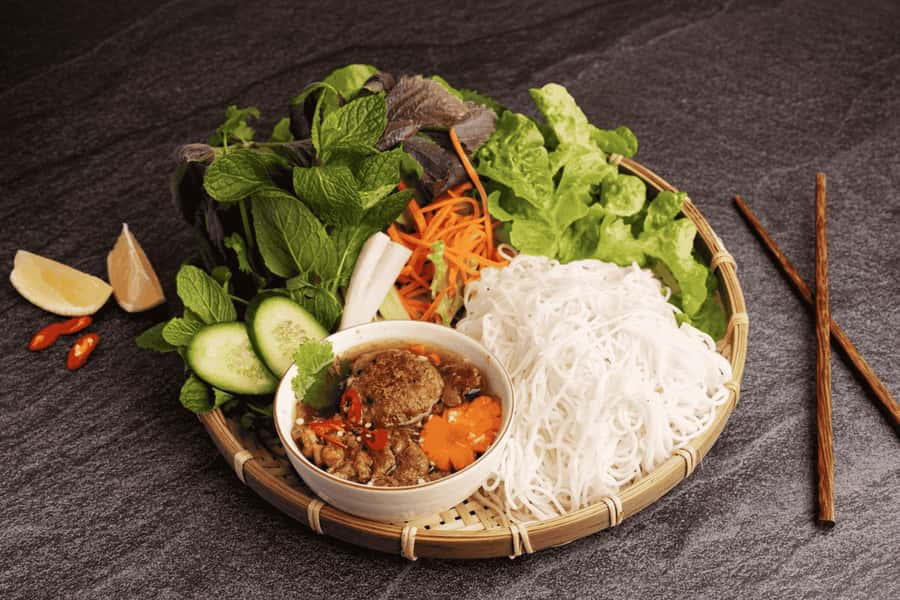
- Charcoal grilling practice so you understand the taste and timing behind the pork
- Sweet-sour dipping sauce taught step by step, not guessed
- All-in-one meal: you cook, then eat your Bun Chả right there
- Small group (up to 10) for more attention and easier follow-along
- No prior experience needed, with an English/Vietnamese instructor to guide the whole process
Why Bun Chả in Sapa Feels Like a Shortcut to Northern Vietnam
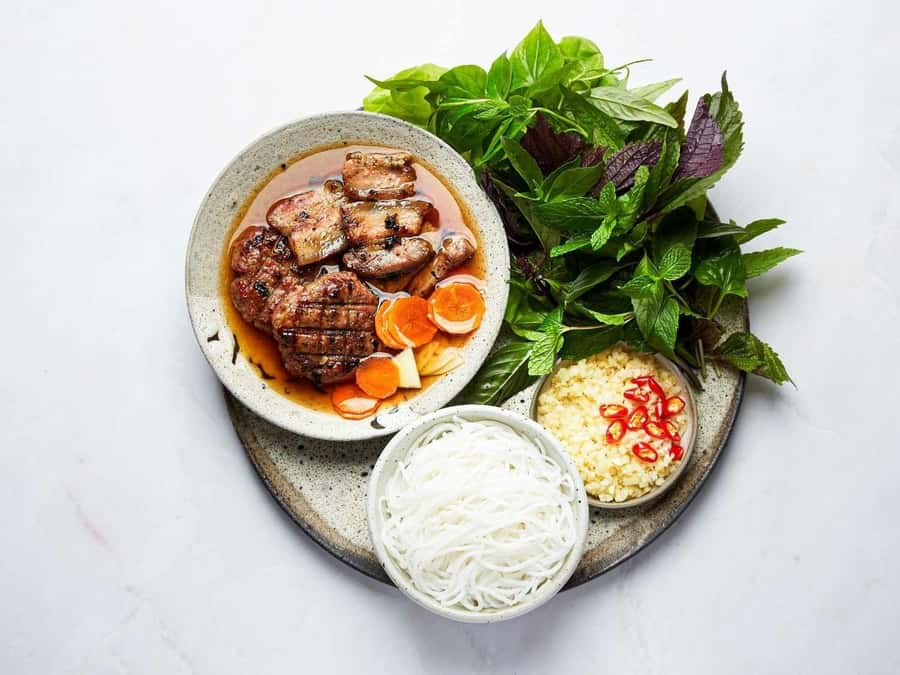
Bun Chả is one of those Vietnamese dishes that seems simple until you try to reproduce it. The magic isn’t just grilled meat. It’s the balance: grilled pork, fresh herbs, rice vermicelli, and a dipping sauce that’s sweet and tangy. This class is built around that whole balance, so you don’t leave knowing only one trick.
In Sapa, you also get a practical bonus. The region’s cooler climate makes comfort food feel extra right, and Bun Chả lands as a hearty, satisfying meal you can picture later at home. I like that the class focuses on the parts that create the real flavor, not a performance-style cooking demo.
You can also read our reviews of more tours and experiences in Sa Pa.

Entering the Kitchen: Small Group, Clear Coaching
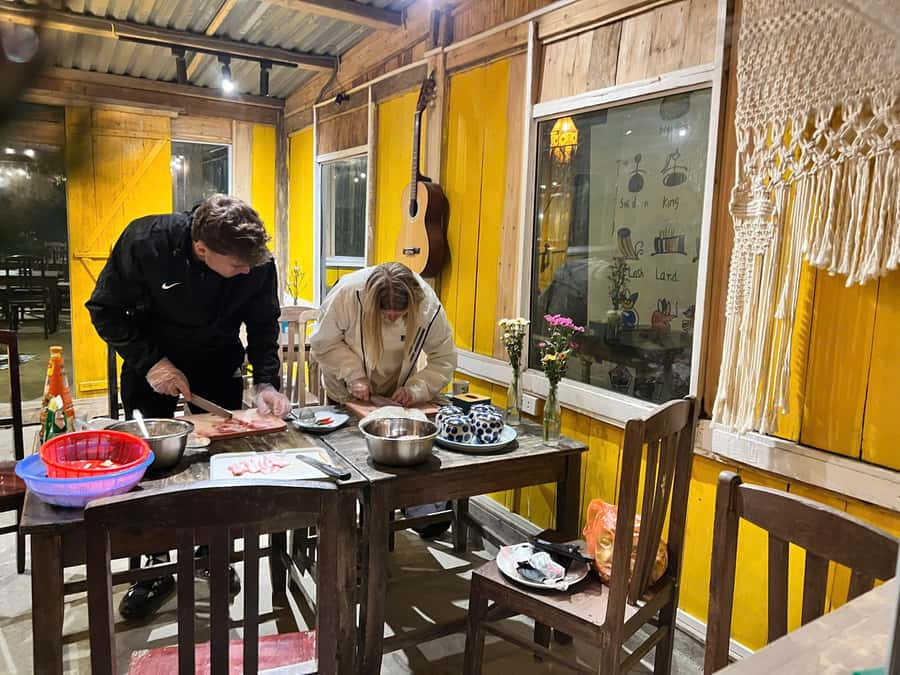
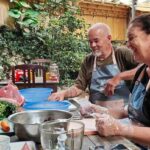
You meet at 02 Nguyen Chi Thanh, Sapa, Vietnam. From there, the experience starts with a warm welcome and a short intro to Vietnamese cuisine and the key ingredients. That matters more than it sounds. When you understand what each component is supposed to do, the cooking steps click faster.
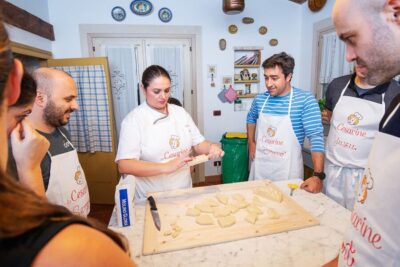
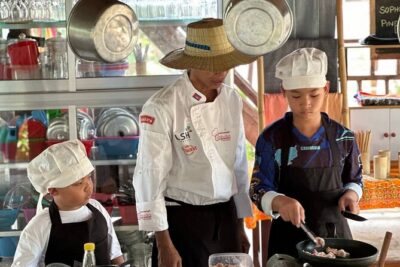
The class runs about 2 hours with a small group limited to 10 participants. That size is a big deal. In a larger group, you might watch more than cook. Here, you’re set up to participate and get real direction as you work.
The instructor supports you in English and Vietnamese and guides the process step by step. If you like knowing what to do next before you panic, this format is for you. And if you’re the type who learns better with hands-on feedback, the chef’s tips and corrections are where the value really shows.
The Prepping Phase: Marinating Your Way to Flavor
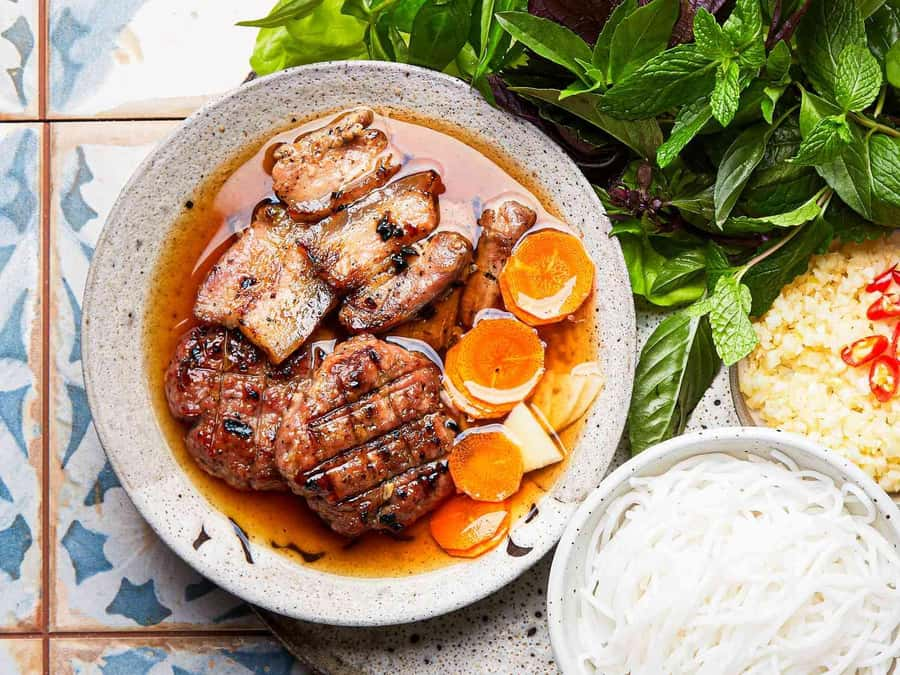
The first hands-on step is marinating the meat. This is one of those stages that separates decent grilled pork from great grilled pork. Even if you’ve cooked meat before, marinating in another cuisine often means different goals: not just salt and smoke, but getting the right balance so the sauce and herbs don’t overpower the meat.
What you can expect here is a clear walkthrough of the marinating step and how it connects to the final Bun Chả flavor. The chef shares practical tips to help your results land correctly, even if you have zero cooking background. This is one of the best parts of the experience for beginners because you’re not guessing.
Also, don’t skip the mindset shift. Your goal isn’t only to cook. Your goal is to set up the meat so it works with the dipping sauce. When you understand that, the rest of the class becomes easier.
Charcoal Grilling: The Part You’ll Actually Remember
Then comes the headline: grilling pork over charcoal. Charcoal changes everything—heat intensity, flavor notes, and how quickly you need to pay attention. And the class doesn’t treat grilling like some mysterious ritual. You get guidance so you can follow the timing and technique the chef expects.
I like this segment because it’s where you build confidence fast. You’re not just mixing ingredients. You’re learning a core Vietnamese cooking skill tied to Bun Chả itself. Plus, grilling over charcoal is the kind of detail that affects taste in ways you can’t fully replicate with a basic pan.
A practical note for your expectations: grilling can be a little hands-on and close to heat. Wear something comfortable you don’t mind getting that cooking-class vibe. The class is only around 2 hours, so you’re not stuck for a whole day, but it’s real cooking time.
Building the Sweet-Sour Dipping Sauce (Without Guesswork)
Bun Chả lives or dies by the dipping sauce. The highlight here is that you learn how to make the sweet-sour sauce, not just assemble it from a bottle. This is where you’ll start understanding why Bun Chả tastes so balanced.
During the class, the chef takes you through the sauce-making process step by step and gives tips to help you succeed. That guidance matters because sweet-sour sauces can throw people off. Too sweet, too sharp, or not balanced enough, and your plate tastes off even if your pork is perfect.
The course also helps you connect cause and effect. Once you make the sauce, you can taste the difference right away when you eat your meal later. That feedback loop is part of what makes cooking classes work—you’re training your palate while you cook.
How You Put It Together: Herbs, Rice Vermicelli, and Fresh Balance
After grilling and sauce-making, it’s time to assemble your Bun Chả the way it’s meant to be eaten. You’ll work with the classic components: grilled pork, fresh herbs, and rice vermicelli.
This is one reason the class feels more complete than a one-dish cooking lesson. Many cooking experiences teach you how to cook one part. Here you learn how the dish becomes a dish. The chef’s guidance helps you understand how to combine the elements so the sauce coats and the herbs stay fresh.
If you’re worried you’ll just eat grilled meat with noodles, don’t. The class is structured so the sauce and herbs aren’t an afterthought—they’re part of the build.
The Best Part: Eating Your Own Bun Chả in a Cozy Home Setting
After cooking, you sit down and enjoy your creations in a warm, authentic home-style setting. This is a key value point that’s easy to overlook when choosing classes: you don’t just leave with photos. You eat what you made while the experience is still fresh.
That timing matters. You can pick up on what tastes right and what needs adjustment because it’s all still happening in your memory. Also, you’ll see the dish as a finished plate, not a list of ingredients.
The setting is also part of why this class works in Sapa. It feels intimate rather than factory-like. With a small group, the meal after cooking feels calmer and more personal.
What You Take Home: Recipes, Tools, and Real Confidence
This workshop includes ingredients and cooking tools, and it also provides recipes to take home. That means you’re not leaving with vague instructions or a half-remembered “it tasted good somehow” moment.
For value, recipes are huge. They turn the class into a repeatable skill. Even if you can’t recreate exact conditions like charcoal heat at home, the recipe helps you understand proportions and the overall logic of the dish.
The other practical win is confidence. After making Bun Chả in a guided setting, you’ll know what “good” looks like for the meat and sauce. That makes it easier to cook again later—or order it with more understanding when you’re out.
Price and Value: Is $25 Worth It for 2 Hours?
At $25 per person for about 2 hours, this class can be a strong value if you care about actually learning rather than just having a meal. You’re getting:
- hands-on cooking coaching
- instruction in multiple parts of Bun Chả (meat + sauce + assembly)
- a meal of your own creations
- ingredients, tools, and recipes included
- a small group setting limited to 10
What’s not included is transportation and additional food or drinks. So if you’re far from 02 Nguyen Chi Thanh, factor in getting there. Still, compared with many “activity plus a snack” experiences, this gives you something you can repeat and share.
If your travel style is hands-on and you like food with a story you can cook, this price fits well.
Who Should Book This Bun Chả Cooking Class (and Who Shouldn’t)
This class is a great match if:
- you want a practical introduction to Bun Chả beyond ordering it
- you enjoy learning through cooking steps, not lecture-only experiences
- you like small groups and direct instruction in English or Vietnamese
- you want to eat a warm meal you personally cooked, right after
You should probably skip it if:
- you need vegetarian options. This workshop is not suitable for vegetarians because pork is the main ingredient and cannot be replaced.
- you’re expecting a long, multi-course cooking day. This is focused and fast at around 2 hours.
It also suits first-timers. The class explicitly works without prior cooking experience, and the chef’s step-by-step guidance is part of the design.
A Few Real-World Tips Before You Go
Here’s how to get the most out of your time in the kitchen:
- Go in ready to follow steps closely. The sauce and grilling are the core skills.
- Eat with curiosity. Taste as you assemble, then again after the meal is served so you can notice balance changes.
- Wear comfortable clothes you can move in. You’ll be working during active grilling.
- If you’re sensitive to pork dishes, this isn’t a good fit, since pork is central to the menu.
One extra note from the experience’s pattern: guides in this class style tend to share lots of tips and tricks to help you get results you feel good about. In at least one session, an instructor named Sissy was specifically praised for sharing that kind of practical guidance.
Should You Book This Sapa Bun Chả Cooking Class?
Yes, if you want a hands-on Bun Chả lesson that covers the meat, the sweet-sour dipping sauce, and the assembly with herbs and rice vermicelli—and you value eating the results right away in a home-style setting. The small group size and step-by-step coaching are strong reasons to pick this over a more passive food tour.
Skip it only if pork-based food is a hard no for you, or if you’re looking for a full-day cooking adventure. This is efficient, focused, and meant to leave you with both a meal and a repeatable recipe.
If that sounds like your kind of experience, booking is an easy yes.
FAQ
How long is the Bun Chả cooking class in Sapa?
The class duration is approximately 2 hours.
How much does the class cost?
The price is $25 per person.
What will I learn to cook?
You will learn to marinate and grill pork over charcoal, make the sweet-sour dipping sauce, and assemble your Bun Chả with fresh herbs and rice vermicelli.
Do I need prior cooking experience?
No prior cooking experience is required. The chef guides you step by step.
Is the class vegetarian-friendly?
No. The class is not suitable for vegetarians because pork is the main ingredient of Bun Chả and cannot be replaced.
What’s included in the price?
Included are the Bun Chả cooking class, guidance from a local chef, and a meal of your creations.
What is not included?
Transportation to the venue and additional food and drinks are not included.
Where is the meeting point?
The office meeting point is at 02 Nguyen Chi Thanh, Sapa, Vietnam. You can find it on Google Maps.
What languages are supported by the instructor?
The instructor supports English and Vietnamese.
FAQ
What group size is this class?
The group is limited to 10 participants.
Is free cancellation available?
Yes. You can cancel up to 24 hours in advance for a full refund.
Can I reserve and pay later?
Yes. You can reserve now and pay later, with no payment required today.
Are recipes provided?
Yes. You receive recipes to take home, along with the cooking experience that includes tools and ingredients during the class.