REVIEW · HANOI
Cooking class with market visit
Book on Viator →Operated by Hidden Hanoi · Bookable on Viator
Hanoi tastes better with groceries first. This Hanoi cooking class with market visit goes beyond a quick demo, and I especially love the market visit plus the culture exchange angle that explains the why behind the cooking. You shop with a guide, cook Hanoian street-food favorites, then sit down at the end to enjoy what you made.
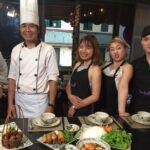
The format is also guided and friendly, and you’ll spot your leader because they wear a T-shirt with the logo and name. One consideration: the market portion can feel short if you’re hoping for lots of wandering on your own, so plan to keep the experience tight and focused rather than turning it into a long shopping spree.
In This Review
- Key things that make this cooking class work
- Shopping in Hanoi Markets with a Food-First Guide
- How You Learn to Cook by Watching and Asking
- Hands-On Street Food Cooking: Bun Cha, Nem, and More
- The Guide Adds Hanoi Life Skills, Not Just Recipes
- Where You Eat: A Garden-House Meal That Feels Like a Break
- Pickup and Timing: How the 4 Hours Fit Real Sightseeing
- Price ($55) and Value: What You’re Paying For
- Who This Hanoi Market-and-Cooking Class Is Best For
- Should You Book It?
- FAQ
- Is pickup offered?
- How long is the cooking class?
- Is this a private tour?
- What will I cook?
- Is confirmation provided when I book?
- What happens if the weather is bad?
- What if the minimum number of travelers isn’t met?
Key things that make this cooking class work

- Market visit with a food-first guide: You’re not just taking photos; you’re learning how to choose ingredients.
- Culture exchange, not just recipes: Expect context on how and why Hanoians cook the way they do.
- Hands-on cooking you can actually drive: You’ll work on the dishes, not watch from the sidelines.
- Family-style end-of-class dining: Your results come out in a lovely house setting with a cozy garden feel.
- Real host energy: Guides such as Oanh (also known as Nikita) and Lana are described as professional, warm, and story-focused.
Shopping in Hanoi Markets with a Food-First Guide
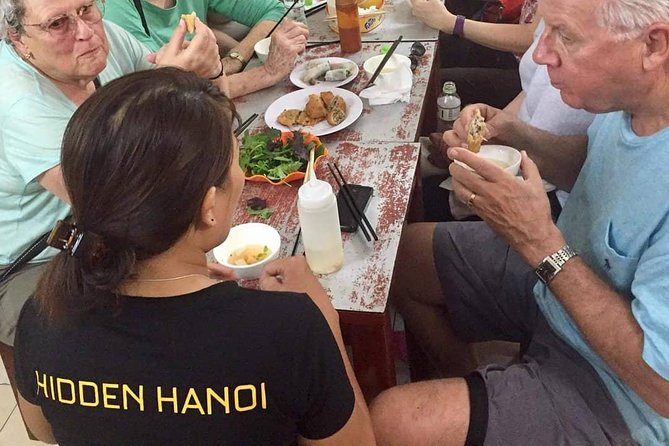
The day starts with you getting oriented fast. The meeting point is described as clear and easy to find, and your guide shows up looking official with that logo T-shirt. If you’ve ever done a cooking class that starts late and feels scattered, this one is designed to get you moving smoothly from the beginning.
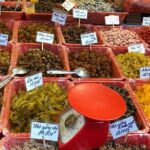
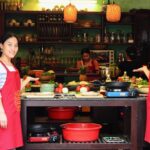
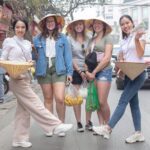
The market visit is the heart of why this tour feels more authentic than the cheaper demo-style classes. Instead of handing you a clipboard of instructions, your guide leads you through the ingredients as part of everyday Hanoi life. You learn what matters in the buying process: what to look for, what different items are used for, and how street-food cooking depends on fresh, practical choices.
I like that the class treats the market as a lesson, not a detour. One review notes that the market tour is brief-ish but full, which tells you what to expect: you don’t get a half-day market festival. You get enough time to understand the ingredients and then translate that into cooking, with your guide helping you connect the dots.
You can also read our reviews of more tours and experiences in Hanoi.
How You Learn to Cook by Watching and Asking
A big part of the value here is the teaching style. The overview makes it clear that the goal isn’t only how to cook Hanoian food, but also how and why you cook it. In practice, that matters because street food is all about balance: flavors, textures, timing, and technique. Recipes alone don’t explain why one step changes the whole dish.
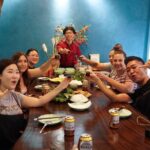
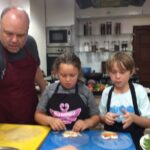
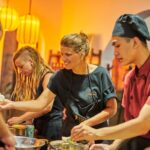
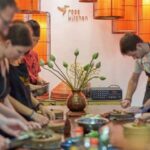
You’ll feel this in the way the class is structured. You’re doing the work, so the lessons stick. Reviews highlight clear instruction and a “like part of the family” vibe during cooking and dining. That family feeling isn’t just personality—it’s practical. When the host explains things in a personal way, you’re more likely to ask questions and get real fixes, rather than silently following steps that don’t make sense.
Also pay attention to the cultural exchange side. One review mentions hearing history of Vietnam from a culinary perspective, and another talks about personal history from the guide. That kind of context helps you understand why certain tastes show up again and again in northern Vietnamese food, and why street stalls cook the way they do.
Hands-On Street Food Cooking: Bun Cha, Nem, and More
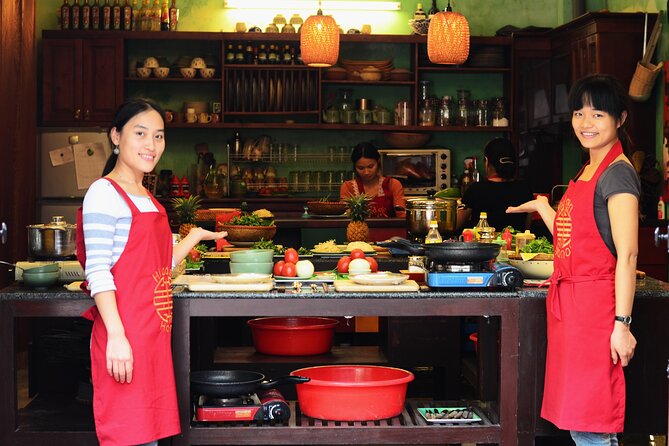
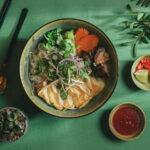
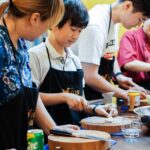
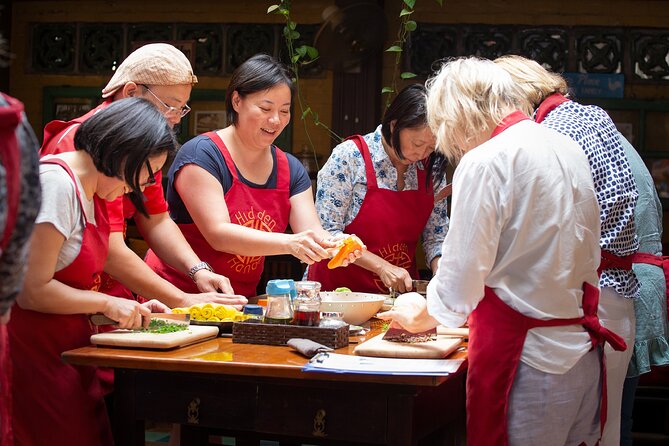
This is a cooking class in the best sense: you’ll cook. Reviews specifically mention bun cha and nem, and there’s also mention of summer roll cooking. Another review references pho/summer roll, which suggests you may rotate dishes depending on the session and menu.
Here’s what I think you should expect from a hands-on street-food class like this in Hanoi:
- You’ll start with the ingredients you just learned about, so nothing feels random.
- You’ll get guidance on technique, not only measurements.
- You’ll end with a full meal you made yourself, so you’re not hungry while learning.
Bun cha and nem are great picks because they represent Hanoi comfort food and street-food style. Bun cha is built around grilled flavor plus a sauce balance. Nem usually means spring-roll or similar wrapped textures, where the rolling and frying/finishing steps matter. When you cook both, you get a nice spread: one dish leans into sauce-and-grill balance, the other leans into prep technique and texture control.
If you’re the type who likes food because you like improving your own skills, this class is likely to hit the mark. If you’re only chasing a food photo, you might find it more satisfying to treat the market and cooking as the point—not just the tasting.
The Guide Adds Hanoi Life Skills, Not Just Recipes
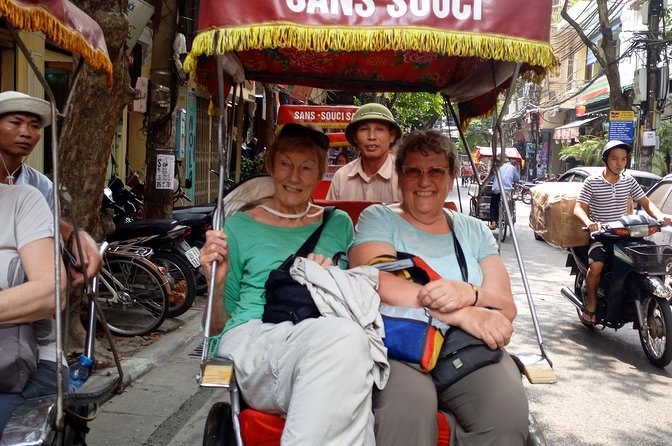
One of my favorite details from the reviews is the focus on everyday Hanoi experience. There’s a mention of learning how to cross the road safely. That’s not a throwaway line. It’s a reminder that a Hanoi food class is also a Hanoi movement-and-survival lesson.
When your guide brings in small real-life skills—like how locals handle streets or how to navigate the rhythm of the market—it changes how you remember the day. You don’t just learn flavors. You learn how a place functions.
This also explains why guests talk about feeling like they were with someone who knows the city. A professional host can absolutely teach cooking. The best ones also teach context. Reviews call out hosts like Oanh (Nikita) and Lana as friendly, charming, and story-driven, with enough professionalism to keep the group on track.
Where You Eat: A Garden-House Meal That Feels Like a Break
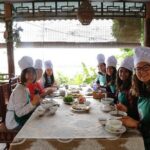
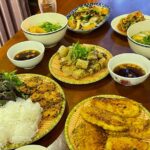
The end of the class is part of the experience, and I’m glad they don’t skip it. The overview says you enjoy the results of your cooking at a lovely house with a cozy garden. That kind of setting turns the meal into a reward instead of a quick cafeteria finish.
What you’ll likely love here is the flow: market shopping, active cooking, then sitting down to eat together. When the atmosphere is calm and comfortable, you can actually taste what you made and understand the lessons you just received. If you’ve done cooking classes where you cook at high speed and then rush off, this one is built to slow down at the end.
The garden-house vibe matters more than it sounds. Hanoi can be intense—noise, scooters, heat, the fast pace of markets. A quiet setting for your meal gives you a cleaner sensory memory of the food itself.

Pickup and Timing: How the 4 Hours Fit Real Sightseeing
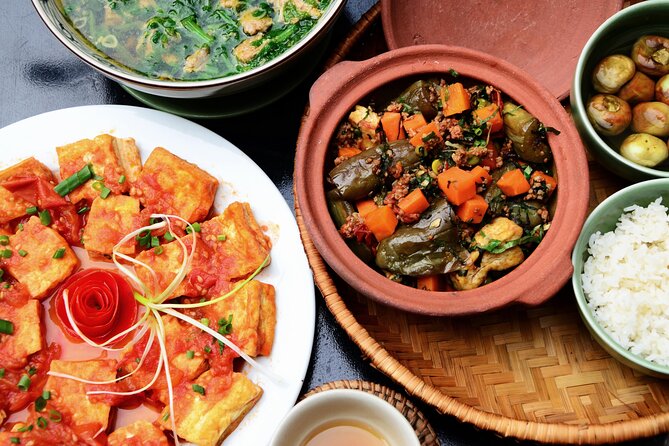
The duration is about 4 hours, and that’s a smart length for a food experience. It’s long enough to teach, shop, cook, and eat. It’s short enough that you can still plan the rest of your day without building your schedule around one activity.
Pickup is offered, and at least some sessions are described with door-to-door car service. That’s a practical win in Hanoi, where traffic can be a hassle when you’re trying to be on time for a class. If you prefer to spend your energy on the market and cooking, pickup helps you do that.
The tour is also described as near public transportation, which is helpful if you want flexibility. In a city like Hanoi, having more than one option for getting to a meeting point reduces stress.
One more thing to keep in mind: this experience requires good weather. So if you’re traveling in a season when rain is common, keep your expectations flexible. If weather cancels the plan, you should be offered a different date or a full refund.
Price ($55) and Value: What You’re Paying For
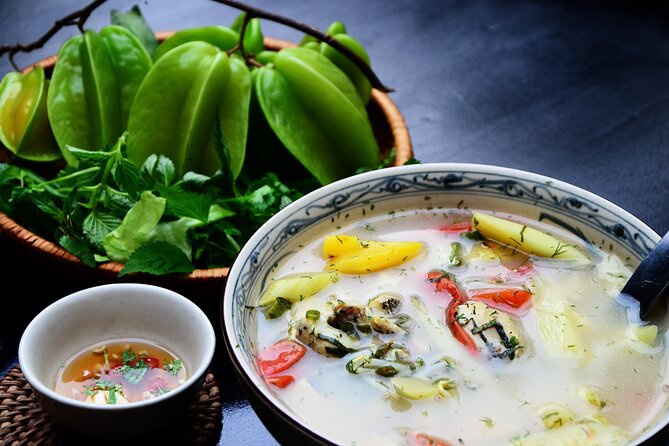
At $55 per person for a 4-hour, private group cooking class with a market visit, you’re not just paying for food. You’re paying for a guided learning experience with cultural context and a full meal.
Here’s how I’d break down the value:
- Market visit included: That’s time, guidance, and ingredient education.
- Hands-on instruction: You’re not only watching; you’re cooking.
- Meal included at the end: You’re eating what you make, in a comfortable setting.
- Private group format: Only your group participates, which usually means less waiting and more attention.
Compared to demo-only options that cut corners to lower cost, this one aims to justify the price by giving you the full arc: ingredients → technique → meal. Reviews support that difference by highlighting inclusive cooking and dining, plus clear instruction.
If you love food but don’t love crowds, the private setup is often worth it. You can ask questions without feeling rushed, and you’re more likely to get personalized help with technique.
If you’re traveling on a strict budget and only want a quick snack, you might find this a pricier choice. But for the mix of market + cooking + dining + cultural explanation, the price looks fair.
Who This Hanoi Market-and-Cooking Class Is Best For
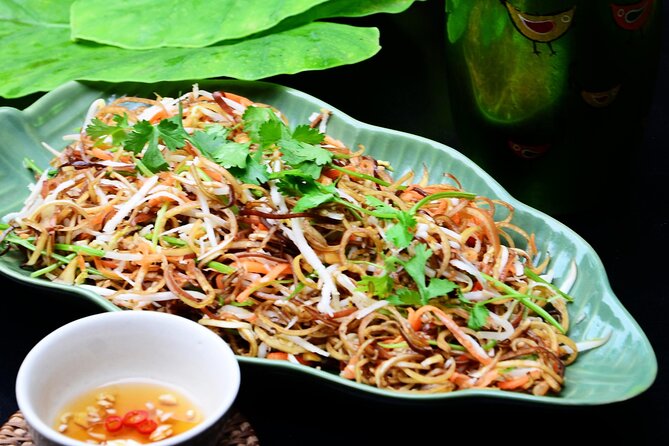
This experience is described as something most travelers can participate in. That’s a good sign if you’re not a confident cook. Hands-on classes often feel intimidating, but with clear instruction and a friendly host, they usually become enjoyable quickly.
This class is especially good for you if:
- You want a Hanoi cooking class with market visit rather than a classroom-only session
- You like street food and want to learn technique behind bun cha, nem, and similar dishes
- You enjoy talking with a host who connects food to daily life and history
- You prefer a private tour where the experience fits your group rhythm
It may be less ideal if you want a long, free-form market wander where you can browse slowly for hours. Since the market portion can feel short, treat it as a guided shopping education, then let the cooking and meal be the real payoff.
Should You Book It?
If you’re trying to choose between a plain cooking demo and a real Hanoi food day, I think this one is the better bet. The combination of market shopping, hands-on cooking, and a garden-house meal creates a complete loop that feels like you actually learned something and then used it.
Book it if you care about street-food culture and you want the why, not just the recipe steps. Skip it or pair it with extra time elsewhere if your priority is long market strolling or you don’t want any instruction—because this is built around doing, learning, and eating as a group.
FAQ
Is pickup offered?
Yes, pickup is offered, and door-to-door car service is mentioned in reviews.
How long is the cooking class?
It’s about 4 hours.
Is this a private tour?
Yes. Only your group will participate.
What will I cook?
You’ll learn Hanoian street-food cooking, and dishes mentioned include bun cha, nem, and summer roll-style cooking (pho/summer roll is also referenced).
Is confirmation provided when I book?
Yes. Confirmation will be received at the time of booking.
What happens if the weather is bad?
This experience requires good weather. If it’s canceled due to poor weather, you’ll be offered a different date or a full refund.
What if the minimum number of travelers isn’t met?
If it’s canceled because the minimum isn’t met, you’ll be offered a different date or a full refund.