REVIEW · TANGIER
Tangier Private Cooking Class With a Local Family
Book on Viator →Operated by NORTH TOURS TANGIER · Bookable on Viator
Tangier smells like dinner when you step inside a local home. This private cooking class in the old city pairs a guided medina market stop with hands-on cooking led by local chefs and family hosts. You may meet guides like Anwar, and in some sessions, cooking is taught by professionals such as chef Hannae, who has worked in a 5-star hotel in Tangier.
What I like most is that you’re not just watching recipes. You’re shopping for real ingredients in the medina, then turning those picks into food you eat right away. Second, it feels like a true family meal: guests are welcomed like neighbors, and the focus stays on the food, not on a scripted performance.
One possible drawback: it can feel more like joining a family dinner than a strict technique-heavy cooking course. If you want a very formal class where you do every single step yourself, you’ll want to set expectations ahead of time and ask what hands-on parts you’ll each do.
In This Review
- Key Things You’ll Notice in Tangier’s Family Kitchen
- Old Tangier Home Cooking: Why This Class Feels Different
- The 4-Hour Flow: Market, Cooking, and Dinner at the Same Table
- The Medina Market Stop: Where You Learn to Taste Before You Cook
- What You’ll Cook: Tagines, Pastila, Kebabs, and Sweet Finishes
- Meet the People: Family Hosts, Guides Like Anwar, and Chef Hannae
- The Dinner Table Moment: The Real Payoff
- Price and Value: Is $76.77 Worth It?
- Pickup, Location, and Getting There Without Stress
- Who This Experience Suits Best
- Should You Book This Tangier Family Cooking Class?
- FAQ
- How long is the Tangier private cooking class?
- Is this tour private?
- Do you get pickup?
- What happens during the class?
- How much does it cost?
- Can I bring a service animal?
- What is the cancellation policy?
- How far in advance should I book?
Key Things You’ll Notice in Tangier’s Family Kitchen
- A medina market stop with your chef: you choose ingredients before cooking, so the meal feels connected to the place
- Family-led meals (not a staged show): the home is the main event, and hospitality drives the experience
- Expect tagines and classic Moroccan dishes: tajine-style cooking shows up often, along with salads, kebabs, soups, or pastila depending on the session
- A real group vibe in a private setting: it’s only your group, so questions and pacing are easier
- Pickup and a mobile ticket: practical touches that make a 4-hour plan feel less stressful
Old Tangier Home Cooking: Why This Class Feels Different
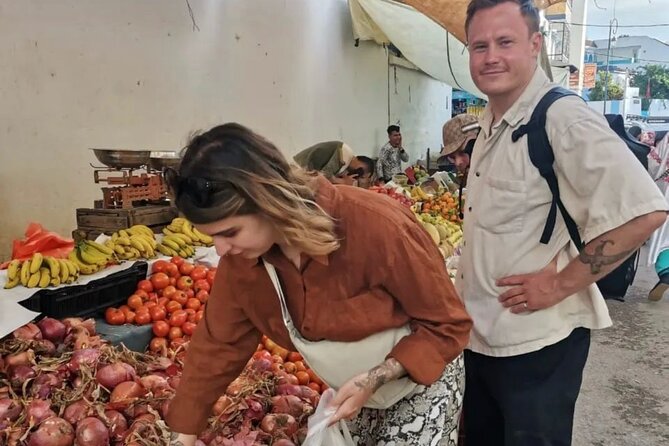
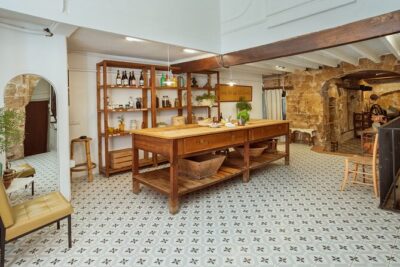
There’s a big difference between a cooking class and cooking in a home kitchen. This one is built around the daily rhythm of Tangier. You step into the old city, you meet the people doing the cooking, and you learn by working alongside them and asking questions as you go.
That family setting is the main value. In the best moments, you’re learning why certain spices show up again and again, how ingredients are treated differently for tagines versus other dishes, and what makes Moroccan comfort food taste like Morocco.
You’ll also appreciate that this is a private tour. That means fewer awkward moments, more time for your questions, and a pace that doesn’t get rushed to fit other groups.
You can also read our reviews of more tours and experiences in Tangier.
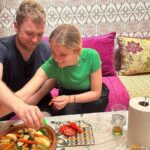

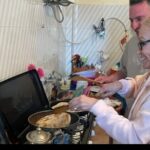
The 4-Hour Flow: Market, Cooking, and Dinner at the Same Table
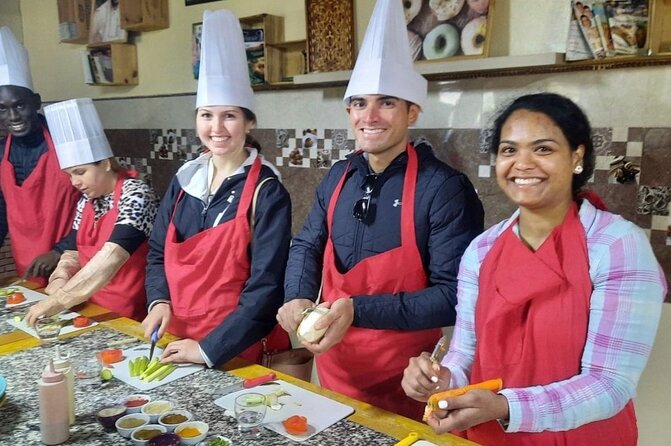
This experience runs about 4 hours. While the exact dishes can vary, the structure stays consistent: start with a medina market visit, then move to the family home for cooking and eating.
Here’s how the timing usually works in a hands-on setup like this:
1) You meet your guide/chef and head into the medina area.
2) You pick ingredients with the guidance of your host.
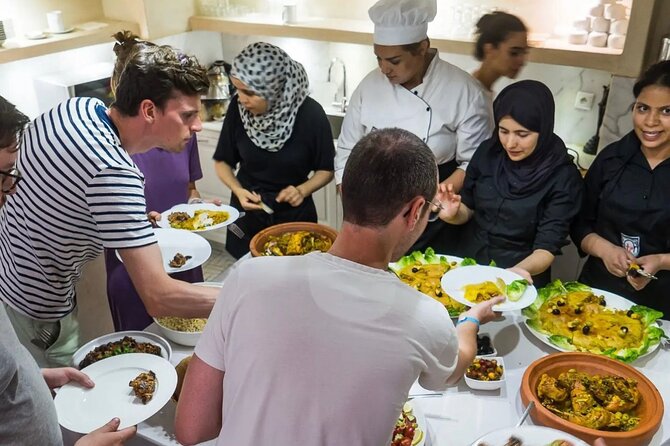
3) Back at the home, you cook together as the family directs key steps.
4) You eat what you helped make, often with mint tea and sweets.
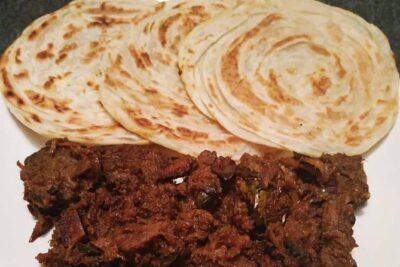
In past sessions, people have reported making dishes like Moroccan salad, chicken and olive tagine, kebabs, tajine varieties, traditional soup, and pastila. Sweets and mint tea also come up often—basically, the meal ends the way Moroccan meals often do: with something sweet and warm.
The Medina Market Stop: Where You Learn to Taste Before You Cook
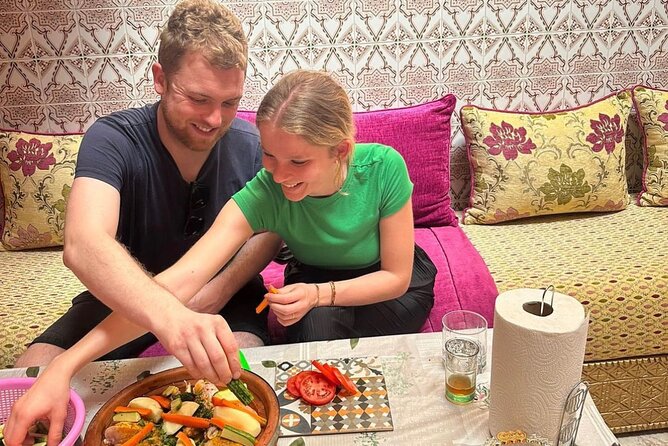
The medina market is more than a photo moment. It’s where the lesson begins: spices, produce, and specialty ingredients have names you’ll hear again later in the kitchen.
In practice, this stop gives you two useful things:
- You see and smell the ingredients before they become food. That helps you understand what to look for the next time you cook at home.
- You learn what matters for flavor balance, like which spices are used for warmth, which ingredients add freshness, and why some items are chosen at specific moments.
Your chef accompanies you, and you handpick fresh items. Even if you don’t become a spice expert in one day, you’ll come away with clearer instincts: what you should buy, what you can substitute, and what you shouldn’t skip.
One consideration: the market time is part of a short 4-hour plan, so it’s not a marathon shopping trip. If you’re someone who expects to browse for an hour-plus like you’re shopping for souvenirs, you may need to adjust expectations. The experience is designed for cooking inputs, not for free-form wandering.
What You’ll Cook: Tagines, Pastila, Kebabs, and Sweet Finishes
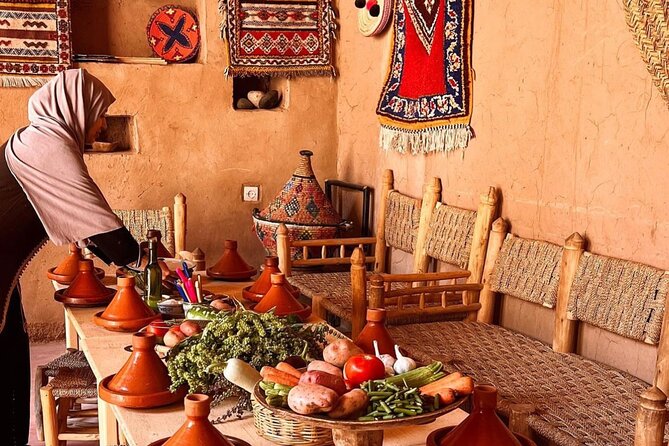
Moroccan cooking has a few signatures, and this class leans into them. Tagine-style dishes are a frequent centerpiece. Based on prior experiences, you might work on things like:
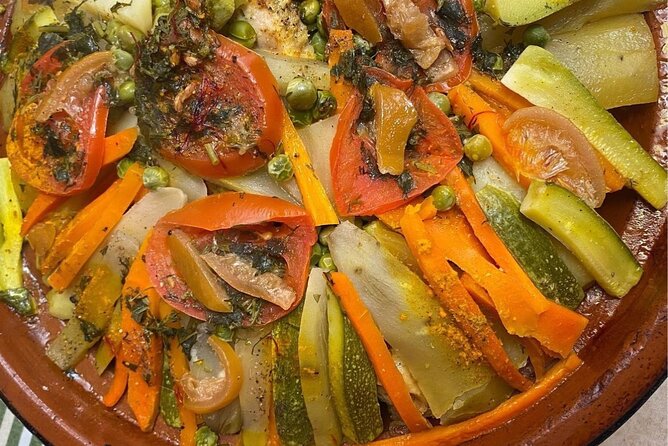
- a chicken tajine (often with olives and herbs, depending on the session)
- Moroccan salad or a starter-style dish
- kebabs
- a traditional soup
- pastila (a savory-sweet pastry-style dish)
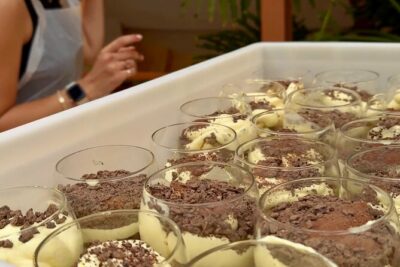
- sweets and breakfast-style treats, plus mint tea
Also, the hands-on level can vary. Sometimes you’ll chop vegetables and help with assembly. Other times, the family may do the parts that require extra timing or technique, while you take on key steps like mixing, shaping, or guiding flavors.
That’s not automatically a problem. In a real home kitchen, the “secret” steps can’t always be fully handed off to a first-time cook. The best approach is to treat this like collaboration. Ask questions as you cook. Pay attention to how the mother or main cook guides heat, seasoning, and timing.
If you want maximum hands-on participation, ask your guide before you start cooking. You’re paying for an experience with your hands in the action, and it’s fair to confirm how much prep you’ll do.
Meet the People: Family Hosts, Guides Like Anwar, and Chef Hannae
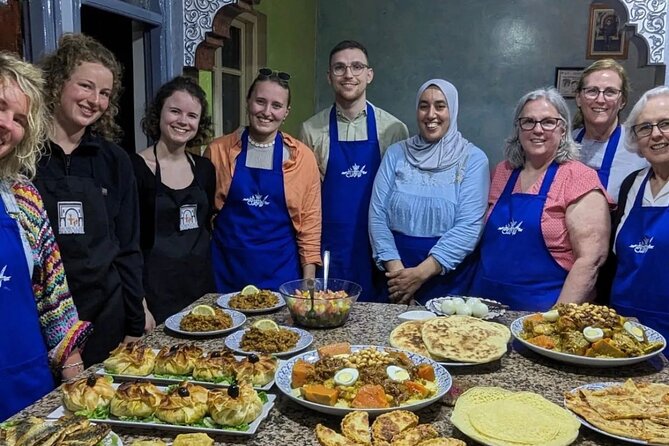
The strongest reviews share one theme: people feel welcomed. That shows up in small details—how the host explains things, how the meal unfolds, and how you’re treated as someone they’re feeding, not someone they’re performing for.
In reviews, the guide Anwar comes up as a friendly presence who helps connect you with the family. Other sessions mention chef Hannae, described as a professional chef at a 5-star hotel in Tangier, bringing strong cooking knowledge and clear instruction.
Here’s why that matters for you:
- A guide like Anwar can translate the practical side of Moroccan cooking—what to do, when to do it, and how to not overthink it.
- A chef like Hannae can add technique and structure, especially if you want to understand the why behind seasoning and steps.
You’ll likely spend most of your time with your host family and chef guide rather than a scripted interpreter. That’s where the authenticity comes from.
The Dinner Table Moment: The Real Payoff
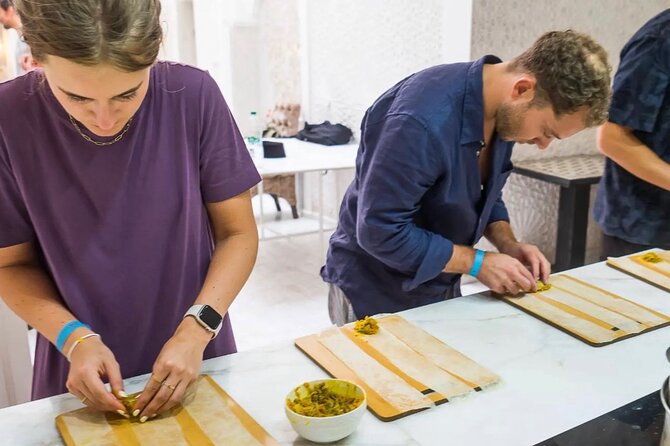
The last part is not just eating. It’s the reward for the work you did earlier.
When everything lands on the table—tagine, sides, possibly pastila or soup—it clicks. You understand what the ingredients you picked actually do. You taste the seasoning choices your chef guided you toward. And you get the chance to ask follow-up questions while the meal is still fresh.
Many experiences like this also include sweets and mint tea. That matters more than it sounds. Moroccan tea and desserts are part of the way the meal is concluded, and it turns the class into a full cultural visit, not just cooking practice.
Price and Value: Is $76.77 Worth It?
At $76.77 per person, the price is in the mid-range for a 4-hour private cultural activity that includes pickup and a market stop. The value depends on what you want.
It’s a good value if you want:
- A private experience (only your group participates)
- a market ingredient lesson, not just a kitchen-only class
- a home-cooked dinner experience led by a local family
- a realistic taste of Moroccan dishes like tagines, pastila, and sweets
It’s less of a slam dunk if your main goal is technique training in a classroom setting. Some past feedback hints that the experience can lean more toward joining a family dinner than doing a fully structured cooking curriculum.
Here’s my practical take: if you’re the type who likes food stories and wants to learn by doing, this price makes sense. If you want a rigid step-by-step training course where you control every action, you’ll need to ask questions upfront so the experience matches your expectations.
Pickup, Location, and Getting There Without Stress
Pickup is offered, which is a big help in Tangier. The activity takes place in the old city area, where walking and navigating can be easier with local help.
The tour is near public transportation, so even if you don’t use pickup, you should have options. And since this is a private experience, your timing and coordination should be smoother than shared tours.
You’ll also receive a mobile ticket, which keeps things simple on arrival.
One note to plan around: Tangier’s old city is walk-and-stairs territory in many spots. Wear comfortable shoes. Keep your schedule light around this evening plan, since you’ll be focused on cooking and eating afterward.
Who This Experience Suits Best
This is a strong fit for you if:
- you want an authentic home-cooking experience rather than a restaurant demo
- you enjoy markets and ingredient shopping
- you like asking questions while you cook
- you’re traveling as a pair or small group and want privacy
It also works well for families and mixed ages when the hosts can accommodate pace and involvement. In past experiences, people have shared meals with children and felt welcomed in the home setting.
If you’re a “chef mode” person who wants advanced cooking instruction and lots of hands-on technique, you might still enjoy it—but be clear about how hands-on the class portion is meant to be for you.
Should You Book This Tangier Family Cooking Class?
Book it if you want Tangier through food and family life. The biggest strength is the way the experience links three parts that most food tours treat separately: the market, the kitchen, and the dinner table. You get to choose ingredients, cook classic dishes, and then sit down in the same atmosphere where the meal is made.
Skip or rethink if you want a formal cooking school format. This experience is family-led, and that sometimes means the host does key steps to keep things moving and tasting right.
If you do book, a smart move is to ask your guide before you meet the family: which dishes are on the plan for your date, and how much of the prep will you personally do. That one question helps you get the kind of hands-on learning you’re paying for.
FAQ
How long is the Tangier private cooking class?
It lasts about 4 hours.
Is this tour private?
Yes. It’s a private tour/activity, and only your group participates.
Do you get pickup?
Pickup is offered.
What happens during the class?
You join a local family cooking experience in Tangier’s old city area. You’ll also visit a local market in the medina with your chef to pick fresh ingredients, then cook and share the meal.
How much does it cost?
The price is $76.77 per person.
Can I bring a service animal?
Yes. Service animals are allowed.
What is the cancellation policy?
You can cancel for free up to 24 hours in advance for a full refund. If you cancel less than 24 hours before the start time, the amount paid is not refunded.
How far in advance should I book?
On average, this is booked 20 days in advance.