REVIEW · POMPEII
Pompeii: guided tour of the ruins and cooking class fresh pasta
Book on Viator →Operated by Giardini Balestrieri · Bookable on Viator
Pompeii hits differently with food after. This private day pairs a guided walk through Pompeii with a hands-on cooking class in the Pompeian countryside.
What I like most is the mix: you get a real archaeologist-style guided route through the big sights (theaters, temples, baths, and more), and then you step into a home-garden setting to cook using produce you pick yourself.
The one thing to watch is timing: Pompeii’s ticket is separate and entry is typically limited to that visit window, so if you want extra wandering time, you’ll need to build it in.
In This Review
- Key Highlights You’ll Actually Care About
- A Private Day at Pompeii With Pasta After
- Entering Pompeii the Right Way: The Guided Route That Saves Time
- The Most Useful Stops in Pompeii (and What They Mean)
- Forum, Temples, and the Basilica: Big Symbols, Clear Explanations
- Pompeii Reality Check: Pace, Tickets, and One-Entry Limits
- The Countryside Reset: Garden Time With Vesuvius Views
- Cooking Class at Giardini Balestrieri: From Garden Produce to Fresh Pasta
- What You’ll Eat: Lunch, Dessert, and the Local Wine Pairing
- The People Make It Work: Guides and Hosts You’ll Want to Meet
- Price and Value: What You’re Paying For (and What You Still Need to Budget)
- Who This Tour Fits Best (and Who Might Want a Different Plan)
- Final Call: Should You Book This Pompeii + Fresh Pasta Day?
- FAQ
- How long is the Pompeii guided ruins tour and fresh pasta cooking class?
- What’s the price, and what extra cost should I expect?
- Does the tour include drinks and dessert?
- Is the tour offered in English?
- How many people are in the group?
- Can I cancel for free?
Key Highlights You’ll Actually Care About
- Small private group (max 10) for questions, pace, and less bottlenecking at the ruins
- A guided Pompeii route that hits the theaters, Via dell’Abbondanza, baths, forum, and key temples
- A garden-to-plate lunch with produce picked on site and a hands-on pasta lesson
- Gragnano DOC wine pairing included with lunch, plus soda/water and dessert
- Top-notch variety in guides and hosts across departures, including Clelia, Lucy, Carla, Sabrina, Rosalba, and Lello
A Private Day at Pompeii With Pasta After
Pompeii’s ruins are already dramatic, but this format makes the day feel complete. You’re not just “seeing old stones.” You’re learning what you’re looking at, then eating like Campania—fresh pasta, garden ingredients, and local wine—when the history is still fresh in your head.
I like that the tour keeps your group moving in a smart way. A guide (sometimes archaeologist-style) walks you through the highlights without leaving you to guess what’s important.
And I like the private-group pace. With a max of 10, questions don’t get lost, and the day can flex if someone needs a slower moment.
Only consider one thing: the ruins entry ticket costs extra. If you want lots of independent time at Pompeii, the schedule and ticket rules can limit how much you can do after the guided portion.
You can also read our reviews of more tours and experiences in Pompeii.
Entering Pompeii the Right Way: The Guided Route That Saves Time
Pompeii can feel like a maze when you’re on your own. This tour starts by getting you oriented and moving through the site in a deliberate order, which matters because Pompeii is huge and the “best bits” are scattered.
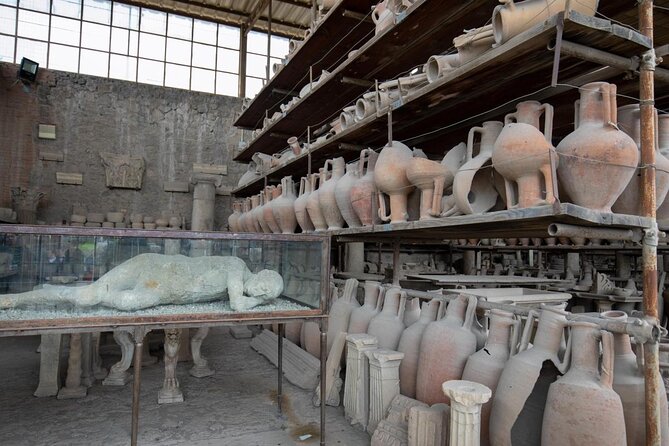
The first stop is the Archaeological Park of Pompeii with a guide who explains what you’re seeing as you go. Your route includes the theaters, important houses with frescoes and decorations, and Via dell’Abbondanza with its shops and workshops.
This is also where you’ll get the “why” behind what you notice. Instead of only recognizing famous ruins, you understand what those places were for—public life, religion, work, and leisure.
The Most Useful Stops in Pompeii (and What They Mean)
Here’s what you can expect to see during the ruins walk, and why it’s worth paying attention.
You’ll visit the theaters, which help you connect Pompeii to entertainment and community events. Even if you’ve seen Roman theaters elsewhere, Pompeii’s layout gives you a different sense of everyday life.
You’ll also spend time in houses with frescoes and decorations—places that bring you closer to the people who lived there. Frescoes are easier to appreciate when someone points out what’s intact and what to look for in the details.
Next comes Via dell’Abbondanza, the street that reads like a snapshot of commerce. Seeing shops and workshops along this main spine makes Pompeii feel less like a museum and more like a functioning town.
And yes, you’ll get to the thermal baths. The baths are often a highlight because they show how Romans built routines around relaxation, hygiene, and socializing.
Forum, Temples, and the Basilica: Big Symbols, Clear Explanations
The tour continues through major public landmarks that shape the story of Pompeii. You’ll pass the forum area with its monuments and also visit the temple of Apollo and the temple of Jupiter.
Those stops matter because they connect Pompeii to religion and civic identity. When you know the role of these spaces, you stop seeing them as isolated ruins and start seeing how people organized their world.
You’ll also see the Basilica, which gives context for administration and daily public activity. It’s one of those structures that’s hard to fully appreciate without a guide explaining the function.
And the route includes the brothel area, often referred to as the house of pleasure. It’s part of how Pompeii documents everyday life—even the parts modern visitors might not expect to see—so a guide’s framing can help you keep perspective.
Pompeii Reality Check: Pace, Tickets, and One-Entry Limits
This ruins portion is about 2 hours, but don’t treat that as a guarantee. Your pace can change based on group needs and walking speed.
Also, plan your ticket strategy. The Pompeii entrance ticket is not included and costs €20 per person. In addition, the Pompeii ruins ticket is typically valid for one entry, so you can’t rely on popping back in later without buying another ticket.
If you love wandering and want extra time to browse independently, this matters. Consider arriving earlier on your own, or ask how much flexibility there is before the schedule locks into the next section of the day.
The tour ends back at the meeting point after both activities, so you’re not left figuring out logistics on your own.
The Countryside Reset: Garden Time With Vesuvius Views
After Pompeii, you get a change of scene. The second part takes you to a garden in the Pompeian countryside with views of Vesuvius and the Lattari Mountains.
This break is more than scenic. It’s what makes the day feel like a whole experience rather than two unrelated activities. You’ve been walking through the past; now you’re stepping into the present landscape that still grows citrus and olives.
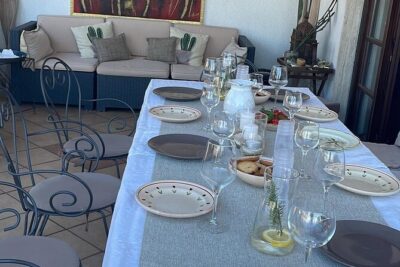
The garden setting is also practical. You cook in a calmer environment than you’ll find inside the ruins, and you get a real sense of the ingredients your lunch comes from.
It’s typically about 3 hours for this part, with the cooking lesson and your meal together.
Cooking Class at Giardini Balestrieri: From Garden Produce to Fresh Pasta
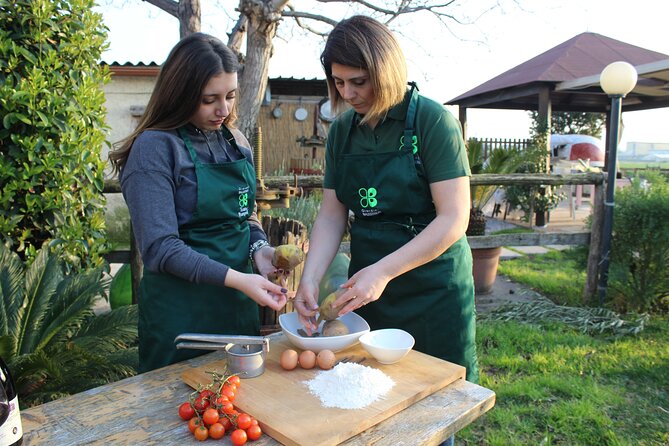
This is the part that turns the day from “tour” into “memory.” You’ll prepare lunch and learn how to cook a typical dish from the Campania tradition, using produce picked from the garden.
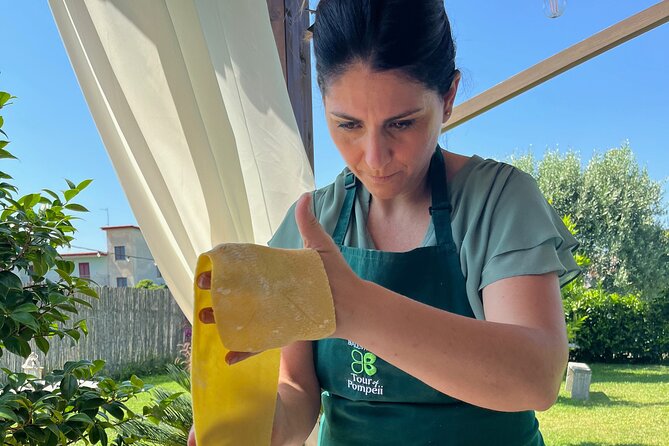
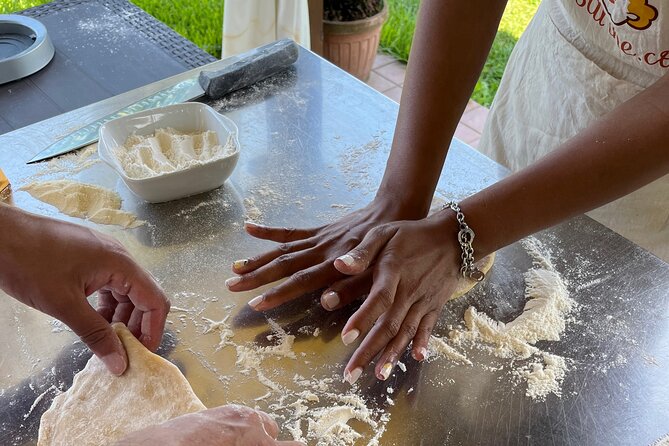
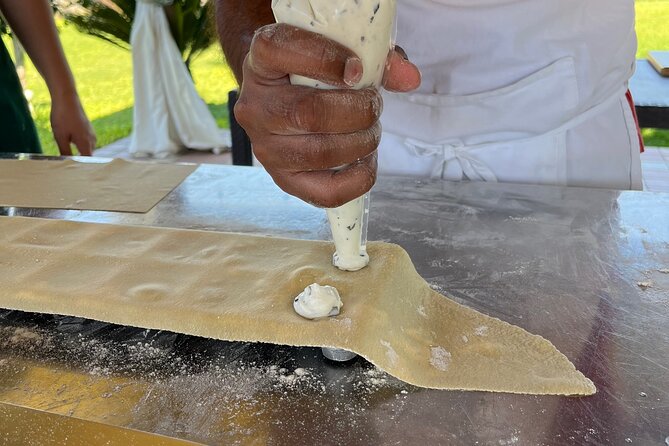
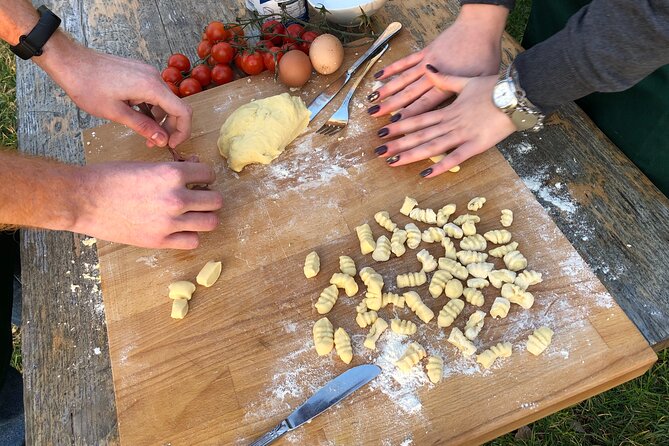
You’re not just watching. You’re making pasta or pasta-style dishes, and you’ll work through steps with guidance. The tools are provided, and you get instruction on dough and shaping techniques.
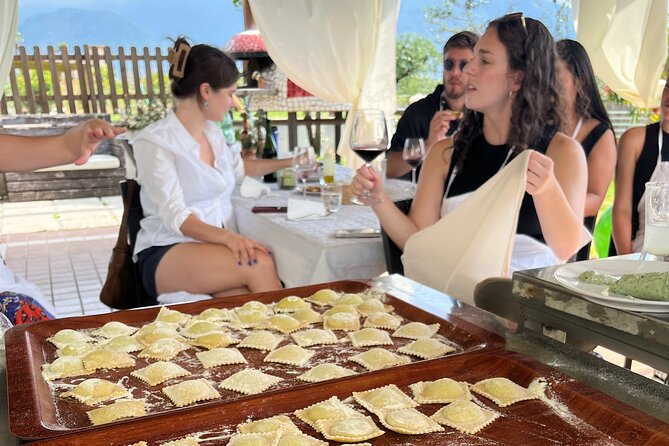
Depending on the day and the host’s menu, you might make ravioli (one common class format) or gnocchi. The important part is that it’s hands-on and you leave with a stronger sense of how Italian home cooking works.
You’ll also see how the garden flavors translate into the final plate. The herbs, citrus notes, and vegetables don’t read as “garnish.” They’re part of the structure of the meal.
What You’ll Eat: Lunch, Dessert, and the Local Wine Pairing
Lunch is included, along with dessert. You also get soda/ still and sparkling water included so you’re not stuck buying drinks after a long walk.
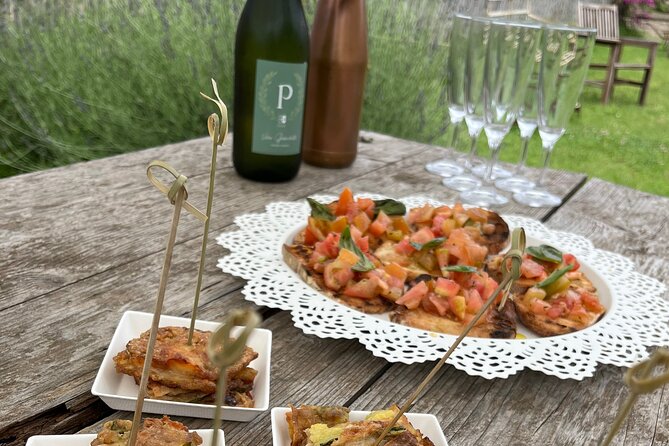
Alcohol is included in a controlled way: 1 glass of Gragnano DOC wine. That’s a nice match for the cooking portion because it keeps the focus on the food and conversation, not on getting carried away.
Dessert can vary by class, but you should expect a classic Italian finish. In past sessions, you might hear about a lemon cake made during the activity, and you may also encounter other regional desserts like tiramisu depending on what’s on the day’s menu.
If your group includes different tastes, this meal setup helps. Everyone eats the same family-style experience, but the ingredients and flavors are fresh and local, not something that feels generic or mass-produced.
The People Make It Work: Guides and Hosts You’ll Want to Meet
The experience really shines because it’s guided by real people who explain things in plain language.
On some departures, Pompeii guide Clelia is the one leading the ruins. In other groups you might have guides such as Lucy or Carla, with a knowledgeable explanation style and plenty of room for questions.
Then there’s the cooking side, where hosts like Sabrina and Rosalba lead the kitchen portion. Several groups highlight Sabrina’s role in walking you through the garden and teaching the techniques step-by-step.
On family-style farm experiences, an English-speaking helper such as Pasquale may join to make communication easier. And if you’re lucky with the timing of the day’s class, the pasta or sauce might be finished with help from other family members (for example, a mother cooking-focused role like Maria Rosaria has appeared in past groups).
A tip that comes from the way this day is structured: ask your host how much time you have for a little extra exploring after the ruins tour. One group ran into the schedule limit because Pompeii tickets are usually single-entry, but the family handled it as flexibly as the timetable allowed.
Price and Value: What You’re Paying For (and What You Still Need to Budget)
At $300.40 per person, this isn’t a budget add-on. You’re paying for three value drivers:
First, you’re paying for a private group structure with a small max of 10. That usually means less waiting around and more back-and-forth than a large-coach format.
Second, you’re paying for transport and coordination. The tour includes private transportation, which matters at Pompeii and between ruins and countryside farms. You’re not left sorting buses with a suitcase of tired legs.
Third, you’re paying for the cooking experience itself: instruction, ingredients, lunch, and one glass of wine, plus dessert and water. A pasta class can be expensive in its own right, and the garden-to-plate element makes it feel like more than a demo.
What you still need to budget: the Pompeii entrance ticket (€20 per person). Without that, you can’t access the ruins portion.
In plain terms: this price makes sense if you want both culture and food time, and you care about a day that feels personal rather than rushed.
Who This Tour Fits Best (and Who Might Want a Different Plan)
This is a great fit if:
- You want a guided Pompeii walk with explanations tied to what you’re seeing.
- You love food and want to do more than eat—this is a hands-on class.
- You’re traveling in a group that benefits from private pacing rather than being swallowed by a crowd.
It’s also a smart choice for couples or small families because the max group size stays intimate.
Consider a different approach if:
- You’re the type who wants to spend hours wandering on your own inside Pompeii. The day has a defined flow, and the ticket is typically single-entry.
- You only care about seeing monuments fast and don’t want a longer meal portion. The cooking class is a core part of the value.
If you’re staying near Pompeii, the meeting point works well—Scavi di Pompei, Viale delle Ginestre—and it’s described as near public transportation.
Final Call: Should You Book This Pompeii + Fresh Pasta Day?
If you want a Pompeii day that feels rounded—ruins with context, then a calm garden lunch where you cook and eat—this is an easy yes. I particularly like that it’s not just a “taste and leave” food stop. You actually learn technique and use garden ingredients.
Before you book, do two quick things:
- Budget for the €20 Pompeii ticket on top of the tour price.
- Decide how much independent time you want inside Pompeii, because the day’s schedule and ticket rules can limit late add-on exploring.
If you’re aiming for an experience that connects archaeology to real Campanian cooking, you’ll likely enjoy this one a lot.
FAQ
How long is the Pompeii guided ruins tour and fresh pasta cooking class?
The full experience runs about 5 to 6 hours total.
What’s the price, and what extra cost should I expect?
The tour is $300.40 per person, and you’ll need to pay the Pompeii entrance ticket (€20 per person) separately.
Does the tour include drinks and dessert?
Yes. You’ll get still and sparkling water, dessert, and lunch that includes 1 glass of Gragnano DOC wine.
Is the tour offered in English?
Yes, this experience is offered in English.
How many people are in the group?
The tour has a maximum of 10 travelers, and it’s set up as a private group experience.
Can I cancel for free?
You can cancel for free up to 24 hours in advance for a full refund.
If you’d like, tell me your travel month and whether you’re going as a couple, family, or friends. I can help you plan the day’s timing around Pompeii crowds and your preferred pace.