REVIEW · SANTORINI
Miss Anna Santorini Cooking Class
Book on Viator →Operated by Miss Anna Greece · Bookable on Viator
Cooking with family energy in Santorini feels different. This 2.5-hour class pairs garden-fresh ingredients with hands-on Greek recipes at a real home table. You’ll join Miss Anna (a home cook with a big social following) and a capped group of just eight people for an intimate evening of food, stories, and learning.
I like that the meal is built for freshness, with the exact menu set the day before so you’re cooking what’s at its best. The main drawback is simple: finding the house in Monólithos can be tricky, because local navigation can be less straightforward than what you’re used to at home.
In This Review
- Key highlights you’ll care about
- A Santorini home-cooking class centered on Miss Anna
- Small-group size that actually changes the experience
- Before the cooking: wine, appetizers, and getting into Greek timing
- The full menu: what you’ll cook and why it works
- Starters: pita, tzatziki, and crispy fritters
- Main courses: Santorini tomato fritters, Greek salad, and the “ntako” moment
- Comfort food payoff: spanakopita and moussaka
- Dessert: halvas and loukoumades
- What’s included: drinks, recipes cards, and that certificate thing
- Price and value: $156.20 for 2.5 hours of real dinner
- Monólithos directions can be the only hassle
- Who should book this Santorini cooking class
- Should you book Miss Anna’s cooking class?
- FAQ
- FAQ
- What time does the Miss Anna Santorini Cooking Class start?
- How long is the cooking class?
- How many people are in the group?
- Is the class offered in English?
- What’s included in the price?
- What are the meeting point details?
- Are dietary restrictions handled?
Key highlights you’ll care about
- Max 8 guests keeps the class personal and lets you actually interact at the table
- Garden vegetables mean you’re not just learning recipes, you’re cooking with ingredients at peak flavor
- Wine and other drinks are included with your meal, plus coffee after dinner
- Menu decided the day before so the dishes match what’s freshest
- Recipes card + certificate give you something to take home, not just full bellies
A Santorini home-cooking class centered on Miss Anna
If you’re looking for a Santorini cooking class that feels like dinner with new friends (not a factory tour), Miss Anna’s setup fits the bill. The point isn’t just technique. It’s atmosphere: the way she talks about Greek food like it’s part of everyday life, and the way the evening starts like people are welcoming you over.
You come into her Greek home for a hosted meal day-style: appetizers and wine first, then a table rhythm where everyone gathers, works together, and cooks the courses. It’s also in English, which matters because Greek cooking can be ingredient-heavy and detail-heavy. When you understand what you’re doing, the food makes more sense at home.
One nice touch: the experience is explicitly guided by a professional cook & sommelier pairing your meal with drinks. Even if you’re not a wine expert, you still get that extra layer of explanation that turns dinner into learning.
You can also read our reviews of more tours and experiences in Santorini.

Small-group size that actually changes the experience
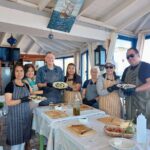
Santorini can be busy, and a lot of “small group” tours are still crowded. Here, the class caps at eight travelers, which makes a difference you can feel right away.
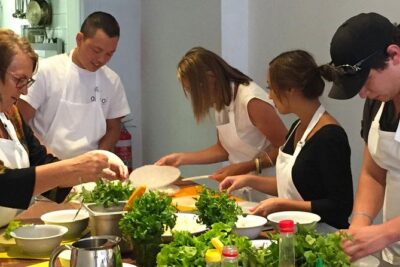
In a group this size, you’re not stuck watching from the edges. You’re in the cooking flow—getting hands-on with ingredients, asking questions, and learning why certain foods belong together. It also helps that the table is set for a full Greek dinner, not just one demo dish.
This class format is ideal if you want:
- A calmer pace than a typical tour bus schedule
- A more personal introduction to Greek food culture
- Time to ask about substitutions if you’re picky back home
Before the cooking: wine, appetizers, and getting into Greek timing
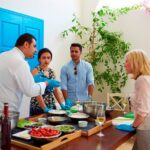
You start at 5:00 pm in Monólithos, Santorini and you’ll return there afterward. On arrival, you’re greeted with welcome appetizers and wine. It’s a very Greek way to begin—no stiff start time with rules like a classroom. Instead, it feels like you’ve been invited to help cook and eat like the locals do when friends and family gather.
From there, you settle around the table as the courses come together: appetizers, salad, main, and dessert. The order matters because Greek cooking is often built in layers—crunchy starters lead into herby, tangy dips; salads ground the richer mains; and sweets close the meal without turning it into a sugar overload.
A small detail with big payoff: the menu is decided the day before so the cook can use the freshest ingredients available. That means you’re learning recipes that are tied to season and sourcing, not a fixed script.
The full menu: what you’ll cook and why it works

The class runs through a full sequence of Greek favorites, including options that are very “Santorini” in spirit. The exact menu can shift based on freshness, but this sample lineup shows the style and range.
Starters: pita, tzatziki, and crispy fritters
You’ll see the meal start with bread and dip—easy starters that also teach a lot.
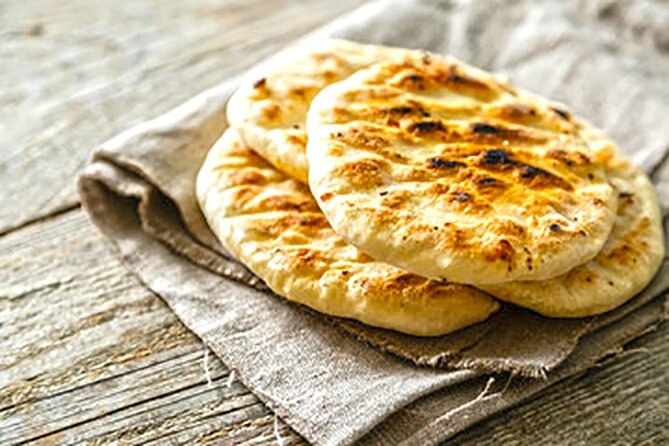
- Pita: likely used like a wrap base (not just a side). It sets you up for the rest of the table.
- Tzatziki: the famous yogurt-based Greek appetizer. You’ll get a feel for how garlic, herbs, and cucumbers balance so it doesn’t end up one-note sour.
- Kolokithokeftedes: zucchini fritters. These are a great cooking lesson because fritters teach texture control—getting the batter right and watching how they brown.
A practical advantage of these starters: they’re common enough that you can recreate them at home without needing rare ingredients.


Main courses: Santorini tomato fritters, Greek salad, and the “ntako” moment
The mid-meal section is where the flavor really widens.
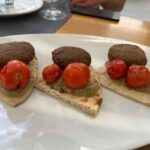
- Ntomatokeftedes: Santorini tomato fritters. Tomato fritters can sound simple, but the balance between sweetness, acidity, and savory seasoning is the real lesson.
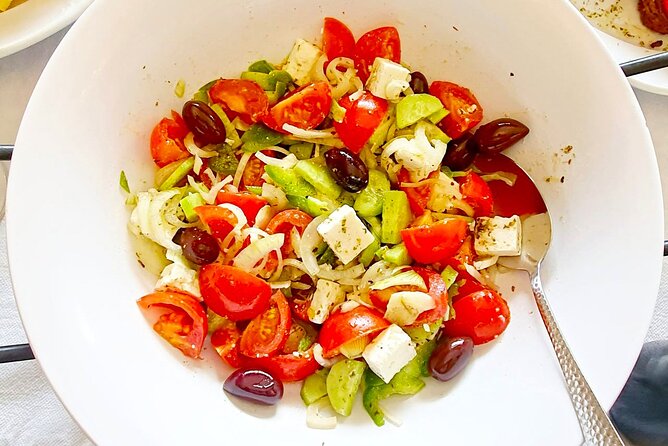
- Greek salad with a Santorini version: expect the classic combination of fresh produce, olive oil, and herbs, but with local touchpoints.
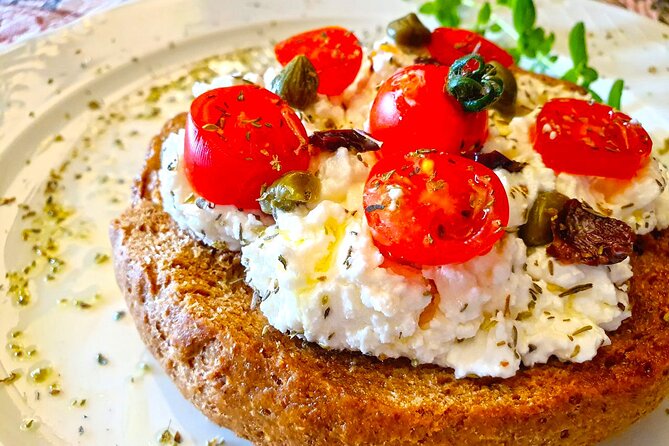
- Ntakos: whole wheat local rusk topped with feta, tomatoes, and virgin olive oil. This dish is a mini crash course in how Greek ingredients are meant to be eaten together—crunch + creamy + juicy + herbal oil flavor.
If you like dishes that feel both rustic and precise, this is the part of the class you’ll remember.
Comfort food payoff: spanakopita and moussaka
Then come the mains people travel for.
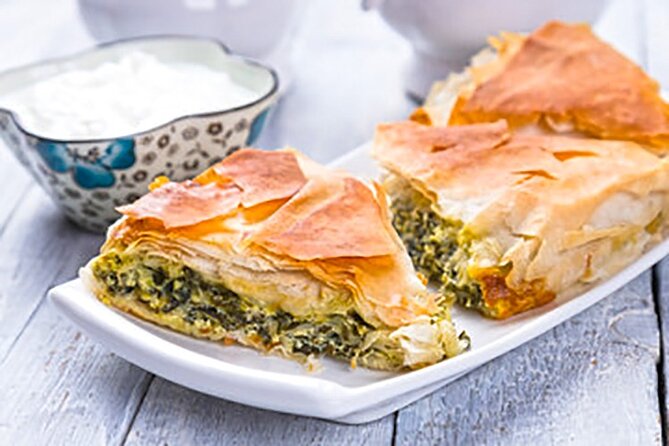
- Spanakopita: spinach pie. Even if you’ve had it before, learning it in a home setting is different because the goal is structure—how the filling stays flavorful without turning soggy.
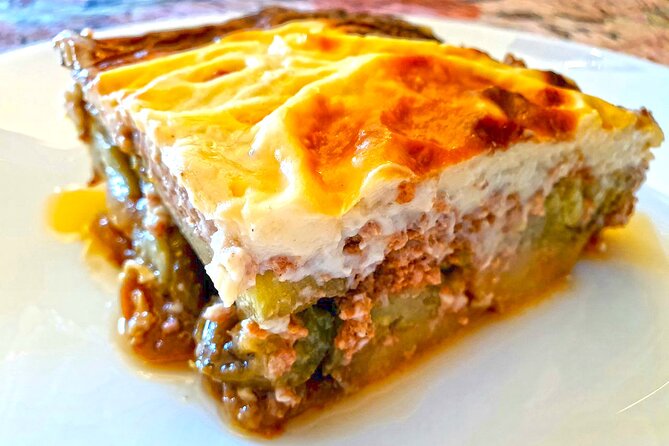
- Moussaka: the classic “who can resist moussaka” moment. It’s hearty and layered, which is exactly what you want after a starter-forward beginning.
These courses can be the best “learning for future meals” section. If you can recreate moussaka and spanakopita, you’ll feel like you learned a whole Greek cooking lane, not just a single recipe.
Dessert: halvas and loukoumades
You finish with sweets that match Greek comfort cooking.
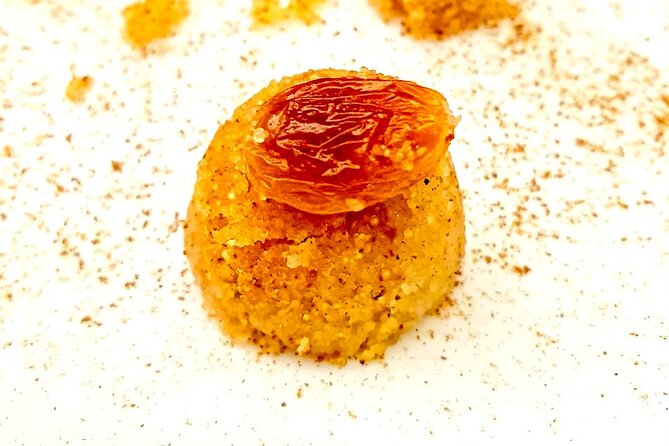
- Halvas: a semolina dessert. It’s warm, filling, and not overly light.
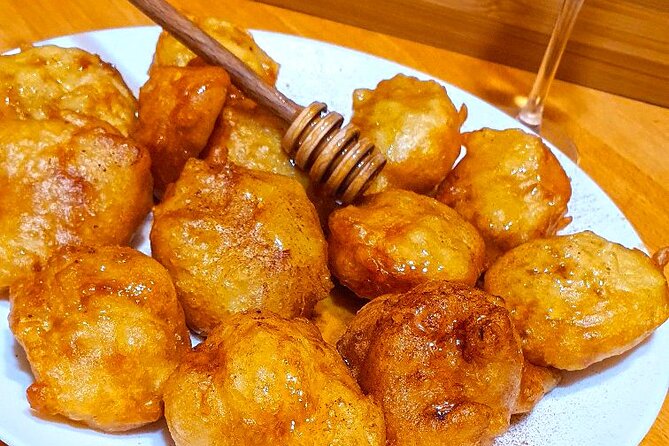
- Loukoumades: honey and cinnamon (or chocolate). Expect something crispy and syrupy, the kind of dessert that makes everyone slow down and chat.
This dessert pairing matters. Semolina plus honey-and-cinnamon fried goodness covers both “soft sweetness” and “crisp syrup” textures.
What’s included: drinks, recipes cards, and that certificate thing
This class includes more than just ingredients.
You’ll get:
- Welcome appetizers
- Your meal that you cook
- Fresh vegetables from the garden
- A recipes card (so you can recreate dishes later)
- Certificate of Attendance
- A glass of wine, plus mineral water, soft drinks, and coffee
I like that coffee is included, because it turns the end of the meal into a proper wrap-up—not a quick exit to catch your next thing.
Also, the presence of a sommelier matters practically. It means you’re not just drinking wine; you’re likely getting some guidance on what you’re pairing and why, which helps you choose better at Greek tavernas later.
Price and value: $156.20 for 2.5 hours of real dinner
At $156.20 per person, this isn’t a budget activity. But you’re also not paying for a single appetizer or a short tasting.
You’re paying for:
- A full multi-course dinner you help prepare
- Garden-grown vegetables and fresh ingredients
- Professional cook and sommelier support
- Drinks beyond water (wine plus soft drinks and coffee)
- A recipes card and a certificate, which are useful if you cook at home
So the value equation is pretty strong if you want an evening that doubles as both education and dinner. If you already plan to spend your evenings mostly eating out at tavernas, think of this class as a way to get that dining experience plus the knowledge to recreate it.
The best fit here is someone who wants to leave Santorini with a repeatable “Greek dinner night” at home, not just photos.
Monólithos directions can be the only hassle
The biggest friction point for this experience is finding the house in Monólithos. Santorini navigation can be annoying, because street naming and numbering aren’t always what you expect. A simple fix is smart: use Google Maps early and keep it running until you’re inside the right area.
If you’re arriving via taxi, build in extra time for the first attempt. Once you have the exact pickup spot sorted, everything else is smooth: the activity ends back at the meeting point, so you don’t need to plan a second ride.
This is also why I recommend treating it like a real appointment. Don’t aim to squeeze it between two tight tour times. Go, arrive early enough to settle in, and let the evening start on a relaxed note.
Who should book this Santorini cooking class
This experience is a great match if you:
- Want hands-on Greek cooking in a home setting
- Prefer smaller groups and a chatty table vibe
- Like learning through food you can actually cook later
- Want an activity that ends with a full meal, not just samples
It’s also a good choice for food lovers who aren’t chasing nightclub energy. This is calmer, slower, and more rooted in tradition.
If you have dietary restrictions, plan ahead. You’ll need to inform the organizers prior to booking, since menus and ingredient handling can be affected.
Should you book Miss Anna’s cooking class?
I think it’s worth booking if you want a Santorini experience that mixes fresh ingredients, a real home-table feel, and a full dinner you helped make. The capped group size gives you the kind of attention that makes a cooking class feel personal.
It might not be for you if you hate navigating tricky meeting points or you strongly prefer a super structured, classroom-style cooking format. In that case, do yourself a favor: arrive early, use navigation tools, and treat it like an evening at someone’s home, not an attraction you rush through.
FAQ
FAQ
What time does the Miss Anna Santorini Cooking Class start?
It starts at 5:00 pm.
How long is the cooking class?
It’s about 2 hours 30 minutes.
How many people are in the group?
There is a maximum of 8 travelers.
Is the class offered in English?
Yes, it’s offered in English.
What’s included in the price?
Welcome appetizers, the meal you cook, fresh vegetables from the garden, a recipes card, a certificate of attendance, and drinks including a glass of wine, mineral water, soft drinks, and coffee. Anything you need to attend is also included.
What are the meeting point details?
It starts in Μονόλιθος (Monólithos), Santorini 847 00, Greece, and ends back at the meeting point.
Are dietary restrictions handled?
You need to inform dietary restrictions prior to booking.