REVIEW · PORTO
Porto: Cooking Class with Local Market Visit
Book on GetYourGuide →Operated by Nuno Miguel Ferreira Silva · Bookable on GetYourGuide
Your dinner starts in the market. This 3.5-hour Porto cooking class turns a neighborhood ingredient run into a full Portuguese meal, led by Nuno Miguel Ferreira Silva. I especially love the market-basket approach—fresh choices you can actually explain—and the fact that you cook everything from scratch instead of reheating anything. The main catch: you meet at the host’s home and there’s no transportation included, so plan how you’ll get there (and note it’s not suitable for wheelchair users).
I also like the small-group feel, capped at 8 people. You get real conversation while you’re working, and the guide can tailor the pace and technique to the group. It’s taught in Portuguese and English, so you won’t feel stuck if your Portuguese is still in progress.
One more practical note: the class is strict about making food the old-school way. No frozen or pre-prepared ingredients, and you’ll be asked to share dietary restrictions up front so the menu can be adapted to most needs.
In This Review
- Key Points You’ll Appreciate
- Meeting at Nuno’s Home and Getting Oriented in Porto
- Market Route: Bakery, Street Butcher, and the Sardines Moment
- Organic Garden Stop: Seeing Ingredients Before They Hit the Pan
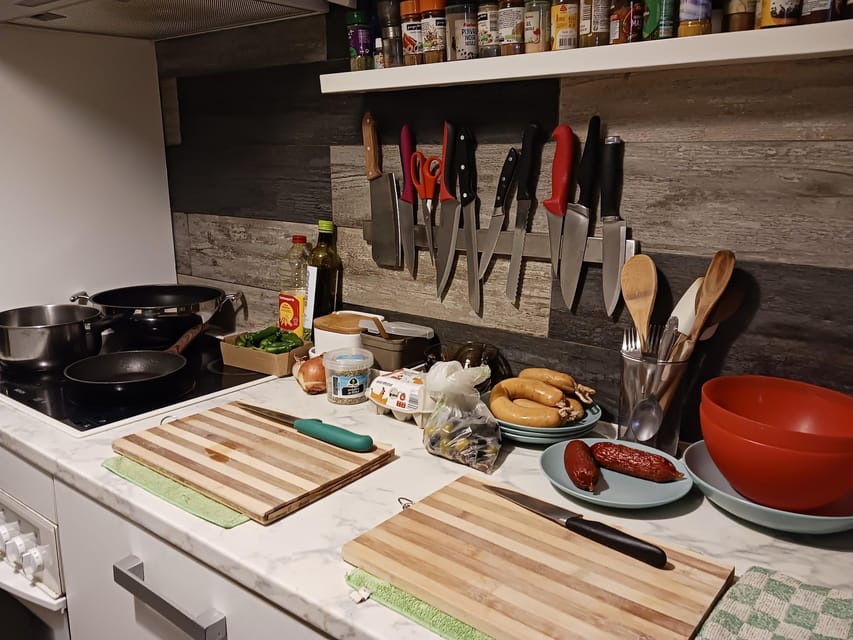
- Cooking From Scratch in a Home Kitchen: The Menu-Building Flow
- Portuguese Cuisine Origins: Asia, Africa, South America, and Alheira
- Wine Pairing, Port, Olive Oil, and Sitting Down Together
- Should You Book This Porto Cooking Class for Your Trip?
- FAQ
- FAQ
- How long is the Porto cooking class with market visit?
- What is the price per person?
- Is there a small-group limit?
- Where does the activity start?
- What’s included in the class?
- What’s not included?
- Can the menu adapt to dietary restrictions?
- Are ingredients pre-prepared or frozen?
- What languages are used during the lesson?
- Is this activity wheelchair accessible?
- Is cancellation free?
- Can I book now and pay later?
Key Points You’ll Appreciate
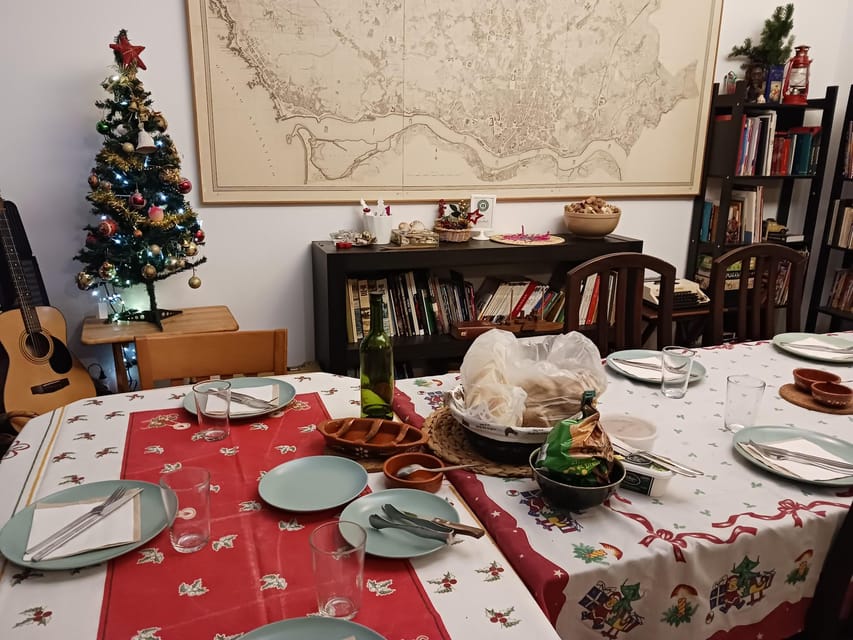
- Small group (up to 8) means more hands-on time and fewer awkward waits
- Meet at the host’s home for a local rhythm, not a restaurant script
- Market, bakery, or street butcher shopping for ingredients you can recognize
- Organic garden or local produce sourcing helps you understand seasonality
- Wine pairing plus tastings (including port and olive oil) that match what you’re cooking
- From-scratch cooking with a full menu flow, not a quick demo
Meeting at Nuno’s Home and Getting Oriented in Porto
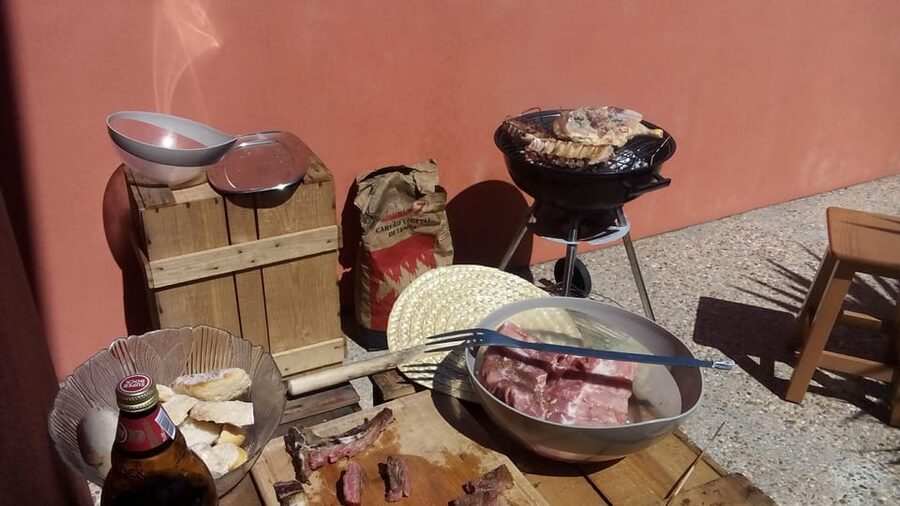
This experience starts at the host’s home, not a hotel lobby or a bus stop. That choice matters. You ease into the lesson with a relaxed, local pace, and you’re surrounded by the kind of day-to-day details that don’t show up on a brochure. Nuno, your guide, brings a mix of food knowledge and Portuguese culture, including a strong interest in architecture and Portuguese tiles.
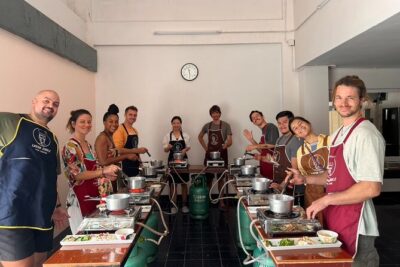
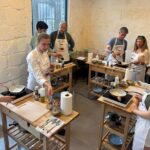
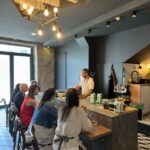
The group stays small (limited to 8), so you’re not stuck on the sidelines. You’ll be able to ask questions while you cook, and you’ll get feedback on technique as you go. The class runs for about 3.5 hours, which is enough time to shop, cook, and actually sit down for the meal you prepared.
Two more things to plan for up front:
- No transportation is included, so confirm your route to the meeting point before booking.
- It’s not suitable for wheelchair users, since it’s in a home setting and involves cooking and walking around.
If you’re traveling with pets, this one won’t work—pets aren’t allowed. On the plus side, the rule list is clear, so you’re not guessing how it will work.
You can also read our reviews of more tours and experiences in Porto.


Market Route: Bakery, Street Butcher, and the Sardines Moment
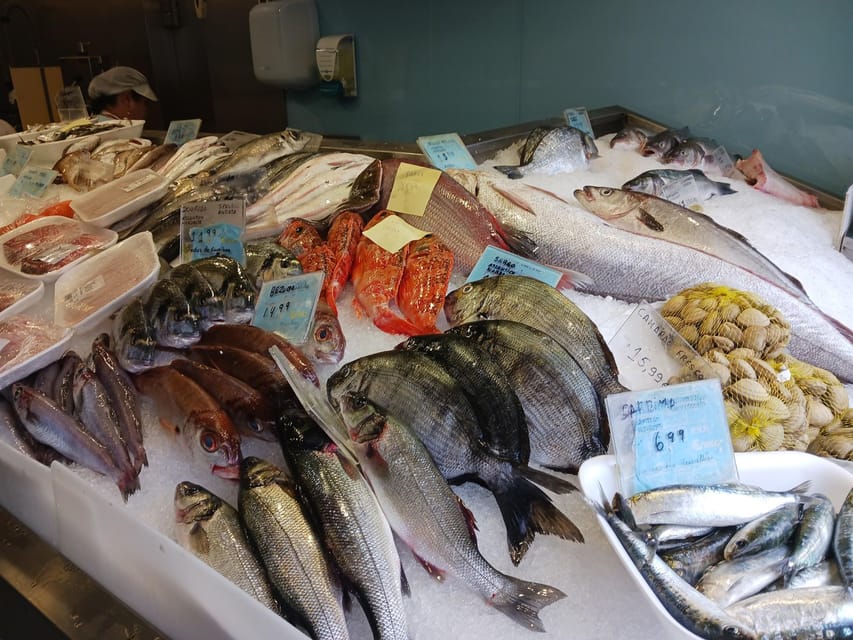
The class keeps momentum by moving you from stop to stop together: local grocery shops, a bakery, and potentially a street butcher. This isn’t just sightseeing. You’re there to buy what your meal needs, and Nuno guides you through how ingredients link to Portuguese traditions.
From what you can expect in the shopping part, the guide pays close attention to ingredient quality. One highlight mentioned is Nuno pointing out the best sardines. That kind of detail is exactly why a market visit is worth it. You leave knowing what to look for when you buy the same staples back home.
You’ll also see how “Portuguese cooking” isn’t one single style. It’s a set of choices shaped by local produce and pantry staples—things you can spot in small shops rather than big supermarkets. The class format helps you understand the logic behind the meal, not just the final dish.
A practical tip: wear comfortable shoes. Even though the time is tight, you’re out and about enough to count your steps. And since everything is made from scratch, you’ll be shopping with purpose, not just browsing for souvenirs.
Organic Garden Stop: Seeing Ingredients Before They Hit the Pan
In some cases, the itinerary includes an organic garden visit (or a produce-focused stop). Even when you’re not turning into a full-on farmer, this part changes how you cook. You start thinking in terms of season and freshness, not convenience.
It’s also a nice contrast to the market. Markets teach you what ingredients are used in the local kitchen. A garden stop teaches you where those ingredients come from and why “fresh” isn’t just marketing. You’ll get a better sense of how the meal comes together, because you’ve already seen the raw materials.
This garden-focused element also supports the core promise of the class: no frozen stuff, no pre-prepared shortcuts. If you’re the type of traveler who likes to understand why food tastes the way it does, this stop gives context you’ll carry into the cooking session.
If you’re sensitive to smells or spend time near raw produce, that’s worth noting. Otherwise, it’s a straightforward, low-stress add-on that makes the rest of the menu feel more grounded.
Cooking From Scratch in a Home Kitchen: The Menu-Building Flow
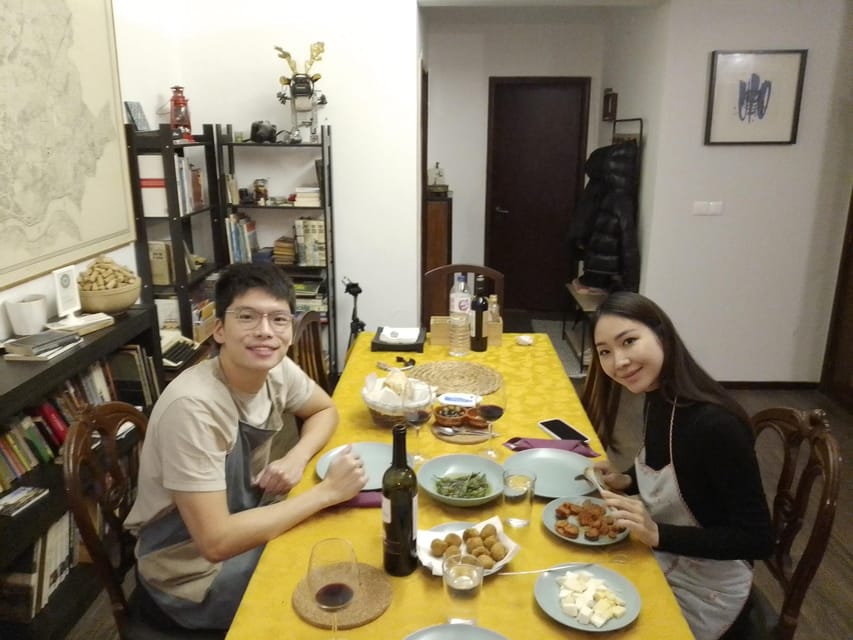
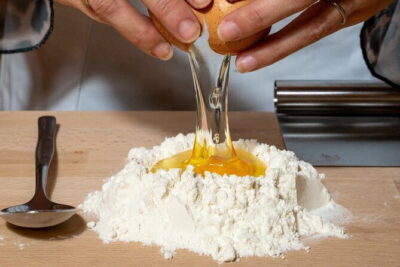
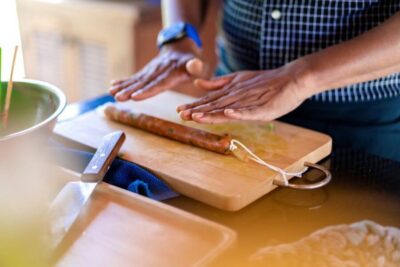
This is hands-on cooking. You’re not watching someone else do the work while you take photos.
The structure is built around a full menu: you’ll prepare multiple courses from scratch with guidance throughout. Reviews highlight that you can expect appetizers, a main course, and dessert, with Nuno teaching technique as you cook. One dessert mentioned is Pastel de Nata. Another menu detail includes a fish entrée (served as part of the class meal). If you’re curious about Portuguese food variety, this is the practical way to learn it—by actually making it.
What makes the 3.5 hours work is the pacing and planning. You’ll learn the recipes, but you’ll also learn how to sequence steps so everything finishes around the same time. That’s the real skill you can bring home, especially if you’ve ever tried to cook a dish and realized halfway through that you timed it like a disaster.
Dietary needs are taken seriously. The activity says adaptations to most diets are possible, and you’ll be asked to inform the instructor of restrictions in advance. One review specifically notes Nuno being gracious and working around serious food allergies. Still, don’t wait until you show up. Message your needs early so the shopping and menu choices can match your situation.
Also note the ingredient rules: no pre-prepared ingredients and no frozen products. That means you’ll be doing real prep work. If you want a hands-off class, this isn’t that kind of experience.
Portuguese Cuisine Origins: Asia, Africa, South America, and Alheira
As you cook, Nuno explains what’s behind the food. This is the part that makes the meal feel like more than just recipes. Portuguese cuisine is shaped by travel, trade, and settlement—so ingredients and techniques carry stories across oceans.
You’ll hear how Portuguese cooking reflects influences from Asia, former territories in Africa and South America, and even distinct ethnic traditions like Jewish alheira. That’s a lot of context for one short evening, but the way it’s delivered ties back to what’s on your cutting board and what’s simmering in your pot.
In plain terms: you start to understand why certain flavors and ingredients show up in Portuguese dishes. Instead of treating the meal as a list of steps, you learn how it connects to Portuguese identity and history—through food choices you can actually replicate.
This is also why the class feels different from a restaurant dinner. A restaurant serves the final outcome. Here, you learn the reasoning, the ingredients, and the technique, and you get the cultural story while your hands are busy.


Wine Pairing, Port, Olive Oil, and Sitting Down Together
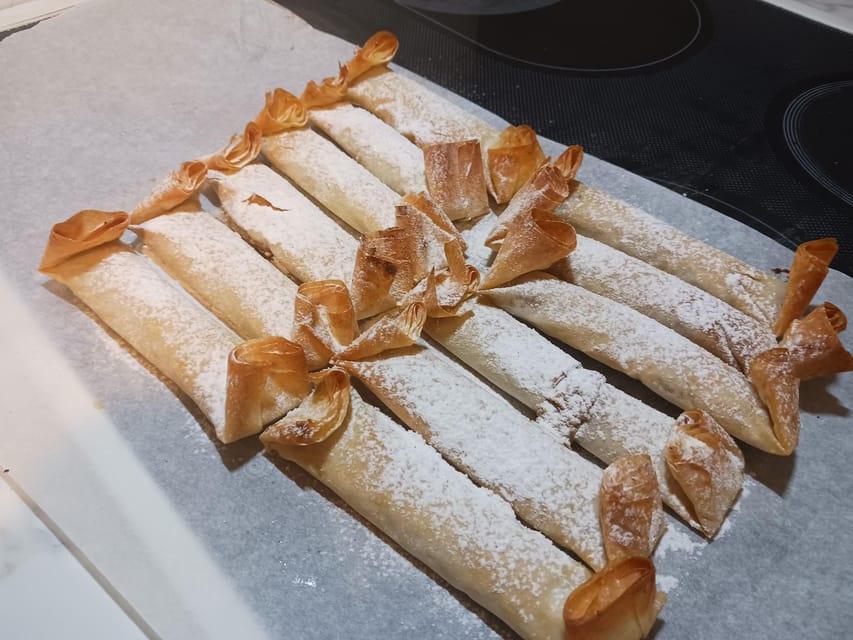
Cooking is one half. The other half is what happens when you eat what you made.
Wine pairing is included, and you can also expect tastings mentioned such as port and olive oil. That combination matters because Portuguese cuisine often relies on a balance of salt, acidity, and fat—things that wine and oil can highlight when they’re chosen with the meal in mind.
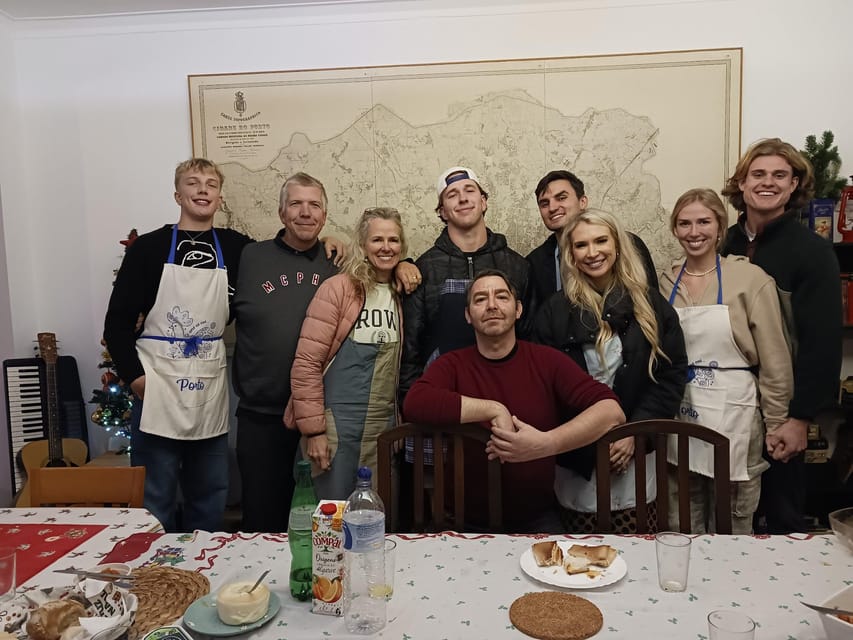
One of the standout social moments is how the meal becomes a shared table experience. You gather with wine, talk, and enjoy conversation that’s more personal than a typical tour group exchange. In one review, the guide added extra cultural facts along the way, including architecture and tile details, so the evening turns into a mix of food and place.
There’s one rule item to clarify before you book: the activity notes say alcohol and drugs aren’t allowed, but wine pairing is included. That looks contradictory on paper. In practice, it usually means you aren’t bringing your own alcohol. Still, don’t assume—send a quick message to confirm exactly how alcohol policy works alongside the included pairing.
Bottom line: you leave not just full, but with a better sense of how Portuguese meals are structured and enjoyed.
Should You Book This Porto Cooking Class for Your Trip?
If your idea of a great Porto day is hands-on, local, and ingredient-driven, I’d book this. For about $106 per person over 3.5 hours, you’re paying for more than cooking instructions. You’re paying for guided market shopping, from-scratch preparation, and a hosted meal with wine pairing and tastings. When you add up those parts, the price feels fair compared with a basic cooking demo plus a separate meal.
This class is especially worth it if:
- You want Portuguese recipes you can repeat at home
- You like learning through doing (not watching)
- You’re interested in food traditions and how ingredients connect to Portugal
- You appreciate small-group instruction
Skip it or consider alternatives if:
- You can’t easily make it to the home meeting point (transportation isn’t included)
- You need wheelchair accessibility
- You want a hands-off experience with no real prep
FAQ
FAQ
How long is the Porto cooking class with market visit?
The experience lasts about 3.5 hours.
What is the price per person?
The price is listed as $106 per person.
Is there a small-group limit?
Yes. The group is limited to 8 participants.
Where does the activity start?
You meet at the host’s home, then go together to local shops for ingredients and related stops.
What’s included in the class?
Included items are the local grocery shop visit, organic garden visit (where applicable), the cooking class, meal preparation, and wine pairing.
What’s not included?
Transportation to and from the meeting point is not included.
Can the menu adapt to dietary restrictions?
Adaptations to most diets are possible, and you should inform the instructor of dietary restrictions in advance.
Are ingredients pre-prepared or frozen?
No. Everything is made from scratch, and the notes specify no pre-prepared ingredients and no frozen products.
What languages are used during the lesson?
The instructor uses Portuguese and English.
Is this activity wheelchair accessible?
No. It is not suitable for wheelchair users.
Is cancellation free?
There is free cancellation up to 24 hours in advance for a full refund.
Can I book now and pay later?
Yes. The listing offers reserve now & pay later, with pay nothing today.