REVIEW · MUMBAI
Private Market Tour and Vegetarian Cooking Class in Mumbai
Book on Viator →Operated by Traveling Spoon · Bookable on Viator
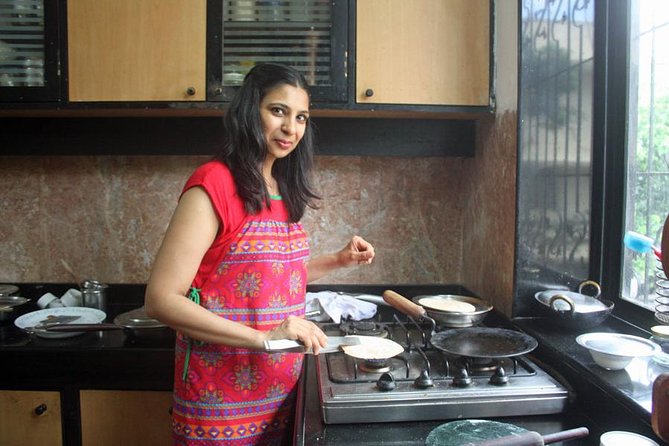
Roti dough in a real Mumbai home. This private class pairs a short local grocery visit with cooking up to three Punjabi dishes with Shilpa in Matunga—then you sit down to eat what you made.
What I like most is the hands-on approach, from rolling roti/paratha to cooking paneer makhni and dal (lentils), plus the way she can adjust the menu for vegans on request. One consideration: the whole thing runs about 3 hours, so if you want extra time on any step, plan to speak up early and ask for slower pacing.
In This Review
- Key Points at a Glance
- Why Matunga Five Gardens Feels Like a Real Local Kitchen
- Price and Value: What $64 Gets You in 3 Hours
- The Covered Grocery Store Walk: Ingredients You Can Actually Find
- Inside Shilpa’s Home: Roti/Paratha and the Punjabi Core
- Roti or Paratha: The Skill That Makes Everything Else Easier
- Paneer Makhni: Tomato Gravy Meets Fresh Cheese
- Dal: Lentils That Turn a Meal Into Comfort Food
- The Meal Moment: Beer, Lunch or Dinner, and What You Learn While Eating
- Vegan on Request: How the Class Handles Dietary Needs
- Timing and Logistics: Making the Most of a 3-Hour Private Session
- Who This Punjabi Cooking Class Suits Best
- Should You Book This Private Vegetarian Cooking Class in Mumbai?
- FAQ
- What dishes will I learn to cook?
- Is the class private?
- How long is the cooking class?
- Do I get to visit a market?
- Is vegan food available?
- What do I receive with the meal?
- Where does the experience start and end?
- What is the cancellation policy?
Key Points at a Glance
- Private, only your group time with Shilpa
- Covered grocery store visit (not an open-air market)
- Learn roti/paratha the traditional way
- Cook up to three Punjabi dishes in a home kitchen
- Vegan option available by request
- Complimentary beer plus your choice of lunch or dinner
Why Matunga Five Gardens Feels Like a Real Local Kitchen
This experience is set in Matunga East, around Five Gardens, where the neighborhood rhythm feels normal rather than staged. You meet at Indu Villa (Plot no Five Garden, 602-C, Lady Jehangir Rd, Matunga East). From there, you head to a nearby covered grocery store before returning to Shilpa’s home for the cooking part.
That home setting matters. In a classroom, you watch and hope you remember later. Here, you’re in the kitchen workflow—prep, mixing, rolling, cooking, and then eating. It’s the kind of setup that helps you recreate dishes back home without needing a whole team of helpers.
Also, this is explicitly a private tour/activity. You’re not sharing your shopping list and cooking station with strangers, so you can ask questions as they come up. If you care about getting the roti thickness right, or you want to understand how spices change the dish, that one-on-one pacing is a real advantage.
You can also read our reviews of more tours and experiences in Mumbai.
Price and Value: What $64 Gets You in 3 Hours
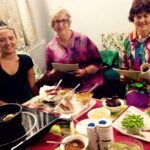
At $64 per person, you’re paying for three things bundled together: a short local grocery visit, an instructor-led cooking session, and a sit-down meal (plus a complimentary beer).
Here’s why it can feel like good value:
- Market stop included: you don’t just get recipes; you see what ingredients look like in a local shop. The visit lasts about 30 minutes.
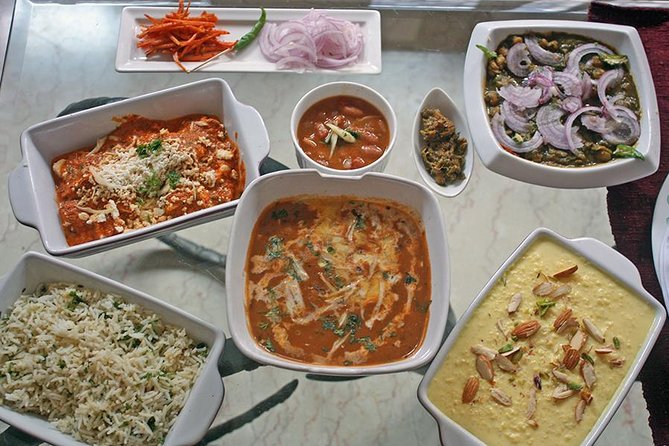
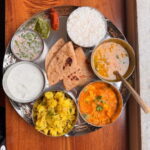
- Up to three dishes taught: the class includes making roti or paratha, plus a couple of curries—typically paneer makhni and dal—with rice or Indian breads.
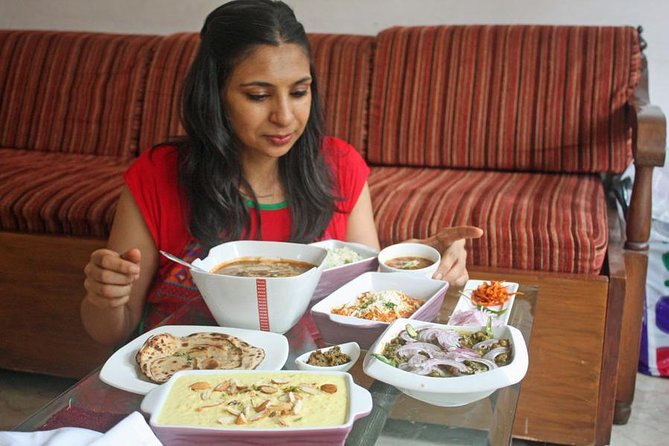
- Meal is part of the deal: you get to eat your food as a lunch or dinner choice, not just “taste-testing” in passing.
If you’re the type who wants to leave with a practical skill set (how to roll, how to cook, how to adjust), this price starts to look more reasonable. If you only want food samples and entertainment, you’d probably prefer a different format.
Group discounts exist too, but the core value comes from that private instruction and meal.
The Covered Grocery Store Walk: Ingredients You Can Actually Find
Your market time is about 30 minutes, and it’s in a covered grocery store where Mumbai locals shop daily. That’s an important distinction. It’s not the typical open-air scene where you wander for photos. This is closer to a workday supply run—and it’s more useful for learning how ingredients are chosen and stored.
You’ll be introduced to local:
- fruits and vegetables
- spices and grains
You might also buy a few ingredients before heading back to Shilpa’s home. Don’t feel pressure to buy everything. Use the visit to answer a more useful question: what’s the real ingredient “shape” and flavor profile you should look for back home? Even if the exact brand differs, you’ll know the category and what it should do in the dish.
Practical tip: come with a couple of things you want to understand, like whether a spice is better toasted or added fresh, or what grain changes the texture. The grocery stop is your chance to ask while everything is in front of you.
Inside Shilpa’s Home: Roti/Paratha and the Punjabi Core
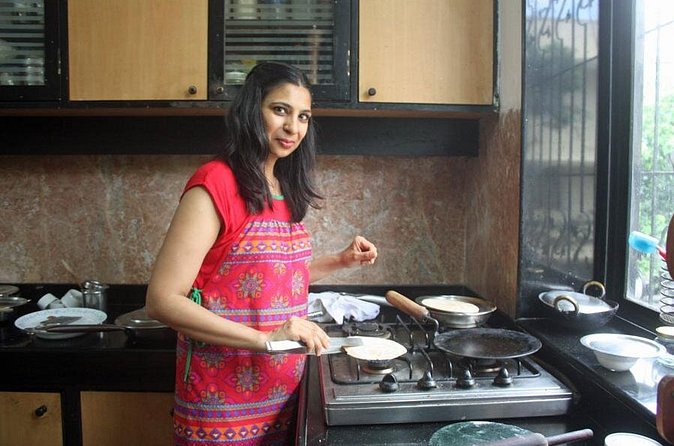
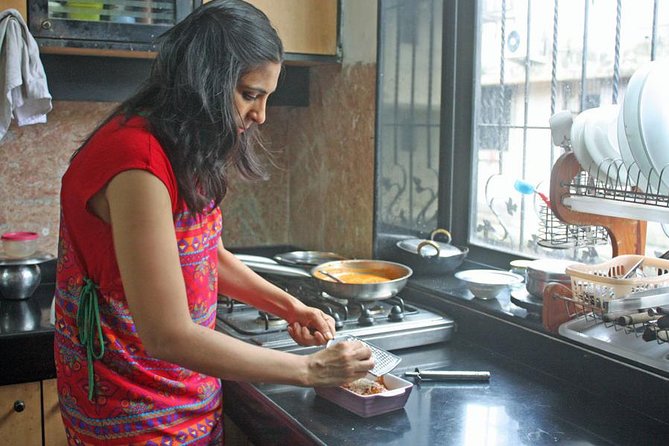
The cooking happens at Shilpa’s home in Matunga, after you meet her and review what you’ll be learning. The class focuses on Punjabi staples, with the goal that you can reproduce them later.
Roti or Paratha: The Skill That Makes Everything Else Easier
You’ll learn to make roti or paratha (flatbread) the traditional way. The key value here is method. Rolling flatbread well comes from small technique choices—how you handle the dough, how you maintain even thickness, and how you manage heat and timing.
Why this matters for you: once you can handle roti/paratha, you’ll stop treating Indian breads as a mystery. Even if you later try new fillings or curries, the bread becomes your base.
Paneer Makhni: Tomato Gravy Meets Fresh Cheese
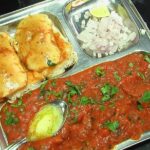
You’ll also learn paneer makhni, which is essentially fresh cheese in a tomato-based gravy. If you’ve had butter chicken style dishes before, you’ll recognize the flavor logic, but paneer brings a different texture and cooking behavior.
What to watch for while cooking: paneer can go from perfect to firm if handled too aggressively. Since the instruction is hands-on and step-based, you’ll get a feel for when to add it and how long it needs to warm through.
Dal: Lentils That Turn a Meal Into Comfort Food
Then there’s dal (lentils). Dal is where you learn how Indian cooking balances thickness, seasoning, and texture. You’ll eat it with rice or Indian breads, which makes it a complete meal—not just a side.
If you struggle with bland lentils at home, this is the dish that can change that. The class format is built around you learning the “why” behind steps, not just copying motions.
The Meal Moment: Beer, Lunch or Dinner, and What You Learn While Eating
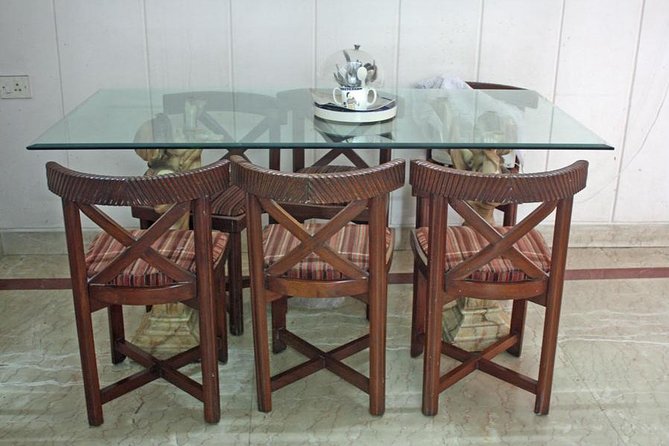
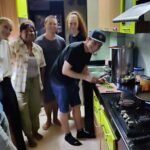
After cooking, you sit down to eat the meal you made. The experience includes a complimentary glass of beer and lets you choose lunch or dinner. That choice helps you plan around your day in Mumbai.
This meal part is not just a reward. It’s a feedback loop. You’ll see what the bread and gravies taste like once everything is together on the plate. That matters because many home cooks adjust one thing and forget how everything balances.
Also, since the menu is seasonal and subject to availability, you’re not locked into a random demo-only menu. It’s tied to what’s available locally, which is a better habit for real-life cooking than pretending every ingredient is always identical year-round.
Vegan on Request: How the Class Handles Dietary Needs
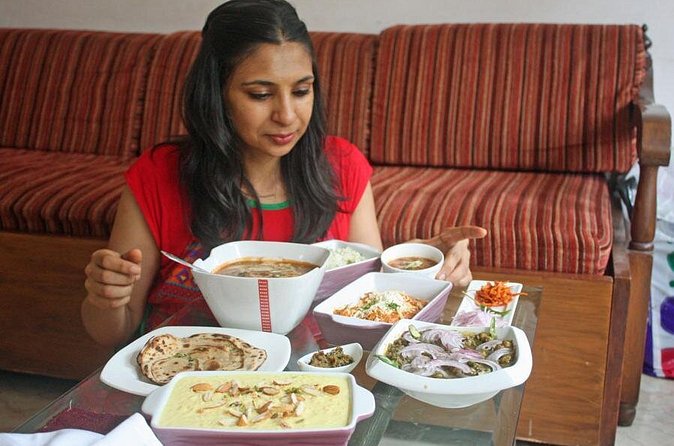
Shilpa offers vegetarian food, and she can also do a complete vegan meal on request. The menu is seasonal, so the exact dishes can vary, but the promise is practical: you tell her what you need, and she adapts.
If you’re vegan, it’s smart to message your needs in advance. The class notes that you should inform her about preferences, dietary restrictions, or allergies. That’s the simplest way to avoid last-minute confusion—especially with dishes where dairy ingredients like paneer would normally be involved.
One more planning note: if you have a specific dish you want to learn, reach out in advance. The class says the menu is seasonal, and Shilpa is flexible, so your message can help shape what’s possible.
Timing and Logistics: Making the Most of a 3-Hour Private Session
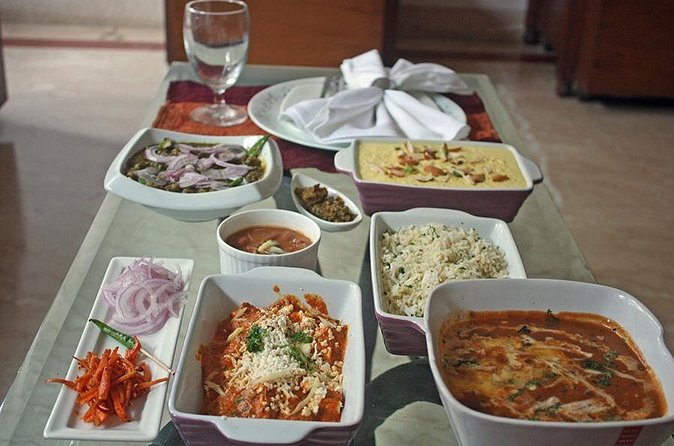
The total duration is about 3 hours. That’s a tight but realistic window for a market stop, bread practice, curry lessons, and then eating together.
Here’s how to make those hours work for you:
- Be ready to move from grocery basics into active cooking quickly.
- If you want extra repetitions—like rolling technique—say so early, not at the end.
- Pay attention to the step order. In flatbread, small timing shifts change texture.
There’s also a flexible element: Shilpa can adjust the start time. If you want to begin early or later, you can message her via WhatsApp. That’s useful in Mumbai, where traffic and day plans can shift.
For getting there, the meeting point is described as near public transportation, which is helpful if you don’t want to deal with long commutes.
You’ll have a mobile ticket, and you should receive confirmation at booking, so it’s set up for an easy arrival.
Who This Punjabi Cooking Class Suits Best
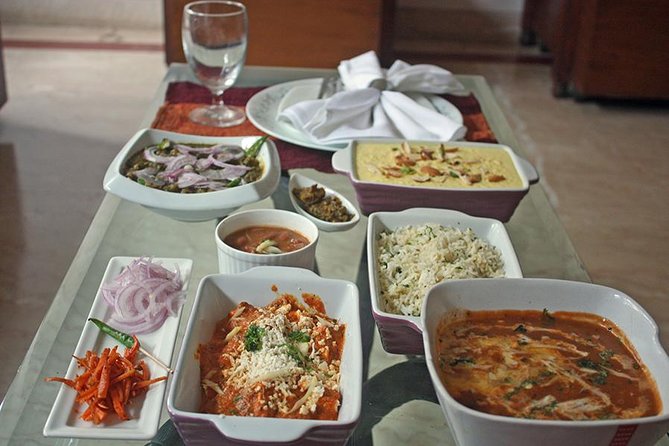
This class is a strong match if you want:
- Practical home-cooking skills for Indian food, not just a tasting experience
- Focus on vegetarian Punjabi dishes with a chance to go vegan
- A real kitchen rhythm in a home setting, including bread-making basics
- Personalized time (only your group participates)
It may not be the best fit if you need long, unhurried training with lots of extra dishes. The session is designed to be efficient. You get a focused set of lessons—up to three dishes—and then you eat.
It’s also a good pick for people who enjoy learning the reasoning behind cooking steps. Shilpa explains the process and how the parts fit together, so you’re less likely to treat it as rote memorization.
Should You Book This Private Vegetarian Cooking Class in Mumbai?
Book it if you want a Mumbai experience that’s less about sightseeing and more about real-life food skills. The combination of a covered grocery store stop, step-by-step roti/paratha practice, and a sit-down meal is a clean package for the money.
Think twice only if you need very slow pacing or you’re hoping for a huge spread of dishes. This is about focused instruction and learning the core Punjabi building blocks—exactly the kind of knowledge that actually sticks.
If you book, message Shilpa ahead with your dietary needs and any specific dish request. Then show up with comfortable clothes and an appetite for hands-on work. You’ll leave with recipes you understand, not just recipes you copied.
FAQ
What dishes will I learn to cook?
You’ll learn to make roti or paratha (flatbread), and you’ll also prepare Punjabi dishes including paneer makhni and dal. You’ll eat the meal with rice or Indian breads. The menu is seasonal and may vary.
Is the class private?
Yes. It’s a private tour/activity, and only your group participates.
How long is the cooking class?
The experience lasts about 3 hours.
Do I get to visit a market?
Yes. You’ll visit a covered grocery store for about 30 minutes to learn about local fruits, vegetables, spices, and grains. It is not an open-air market.
Is vegan food available?
Shilpa offers vegetarian food and can do a complete vegan meal on request. Tell her your dietary restrictions or allergies in advance.
What do I receive with the meal?
You’ll get a complimentary glass of beer, and you can choose whether your meal is lunch or dinner.
Where does the experience start and end?
It starts at Indu Villa, Plot no Five Garden, 602-C, Lady Jehangir Rd, Matunga East, Mumbai, Maharashtra 400019, India, and ends back at the meeting point.
What is the cancellation policy?
You can cancel for free up to 24 hours in advance for a full refund.