REVIEW · NAGANO
Japanese Cooking Class at a Traditional House in Nagano
Book on Viator →Operated by Yuka's Japanese Culture Tour · Bookable on Viator
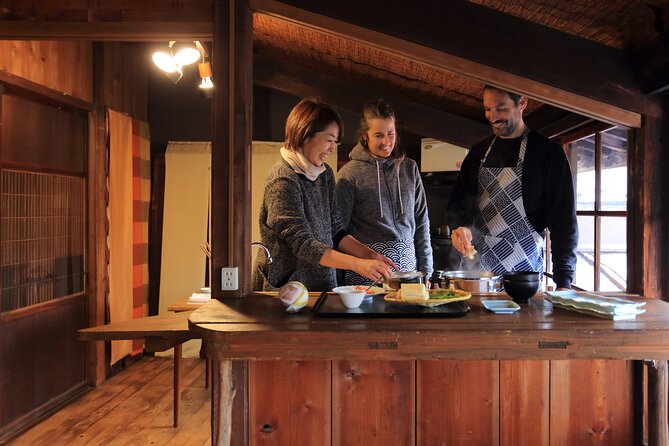
Cook in a real merchant home. This Japanese cooking class in Nagano takes place inside a 130-year-old Machiya-style house that used to belong to the city’s biggest merchant, so the setting feels like part of the lesson. I like that you start by exploring the house—then you move upstairs to cook in a kitchen with a view of the garden, all while the ingredients and tools feel carefully kept, not staged.
My favorite part is the hands-on teaching: you learn core basics like making dashi broth, and you cook with local ingredients from a cold-food region with a specific food culture shaped by history. Yuka’s Japanese Culture Tour runs the experience in English, and she also adjusts recipes so you can do it as written as a vegetarian or vegan. The only real drawback to consider is that this is a 3-hour class, so it’s not a long walking food tour of Nagano—you’ll want to plan extra time if you’re craving more sightseeing.
In This Review
- Key highlights to know before you go
- Step inside a Nagano merchant house (not a studio kitchen)
- How the class really works: English teaching, 3 hours, and private pace
- The dashi lesson: what it teaches beyond one recipe
- The house tour you get to before you cook
- Your course choices: pick the style you’ll actually want to cook at home
- Traditional Local Food Course
- Temari Sushi Course
- Shabushabu Course
- Lunch is included, and it’s more than just a sample
- Where the value really comes from (not just the $104.05 price tag)
- What to expect on the day: meeting spot, timing, and pacing
- Is it worth it for you? Who this class matches best
- Should you book Yuka’s Japanese Cooking Class in Nagano?
- FAQ
- How long is the Japanese Cooking Class at a Traditional House in Nagano?
- Where do I meet the tour?
- What courses can I choose from?
- What is included in the price?
- Are the recipes adjusted for vegetarians and vegans?
- Is there free cancellation?
Key highlights to know before you go
- 130-year-old Machiya house interior tour before you cook
- Dashi broth basics plus how to use local ingredients
- Kura storage area details, with traditional items kept for years
- Three course choices: Traditional Local Food, Temari Sushi, or Shabushabu
- Aprons and tools provided, so you show up and cook
- Lunch included, built from what you make plus extra dishes and dessert
Step inside a Nagano merchant house (not a studio kitchen)
This class doesn’t start with a classroom vibe. You begin at Iizura Omachi Tokusankan, at a traditional home that’s more than a backdrop. The house is over 130 years old, built in Machiya style, and it was once the home of a shoya (the biggest merchant in town). That matters because it changes how the cooking feels: it’s not just instructions, it’s a slice of how people actually lived.
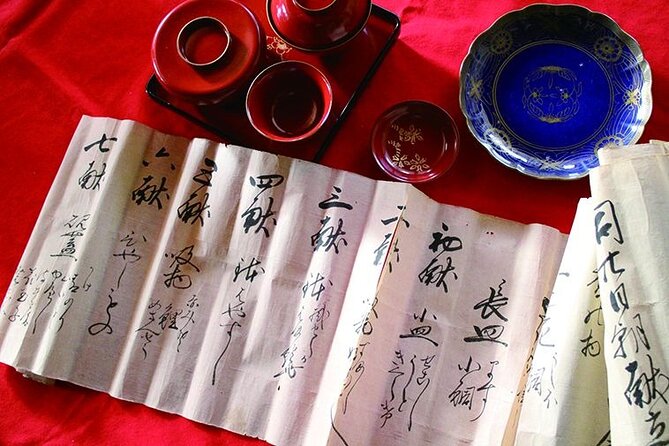
Before you cook, you get to look around the interior. You’ll see traditional items stored in the back of the house in a kura, the old-style storage space where things are kept safe over time. The class also points out objects like Koto (a Japanese harp) and an old sawing machine that have been carefully stored for a long while. Even if you’re not a history buff, these details help you understand why Japanese meals often feel planned and seasonal—people treated tools, ingredients, and daily routines with respect.
One practical plus: the kitchen setup is on the second floor. That means you’re cooking with a sense of place, plus you get to look out at the Japanese garden while you work. And yes, it’s unusual in a good way—parts of the kitchen are made from sake barrel lids sourced from a local brewery. It’s the kind of detail you remember later when you’re trying to recreate flavors at home.
How the class really works: English teaching, 3 hours, and private pace

The experience runs about 3 hours. That’s a sweet spot for a hands-on class because you have enough time to learn a process (not just taste samples), but it doesn’t turn into an all-day commitment.
You’ll also like the structure if you’re someone who wants clarity. The class focuses on Japanese cooking basics, starting with how to make dashi broth, then building toward your chosen course. Along the way, the guide introduces local-made ingredients—items you may not find in regular supermarkets where you live. That’s one of the ways this tour earns its value: you’re not only learning recipes, you’re learning how to source and think about ingredients.
It’s a private experience, meaning only your group participates. That matters in a cooking class because questions don’t get crowded out. If you want to ask about substitutions, timing, or techniques, you’ll have room to do it. Also, it’s listed as an experience in English, which takes stress off if you’re traveling with someone who doesn’t speak Japanese well.
The other reality check: there are only three course options, and you’ll spend the whole 3 hours on your selection. If you’re looking for multiple very different meals in one visit, you won’t get that here—you pick a course, learn it well, and then eat.
The dashi lesson: what it teaches beyond one recipe
Dashi is one of those Japanese building blocks that can make or break the rest of a meal. In this class, you learn how to make dashi broth, and that’s the kind of skill that scales. Even when you cook a different dish later, dashi technique still matters.
What I like about teaching dashi in a place like this is the emphasis on fundamentals. You don’t just get handed a finished broth and told to taste. You learn the basics so you can understand what you’re aiming for—then you’re free to connect it to the rest of the meal.
The class also leans into the region’s food logic. Nagano’s Shinano-Ōmachi sits at the bottom of the Northern Japanese Alps and has a cold climate. It also historically served as a stop on the Salt Road, a route connecting the Sea of Japan and central Honshu. That background helps explain why the local food culture is shaped the way it is—seasonality, preserved flavors, and ingredients that work in colder temperatures.
In practical terms, this means you’re more likely to get recipes that explain why certain ingredients show up together. And the guide provides a recipe you can cook in your country afterward, so you’re not left with a memory and vague instructions.
The house tour you get to before you cook
This class includes more than a quick look around. You’ll get to see the unique inside of the Machiya-style home, including how traditional storage works. The kura in the back is especially interesting because it’s where carefully stored items live. You’ll also see specific objects used to illustrate traditional life, like Koto and that old sawing machine.
If you like travel details that make a place feel real, you’ll probably enjoy this part. It connects the cooking to the physical world: where items were kept, how tools were stored, and how households functioned before modern kitchens took over. For many people, that’s the difference between a cooking class that feels like a show and one that feels like a genuine cultural experience.
And because the kitchen is on the second floor with a garden view, the atmosphere stays calm and focused. You’re not balancing a busy street noise vibe while you cook; you’re working in a controlled, traditional space.
Your course choices: pick the style you’ll actually want to cook at home
You choose from three courses. Your selection will shape the ingredients and cooking steps, but the core teaching approach stays the same.
Traditional Local Food Course
If you want the most grounded introduction to local Shinano-Ōmachi food culture, this is the best fit. It’s where the class leans hardest into local-made ingredients you may not see elsewhere. It’s also a great option if you’re planning to cook in your country afterward and want flavors tied to a specific region, not just generic Japanese dishes.
Temari Sushi Course
This is for you if you’re curious about a Japanese style that’s visually fun and often easier to recreate later than some stews. Even when the exact method is course-specific, the value is in the technique teaching—so you’re not just learning a flavor, you’re learning how to build the dish. Temari sushi also tends to be a satisfying, hands-on format because you can feel your progress as you go.
Shabushabu Course
Shabushabu is a great pick if you like hot, comforting meals and want a dish that feels practical at home. This course style also pairs well with the dashi skill you learn, since broth and seasoning matter. It’s a good option if you want something that tastes special but still fits typical home cooking rhythms.
Tip for choosing: think about what you’ll actually want to cook again after the trip. If you know you love stir-and-soup meals, shabushabu may be the one. If you prefer lighter, structured bites, consider temari sushi. If you’re chasing regional authenticity, pick traditional local food.
Lunch is included, and it’s more than just a sample
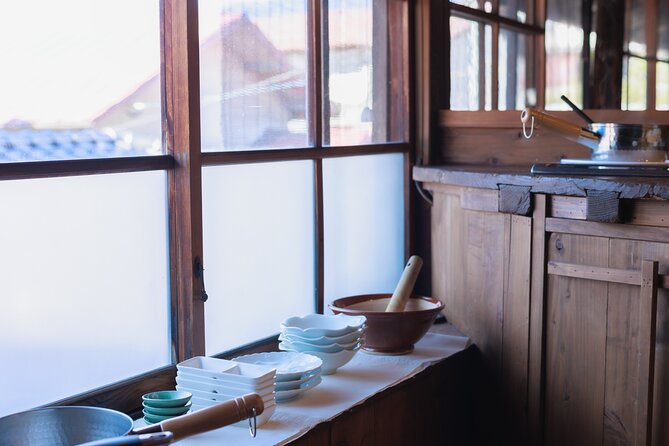
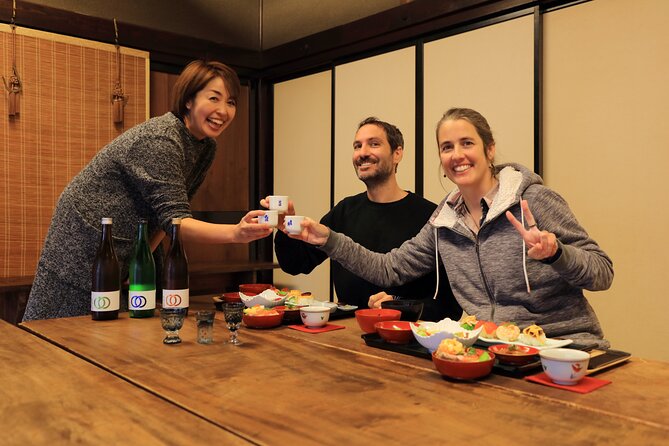
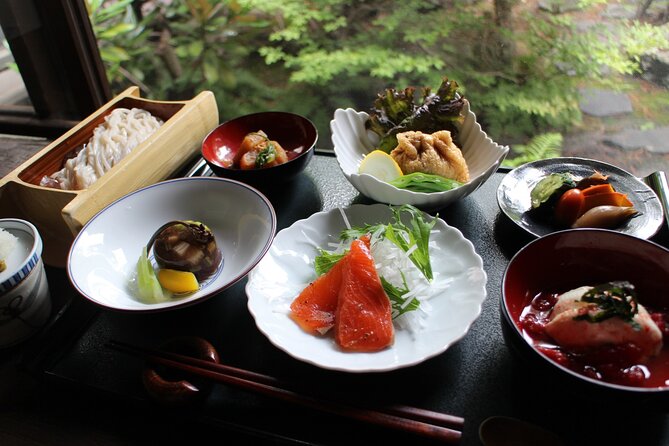
You’ll cook, then you’ll eat. The class includes lunch on top of what you make during the session, plus additional dishes like noodles or rice and dessert. That’s important because you’re not only paying for instruction—you’re also paying for a full meal experience.
The balance here is smart. Many cooking classes give you a tiny bite and call it done. Here, the meal expands: you get your course, extra dishes, and dessert. That makes the class feel like a real cultural stop, not only a skill workshop.
One more detail I appreciate: they provide aprons and cooking tools, so you’re not spending the first 15 minutes wondering what to wear or what you’re missing. Show up ready to cook and eat.
Where the value really comes from (not just the $104.05 price tag)
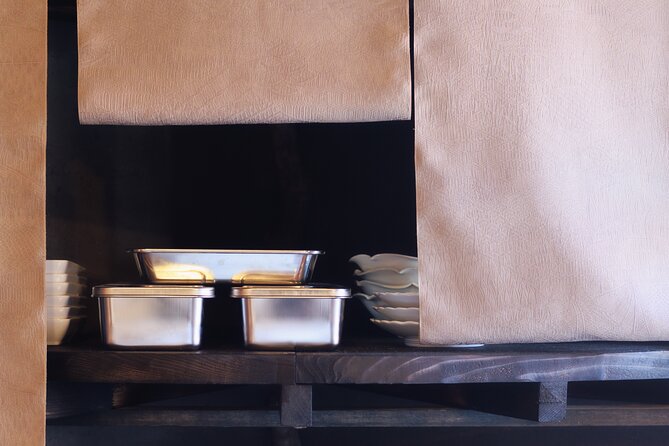
At $104.05 per person, you’re paying for more than a meal and a recipe card. You’re paying for a rare setup: teaching inside a historic 130-year-old traditional home, with local ingredient education, and with a private, English-language guide.
For many travelers, the best value is the combination:
- A setting that’s hard to replicate anywhere else
- Hands-on skills like making dashi broth
- Course choice that matches what you like
- A complete lunch with dessert, not just tasting
Also, the class provides recipes you can use when you go home, and they adjust those recipes for vegetarians and vegans. That matters because it reduces the chance you end up with a “meal for others” while you sit out. Instead, you get a cooking plan you can follow.
If you’re already spending money in Nagano on food experiences, this class can be a strong use of your time. It converts your restaurant meals into cooking knowledge, which tends to make your whole trip feel more valuable.
What to expect on the day: meeting spot, timing, and pacing
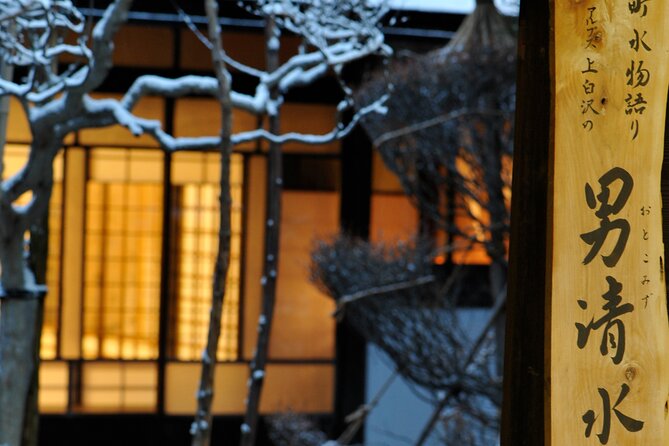
You meet at Shinano-Ōmachi Station (Omachi, Nagano 398-0002, Japan). The location is described as near public transportation, so you’re not likely to need complicated planning just to get to the start.
The class runs Monday during the listed seasonal window, with the day’s session set for late morning into the early afternoon. Duration is about 3 hours, and the activity ends back at the meeting point. The schedule is tight enough that you’ll want to treat it like your main activity block for that time window.
Bring nothing special for cooking. They provide aprons, and you’ll get the other cooking tools you need. If you’re the type who likes photos, you’ll get multiple chances: the house interior, the kura storage details, and the garden-view kitchen are all part of the experience.
Is it worth it for you? Who this class matches best
This class fits best if you want a cultural food experience that goes beyond eating. I think it’s ideal for:
- Couples and small groups who want a private, question-friendly class
- Food lovers who care about ingredient sourcing and regional specificity
- People who want a teachable skill like dashi, not just a one-time meal
- Vegetarian or vegan travelers who want recipes adjusted for them
If your travel style is mostly fast sightseeing and you love big outdoor adventures, this may still work, but treat it as a focused “food + culture” block rather than a full day program. And if you want alcohol, note that alcoholic beverages like sake are optional for those over 20, but alcohol isn’t included as part of the core experience.
Should you book Yuka’s Japanese Cooking Class in Nagano?
I’d book this if you want a memorable cooking class with real setting. The combination of the 130-year-old Machiya house, the dashi basics, and a full lunch makes it feel like a complete experience, not a quick workshop. Add the fact that recipes are adjustable for vegetarians and vegans, and you get a strong chance the meal experience fits your dietary needs.
I’d skip or rethink it if you need a long itinerary with lots of different stops and sightseeing. This is about learning and cooking well in one focused session. If you’re okay with that, you’ll likely leave with both a satisfying meal and a recipe plan that actually helps when you cook at home.
FAQ
How long is the Japanese Cooking Class at a Traditional House in Nagano?
The class lasts about 3 hours.
Where do I meet the tour?
You start at Shinano-Ōmachi Station in Omachi, Nagano 398-0002, Japan, and it ends back at the meeting point.
What courses can I choose from?
You can choose one of three courses: Traditional Local Food, Temari Sushi, or Shabushabu.
What is included in the price?
Aprons and other cooking tools are included, and lunch is included too—on top of what you cook, you’ll also get additional dishes such as noodles or rice, plus dessert.
Are the recipes adjusted for vegetarians and vegans?
Yes. The recipes can be adjusted for vegetarians and vegans.
Is there free cancellation?
Yes. You can cancel for a full refund up to 24 hours before the experience’s start time, and cancellation is free.