REVIEW · HONG KONG SAR
Asian Favorites Cooking Class in Hong Kong (4-Course Meal)
Book on Viator →Operated by Cozymeal Cooking Classes · Bookable on Viator
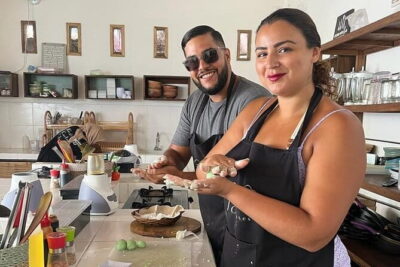
Sushi donuts are easier than they look. In this small-group Hong Kong cooking class, you’ll get coached step-by-step by a local chef as you learn rice seasoning, shape sushi donuts, and work confidently with fresh seafood. Then you’ll turn it into a full meal you can actually recreate later at home.
I especially like two things: the hands-on coaching for shaping sushi donuts (not just watching), and the way the chef keeps the pace relaxed so you’re cooking with purpose instead of scrambling.
One thing to plan for: the meeting point is in Yuen Long, so you’ll want extra transit time if you’re staying far from the New Territories.
In This Review
- Key highlights before you book
- Why sushi donuts in Hong Kong feels like a smart food adventure
- The 3-hour flow: what you’ll cook, in the order that makes sense
- Course 1: Mixed seafood scallion pancake with chili sauce
- Course 2: Sushi donuts—seasoned rice, seaweed, and clean assembly
- Course 3: Garlic stir-fry choy sum with local greens
- Dessert: Mango coconut soup with pomelo and sago
- Price and value: what $184.51 gets you (and why group size matters)
- Logistics that affect your experience more than you’d expect
- Who should book this sushi donut class?
- Should you book it? My practical take
- FAQ
- How long is the Asian Favorites Cooking Class in Hong Kong?
- What’s included in the 4-course meal?
- Is it BYOB?
- What is the group size?
- Where do I meet for the class?
- Can the class accommodate dietary needs?
- What is the cancellation policy?
Key highlights before you book
- Max 4 people means real attention at the cutting board and the rice station.
- 4-course structure turns practice into a complete meal: savory, seafood-forward, then greens, then dessert.
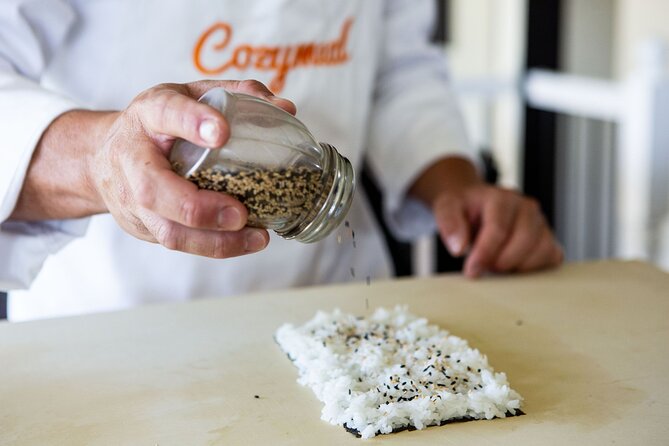
- Sushi donut technique is the main skill—seasoning rice, assembling with seaweed, and building toppings neatly.
- BYOB-friendly so you can bring wine or beer to match your dinner vibe.
- Adaptable to dietary needs if you ask in advance, so you’re not stuck with a one-size-fits-all menu.
Why sushi donuts in Hong Kong feels like a smart food adventure
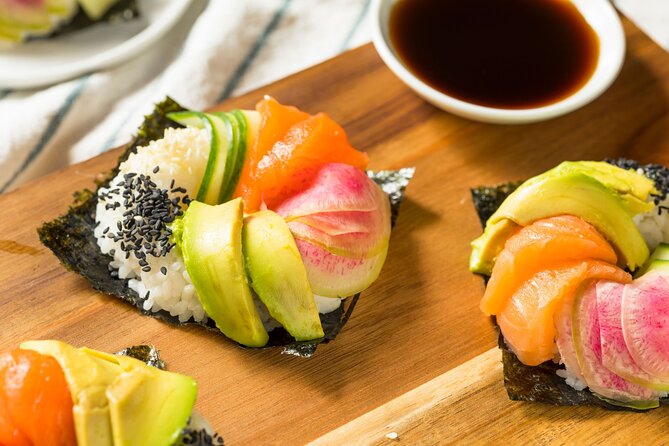
Hong Kong food culture loves mixing formats: street snacks, home-cooking comfort, and polished Japanese flavors. That’s why the sushi donut concept works so well here. You get the recognizable building blocks of Japanese-style sushi—seasoned rice, seaweed, seafood toppings—but presented in a playful, donut-shaped way that makes the whole process less intimidating.
What I like is how the class doesn’t treat sushi as a museum piece. It’s practical. You learn the steps you’d need if you wanted to recreate it: getting rice seasoned correctly, shaping evenly, and assembling so it holds together. And because the class is small, the chef can point out small fixes fast—like how to handle rice texture or how to keep toppings from sliding.
The food is also varied enough to keep your attention. You’re not stuck doing the same thing for three hours. You move from a seafood scallion pancake, to sushi donuts, to a garlicky stir-fry, then finish with a cool mango coconut dessert with pomelo. It’s a full arc, not just a single gimmick.
You can also read our reviews of more tours and experiences in Hong Kong SAR.
The 3-hour flow: what you’ll cook, in the order that makes sense
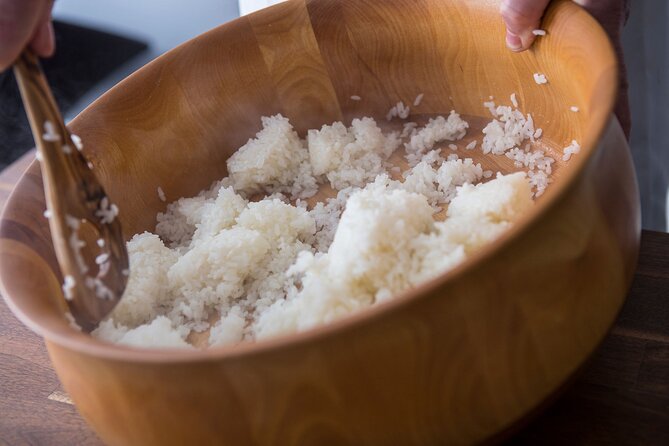
This is a ~3-hour cooking class built around four courses. You’ll be working in a welcoming Hong Kong kitchen, learning with a local chef who guides you through each dish as you go. The order matters, because each course teaches a different skill set.
First you’ll tackle a savory seafood scallion pancake with oysters, squids, prawns, scallions, and chili sauce. It’s a good warm-up because you get comfortable with ingredients and prep without needing sushi-precision right away.
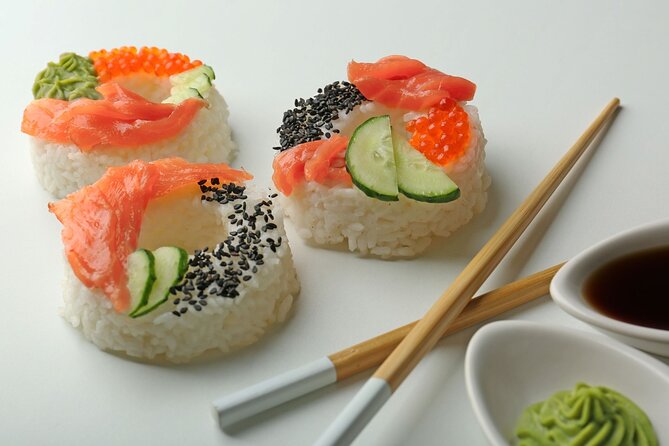
Next comes the main event: sushi donuts. You’ll work with Japanese rice, seaweed, raw fish, salmon roe, prawns, and squid. This is where you learn the method—how to shape and assemble so it looks good and still eats clean.
After that, you’ll shift to speed cooking with a garlic stir-fry choy sum. Expect garlic paste and local green leafy vegetables, cooked so you get a punchy garlic flavor without turning the greens soft.
Finally, dessert: mango coconut soup with pomelo made from mango, sago, coconut cream, and pomelo. This rounds out the meal by cooling everything down and adding sweetness right when you’re ready for a slower finish.
Course 1: Mixed seafood scallion pancake with chili sauce
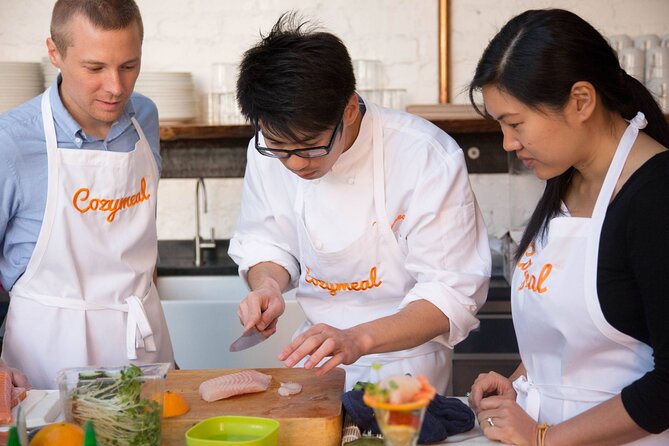
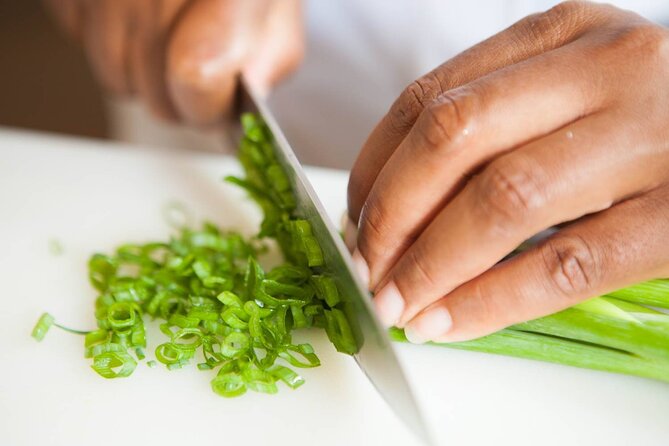
The first dish is a mixed seafood scallion pancake, and it’s a smart place to start. Pancakes give you instant feedback: you can see how the batter behaves, how toppings cook through, and how heat affects the final texture.
You’ll use oysters, squids, prawns, scallions, and chili sauce. The scallions bring a fresh bite while the chili sauce adds lift, so it doesn’t taste flat even if you’re not used to seafood cooking. And because this is a class format, you’re not just mixing ingredients and hoping for the best—you’re learning how to handle them as a real cook would.
A practical note: seafood pancakes reward patience. If you rush the cook step, seafood can overcook while the pancake isn’t set. The chef guidance here matters because you’re learning timing, not just ingredients. When you’re done, you’ll have a savory first course that feels substantial enough to anchor the meal before the sushi donut build.
Course 2: Sushi donuts—seasoned rice, seaweed, and clean assembly
This is the reason most people sign up, and for good reason. Sushi donuts are a twist on Japanese tradition that lets you practice sushi fundamentals without the intimidation of rolling dozens of separate pieces. You still get the big lessons: rice seasoning, careful handling, and topping strategy.
Your sushi donut build includes:
- Japanese rice (seasoned)
- seaweed
- raw fish
- salmon roe
- prawns and squid
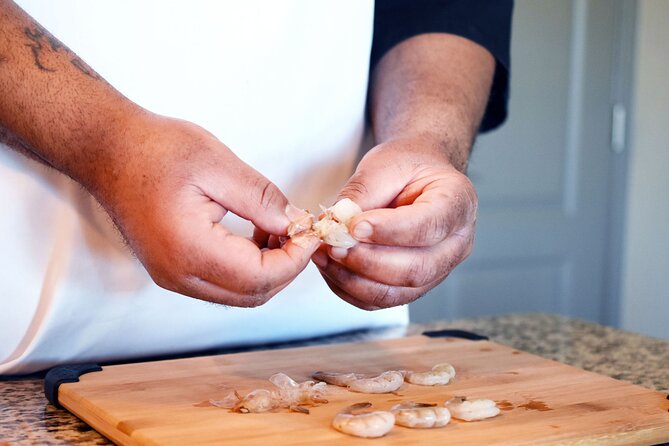
From a value perspective, this course is where your money turns into skill. Once you understand how to shape and assemble, you’re not stuck ordering takeout forever. You’ll also likely get coached on how to prep and handle seafood so it stays presentable and easy to work with—because the cleanest-looking sushi almost always comes from careful prep.
The technique is part art, part process. The chef will show you how to shape the rice into a donut-like form and how to layer seaweed and toppings so they don’t slide off. Then you build your own. That hands-on part is the key. If you only watched, you’d miss the feel of it: how much pressure to use, how to keep the rice from clumping, and how to keep the final shape intact.
And yes, the look matters. Sushi donuts turn the class meal into something photo-friendly and fun to serve, even if you’re just eating at a normal table back home.
Course 3: Garlic stir-fry choy sum with local greens
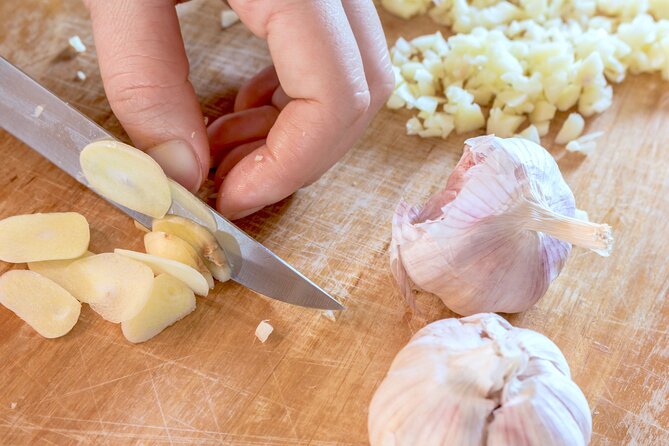
After sushi, the class shifts gears to choy sum. This is the “easy to love” course because it’s fast and flavor-forward. You’ll use garlic paste and local green leafy vegetables, cooked as a stir-fry so the greens stay bright and tender instead of going limp.
Why this matters: it gives you a second cooking style beyond sushi assembly. Sushi requires precision; stir-fry needs quick control. You’ll learn how heat and timing change texture, and how garlic flavor develops when you cook it properly.
It also adds balance to the overall menu. The seafood-heavy first two courses are salty and rich. The garlic greens cut through that with a clean, savory bite. It makes the meal feel complete, not like you’re just eating variations of the same flavor.
Dessert: Mango coconut soup with pomelo and sago
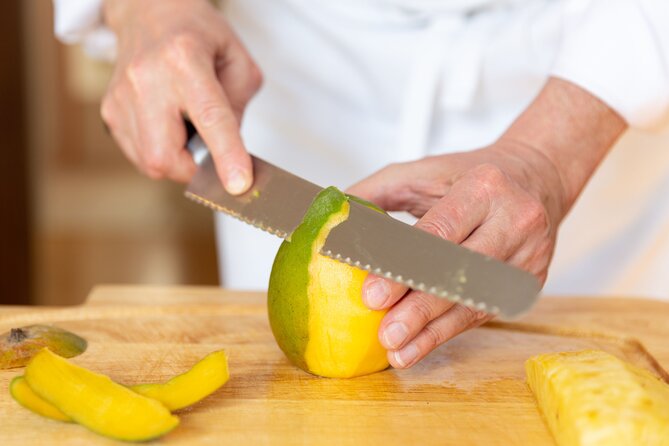
Finish strong with mango coconut soup with pomelo. This dessert is creamy and gently sweet, and it gives you a cool-down after the richer savory dishes. You’ll make it from mango, sago, coconut cream, and pomelo.
The flavor logic is solid: mango brings bright fruitiness, coconut cream rounds it out, sago adds chewy little bursts, and pomelo brings a citrusy, lightly bitter contrast. That mix is why the dessert feels satisfying rather than just sugary.
This course is also a confidence builder. Stirred desserts often look simple, but the difference between bland and excellent is texture and balance. The chef guidance helps you understand how to get the soup to a creamy consistency and how to distribute ingredients so every spoonful has fruit and texture.
Price and value: what $184.51 gets you (and why group size matters)
The price—$184.51 per person—covers a lot more than “a quick snack lesson.” You’re paying for:
- a full four-course meal
- hands-on instruction from a local chef
- the ingredients to cook seafood, greens, and dessert
- the class structure that keeps you moving through each dish instead of waiting around
In other words, you’re not just buying food. You’re buying time with a chef and the chance to learn a real technique: sushi donut assembly.
Small-group size (up to 4 people) is a major value driver. With fewer people, you get more direct coaching at the station where you’re working. That matters most for sushi rice handling and assembly, where tiny corrections can prevent a frustrating mess.
Also, BYOB is a nice practical bonus. You can bring wine or beer to go with the meal, which helps stretch your overall budget if you were planning to drink anyway.
Logistics that affect your experience more than you’d expect
This class starts at Reach Summit Hong Kong in Yuen Long (Tai Tong Rd, 99A號), and it ends back at the same meeting point. The meeting spot detail matters because transit time changes the mood of your whole day. If you’re traveling from central areas, plan a buffer so you arrive calm, not rushed.
You’ll receive a mobile ticket, which is easy day-of. Confirmation is received at booking as well. Service animals are allowed, and the class is designed to accommodate a variety of dietary needs if you tell the organizer in advance—so it’s worth reaching out early rather than hoping for a last-minute change.
If you’re thinking about what to bring, keep it simple: wear comfortable clothes you don’t mind getting a little food on, since this is hands-on cooking with seafood and sauces. And if you’re BYOB, don’t leave it until the last minute.
Who should book this sushi donut class?
Book this class if you want a hands-on Hong Kong food experience that teaches a specific technique you can repeat. It’s ideal for:
- sushi lovers who want a fresh twist on familiar flavors
- couples or small groups who prefer personal instruction
- people who like seafood and want practice handling it with guidance
- anyone who wants a full meal, not a brief demo
It’s also a good pick if you’re the type who learns better by doing. Sushi rice seasoning and assembly are easier to understand when you’re shaping and assembling in real time.
The class is also a strong choice if you’re curious about Japanese-style cooking techniques in Hong Kong, but you don’t want a formal, slow-paced workshop. This one moves through savory → sushi donuts → greens → dessert within about three hours.
Should you book it? My practical take
I’d book it if your goal is to leave with both a great meal and real confidence making sushi-style food at home. The format is built for learning: small group, chef-led hands-on work, and four courses that give you variety without dragging the schedule.
I’d think twice only if Yuen Long logistics are going to be painful for you. The class starts there, and extra transit time can turn a fun food day into a stressful one. If you’re already spending time in that area (or you’re willing to plan for the commute), this is a smart, skill-building choice.
FAQ
How long is the Asian Favorites Cooking Class in Hong Kong?
It runs for about 3 hours.
What’s included in the 4-course meal?
You’ll cook and eat four courses: the seafood scallion pancake, sushi donuts, garlic stir-fry choy sum, and mango coconut soup with pomelo.
Is it BYOB?
Yes. The class is BYOB, and you’re welcome to bring wine and beer.
What is the group size?
The class has a maximum of 4 travelers.
Where do I meet for the class?
The start point is Reach SummitHong Kong, Yuen Long, Tai Tong Rd, 99A號, and it ends back at the same meeting point.
Can the class accommodate dietary needs?
Yes. It’s designed to accommodate a variety of dietary needs, but you should let them know in advance.
What is the cancellation policy?
You can cancel for a full refund if you cancel up to 24 hours in advance of the experience’s start time. If you cancel less than 24 hours before, the amount paid is not refunded.