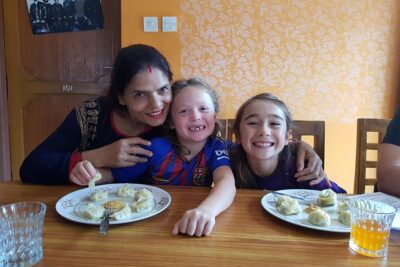
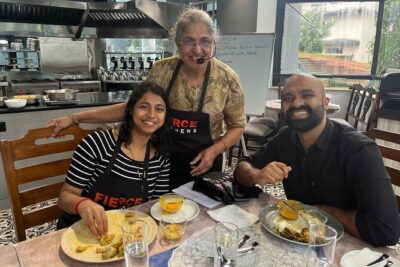
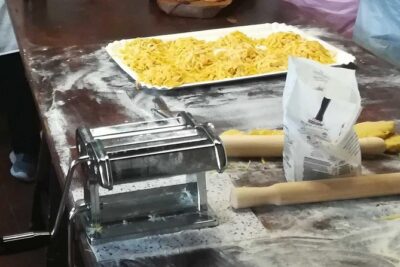
Roti in a Mumbai living room. This Punjabi cooking class with Shilpa turns a simple meal into a hands-on lesson, and I love how much time you get at the stove. You also eat what you make in a home-style setup, and here’s the one catch: the menu is seasonal, so if you want a specific dish, you’ll need to ask ahead.
You’ll learn core staples the traditional way. Expect roti/paratha technique, plus hands-on cooking of paneer makhni and dal, with Shilpa walking you through what to do and why it tastes the way it does.
The experience is built for vegetarian eaters first. Vegan is available on request, and yes, the class includes water and a glass of local beer with your meal—so you’re not just learning, you’re getting fed.
In This Review
- Key things to know before you go
- A Punjabi Home Kitchen near Five Gardens: The real “why” of this class
- Lunch or dinner in Mumbai: Picking the right time slot
- What you’ll cook: roti/paratha, paneer makhni, dal, and the Punjabi flavor pattern
- The flatbread lesson: roti/paratha technique you can use again
- Paneer makhni: building a gravy that actually tastes balanced
- Dal + rice: comfort food with repeatable logic
- A quick grocery look (and why it’s useful)
- The meal is part of the curriculum: how Shilpa teaches pairing
- Vegetarian first, vegan on request: how to set your menu expectations
- Price and value: what $53.34 really buys you in Mumbai time
- Getting there: Indu Villa, Lady Jehangir Road, and quick practical tips
- Who should book this class, and who might not love it
- Should you book Private Vegetarian Indian Cooking Class with Shilpa?
- FAQ
- Is this cooking class vegetarian?
- Can I choose between lunch and dinner?
- What dishes will I learn to cook?
- Is a vegan menu available?
- How long is the class?
- What’s included with the class besides cooking?
- Where does the class meet?
- Is it a private experience?
- Can the start time be changed?
- What if I want to cook a specific dish?
Key things to know before you go
- Choose lunchtime or dinnertime: pick the vibe that fits your day in Mumbai
- Shilpa teaches the traditional flatbread method: roti/paratha made the way her family does it
- You’ll cook classic Punjabi vegetarian dishes: including paneer makhni and dal
- Vegan menu is possible on request: Shilpa can do a complete vegan meal
- You eat your finished thali-style meal: Shilpa explains how dishes pair for flavor
- Private, local-home setting near Five Gardens: start at Indu Villa on Lady Jehangir Road
A Punjabi Home Kitchen near Five Gardens: The real “why” of this class
This cooking class is set up like a visit to a real home, not a restaurant demo. Your session starts at Indu Villa on Lady Jehangir Road, in the Matunga East area, right by the Five Gardens plot. The location matters because it keeps the experience grounded in daily life—where spices, vegetables, and routines are part of normal conversation, not props for tourists.
The host, Shilpa, is the heart of the day. She’s originally from Punjab, and that shows in how she talks about the food—what people eat, how flavors are balanced, and how the cooking steps connect to taste. You’re not just watching someone cook. You’re working alongside her in a private group setup, so you can ask questions and move at your pace.
For me, the biggest value here is the combination of technique and context. When someone can explain both the process (how the flatbread comes together, how the gravy is built, how dal gets its body) and the cultural logic (why certain flavors are common in Punjabi meals), you leave with skills you can actually repeat at home.
You can also read our reviews of more tours and experiences in Mumbai.
Lunch or dinner in Mumbai: Picking the right time slot
You can choose between a lunchtime or dinnertime cooking workshop. That’s more than a scheduling detail; it changes how you’ll feel walking into the class.
If you pick lunch, you’ll likely treat the class as your main meal break—cook, eat, and go back out with your energy restored. If you pick dinner, it can feel like a slower, more full-circle finish to your day, especially because you’ll sit down to share the food afterward.
The class runs about 2 hours. That’s a sweet spot: long enough to cook multiple dishes and eat them, short enough that it doesn’t swallow your whole itinerary.
One more practical detail: Shilpa is flexible with start time if you message her in advance via WhatsApp. If you’re trying to connect this class with another plan in Mumbai, that flexibility can save your day.
What you’ll cook: roti/paratha, paneer makhni, dal, and the Punjabi flavor pattern
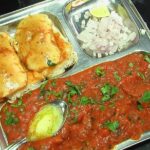
This is a vegetarian class, rooted in Punjabi comfort food. The core dishes you can expect to learn include:
- Roti or paratha, made the traditional way
- Paneer makhni (fresh cheese in tomato gravy)
- Dal (lentils), served with rice and Indian breads
Beyond that base, the menu is seasonal. In other words, you’re not guaranteed the exact same sides every time. But you can still look forward to the classic Punjabi meal structure: breads + lentles + a creamy or tomato-based main + rice, all built to work together.
The flatbread lesson: roti/paratha technique you can use again
Flatbread is where many home cooks get “good enough” but never truly master. Here, Shilpa focuses on the traditional method and walks you through the steps. You’ll get a feel for things that are hard to learn from recipes alone: how dough should behave, how heat affects the final texture, and how to finish the bread so it stays soft rather than drying out.
This is also where a private setup helps. If your first attempt isn’t perfect, you’re right there with instruction and feedback. The goal isn’t perfection. It’s understanding the method.
Paneer makhni: building a gravy that actually tastes balanced
Paneer makhni is one of those dishes that can swing wildly depending on technique. In this class, Shilpa shows you how to cook it rather than just assemble it. You’ll work through the steps and learn how the ingredients come together into a sauce that clings to the paneer and tastes cohesive, not just sweet or just tomato-forward.
Dal + rice: comfort food with repeatable logic
Dal is the backbone of many Indian meals, and it’s often treated like an afterthought at home. Here, dal is cooked with intention. You’ll learn the flow of cooking lentils until they’re tender and flavorful, then you’ll eat it alongside rice and breads.
From the way Shilpa explains pairing, dal isn’t just a side. It’s the “steady” element that lets the richer gravies and breads make sense.
A quick grocery look (and why it’s useful)
In past sessions, the class has included a quick trip to a local grocery area, where Shilpa points out vegetables, spices, oils, tea, and rice. Even if that isn’t part of every single class day, it’s a strong example of what you’re getting: practical knowledge tied to real ingredients.
That kind of explanation helps you when you try to cook later. You start thinking like a cook, not like someone following steps.
The meal is part of the curriculum: how Shilpa teaches pairing
After cooking, you sit down for the meal. This is where the class earns its keep.
Shilpa explains how each dish pairs to bring out its unique taste and flavor. That means you’re not just eating for the sake of eating. You’re tasting with intent, learning what Punjabi meals are designed to do on the plate.
A Punjabi thali-style mindset is all about balance: breads for grip and texture, dal for comfort and thickness, paneer makhni for creamy richness, and rice to mellow and carry flavors. When someone explains those pairings clearly, you stop seeing the meal as random dishes and start seeing it as a system.
Also, your meal isn’t “watered down” tourist style. It’s presented as a real home meal—fresh, seasonal, and built for satisfaction.
And yes, your water and a glass of local beer are included with the food. That small detail turns the meal into something you’ll remember, not just something you ate between cooking steps.
Vegetarian first, vegan on request: how to set your menu expectations
Shilpa offers only vegetarian food in this class. That’s great if you prefer vegetarian meals and want a solid Punjabi foundation without having to hunt for special accommodations.
If you want vegan, you can request a complete vegan menu. This matters because it means you’re not stuck with “vegan-ish” substitutions. You should be able to get a full plant-based menu option through the host.
Do plan ahead if you have dietary restrictions or allergies. The info explicitly says you should inform Shilpa in advance about preferences, restrictions, or allergies. With that notice, she can adjust the seasonal menu choices more safely.
One more planning point: because the menu is seasonal, the dishes you cook can vary. If there’s something you really want—say, a specific vegetarian Punjabi favorite—message Shilpa early. That’s the one way to make the class match your personal goals.
Price and value: what $53.34 really buys you in Mumbai time
At $53.34 per person, this class sits in a price zone that can either be a great deal or a stretch, depending on what’s included for you.
Here’s why it can feel fair:
- You’re paying for a private group cooking lesson, not just a generic recipe workshop.
- The experience includes your food, water, and a glass of local beer.
- You get real instruction for multiple dishes, including foundational technique for flatbread.
- The host is a home cook teaching Punjabi meals, not a staged cooking demonstration.
Also, the class includes group discounts. If you’re traveling with friends or you can pair up with others, that can bring the per-person cost down in a meaningful way.
And the rating data is strong: it holds a 5/5 with 17 reviews and 100% recommend. That doesn’t mean every class will match your exact taste, but it does suggest the teaching style and meal quality are consistent.
The one thing that could affect value for you: if you’re expecting a fixed menu with zero variation, seasonal changes could shift what’s on the menu day-to-day. If that matters, message ahead about what you want.
Getting there: Indu Villa, Lady Jehangir Road, and quick practical tips
You’ll start at Indu Villa, Plot no Five Garden, 602-C, Lady Jehangir Rd, Matunga East, Mumbai, Maharashtra 400019, India. The activity ends back at the meeting point.
It’s also stated to be near public transportation, which is helpful in Mumbai where traffic can be unpredictable. Still, give yourself a little cushion. Cooking classes run on timing, and you don’t want to arrive flustered.
A couple tips that make this kind of class smoother:
- Wear comfortable clothes you can move in. You’ll be cooking.
- Plan your appetite around a full 2-hour class that ends with the meal you made.
- Use WhatsApp if you need a start-time change. Shilpa is flexible if you tell her in advance.
The class uses a mobile ticket, which is convenient if you’re already juggling photos, maps, and transit passes.
Who should book this class, and who might not love it
This experience is a great fit if you want:
- Hands-on cooking, not just watching
- A vegetarian Punjabi meal foundation you can recreate later
- Instruction in core skills like roti/paratha
- A real home-kitchen setting with a host who explains flavor logic
It’s also ideal for food lovers traveling with someone who prefers vegetarian food. Since Shilpa provides vegetarian menus and can do vegan on request, you get fewer meal-sorting headaches.
You might skip this class if your main goal is meat-heavy cooking or if you need a very specific dish that you haven’t discussed in advance. The seasonal menu means you’ll want to communicate early so the menu aligns with what you’re hoping to learn.
Should you book Private Vegetarian Indian Cooking Class with Shilpa?
If you like learning by doing, this is an easy yes. I’d book it if your idea of a great cultural experience includes real technique, a friendly host who teaches step-by-step, and a meal you actually get to eat right after cooking.
Before you book, do two smart things:
- Message Shilpa in advance if you want a specific dish or if you have allergies or dietary needs.
- Choose lunch or dinner based on your energy level. Either works, but pick what fits your day.
One last practical nudge: arrive ready to cook, not just to photograph. The value here is in the instruction at the stove and the way Shilpa explains why the flavors work together.
If that sounds like your kind of travel day, book it.
FAQ
Is this cooking class vegetarian?
Yes. Shilpa offers only vegetarian food, and she can also prepare a complete vegan meal on request.
Can I choose between lunch and dinner?
Yes. You can select either a lunchtime or dinnertime cooking workshop.
What dishes will I learn to cook?
The class focuses on vegetarian Punjabi dishes, including roti or paratha (flatbread), paneer makhni (fresh cheese in tomato gravy), and dal (lentils). These are served with rice and Indian breads.
Is a vegan menu available?
Yes. A vegan menu is available on request.
How long is the class?
The cooking workshop is approximately 2 hours.
What’s included with the class besides cooking?
Food and water are provided, and a glass of local beer is included with the meal.
Where does the class meet?
The start location is Indu Villa, Plot no Five Garden, 602-C, Lady Jehangir Rd, Matunga East, Mumbai, Maharashtra 400019, India. The activity ends back at the meeting point.
Is it a private experience?
Yes. It’s a private tour/activity, and only your group will participate.
Can the start time be changed?
Shilpa is flexible with the start time if you inform her in advance via WhatsApp.
What if I want to cook a specific dish?
The menu is seasonal, so if you want to learn something specific, reach out to Shilpa in advance.