REVIEW · JAIPUR
Kitchen is Yours Cooking class in Jaipur with Pickup & Drop
Book on Viator →Operated by Activities in Jaipur · Bookable on Viator
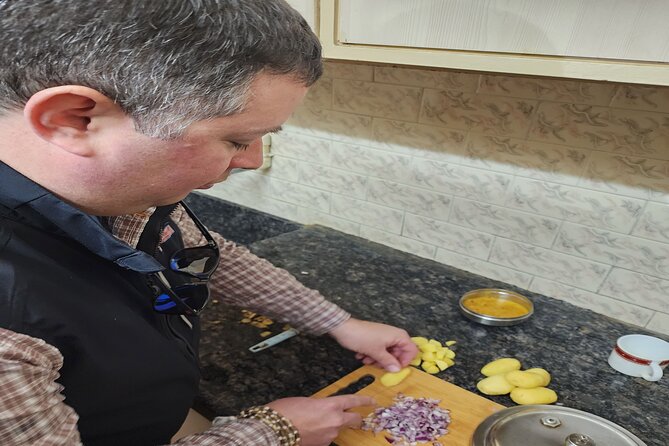
Cooking in a Jaipur home beats eating your way through town. You get a friendly home welcome with a traditional drink, then you cook hands-on dishes like chapati (roti), dal, paneer sabji, and desserts such as kheer and halwa, plus make masala tea. The best part is you eat what you make right after. One thing to consider: the menu can vary by season, and the class is only about 3 hours, so it is more about learning the basics and practical flow than mastering every single technique in depth.
I also like the setup: it is a small private group (up to 6 people) and you get pickup and drop-off, so you can focus on cooking instead of logistics. Lunch and dinner are included, along with tea or coffee, which makes the price feel more like a full experience than a quick activity.
If you have strict dietary needs or allergies, tell the organizer at booking. They note that your menu may change depending on the season, so it is smart to plan your preferences early and confirm what will be used.
In This Review
- Key highlights you can actually plan around
- A Jaipur Home-Kitchen Welcome and the Drink That Sets the Mood
- What You Learn: Chapati, Dal, Paneer, and Classic Desserts
- Hands-On Means You Eat With Confidence
- Why the Menu Might Change in Jaipur (and Why That’s Not a Bad Thing)
- Pickup, Private Group Size, and the Pace of a 3-Hour Lesson
- Price and Value: What $31.77 Really Buys You
- Who Should Book This Class in Jaipur, and Who Might Not Love It
- FAQ
- How long is the Kitchen is Yours cooking class in Jaipur?
- Does the experience include pickup and drop-off?
- What meals are included?
- Is this a private class or shared with other groups?
- Do I get a mobile ticket?
- Will the menu be the same every time?
- What dishes will I learn to cook?
- Does the class include making chai?
- What if I have allergies or dietary restrictions?
- What is the cancellation policy?
- Should You Book This Jaipur Cooking Class?
Key highlights you can actually plan around
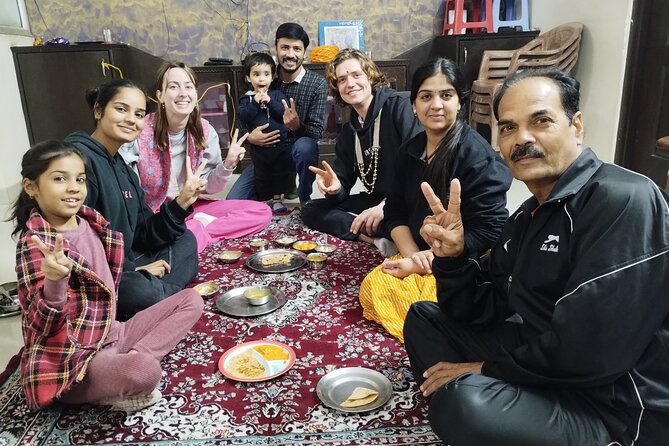
- Welcomed into a real home kitchen with a traditional drink before you cook
- Hands-on cooking of multiple Indian favorites, not just watching
- Masala tea coaching so you can repeat the flavor at home
- Small private group (max 6) for a calmer, more personal pace
- Lunch and dinner included, plus coffee/tea
- Menu varies by season, so you learn what locals are cooking now
A Jaipur Home-Kitchen Welcome and the Drink That Sets the Mood
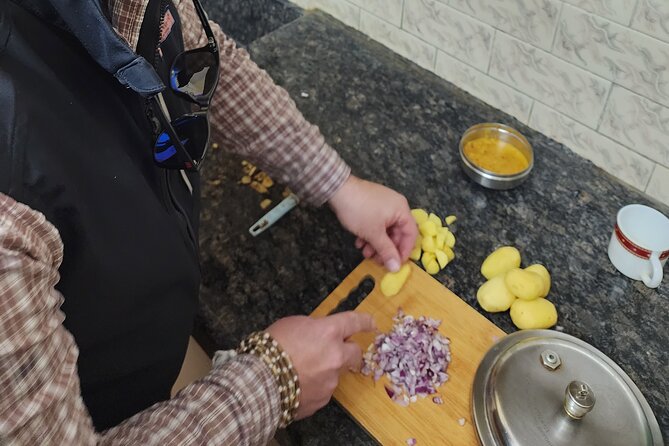
The experience starts where many Jaipur tours don’t go: in someone’s home. You are welcomed there first, and you are served a traditional Indian drink such as chai or lemon water. That opening matters more than it sounds. It eases you into the routine of an Indian meal, and it puts you in the right mindset for cooking instead of rushing straight to an apron.
After the drink, you’ll get introduced to the kitchen itself. Expect a quick orientation to how an Indian kitchen works, plus a broad idea of the different types of Indian cuisine you’ll be making and tasting. This is one of those “small” parts that makes the cooking lessons easier to follow, because you know what category each dish belongs to and why flavors tend to build in layers (rather than showing up all at once).
One practical note: the class runs Monday to Sunday between 10:00 AM and 7:00 PM. So even if your Jaipur days are packed with forts and markets, you can usually find a slot that fits.
You can also read our reviews of more tours and experiences in Jaipur.

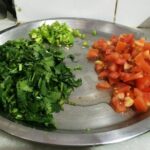
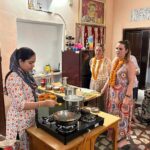
What You Learn: Chapati, Dal, Paneer, and Classic Desserts
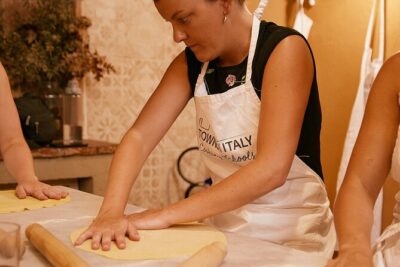
The class is built around cooking several well-known dishes, taught in a hands-on way. Over roughly 3 hours, you’ll work through a mix of savory mains, sides, and sweets. The goal is not just to end up with food on your plate. It is to understand the order of steps and the logic behind common Indian techniques.
Here is what you can expect to learn (menu may vary by season):
- Chapati (roti): The staple you’ll see on many Indian tables, taught in a way that shows you how dough behaves and how to manage heat.
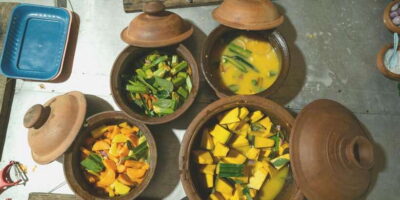
- Seasonal vegetable dishes: You learn how Indian cooking shifts with what is available, and how vegetables are seasoned rather than treated as an afterthought.
- Dal (lentils): You’ll get the dal concept—how lentils become creamy and flavorful through spices and timing.
- Paneer sabji (cottage cheese dish): A classic for those learning Indian flavors, because paneer holds spice profiles well and is forgiving if you follow steps.
- Kheer (rice pudding): A comfort dessert that teaches you how sweetness and texture change as ingredients warm.
- Halwa (semolina pudding): Another dessert that helps you understand how grains and fats interact to create a thick, rich finish.
- Dal & baati: Listed as one of the dishes taught, and a great example of how lentils pair with bread-like components in North Indian cooking.
You’ll also learn masala tea (chai). That is one of the most repeatable skills from this class, because you can recreate it at home using your own kitchen tools. The tasting part also helps you “calibrate” flavors: you learn what balance looks like, not just how to follow a recipe.
And after you finish cooking, there’s time to ask questions. That open-ended Q&A is useful because you can raise practical issues like how to adjust spice levels, what certain ingredients do, or how to get better results next time.
Hands-On Means You Eat With Confidence
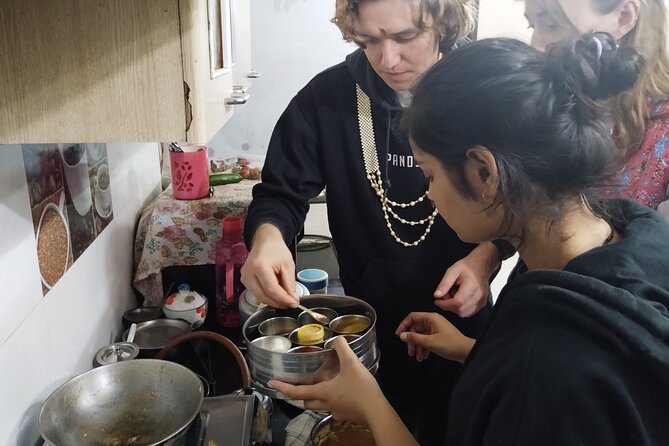
This is not a sit-and-smile class. You cook, you taste, and then you eat. The experience includes meals—lunch and dinner—and the included cooking class and meals are built as a single flow: learn, cook, and then enjoy the results of your own work.
For me, the practical value is simple: once you’ve handled the dough for chapati or worked through the sequence for dal, the dish stops being mysterious. It becomes a set of steps you can repeat. And because you’re eating what you cooked, you get immediate feedback on your process—what worked, what needs adjustment, and how Indian kitchens think about consistency.
It also helps that you’re served coffee and/or tea as part of the included refreshment plan. When you’re cooking, small breaks matter, and having tea or coffee included avoids the awkward moment of realizing you are running low on energy halfway through.
Why the Menu Might Change in Jaipur (and Why That’s Not a Bad Thing)
The organizer notes that the menu may vary depending on the season. That can sound like a drawback if you have your heart set on one specific dish every time. But in a cooking context, it is often a plus.
Seasonal shifts teach you two things:
- Indian cooking is flexible. People adjust what they cook based on what is fresh and available.
- Techniques matter more than one single ingredient list. If you know how seasoning builds, you can swap seasonal vegetables without ruining the dish.
So if you book this during a time when the menu leans more toward certain vegetables or desserts, treat it as learning the kitchen’s current priorities. You’ll still get a solid range of core Indian favorites, including staples like chapati and dal, plus dessert options like kheer and halwa.
Pickup, Private Group Size, and the Pace of a 3-Hour Lesson
Logistics matter on short trips, and this one handles them for you. You get transport for pick up & drop off, which is especially helpful in Jaipur where rides can add up in both time and mental load. You also receive a mobile ticket, and confirmation is received at booking.
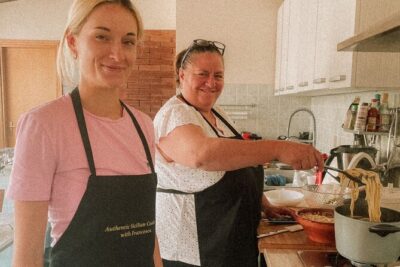
Group size is capped at 6 people, and it is private for your group. In real terms, that usually means the teacher can give you more attention and you are less likely to be shuffled through like a factory tour. It also makes Q&A after the class more useful, because you can ask questions without feeling like you’re competing for time.
Timing is also clearly defined: duration is about 3 hours. That sweet spot is ideal if you want more than a snack stop, but you do not want to lose an entire afternoon.
A small practical detail: the meeting point is noted as being near public transportation. That can help if you are exploring independently and want a backup option, even though pickup is included.




Price and Value: What $31.77 Really Buys You
At $31.77 per person, this class can feel like a bargain once you break down what’s included. You are not only paying for instruction. You are paying for:
- a hands-on cooking class
- lunch and dinner
- tea or coffee
- pickup and drop-off
- all fees and taxes
For a 3-hour experience, that combination is the key value driver. Many food experiences charge you for the tasting, but not for the transportation and not for full meals. Here, the transportation and meals are part of the package, which reduces hidden costs.
Also, the private-group cap (max 6) adds value. You’re less likely to be one face in a crowd, and you’ll likely get more practical coaching while you cook.
The only “value caution” I’d flag: because the menu can vary by season, double-check what dishes you most want if you’re booking very specifically for one item. If you have dietary restrictions, advise them at booking so the value stays high and you’re not stuck with a compromised meal.
Who Should Book This Class in Jaipur, and Who Might Not Love It
You should book this if you want:
- a hands-on cooking experience, not just a demonstration
- to learn the building blocks of Indian staples like chapati and dal
- a repeatable skill like masala tea
- an at-home feel in Jaipur, where meals are part of the experience
- a small private class with pickup and meals included
You might think twice if:
- you only want to watch and take photos and do not want active cooking
- you have very complex dietary needs that require ingredient substitutions, and you do not want to coordinate in advance
- you are looking for a daylong deep immersion. This one is about 3 hours, so it’s focused, efficient, and practical.
If your goal is to leave Jaipur with skills you can use at home, this is the kind of class that tends to stick.
FAQ
How long is the Kitchen is Yours cooking class in Jaipur?
It runs for about 3 hours.
Does the experience include pickup and drop-off?
Yes. Transport for pick up and drop off is included.
What meals are included?
Lunch and dinner are included, along with coffee and/or tea.
Is this a private class or shared with other groups?
It is private. Only your group participates, with a maximum of 6 travelers.
Do I get a mobile ticket?
Yes. You’ll have a mobile ticket.
Will the menu be the same every time?
No. The menu may vary depending on the season.
What dishes will I learn to cook?
The class teaches items such as chapati (roti), seasonal vegetable dishes, dal (lentils), paneer sabji, kheer (rice pudding), halwa (semolina pudding), and dal & baati (with the menu subject to seasonal variation).
Does the class include making chai?
Yes. You’ll be taught how to make masala tea (chai).
What if I have allergies or dietary restrictions?
You should advise the organizer at booking. The experience notes that dietary restrictions and cooking preferences should be shared in advance.
What is the cancellation policy?
Free cancellation is available. You can cancel up to 24 hours in advance for a full refund, and cancellation within 24 hours is not refunded. The experience also depends on good weather.
Should You Book This Jaipur Cooking Class?
If you want Jaipur in a bowl and on a pan, book it. The combination of a home-kitchen welcome, hands-on cooking of multiple dishes, and full included meals makes it good value for the time you spend. The private group size helps you get questions answered, and learning masala tea is a skill that travels well back home.
Book it especially if you like practical lessons and you want to eat with confidence, because you’ll be cooking what ends up on your plate. Just make sure to flag allergies or strict preferences early, since the menu can shift with the season.