REVIEW · KHAO LAK
3 hours Khao Lak Cooking Class and Market Visit
Book on GetYourGuide →Operated by Khao Lak Ethical Elephant Sanctuary · Bookable on GetYourGuide
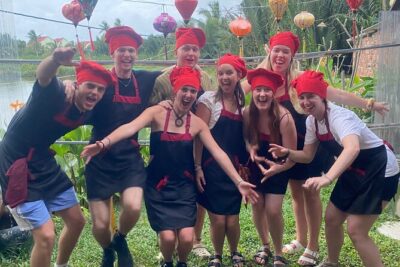
Food shopping, then cooking Thai meals. This Khao Lak class pairs a market ingredient hunt with an expert-led, hands-on cooking session, ending in plates you actually make and eat. You’ll likely get a small-group feel, so you spend more time cooking and less time watching.
I especially like the market tour part, because you learn what matters before the cutting board even shows up. I also like that the chef teaches Thai flavor balance (sweet, sour, salty, spicy) while you’re cooking Pad Thai, Tom Yum Goong, Som Tum, and mango sticky rice. One possible drawback: you may not receive fully detailed, step-by-step cooking instructions, so be ready to take notes as you go.
In This Review
- Key takeaways before you go
- A 3-hour Khao Lak combo: market and wok-cooked Thai meals
- Market tour: what you’ll pick up and why it matters
- Cooking instruction that actually changes how you taste
- Your menu and the “learning goals” behind each dish
- Your hands-on dishes: Pad Thai, Tom Yum Goong, Som Tum, mango sticky rice
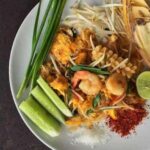
- Pad Thai: more than noodles
- Tom Yum Goong: aromatic heat, not just spiciness
- Som Tum: the papaya salad that teaches balance
- Mango sticky rice: the sweet finish that feels like Thailand
- Fruit carving, coconut milk prep, and the day’s sweet extras
- Price and value: is $87 worth a market tour plus four dishes?
- What to bring (and what to skip) so the day feels easy
- Should you book this Khao Lak cooking class and market visit?
- FAQ
- How long is the Khao Lak cooking class and market visit?
- What’s included in the price?
- What food will we cook in the class?
- Do they provide the class in English?
- What do I need to bring, and is there anything I shouldn’t bring?
- What is the cancellation policy and payment option?
Key takeaways before you go
Market shopping that teaches flavor choices first.
A small, hands-on setup (sometimes just you).
You cook multiple dishes and eat them—snacks included.
Fruit carving or coconut milk prep is part of the experience.
No alcohol is allowed, and you’ll want your appetite.
English-speaking guide support, including Tony on some days.
A 3-hour Khao Lak combo: market and wok-cooked Thai meals
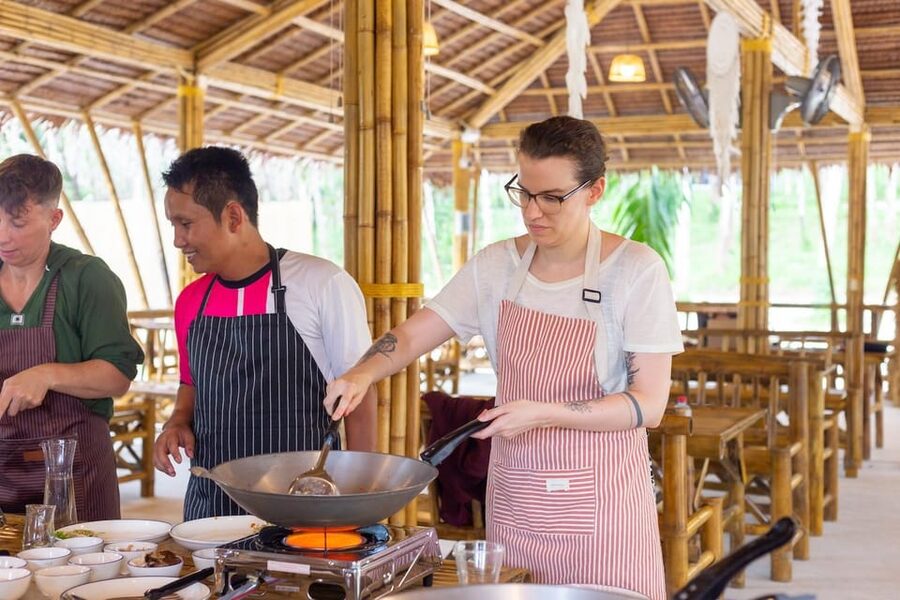
This is built around a simple idea: Thai cooking makes more sense once you understand the ingredients. In about 3 hours, you’ll go from a market visit where you select items for your meal to a cooking session where you actually put those choices to work.
You’ll be with an English-speaking guide, and your session centers on a handful of classic dishes—ones you’ll recognize from Thai street food and family dinners. You start with food samples from the market, then move into the cooking. One practical heads-up: cooking often uses a lot of prep that’s done ahead of time, so you’re not stuck doing every single step from scratch.
If you’re pairing this with an elephant-focused visit in the same area, here’s what to keep in mind: the provider is an Ethical Elephant Sanctuary, and their rules emphasize that elephants aren’t forced into anything. If an elephant doesn’t want to participate in a specific activity, you can still observe and interact only when the animal is comfortable. That matters because it sets expectations for what will happen on the day.
You can also read our reviews of more tours and experiences in Khao Lak.



Market tour: what you’ll pick up and why it matters
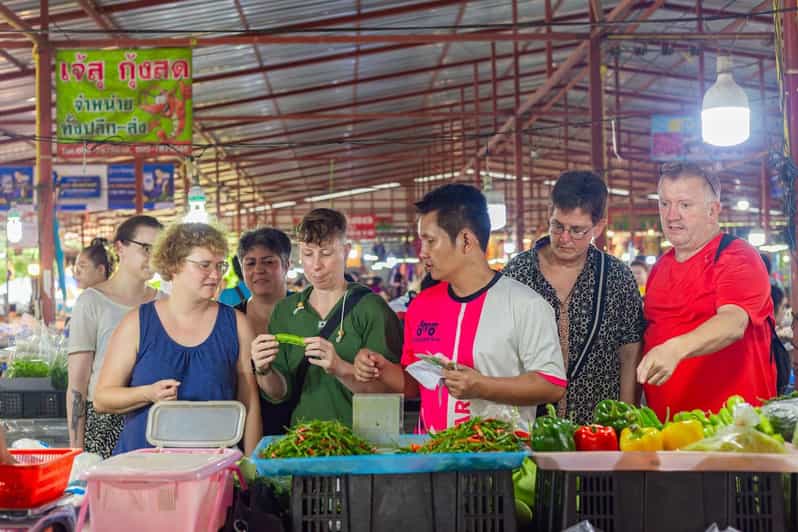
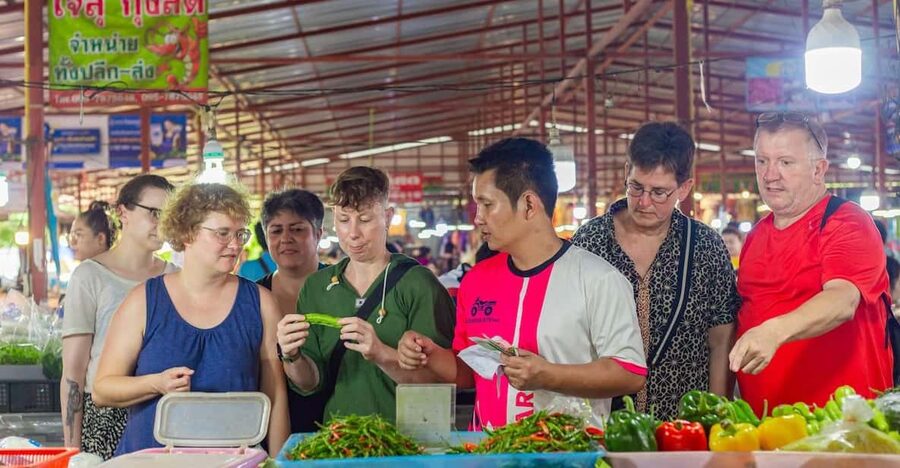
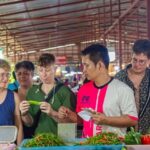
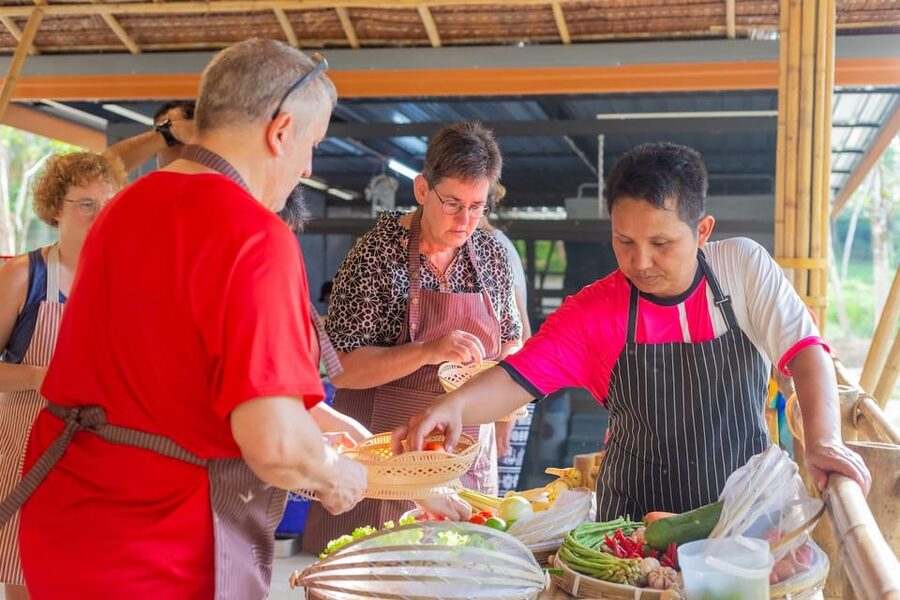
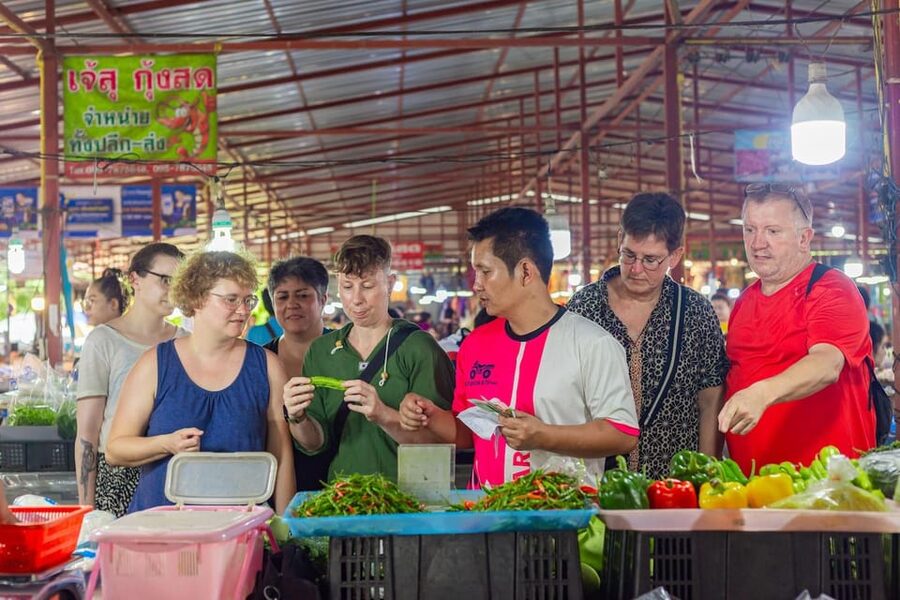
The market stop is where you’ll learn the “why” behind Thai food. Instead of being told, you’re shown ingredients and how they’re used, then you pick items for the dishes you’ll cook later. It’s a great way to understand Thai cooking beyond the final taste.
On some days, your guide is Tony, and the vibe is part practical, part entertaining—he explains things clearly while keeping it light. You’ll typically see key Thai products and learn what they’re doing in a dish. Then you buy ingredients for your meal as part of the session.
A useful tip: go with an empty stomach. Market snacks plus cooking means you can end up eating more than you planned. If you’re a breakfast person, consider skipping it that morning or at least keeping it small.
What you’ll notice in the market:
- Fresh ingredients that affect flavor more than people expect
- How Thai kitchens rely on the right balance (not just spice heat)
- Small choices that change sourness, sweetness, and aroma
And yes, you’ll probably sample things along the way. One highlight mentioned is sesame balls, which people tend to remember because they’re crunchy-sweet and easy to snack on mid-market.
Cooking instruction that actually changes how you taste
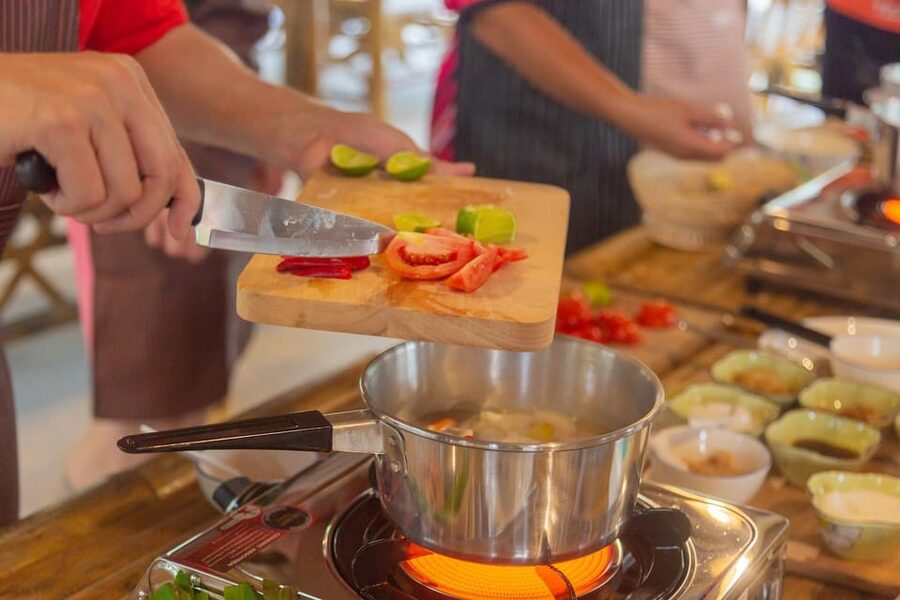
Here’s where Thai cooking becomes real: you learn how to balance the four big taste drivers—sweet, sour, salty, and spicy—while you’re actively cooking. That sounds like a school lesson, but it lands as technique. The chef guides you through what to watch for, not just what to do.
The class setup is hands-on, but you’re not stuck cooking in silence. You’re guided step-by-step, and the session is designed for different skill levels. If you cook at home, you’ll recognize patterns. If you never cook Thai before, you’ll still be able to follow the flow.
One detail I really like about this style of class: even though some components may be prepared in advance, you still do the meaningful parts with the chef—mixing, adjusting, tasting, and building dishes where balance matters. In other words, you’re learning how to correct flavor as you go, which is the skill you’ll want later when you cook at home.
Also, watch how the chef works with timing. Thai flavors often come from quick additions—things added at the right moment so aroma stays bright. You’ll feel this as you move between dishes.
Your menu and the “learning goals” behind each dish
Pad Thai teaches how to balance saltiness with tamarind-like sour notes.
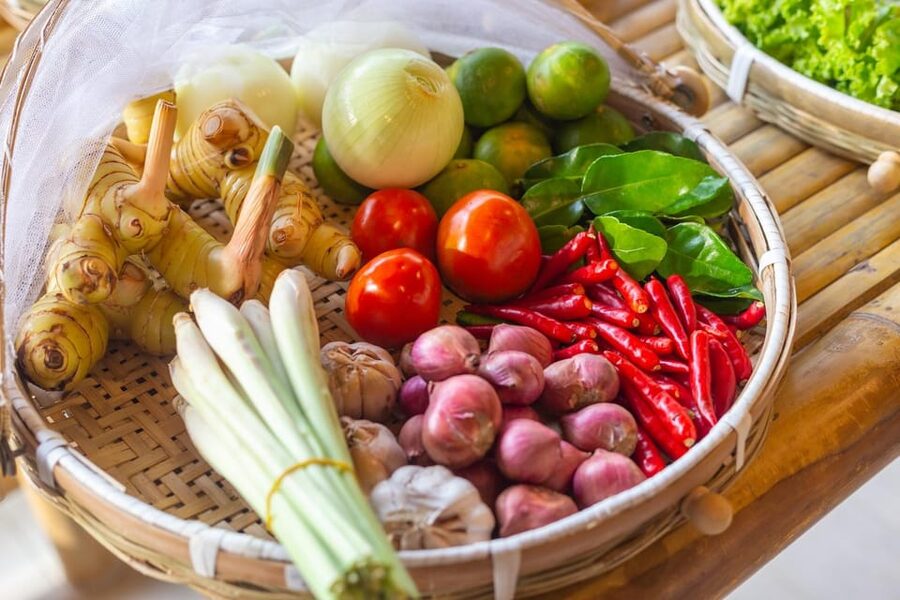
Tom Yum Goong teaches how aromatics and heat work together in a broth.
Som Tum teaches sharp sourness plus crunchy texture and chili heat control.
Mango sticky rice teaches Thai sweetness and how texture finishes the flavor story.
Your hands-on dishes: Pad Thai, Tom Yum Goong, Som Tum, mango sticky rice
Most classes like this center on a couple dishes. This one leans into variety: you typically cook four dishes and eat them as courses. A notable detail is that the cooking can involve preparing the set in a wok, then serving multiple courses.


Pad Thai: more than noodles
Pad Thai is where many people start, but the class approach helps you see it differently. You’ll learn how the sauce and toppings create the final balance—salty, sweet, and tangy working as a unit. It’s also usually one of the most satisfying dishes to eat because it’s warm, filling, and packs contrasting textures.
If you’re hoping to replicate it later, this is the dish to focus on. Take notes on what you add first, and taste while you adjust.
Tom Yum Goong: aromatic heat, not just spiciness
Tom Yum Goong is bold and fragrant, and you’ll understand why Thai kitchens treat aromatics like a core ingredient—not garnish. You’ll learn how to build flavor so the broth tastes sharp, herbal, and hot in a controlled way.
One thing to remember: Tom Yum’s signature feel comes from layers. If you overdo the chili too early, you can lose balance. The chef’s guidance is what helps you get it right in a short session.
Som Tum: the papaya salad that teaches balance
Som Tum is a papaya salad known for its punchy flavor. In class, it becomes a practical lesson in sourness and heat control, plus how crunch matters. You’ll taste how the combination lands—spicy chili, sour notes, salty finish, and sweetness all meeting in one bowl.
If you like Thai food that wakes up your palate, Som Tum is usually the dish that makes you think: yes, I can taste the balance.
Mango sticky rice: the sweet finish that feels like Thailand
For dessert, you’ll make ripe mangoes and sticky rice, a classic combo where sweetness and texture do the heavy lifting. Thai desserts often feel less like a sugar bomb and more like a final harmony. Mango sticky rice gives you that lesson clearly.
It’s a good last step to the meal because it teaches how to enjoy richness without losing the “Thai flavor” character.
Fruit carving, coconut milk prep, and the day’s sweet extras
Not every Thai class includes a creative food moment, but this one does. Included in the experience is fruit carving or coconut milk preparation, so you don’t leave with only dishes—you also leave with another Thai food technique.
This is one of those add-ons that’s easy to underestimate until you’re doing it. Fruit carving is visual and hands-on, and it trains your attention in a different way than cooking. Coconut milk preparation, on the other hand, connects directly to flavor—because coconut milk shows up in Thai sweet and savory dishes.
On top of the planned dessert, there’s often a chance to try homemade ice cream from locals, which people tend to love because it feels personal and different from mass-produced versions. Since it’s not a universal feature in every similar class, treat it as a welcome bonus if it happens during your session.
You’ll also receive a Certificate of Achievement. That sounds small, but it’s a nice souvenir when you’re traveling light and want one tangible proof of the day.
Price and value: is $87 worth a market tour plus four dishes?
At $87 per person for about 3 hours, this is not a budget activity—but it’s also not “tourist-only” pricing. What makes the cost feel more reasonable is that it includes more than just the cooking.
You get:
- Hotel pickup and drop-off
- Market tour (including guidance on what to buy)
- All ingredients and equipment
- Recipe guides
- Free tea or coffee
- A food craft element: fruit carving or coconut milk prep
- A certificate
When you compare it to buying ingredients and paying for an instructor separately, the structure adds value. You’re essentially paying for the learning experience: ingredient selection + chef coaching + a meal you don’t have to assemble at home afterward.
Still, one caution: if you’re the kind of cook who wants exact, fully written step-by-step instructions, there’s a chance the recipe guides may not be as detailed as you’d like. I’d handle this by treating the class as your main instruction and using the guides as a refresher, not your only source.
One more value reality check: some parts can be prepared in advance, which keeps the schedule tight and helps you finish all dishes within the time. If your dream class is “everything from raw to finished with zero shortcuts,” this may feel more guided than hands-on in the rawest sense.
What to bring (and what to skip) so the day feels easy
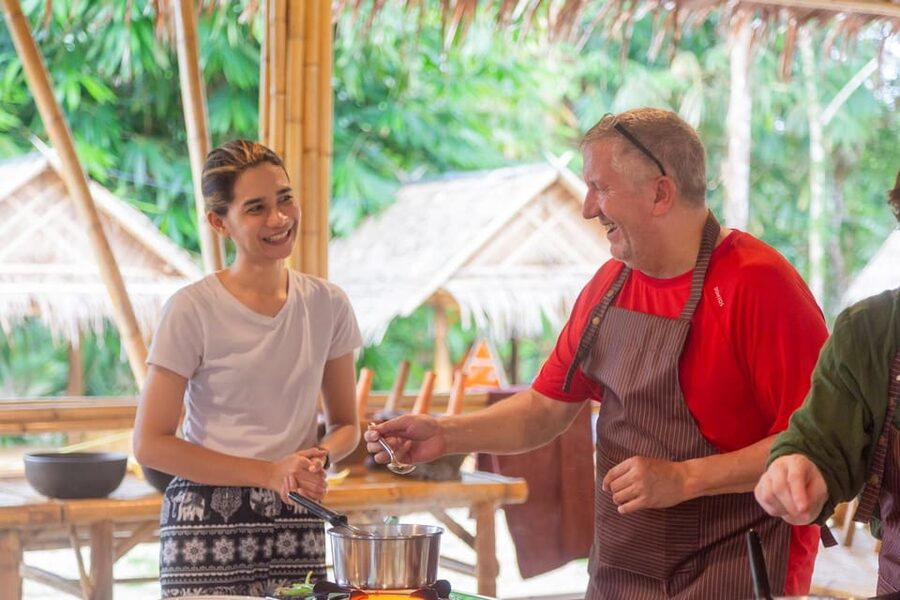
This day works best when you’re comfortable and ready to get a little practical.
Bring:
- A hat
- Change of clothes (you’ll be cooking and you might get messy)
Skip:
- Alcohol and drugs are not allowed
Quick comfort moves:
- Wear closed-toe shoes you don’t mind getting food or water on
- If you’re sensitive to spice, still taste as you go. You can adjust heat in your own cooking later, but you can’t learn balance without tasting
Also, the guide and setup matter. If your goal is maximum personal attention, the small-group feel can be a big plus. There are days where the class can be very small, and that makes a huge difference in how much you talk, ask questions, and cook.
Should you book this Khao Lak cooking class and market visit?
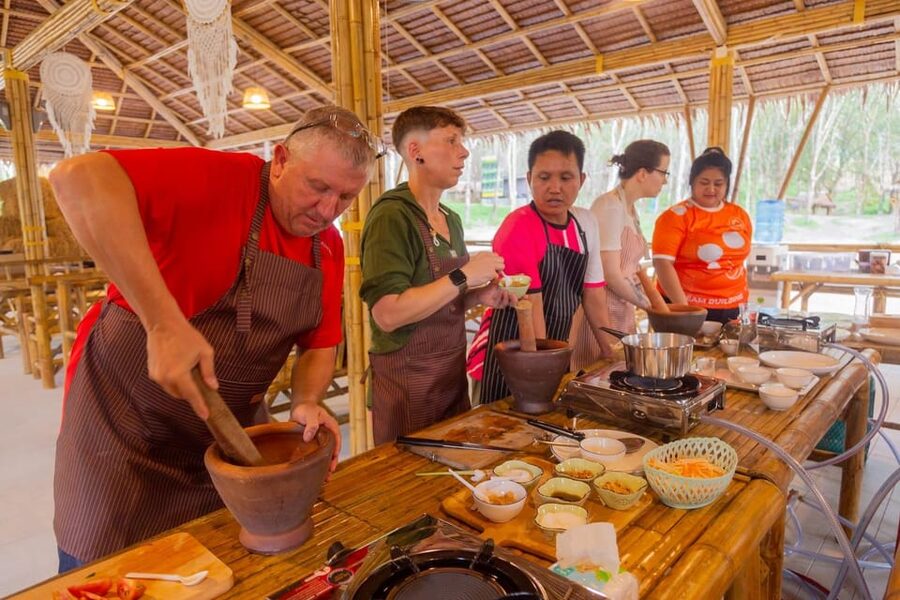
Book it if you want Thai cooking with context: you’ll shop ingredients, learn flavor balance, cook four classic dishes, and leave with both a meal and techniques you can reuse at home. It’s a strong fit for food lovers who like learning by doing, not just watching.
Skip it if you expect a full, no-prep-from-anything-by-hand production experience where every ingredient is processed from scratch with ultra-detailed written instructions. Also skip it if you need a quiet, sit-and-absorb format—this one is active.
If you’re on the fence, here’s my simple decision rule: if you’re excited to taste and adjust flavor while you cook, this class is a great use of your time in Khao Lak.
FAQ
How long is the Khao Lak cooking class and market visit?
The experience runs for 3 hours.
What’s included in the price?
It includes market tour, recipe guides, free tea or coffee, all ingredients and equipment, a Certificate of Achievement, fruit carving or coconut milk preparation, and hotel pickup and drop-off.
What food will we cook in the class?
You’ll cook popular Thai dishes such as Pad Thai, Tom Yum Goong, Som Tum, and mango sticky rice.
Do they provide the class in English?
Yes, the class is offered in English.
What do I need to bring, and is there anything I shouldn’t bring?
Bring a hat and a change of clothes. Alcohol and drugs are not allowed.
What is the cancellation policy and payment option?
You can reserve & pay later, and you can cancel up to 24 hours in advance for a full refund.