REVIEW · KHAO LAK
4-Hour Traditional Thai Cooking Class in Khaolak
Book on GetYourGuide →Operated by Bigcountry Andaman · Bookable on GetYourGuide
Thai cooking gets personal fast. This 4-hour traditional Thai cooking class in Khao Lak is built around a local market run first, then hands-on cooking with a Thai chef in a small group (max 9), so you’re not stuck watching from the sidelines. I like that the day feels practical and active, with guidance that helps you understand ingredients, not just copy recipes.
The second thing I really liked was how clearly the flavor lessons connect to the final meal. In classes led by instructors such as Apple, Da, or Wandee, you learn spice and ingredient basics, then sit down to enjoy dishes you cooked, including standouts like pad thai and mango sticky rice. One consideration: this is genuinely hands-on, so you should be comfortable with chopping, stirring, and working in a hot kitchen for several hours, plus market conditions can be wet or uneven.
In This Review
- Key Points You’ll Care About
- How the 4-Hour Cooking Class Works in Khao Lak
- The Morning Market Stop: Spices, Produce, and Smart Choices
- Back to the Kitchen by Tuk-Tuk, in a Tropical Setting
- Choosing From 32 Dishes: Why This Menu Setup Helps
- Small Groups (Up to 9 People): The Attention You Actually Want
- Chef-Led Cooking Lessons: What You’ll Likely Learn
- The Food Part: Eating What You Cook, Together
- Value Check: Is $79 Worth It?
- Who Should Book This Class (and Who Might Skip It)
- What to Expect Day-of: The Smooth Parts and the Real Parts
- Should You Book This 4-Hour Thai Cooking Class in Khao Lak?
- FAQ
- How long is the traditional Thai cooking class in Khao Lak?
- What group size should I expect?
- Do I get hotel pickup and return?
- What language will the guide speak?
- Can I choose what dishes to cook?
- Do I receive anything after the class?
Key Points You’ll Care About
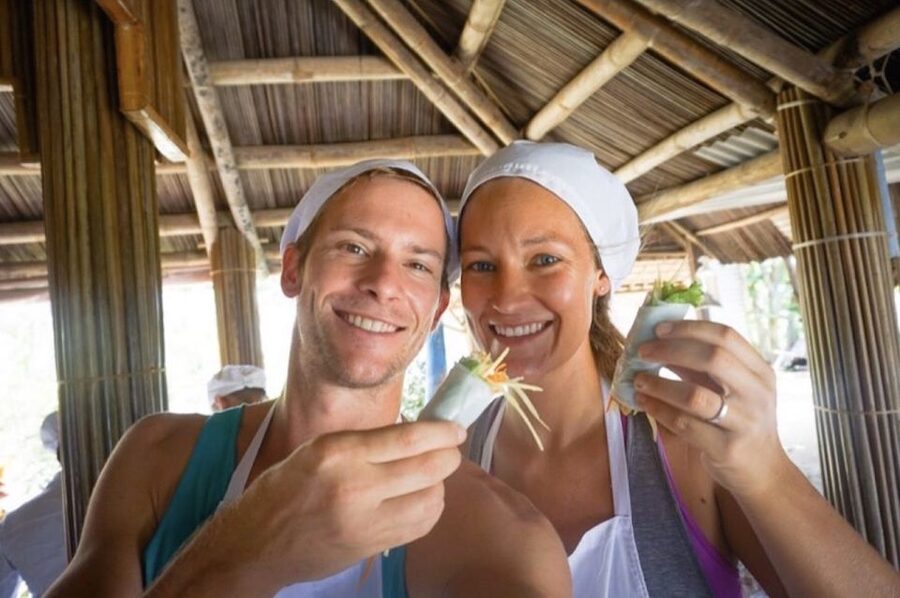
- Morning market shopping for fresh ingredients and spices
- Small group size for real attention (up to 9 people)
- Choose dishes from a menu of 32 options
- Professional English-speaking instruction
- Tuk-tuk ride back to the cooking kitchen
- Eat your own food, then leave with a cooking certificate
How the 4-Hour Cooking Class Works in Khao Lak
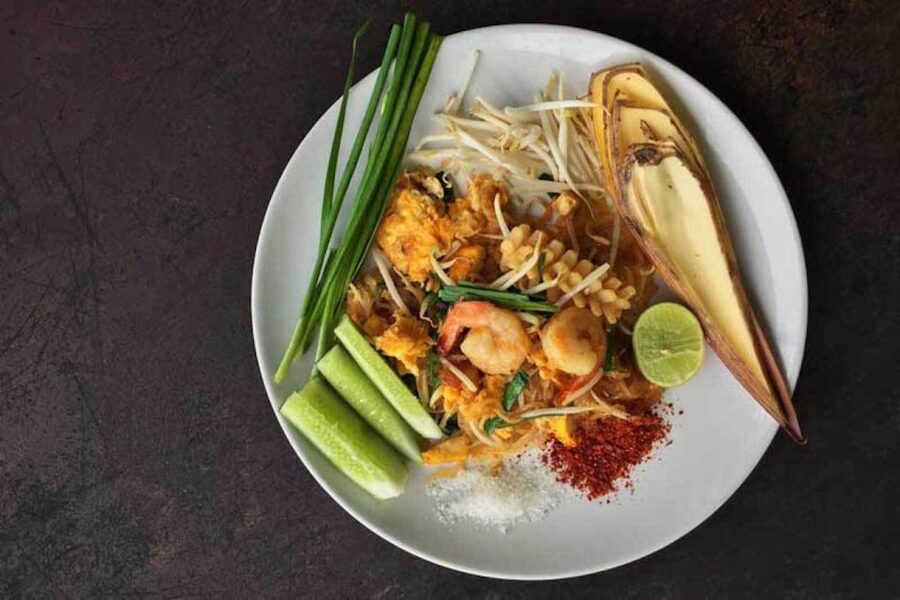
This isn’t a long, staged “cooking show.” It’s a tight, friendly format: you start with shopping, then move into cooking right away, then you eat the results together. The whole flow is built to help you go from ingredient to plate without the usual stress of figuring things out alone.
Timing matters here because the session is only four hours. You’ll spend a meaningful chunk getting ingredients and learning what they do, then the rest is about practicing techniques with chef support. That keeps the experience from feeling like a lecture, and it’s a big reason people leave happy with new skills instead of just photos.
You can also read our reviews of more tours and experiences in Khao Lak.



The Morning Market Stop: Spices, Produce, and Smart Choices
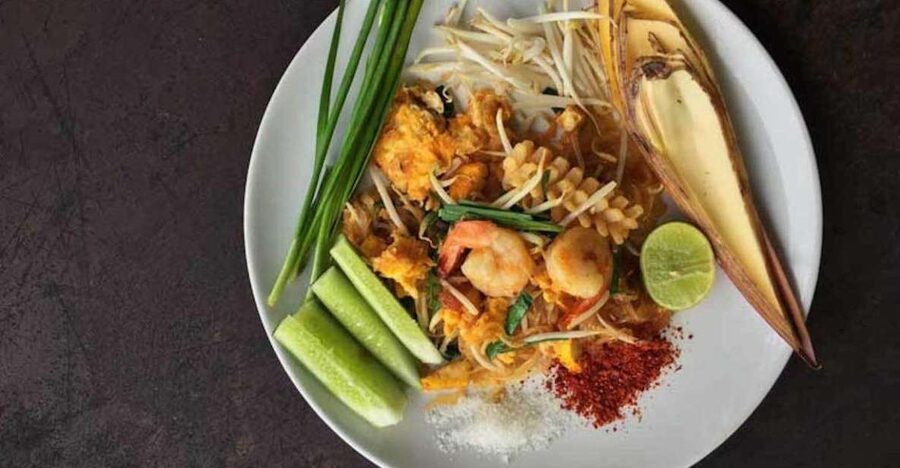
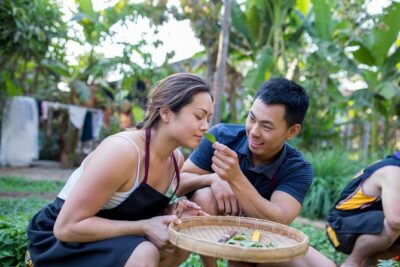
The day kicks off with a visit to the local market to pick up fresh ingredients. You’re not just browsing. You’re learning how Thai cooks think about flavor starters like herbs, aromatics, and the spice mix that changes everything.
What I love about this part is the emphasis on understanding ingredients. Guides such as Da and instructors like Wandee are highlighted in the experience as English-speaking teachers who explain what you’re looking at, including spices and ingredient choices. That makes a real difference because Thai cooking often depends on the balance of sour, salty, sweet, and spicy—not one magic ingredient.
Also, there’s usually a little breathing room to stroll and shop on your own after the main learning phase. In one class setup, you even get around 15 minutes to walk the market area and do some personal shopping, which is a nice way to bring home extra items you liked.
Practical note: markets can be affected by rain or flooded streets. The lesson itself stays organized, but you’ll want basic comfort for walking on uneven ground.
Back to the Kitchen by Tuk-Tuk, in a Tropical Setting
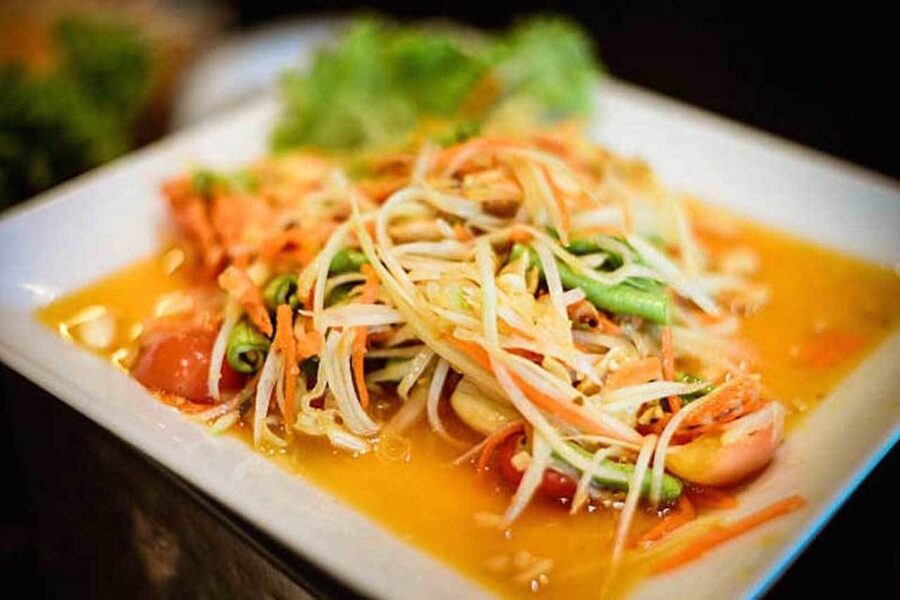
After the market, you head back to the cooking kitchen by tuk-tuk. The transfer is part of the fun, and it also keeps the day moving without adding complicated logistics. You’re taken to the cooking area in a setting described as surrounded by a tropical garden, which makes the whole class feel like a mini getaway rather than a school visit.
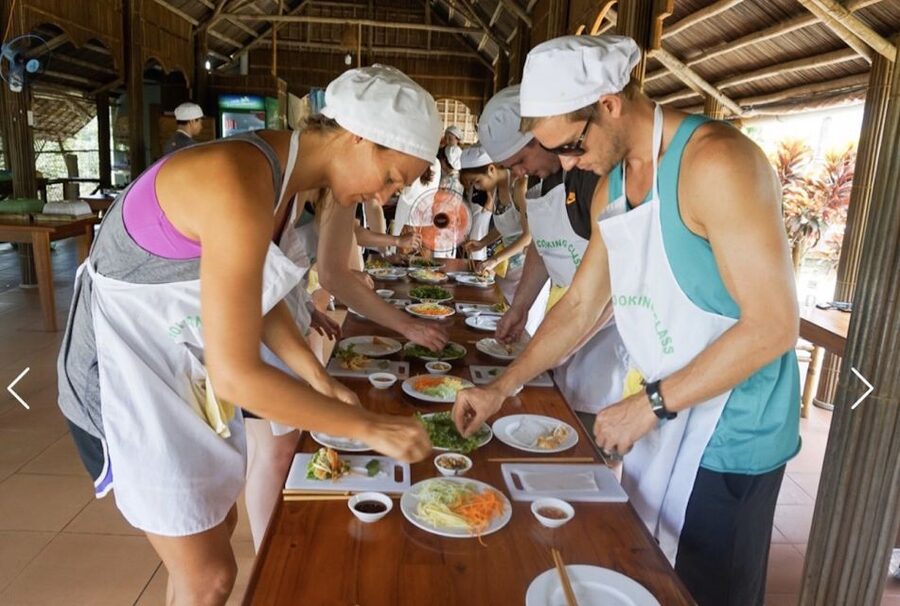
This change of scenery matters. It signals a shift from “shopping and learning” to “hands-on cooking,” and it makes it easier to settle in once you arrive. You’ll be working in a proper kitchen equipped for cooking, with the group kept small enough for your questions to land and not get lost.
Choosing From 32 Dishes: Why This Menu Setup Helps
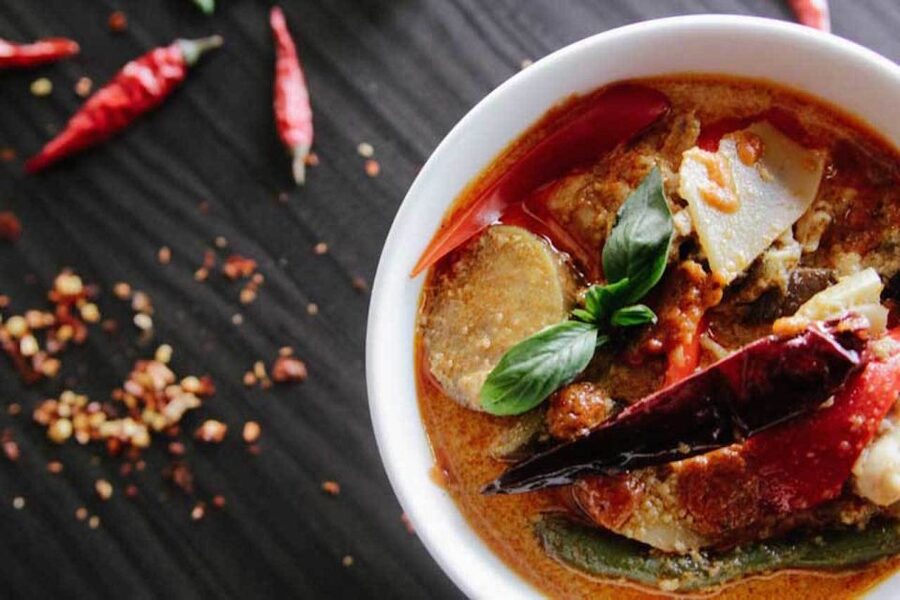
You choose dishes from a menu of 32 different options. That’s a big deal for value and enjoyment because Thai cooking can cover a wide range—from noodle dishes to curries to sweet finishes. Instead of forcing one set menu for everyone, this approach lets you steer toward what you actually want to eat.
In practice, the menu choice helps you tailor the class to your tastes. If you love noodles, you’ll likely gravitate toward something like pad thai. If you prefer a dessert after the main meal, you might choose something in the style of mango sticky rice. The key is that you’re making decisions as a cook, not just as a spectator.
One more advantage: when you pick your dishes, you’re more likely to pay attention to the ingredients and techniques that matter for those exact flavors. That means when you go home, you have a clearer “map” of what to recreate.
Small Groups (Up to 9 People): The Attention You Actually Want
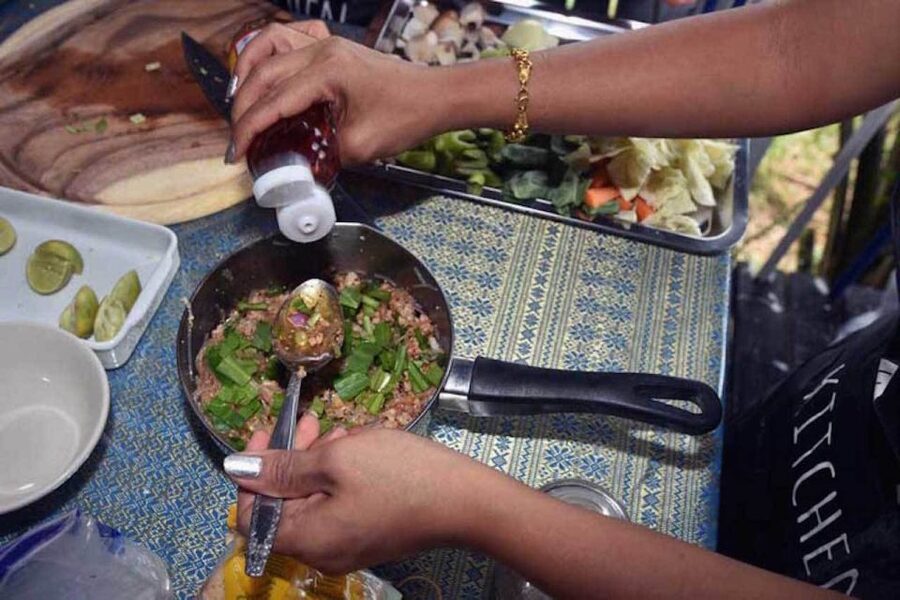
The class is limited to no more than 9 people, which keeps instruction practical. In Thai cooking, small differences in how you prep herbs, balance sauce, or handle heat can affect the whole dish. A big group means you wait. A small group means you get checked and corrected while you’re still cooking.
That’s exactly what you want if you’re going beyond eating Thai food and into learning how to make it. With fewer people, chefs and guides can see what each person is doing and respond quickly. It also makes the meal afterward feel more social because you’re all in it together—ingredient prep to the final feast.
If you’re traveling with family, this small-group setup can also be a plus. One class described cooking with a family group including kids aged 11 and 13, and the format worked well because guidance was easy to follow for everyone involved.

Chef-Led Cooking Lessons: What You’ll Likely Learn
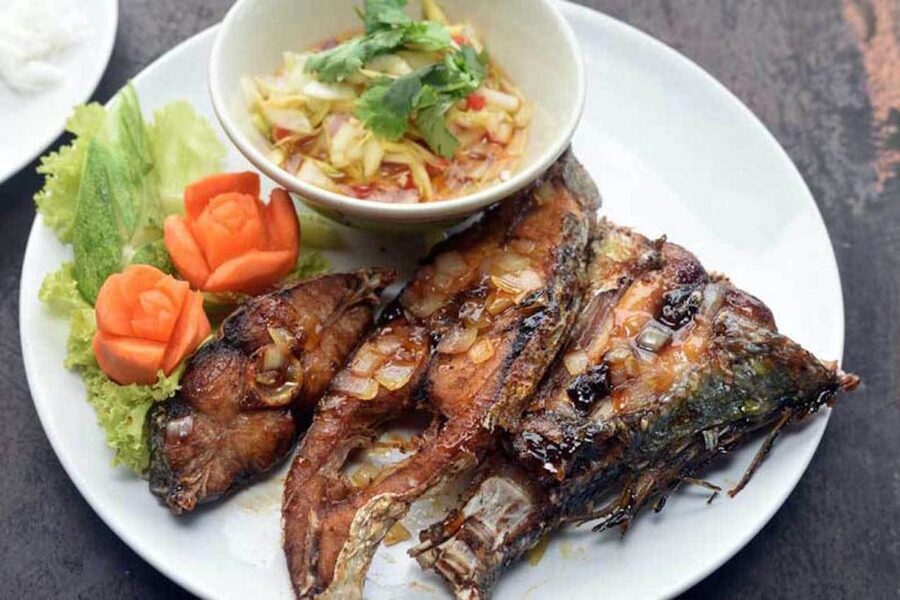
This experience is built around professional instruction from a Thai chef, with English-speaking guidance. You’re expected to cook, not just stand around. The chef and guide teach techniques while you work, and the lessons focus on the “why” behind ingredients and steps.
Based on how the experience is described and how instructors are praised, you can expect a few types of teaching:
- How to recognize key aromatics and spices and what they contribute to the dish
- How Thai flavors get balanced, so sauces don’t taste flat
- How to handle common tasks like stirring, combining ingredients, and timing while cooking
- Tips and shortcuts you can reuse later when you’re cooking at home
In classes led by Apple or Da (named in the experience), the kitchen flow is described as smooth and well organized. That matters because Thai cooking can be time-sensitive. If the station isn’t set up well, you waste time. If it is, you learn faster.
The Food Part: Eating What You Cook, Together
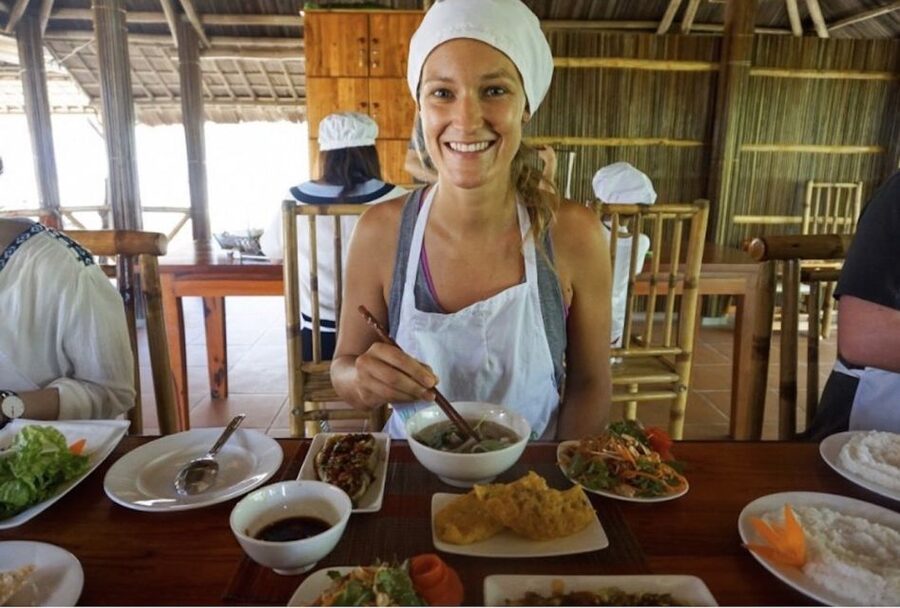
After cooking, you eat what you made with your group. This is not just a bonus. It’s part of the learning loop. When you taste your own dishes, you quickly understand what worked, what needed more balance, and where technique matters.
Common favorites from the class format include:
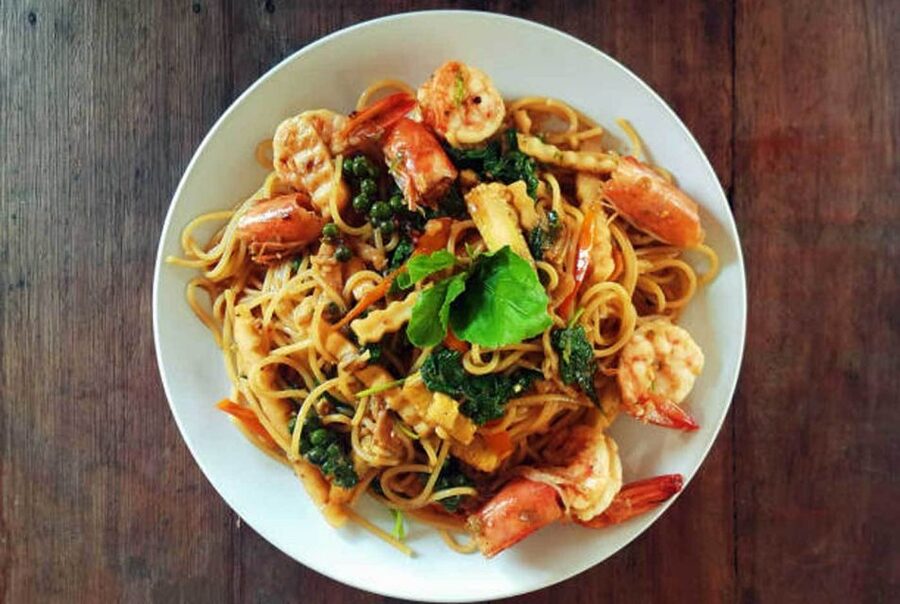
- Pad thai, often prepared with options such as chicken or shrimp depending on what you choose
- Mango sticky rice as a sweet finish
In one example, the group cooked pad thai multiple ways and described it as some of the best they’d had. Even if you’re not a sweets person, it’s worth tasting because mango sticky rice is a different style of dessert than what many people expect—creamy, sweet, and tied to Thai flavor habits rather than generic “cake-sweet.”
If you’re wondering whether this is a “full meal” or a few bites, it’s set up as a feast. You’re cooking your dishes and then eating them, which is exactly how the class is designed to feel.
Value Check: Is $79 Worth It?
For $79 per person, you’re paying for three major things: the market time and ingredient guidance, the chef-led cooking instruction, and the convenience of hotel round-trip transfer plus what’s essentially a prepared cooking experience. You’re also getting soft drinks during the session, and you leave with a cooking certificate.
Here’s how I’d judge the value. If you try to DIY Thai cooking at home, you’ll spend time sourcing ingredients, and you might not know what you’re looking for at the store. This class compresses that learning into a guided day in Khao Lak with real practice. You’re also getting instruction in English, and the group size keeps the experience from turning into “everyone cooks, nobody helps.”
If you enjoy hands-on learning, this price tends to feel fair because you’ll leave with both food and skills. If you prefer food tours where you sample lots of places without cooking, you might prefer a different type of experience. But for learning Thai cooking, this is built like a solid deal.
Who Should Book This Class (and Who Might Skip It)
This is a great fit if you:
- Want to learn Thai cooking in a structured, friendly way
- Like market shopping and ingredient explanations
- Enjoy cooking with a chef and want techniques you can repeat at home
- Travel in a small group (or solo) and want personalized attention
You might skip it if you:
- Strongly prefer a mostly seated food tour with minimal hands-on work
- Want a large group, party-energy experience rather than focused instruction
- Don’t enjoy cooking in a hot kitchen for several hours
If you’re visiting Khao Lak and you want something more meaningful than another meal at a restaurant, this class gives you a “skill souvenir,” not just a memory.
What to Expect Day-of: The Smooth Parts and the Real Parts
The most “smooth” elements are the transfers and the organization. Hotel round-trip transfer keeps the day simple, and the cooking setup is described as well prepared. You’re also provided with soft drinks, which helps keep energy up while you cook.
The “real” parts are the pace and physical involvement. You’re cooking. You’ll probably chop and stir, and you’ll need to pay attention as the timing moves. That’s not a drawback if you enjoy learning-by-doing. It is a consideration if you hate multitasking or you want a relaxed, low-effort experience.
Weather can also affect the market walk. If it’s rainy, expect wet conditions and flooded or messy streets. The market stop is still run in a relaxed way, but pack for comfort.
Should You Book This 4-Hour Thai Cooking Class in Khao Lak?
Book it if you want a genuinely hands-on Thai cooking lesson with English-speaking guidance, a small group, and a day that includes both market learning and a real meal. At $79, it makes the most sense when you care about learning ingredients and techniques, not just eating Thai food.
Don’t book it if you’re hoping for a low-effort experience where you mostly watch. This is cooking class energy, including time in a hot kitchen and active prep steps.
FAQ
How long is the traditional Thai cooking class in Khao Lak?
The class lasts 4 hours.
What group size should I expect?
The class is limited to a small group of no more than 8 people, with information also stating it can be limited to 9 people to maximize individual attention.
Do I get hotel pickup and return?
Yes. Hotel round-trip transfer is included.
What language will the guide speak?
The guide is professional and English-speaking.
Can I choose what dishes to cook?
Yes. You choose your dish from a menu of 32 different dishes.
Do I receive anything after the class?
Yes. You get a cooking certificate after the class is finished.