REVIEW · KHAO LAK
Khao Lak: Half-Day Cooking Class and Ingredient Hunt
Book on GetYourGuide →Operated by Oh-Hoo · Bookable on GetYourGuide
Thai cooking starts at the market. I like how this class turns a visit to the stalls into a real ingredient hunt with clear guidance, then carries those choices straight into cooking. I also love the hands-on garden kitchen setup, where you roll, stir, and plate dishes with an expert chef while the meal stays relaxed and social. One thing to consider: it is not suitable for people with mobility impairments, since you’ll be moving around the market and cooking area.
This is the kind of food experience that feels practical, not performative. The class is small, limited to 10 participants, and the cooking is tailored to your group size, so you aren’t stuck watching while others work. You end with a traditional communal feast and written recipes in English, plus a bit of after-class support if you want it.
For me, the best value is that you’re paying for more than a dinner. You get guided market time, hotel pickup and return in many Khao Lak areas, soft drinks plus coffee or tea, and a full meal built by you. The only real catch is the menu and dish selection depends on what you choose, and you’ll be planning around a short 4-hour window.
In This Review
- Key things you’ll notice
- Khao Lak Cooking Starts with the Market, Not a Demo
- The Ingredient Hunt: Your Choices Drive Your Menu
- Inside the Serene Garden Kitchen: What the Cooking Time Really Teaches
- How the 4–9 Dishes Setup Keeps You Fed and Learning
- The Communal Feast: Shared Plates, Real Satisfaction
- Price and Value: What $72 Really Buys in Khao Lak
- Timing, Pickup, and Group Size in Real Life
- Who This Cooking Class Fits Best (and Who Might Prefer Something Else)
- Recipes and Follow-Up: The Learning Doesn’t Have to Stop at the Feast
- Should You Book This Khao Lak Half-Day Cooking Class?
- FAQ
- How long is the Khao Lak half-day cooking class?
- What is the price per person?
- Does the price include hotel pickup and return?
- Are there extra transfer charges outside the pickup zone?
- What meals and drinks are included?
- Do you eat what you cook?
- What languages are available during the class?
- How many dishes will we cook?
- Are recipes provided after the class?
- Is the activity suitable for people with mobility impairments?
- What should I bring on the day?
Key things you’ll notice
- Guided market ingredient hunt that helps you pick what matters for Thai flavor
- Open-air, garden-style cooking with expert coaching while you actually cook
- Small-group format (up to 10) so you can learn, not just eat
- 4–9 dishes based on group size, so you get variety without feeling rushed
- Communal Thai feast where you share what you made
- English recipes included, plus optional follow-up help from the chef
Khao Lak Cooking Starts with the Market, Not a Demo
If you’ve ever taken a cooking class that begins in a kitchen with pre-prepped ingredients, you’ll instantly see the difference here. The lesson starts outdoors at a local market, where you’re guided to select ingredients that match Thai cooking style, not just whatever looks good at a supermarket.
I like that the market time is sensory. You’re using sight and smell, and you get help with foods that might be unfamiliar. That ingredient picking matters because Thai dishes are built on a balance of aromatics, herbs, and sauces, not just heat. When you choose tamarind, curry pastes, herbs, or the right vegetables with guidance, cooking later feels like you’re repeating steps that make sense.
This is also where you pick up context. You see local market life, you learn why certain ingredients are used, and you get the chef’s perspective on what to look for. In one class story, the instructor even handled questions about ingredients you didn’t recognize, which is a big deal if you’re the type who wants to understand what you’re doing rather than only following steps.
One more plus: the market experience sets the tone. It’s not rushed, and it’s not a shopping spree. You’re there for ingredients, and the cooking studio becomes an extension of the market you just walked through.
You can also read our reviews of more tours and experiences in Khao Lak.

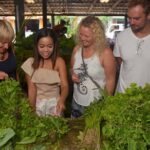
The Ingredient Hunt: Your Choices Drive Your Menu
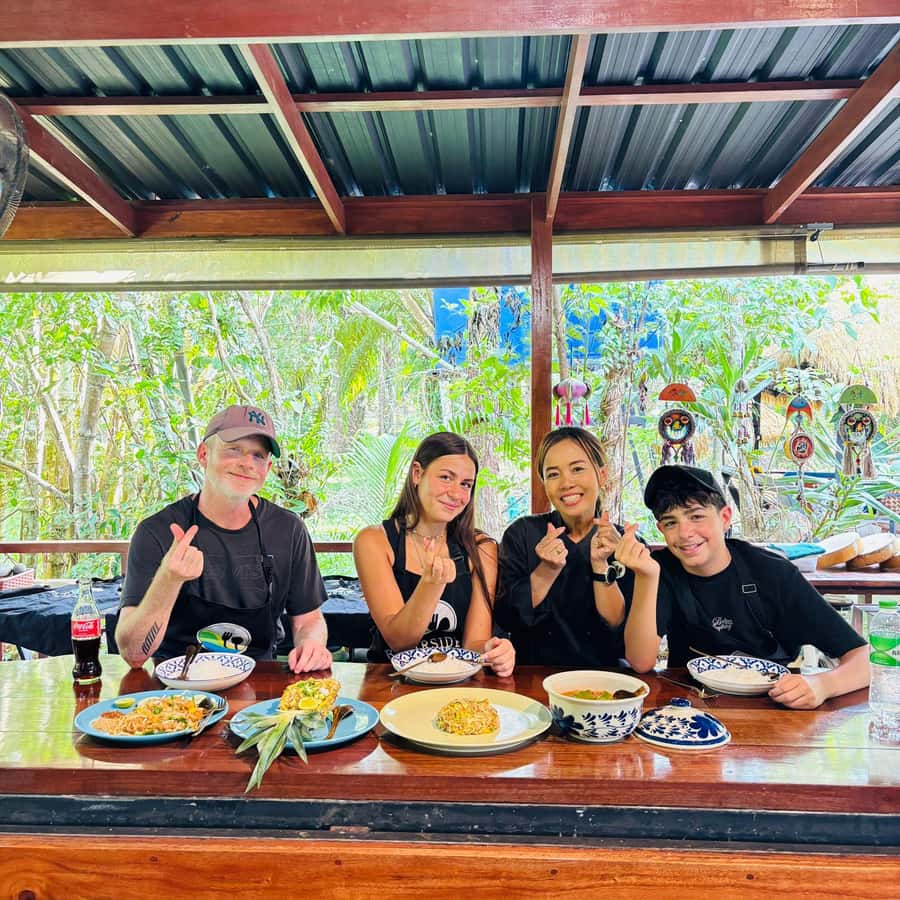
After the market stop, the experience becomes hands-on fast. You’ll shop for the ingredients you’ll use, with a chef guiding you through what to buy and why. Then you return to cook with what you selected.
This is where you get control. You’re not locked into a single dish. The program offers menu options, and the class produces multiple dishes—often 4–9 dishes depending on your group size. That’s a smart structure for a half-day class because you get a fuller meal than one curry and one stir-fry.
Here are some of the menu options you may see offered:
- Panang Curry Chicken, Sweet and Sour Fish, Stir-Fried Prawns with Tamarind, Deep Fried Vegetable Spring Rolls, Red Curry Chicken with Eggplant
- Pumpkin, Prawns and Coconut Soup, Seafood Salad with Fragrant Herbs, and a choice of shrimp or chicken with curry powder
- Yellow Curry Prawns in Coconut Milk, Stir-fried Chicken with Lemon Grass, and Massaman Curry Chicken (plus pork or beef options)
- Golden needle mushroom salad with shrimp, Coriander Pork or Beef with Fresh Pineapple, and Fried Jasmine Rice with prawns and Thai basil
- Lemongrass salad with shrimp or minced chicken, and stir-fried noodles with black soy sauce (plus a meat choice)
- Stir-fried Eggplant with Thai basil and minced chicken, and Chicken with Galangal in Coconut Milk Soup
- Drunken fried seafood, Fresh mushrooms Tom Yum, shrimp with vermicelli, Stir-fried beef with greens
- Fried chicken with basil leaves, Steamed fish with chili sauce, Chicken curry, and Fish fillet with chili lime sauce
You’ll notice the menus mix curries, salads, soups, rice, seafood, and fried items. That variety is exactly what makes a short cooking class feel satisfying. You’re learning the building blocks across multiple flavors and methods.
If you’re picky about seafood or meat, this format can work well because there are options. If you hate cilantro or one specific herb, you’ll want to mention it when you arrive so the team can guide you toward a menu that fits.
Inside the Serene Garden Kitchen: What the Cooking Time Really Teaches
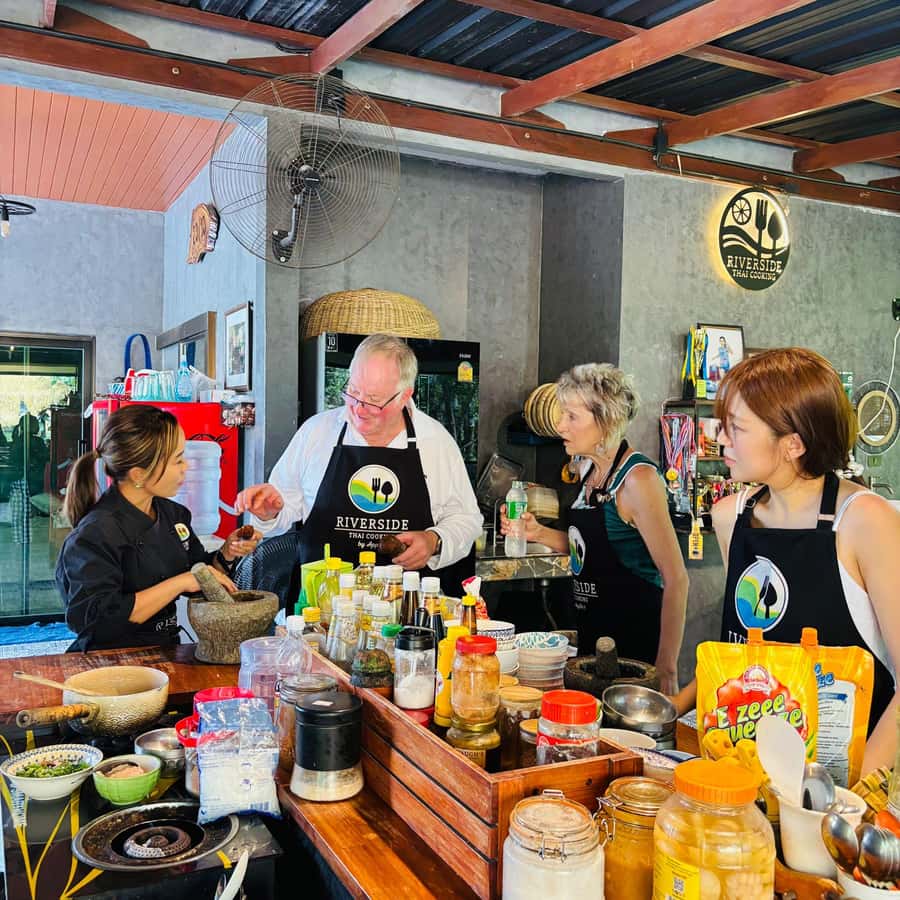
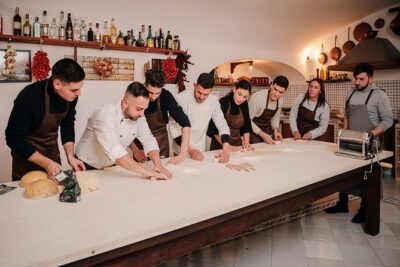
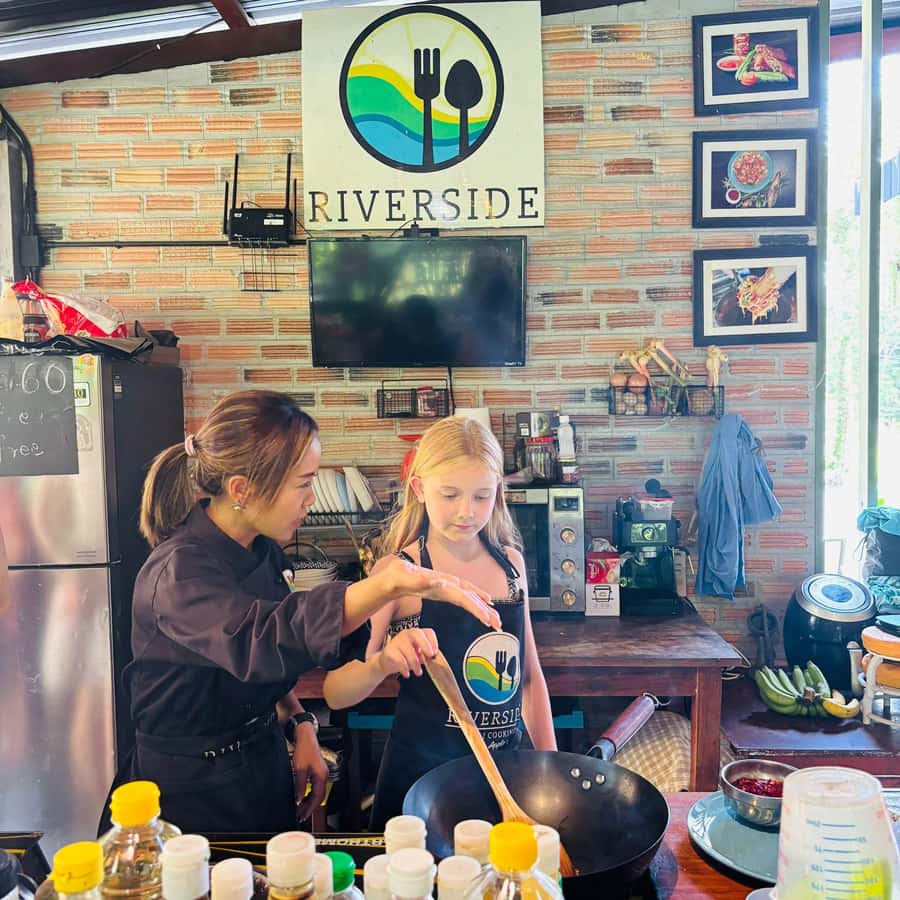
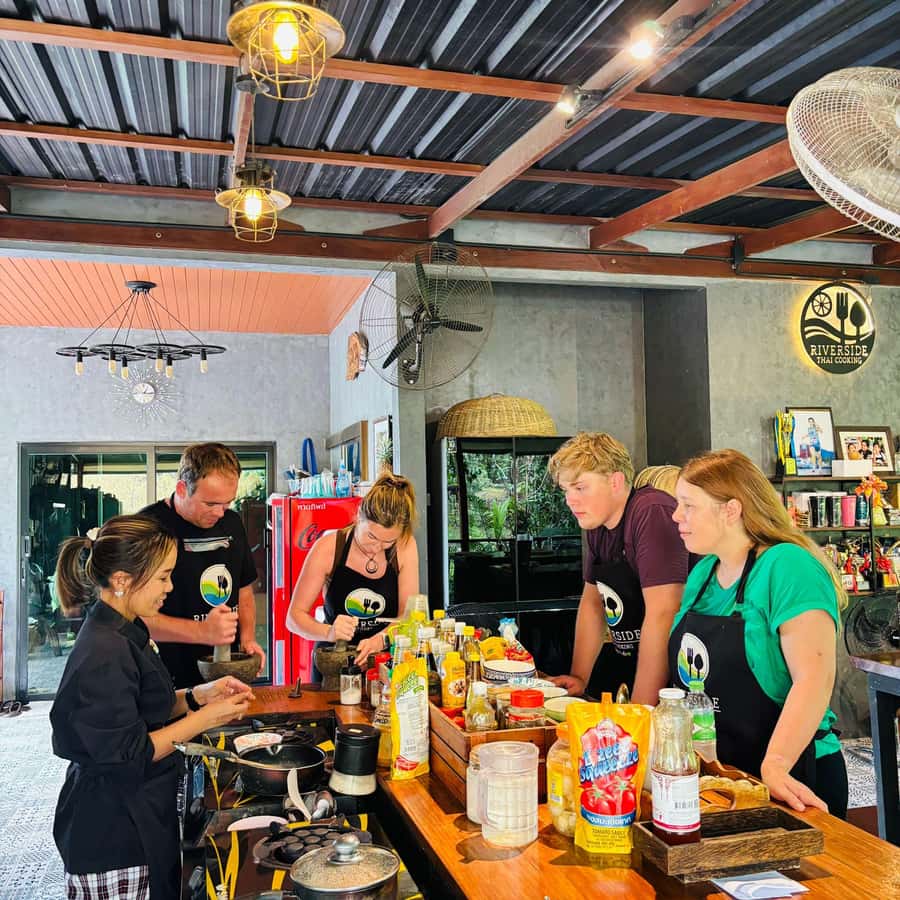
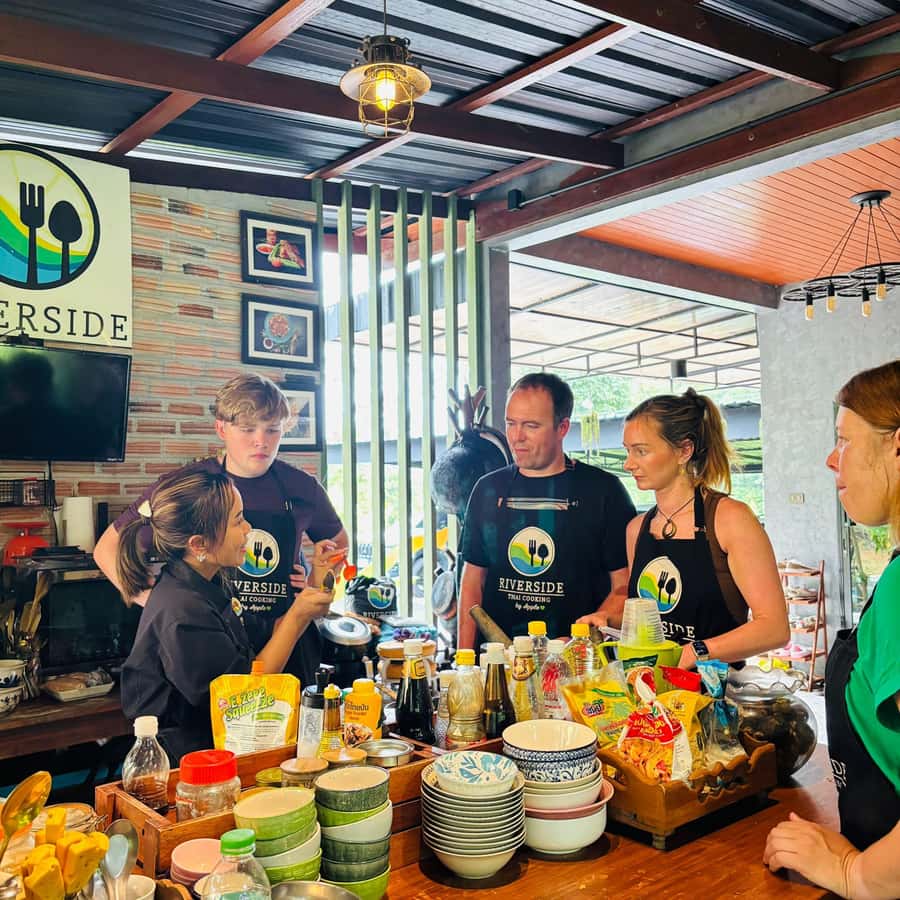
The cooking class takes place in an open-air, garden-style kitchen setting. In plain terms: it feels like Thai cooking classrooms should feel—practical, comfortable, and rooted in real technique.
The best part is that you’re not just tasting. You’re rolling, simmering, and cooking. The experience is hands-on and built around common Thai methods like:
- rolling and frying spring rolls
- simmering curry dishes
- building flavor with herbs and aromatics
- mixing and finishing with sauces that give Thai food its signature balance
This is also where the chef’s teaching style matters. In feedback from classes, instructors named Apple and Pui stood out for clear instruction and upbeat energy, and both were praised for helping students feel comfortable with ingredients they didn’t know. That matters because the biggest roadblock in Thai cooking is often confidence: what do you do when you don’t recognize a spice or herb?
Another practical note: a well-run class can handle small setbacks without derailing you. In one account, even a power outage didn’t stop the group from finishing and serving food. That tells me the kitchen team is used to keeping things moving, which is exactly what you want when you’re spending your vacation time learning rather than waiting around.
How the 4–9 Dishes Setup Keeps You Fed and Learning
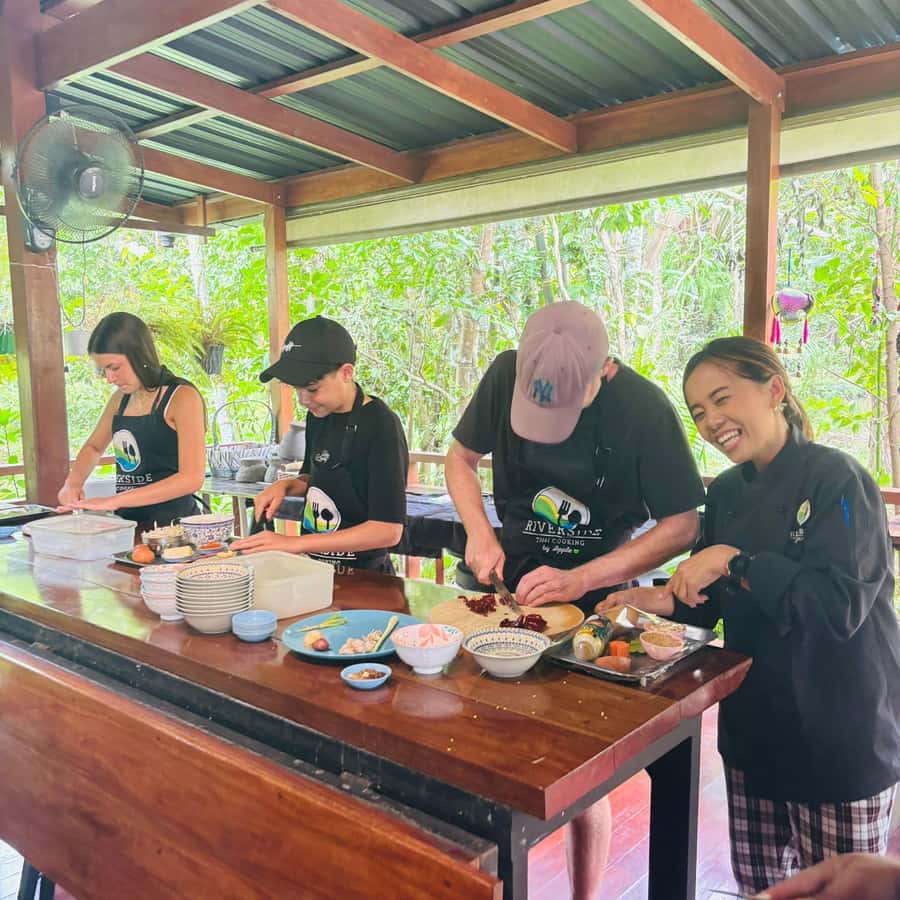
A short cooking class has one main challenge: how do you fit enough food to feel worth your time without turning it into a chaos sprint? This format answers that with a simple math rule. The class prepares 4–9 dishes based on the group size.
That group-size tailoring is more than a marketing line. In a class capped at 10 people, you can usually rotate through stations and still have time to understand steps. You’re more likely to taste, adjust, and ask questions during cooking instead of only at the end.
For you, this means you’ll leave with a full meal and a better sense of how different dishes relate. Curries won’t feel random. Fried items won’t feel like separate worlds. Soups, salads, and rice start to look like systems built from overlapping ingredients.
There’s also a practical upside: you’ll eat what you make during the communal feast, and you can take food away too. That reduces the pressure to pack snacks for later, and it helps if you’re traveling with kids or you just get hungry again after a few hours.
The Communal Feast: Shared Plates, Real Satisfaction
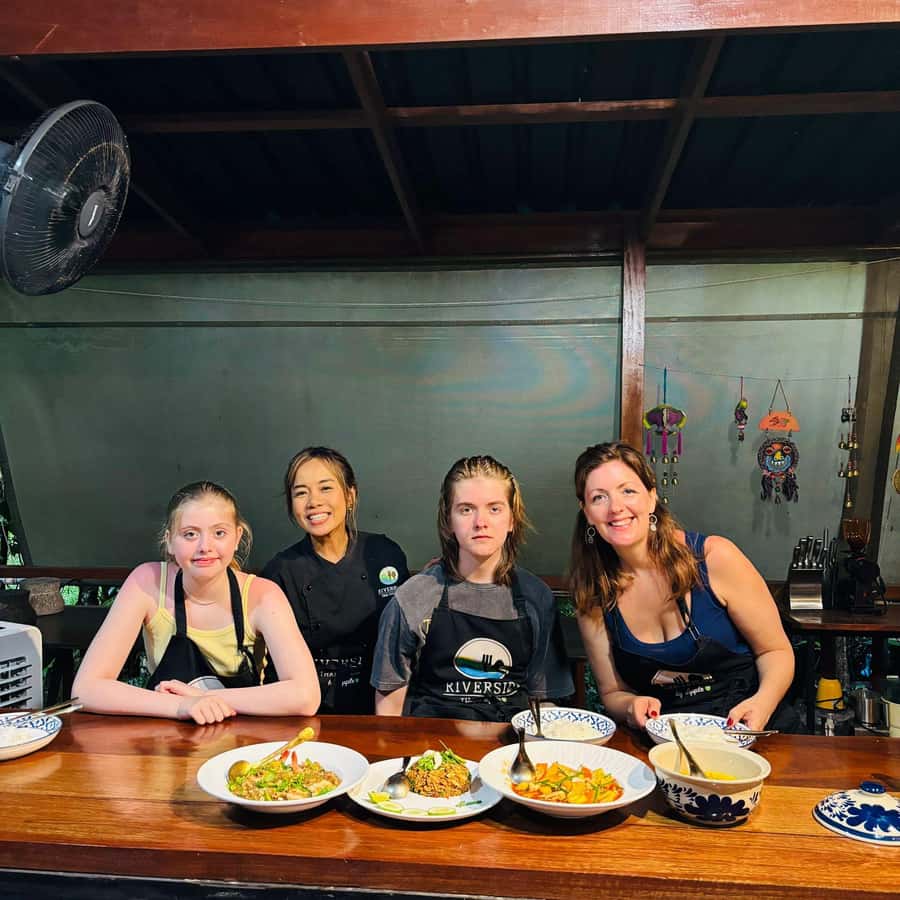
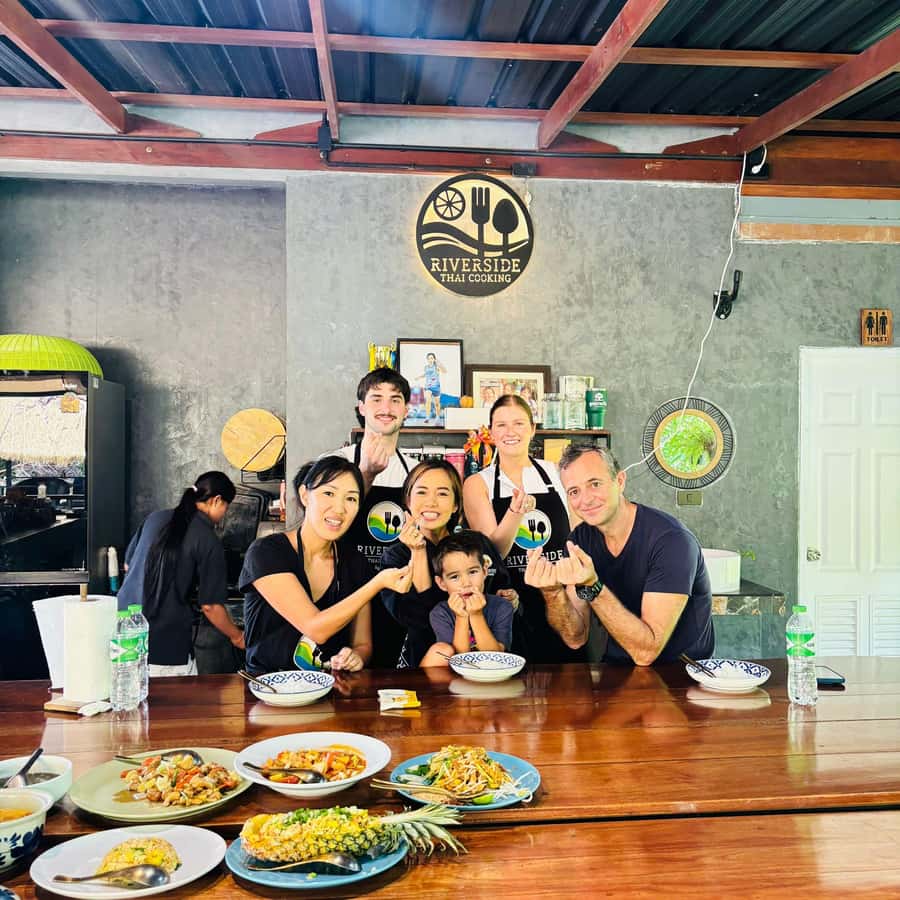
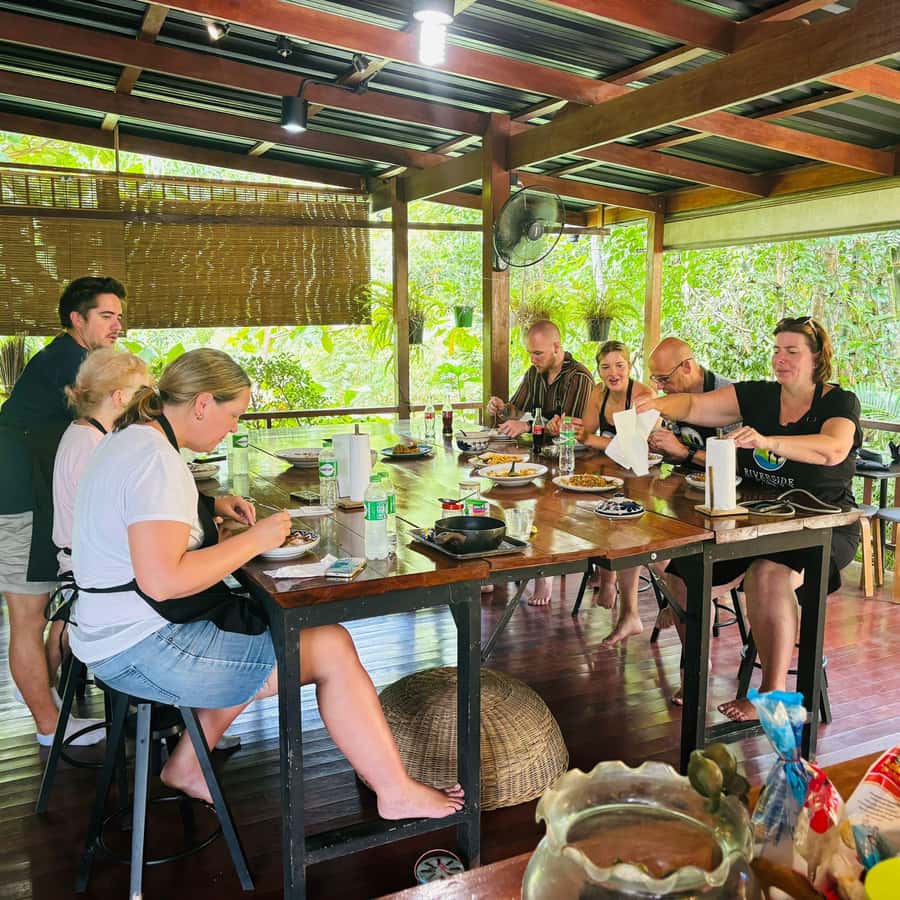
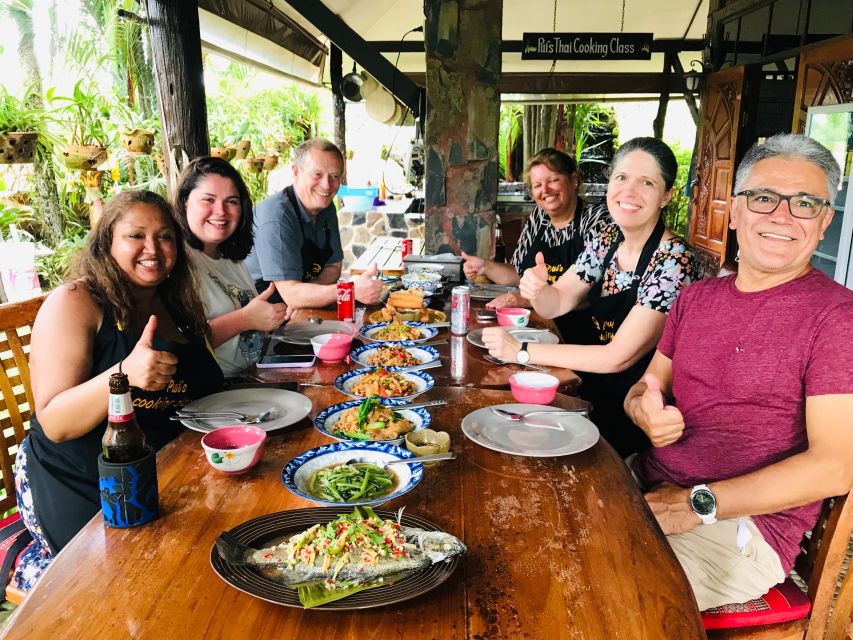
After cooking, the experience ends with a traditional Thai communal feast where you share the dishes you prepared. This part is more than the final photo op. It’s where learning turns into satisfaction.
Thai meals are meant to be shared and adjusted. Even if each dish has its own identity, the overall experience is about balance on the table. When you made the spring rolls, the curry, the salad, or the soup yourself, you’ll notice flavors more clearly. You’ll also recognize what you did right and what you’d tweak if you made it at home.
In feedback, people noted how full they felt at the end of class. That tracks with the dish count and the fact that you get multiple courses on one table. If you’re thinking of this as a meal replacement for the day, it usually works.


Price and Value: What $72 Really Buys in Khao Lak
At about $72 per person for a 4-hour experience, this sits in the mid-range for cooking classes in Thailand. The key is what’s included.
You get:
- free hotel pickup and return for hotels in Lam Kean, Bangsak Beach, and south of Khao Lak
- market visiting and ingredient shopping
- lunch/dinner (the communal feast)
- soft drinks, plus coffee or tea
- written recipes in English
- eating all your food (and you can take some away)
- a live Thai/English tour guide
- small-group size limited to 10 participants
That’s a lot of value for a half-day. You’re not just paying for the kitchen. You’re paying for the market guidance, the ingredient selection, and the instruction time to turn those items into a real meal.
The one cost to watch: an extra 200 THB round trip transfer is not included if you’re in Namkhem, north of Khao Lak. If you’re farther north than the included pickup zone, ask ahead so you don’t get surprised.
Timing, Pickup, and Group Size in Real Life
This runs for 4 hours, so you’ll want to plan your day around it. You’ll be collected from your hotel area, and the operator confirms the pickup time by email. The practical tip here is simple: don’t wait until the last minute to check your inbox.
You should also plan to meet your guide at the hotel lobby at least 10 minutes before scheduled pickup. If you’re late, you may be treated as a no-show because the guide moves on.
Language support is Thai and English, and there’s a live guide. That matters because market ingredient names and cooking steps come faster than you might expect, especially if you’re holding a cutting board and trying to learn at the same time.
And yes, mobility can be an issue. The experience is noted as not suitable for people with mobility impairments, so if stairs or uneven ground are a concern, it’s worth reconsidering.
Who This Cooking Class Fits Best (and Who Might Prefer Something Else)
This class is a good match if you want to learn by doing, not by watching. It works well for:
- couples who want a shared activity with a proper meal at the end
- families looking for a structured, hands-on outing
- solo travelers who want English support and a small group atmosphere
In one set of feedback, people specifically said it worked well even for kids and teens. Another theme was how organized the class felt and how friendly the staff were, which makes a difference when you’re trying to learn a new cooking method on vacation.
If you already know Thai cooking well and want deep technical training with advanced knife work, you might find this best as an ingredient-and-method refresher rather than a full culinary boot camp. But for most visitors, the mix of market + cooking + feast is exactly the sweet spot.
Recipes and Follow-Up: The Learning Doesn’t Have to Stop at the Feast
You receive written recipes in English. That’s helpful because it gives you a checklist for the next time you’re grocery shopping at home.
One review also highlighted that you can ask the instructor follow-up questions if something doesn’t work out later, and that the chef shares more ideas on a YouTube channel. You shouldn’t assume every question will get answered immediately, but it’s a nice sign that the teaching doesn’t end when the meal is finished.
If you like cooking, this is what makes the class worth repeating. You’ll want to recreate a curry or salad once you’re home, and having clear instructions in English makes that much easier.
Should You Book This Khao Lak Half-Day Cooking Class?
I think this is a smart booking if you want Thai cooking that starts with real ingredients and ends with a full communal meal. The market ingredient hunt is the part that makes it feel authentic and practical, and the small-group kitchen setup helps you learn in a way that sticks.
You might skip it if mobility is a concern for anyone in your party, since the experience is not suitable for mobility impairments. Also, if you’re only interested in one dish or you hate the idea of a short 4-hour schedule, you may find the variety stressful rather than fun.
If you’re staying in Lam Kean, Bangsak Beach, or south of Khao Lak, the hotel pickup inclusion adds real value. Just confirm your pickup time by email and arrive early at the lobby.
If this sounds like your kind of vacation day—market senses, hands-on cooking, and a shared table—you’ll likely enjoy it a lot.
FAQ
How long is the Khao Lak half-day cooking class?
It lasts 4 hours.
What is the price per person?
The price is listed at $72 per person.
Does the price include hotel pickup and return?
Yes, pickup and return are free for hotels within Lam Kean, Bangsak Beach, and south of Khao Lak.
Are there extra transfer charges outside the pickup zone?
Yes. An extra transfer charge of 200 THB round trip applies for Namkhem, north of Khao Lak.
What meals and drinks are included?
Lunch/dinner is included, along with soft drinks and coffee or tea.
Do you eat what you cook?
Yes. You eat all your food during the communal feast, and you can also take food away.
What languages are available during the class?
The guide offers Thai and English.
How many dishes will we cook?
The class prepares 4–9 dishes, depending on your group size.
Are recipes provided after the class?
Yes, you receive written recipes in English.
Is the activity suitable for people with mobility impairments?
No, it is listed as not suitable for people with mobility impairments.
What should I bring on the day?
You should bring a passport or ID card (a copy is accepted).