REVIEW · NARA
Nara: Cooking class, learning how to make authentic sushi
Book on GetYourGuide →Operated by 梅守寿司学校 · Bookable on GetYourGuide
Sushi-making starts with a rice lesson. This 90-minute class in Nara teaches you how to make sushi at home, step-by-step, and you even get to dress up in Happi while you learn the basics. You’ll leave with sushi you made yourself, not just a photo and a story.
I especially love the focus on shari/sumeshi (vinegar rice) and how the instructor guides you through the mixing trick so the rice comes out right. I also like that the instructor is genuinely fun and uses English so you can ask questions without guessing.
One thing to plan for: the class can run longer than the posted 90 minutes, and the graduation/photo steps can add extra time. If you have a tight afternoon schedule, you’ll want a buffer.
In This Review
- Key Things I’d Prioritize Before You Go
- Nara’s Sushi Class: What You’ll Learn (And What You Can Repeat at Home)
- Where the Class Meets Near Shin-Omiya Station (So You Don’t Waste Time Looking)
- Dressing Up in Happi: More Than a Costume
- The Shari/Sumeshi Lesson: The Skill That Changes Your Sushi
- Building Sushi: Pre-Cut Convenience With Optional Real Cutting
- The Meal Part: Eating the Sushi You Made
- Certificate, Graduation, and Photos: Cute Traditions With a Timing Cost
- Price and Value: Is $113 Worth It?
- Timing, Weather, and Getting There Without Stress
- Who This Sushi Class in Nara Is Best For
- Should You Book This Nara Sushi Class?
- FAQ
- How long is the sushi class?
- Where do I meet the instructor?
- Does the class accommodate vegetarians, vegans, and Muslims?
- Can they adjust for allergies or dietary restrictions?
- What’s included in the price?
- Are drinks included?
Key Things I’d Prioritize Before You Go
- Vinegar rice is the real skill: you learn shari/sumeshi first, because everything in sushi builds on that base
- Beginner-friendly prep: ingredients are already cut, but you can request fish-cutting help if you want to go further
- You can customize toppings and diets: options for vegetarians, vegans, Muslims, and adjustments for allergies are available
- Happi outfits and Japanese spirit moments: you’ll dress the part and learn cultural bits alongside the cooking
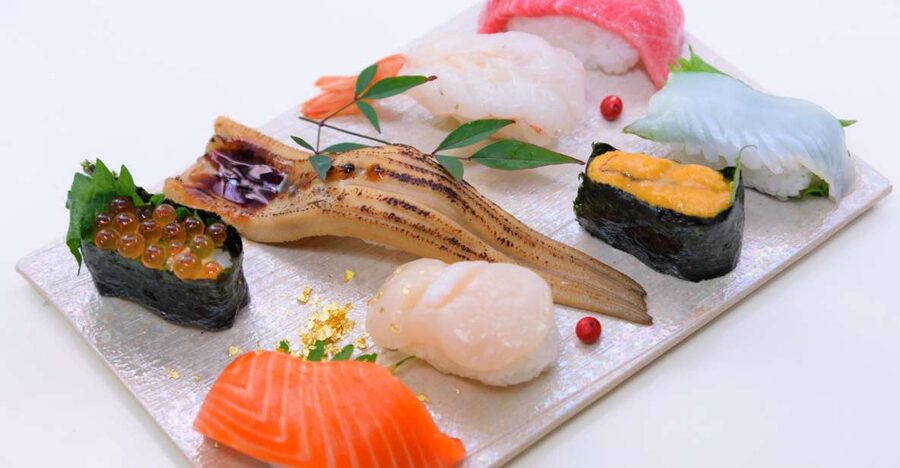
- You eat what you make: the class includes 8 sushi pieces, plus a completion certificate and souvenir photos
Nara’s Sushi Class: What You’ll Learn (And What You Can Repeat at Home)
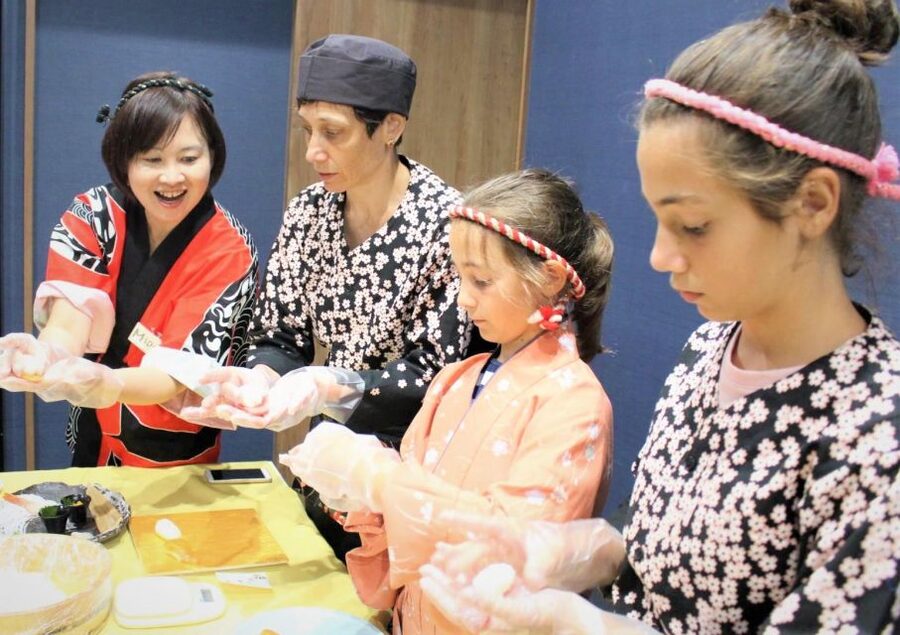
This isn’t a “watch and snack” demo. It’s built so you can walk out knowing what to do when you’re back in your kitchen. The center of the experience is the method for making sushi rice—called shari or sumeshi—and that’s smart, because most people fail at sushi at home for one reason: the rice.
You’ll start by learning how to mix vinegar specially blended for sushi with freshly cooked rice. The key point is that there’s a trick to getting it mixed well, and that’s exactly what you’re there for. Once your rice is done, you’re not stuck waiting for someone else to do the hard work—you’re building sushi with your own hands.
The second big thing is seafood prep. The class includes fish cutting support if you ask, and they can guide you through portions like how to handle and cut different seafood types. Even if you keep it simple, you still get the techniques that matter: portioning, assembling, and making it look like sushi rather than a rice ball accident.
Where the Class Meets Near Shin-Omiya Station (So You Don’t Waste Time Looking)
The meeting point is near public transportation, which is great in Nara where walking can add up fast.
You’ll start by getting off at the south entrance of Shin-Omiya Station on the Kintetsu Line. Turn right into the narrow street and go down until you see a railroad crossing. Turn right there and you should spot the class location soon, in front of the Nara Loyal Hotel, behind a parking area.
This is the kind of meeting spot where you’ll feel calmer if you arrive a few minutes early. The instructions are clear, but narrow streets and a railroad crossing are easy to miss if you rush.
Dressing Up in Happi: More Than a Costume
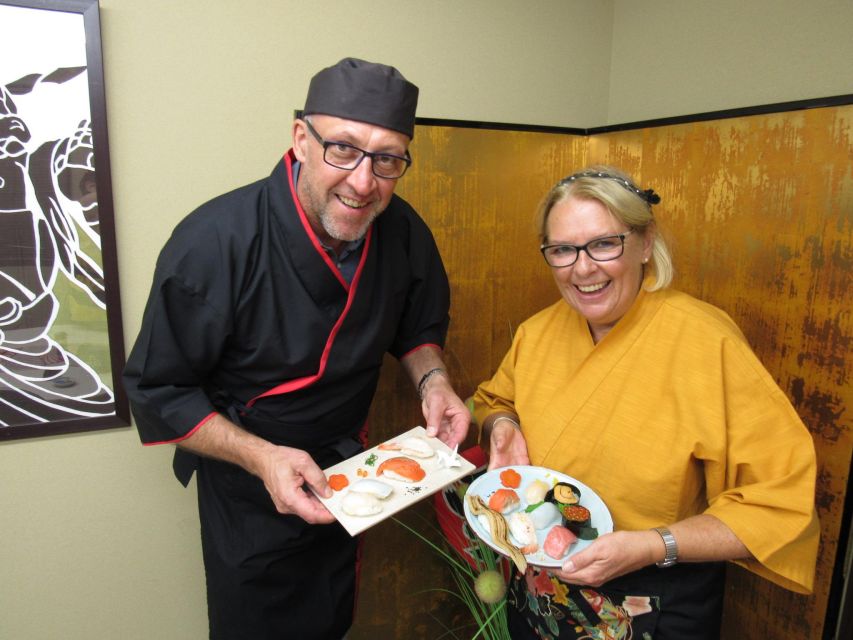
A fun part of this class is the dressing experience. You get to rent traditional Japanese clothing, including Happi, and you choose the outfit that fits your style.
Why it matters: it changes the mood. When you’re in costume, you naturally slow down and pay attention, and that’s helpful for a hands-on class. It also makes the experience feel like something you did in Japan, not just something you bought online.
The class also includes an “experience of Japanese spirits.” The wording is a little unusual, but the intent is clear: you’ll learn the right attitude and cultural context while you’re making sushi, not just the cooking steps.
If you like travel experiences where the culture is part of the activity (not a separate lecture), this is a plus.
The Shari/Sumeshi Lesson: The Skill That Changes Your Sushi
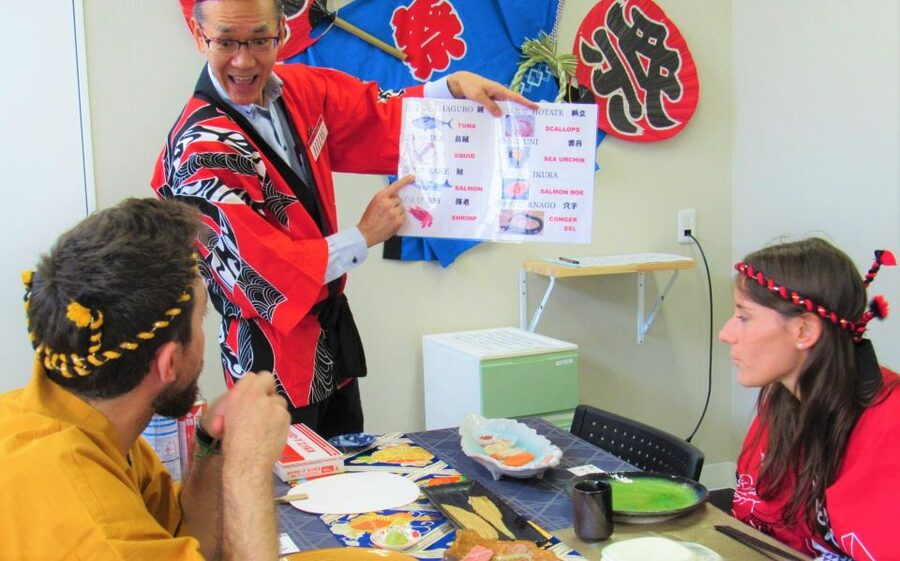
If you only remember one thing from this class, make it the rice.
You’ll learn how to prepare shari/sumeshi (vinegar rice) using vinegar blended for sushi and freshly cooked rice. The course emphasizes there’s a trick in mixing it well. That’s the practical takeaway. Sushi rice isn’t just rice with vinegar poured in—it’s about mixing accurately so the rice texture and seasoning work together.
In a well-run sushi class, the instructor doesn’t just tell you what to do. They watch what you’re doing and correct small issues before they become big ones. That’s why this part of the experience gets such strong praise: people come away feeling they can actually make sushi rice again later, instead of relying on convenience store rice and hoping for the best.
Also note: ingredients (especially toppings) can vary depending on the season, so don’t expect the exact same fish or garnish year-round. You’re learning the method, not memorizing one menu.
Building Sushi: Pre-Cut Convenience With Optional Real Cutting
You’ll be making sushi with ingredients that are already cut. This is huge for first-timers. It lowers the intimidation factor and keeps the class moving so you actually get time to assemble and eat.
But you’re not locked into “easy mode.” If you want to learn fish cuts, you can ask. That gives you two pathways:
- keep it beginner-friendly and focus on rice + assembly
- ask for extra help if you want more hands-on technique
You’ll also choose toppings like green onion and ginger (and more). That makes your sushi feel personal, not like a standardized plate.
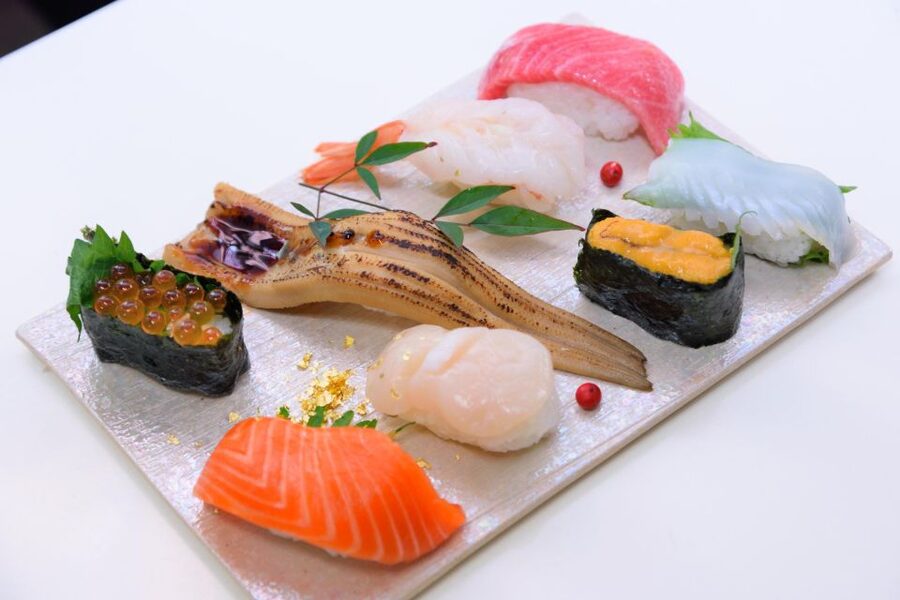
The course includes the kind of special ingredients you usually don’t buy for casual home cooking. Depending on the season, you might work with standout toppings like extra fatty tuna or red shrimp that’s described as sweet and almost creamy. The point isn’t just the flavor—it’s learning what sushi toppings are chosen for and how they pair with seasoned rice.
The Meal Part: Eating the Sushi You Made
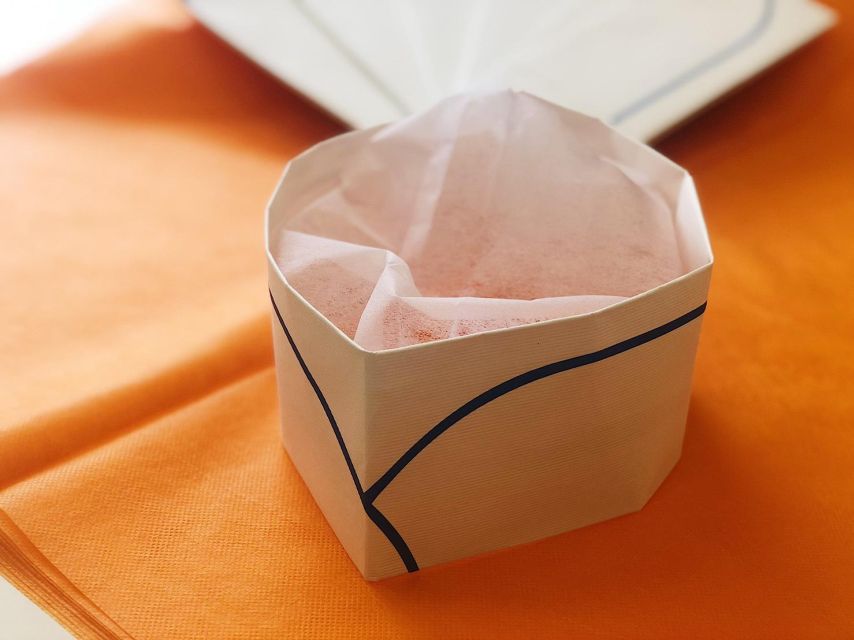
By the end, you don’t just finish class—you eat your results.
The experience includes 8 pieces of sushi. You’ll taste the sushi you assembled, which helps you connect technique to outcome. It’s one thing to learn steps; it’s another to eat what those steps create.
Dietary needs are handled thoughtfully. The class states they can offer menus friendly to vegetarians, vegans, and Muslims. Allergies are also addressable, including options when you need non-raw and other adjustments, and gluten-free options are available.
A practical tip: if you have a serious allergy, communicate it clearly ahead of time. The class can adjust, but you’ll get the safest experience when they can plan the right setup rather than improvising under time pressure.
One small catch: drinks aren’t included. If you’re used to eating with tea or water provided, you may want to plan for it before or after class so you’re not left thirsty.
Certificate, Graduation, and Photos: Cute Traditions With a Timing Cost
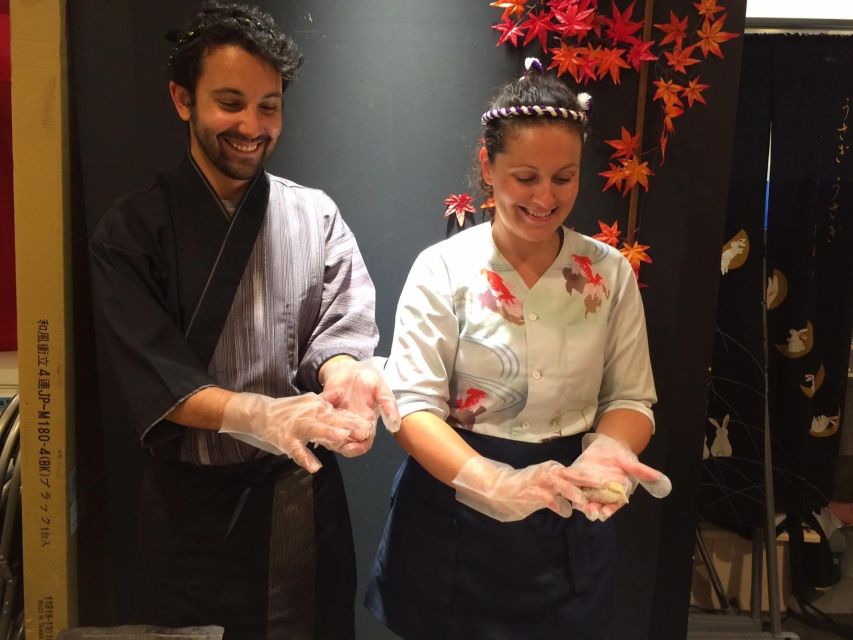
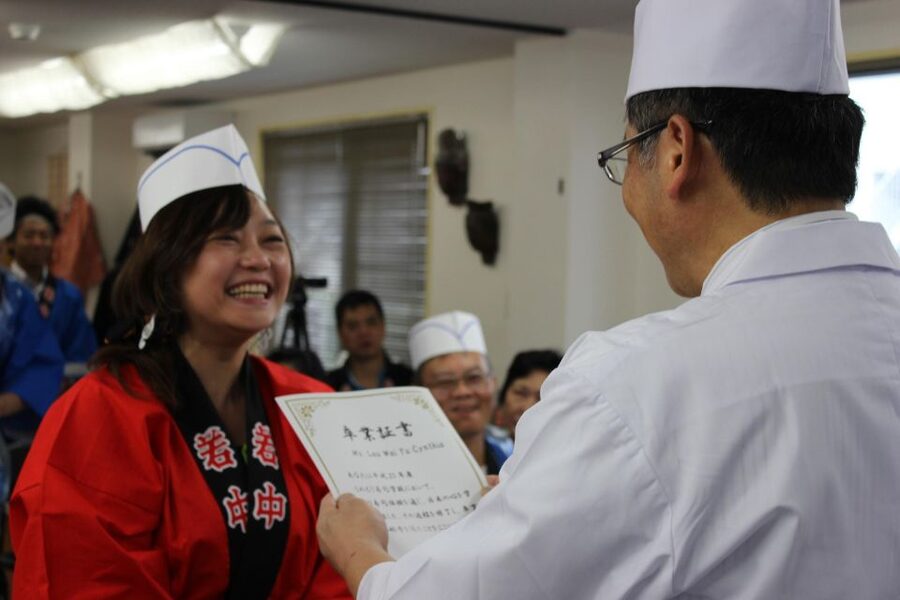
You’ll receive a certificate of completion after class, plus a graduation ceremony and souvenir photography.
This is a nice souvenir component. It gives the class a “you did it” feeling, and the photo steps are fun if you enjoy that kind of travel memory.
The trade-off is timing. One person noted the class ran longer than expected, and that photo/framing/diploma steps took extra time and felt unnecessary to their schedule. Even if you like the ceremony, treat it as part of the experience and build a buffer into your day.
If your next plan is strict—like a train connection—give yourself breathing room.
Price and Value: Is $113 Worth It?
At $113 per person, this sushi class sits in the “worth paying for technique” category, not the “quick snack workshop” category.
Here’s why it can be good value:
- You learn the foundation: vinegar rice/shari/sumeshi is the hardest part for many beginners, and that’s where your money goes
- You get instructor support: English-speaking guidance plus Japanese instruction means you can ask questions
- You eat what you make: 8 pieces of sushi plus toppings you selected isn’t just a tasting
- You get a cultural add-on: Happi clothing and Japanese spirit moments make the experience more than cooking basics
- Dietary flexibility exists: vegetarian/vegan/Muslim-friendly menus and allergy options increase real usability
The biggest factor for value is your expectation. If you want a relaxed show-and-tell, it may feel like more than you need. If you want to leave with usable skills for sushi at home, you’re paying for more than ingredients—you’re paying for coaching.
Also consider the time factor. If it runs long for your session, you’ll feel the cost more because it bumps your schedule. If you book it as a half-day anchor (not a rushed side quest), it’s easier to feel satisfied.
Timing, Weather, and Getting There Without Stress
The class runs no matter what the weather is, so it’s a reliable indoor option when rain hits.
The building is near public transportation, which helps. Just remember there’s no elevator. Staff can help elderly or disabled guests up the stairs, but this is still worth noting if stairs are a problem for you.
Also, smoking indoors isn’t allowed, and pets aren’t allowed (assistance dogs are allowed). If you’re traveling with a service animal, you’re covered, but ordinary pets won’t be.
Finally, it’s wheelchair accessible, but because there’s no elevator, you should plan on staff assistance if you need it.
Who This Sushi Class in Nara Is Best For
This class is a strong fit if you want:
- a hands-on sushi session where you assemble the sushi yourself
- beginner-level support (ingredients already cut)
- the rice technique that actually matters for home practice
- a fun cultural layer via Happi and a Japanese spirit component
- dietary adjustments without needing to switch to a completely different activity
It may be less ideal if you have very tight timing, especially in the afternoon. Because of the possibility of the class running longer, treat it like an appointment, not a quick stop.
It’s also not suitable for children under 3, so plan family schedules with age in mind.
Should You Book This Nara Sushi Class?
If you want sushi skills you can repeat, I’d say yes. The focus on vinegar rice (shari/sumeshi), the hands-on sushi you eat afterward, and the ability to request fish-cutting help if you’re curious all point to a class designed for real learning.
Book it if you can give it time and you like the idea of mixing cooking with Japanese culture through Happi and the ceremony elements. Skip it or plan carefully if you’re trying to fit it between tight reservations, because the experience can run longer than the posted 90 minutes.
If your main goal is learning, not just tasting, this is the kind of activity you’ll remember every time you cook rice the right way.
FAQ
How long is the sushi class?
The class duration is 90 minutes. Starting times depend on availability.
Where do I meet the instructor?
Get off at the south entrance of Shin-Omiya Station on the Kintetsu Line, turn right into the narrow street, continue until you see a railroad crossing, then turn right again to find the location in front of Nara Loyal Hotel and behind a parking area.
Does the class accommodate vegetarians, vegans, and Muslims?
Yes. The course offers menus that are friendly to vegetarians, vegans, and Muslims.
Can they adjust for allergies or dietary restrictions?
Allergies and options like non-raw meals and gluten-free options are available. Shellfish allergies have been accommodated.
What’s included in the price?
Included are a lecture on sushi making, an experience of Japanese spirits, making and eating 8 pieces of sushi, rental Happi-style clothing, ingredient/topping choices, a completion certificate and graduation ceremony, souvenir photography, and an English-speaking instructor.
Are drinks included?
No. Drinks are not included, and warm udon is listed as an optional menu item that’s not included.