REVIEW · SIEM REAP
Khmer Cooking Class in Cambodia
Book on Viator →Operated by Sambo cooking class · Bookable on Viator
Khmer cooking starts with a friendly chef. In Siem Reap, this 2.5-hour class turns simple ingredients into a real lesson you can actually use, with your own work station and tasting-and-discussion built in. I like how the guidance stays clear and practical as you cook, but one thing to plan for is that transport isn’t included, so you’ll want to handle getting to the meeting point yourself.
This is a private, group-only experience that starts at Sambo Khmer & Thai Restaurant in Wat Damnak (1:00 pm) and ends back where you meet. You’ll go from ingredients and safety basics to hands-on Khmer cooking, then sit down with the chef and team to talk flavors and techniques—plus lunch is included, so you’re not leaving hungry.
In This Review
- Quick hits: what makes this Khmer cooking class work
- Why a Khmer cooking class in Siem Reap is worth your time
- Your meet-up at Sambo Khmer & Thai Restaurant (Wat Damnak)
- Chef-led welcome: how the lesson starts
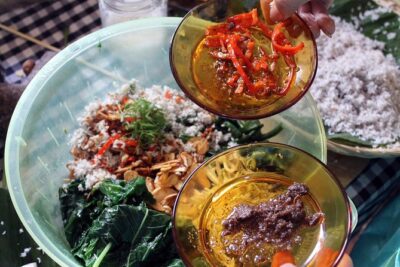
- Ingredients explained: learning what you’re actually using
- Hands-on cooking with your own station
- A practical tip for better results
- Discussion and tasting: learn fast by talking
- Lunch included: you’re eating what you make
- Price and logistics: what $35 really buys you
- Dietary needs and who this class suits best
- What the best feedback tells you to pay attention to
- Should you book this Khmer cooking class in Siem Reap?
- FAQ
- What time does the Khmer cooking class start?
- How long is the cooking class?
- Where does the class meet?
- Is lunch included?
- Is alcohol included in the price?
- Is transport included?
- Is this a private class?
- Can I request a vegetarian, vegan, or gluten-free option?
- What kind of ticket do I receive?
- Is there a cancellation window?
Quick hits: what makes this Khmer cooking class work
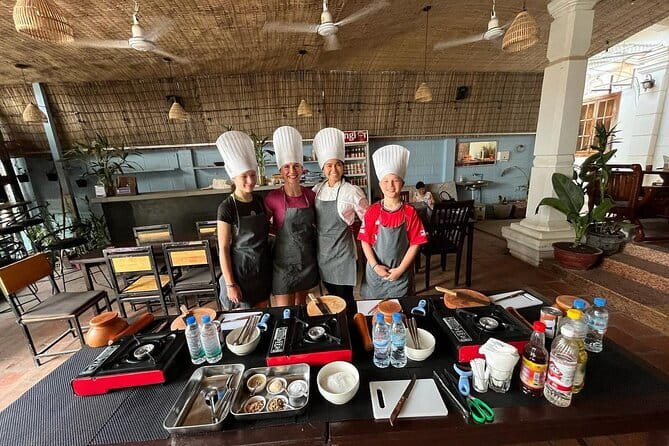
- Private group cooking so you’re not squeezed into a big crowd
- Your own ingredients, burner, and pot for hands-on learning (not just watching)
- A chef-led step-by-step flow that makes Khmer flavors feel repeatable
- Ingredient meaning, not just recipes so you understand what you’re using
- Lunch included with the dishes you help make
- Dietary needs supported if you notify at booking
Why a Khmer cooking class in Siem Reap is worth your time
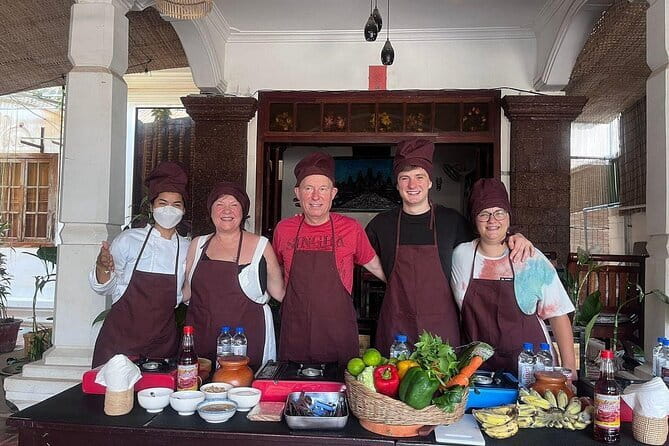
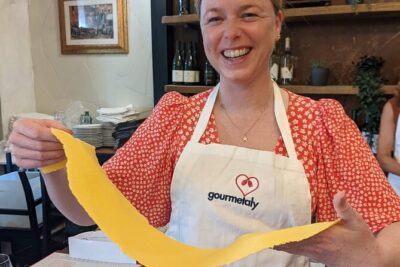
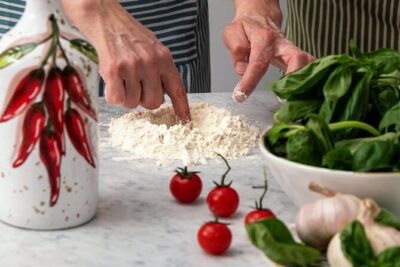
If you’re in Siem Reap and you’ve already tasted Khmer dishes, a cooking class is the fastest way to get past the I like it phase and into the I can make something similar at home phase. This class is designed to be interactive and educational, not performative. The vibe is practical: you learn, you cook, you taste, you adjust.
The best part is that the instruction is step-by-step and easy to follow. That matters because Khmer cooking is about balance—spices, aromatics, sour notes, and the way ingredients work together. When you know the purpose of each step, the recipe stops being a vague list and starts being a set of actions you can repeat.
A second win: you’re not just eating at the end. There’s a rhythm of cooking, then gathering to discuss what you made—so you understand flavors and techniques while they’re still fresh in your mind.
You can also read our reviews of more tours and experiences in Siem Reap.
Your meet-up at Sambo Khmer & Thai Restaurant (Wat Damnak)
You’ll start at Sambo Khmer & Thai Restaurant near Wat Damnak in Siem Reap. The start time is 1:00 pm, and the session runs about 2 hours 30 minutes. It ends back at the meeting point, which is helpful when you’re planning the rest of your afternoon.
What I like about this setup is that it’s simple. No mystery pickup, no confusing handoffs. You show up, check in, and settle into the class. Also, the meeting point being near public transportation can help if you’re navigating the area without a private driver.
Plan to arrive a few minutes early. Cooking classes tend to start when the stations are ready, not when everyone shows up. And since you’ll be working at your own station, you’ll want a calm start so your chef can set you up properly.
Chef-led welcome: how the lesson starts
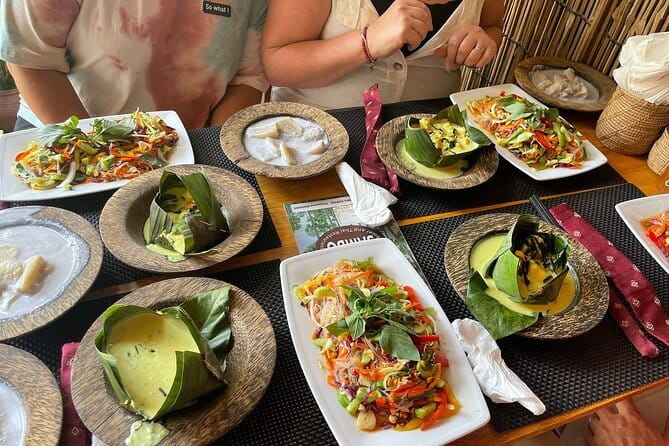
The class begins with a meet-and-greet, where you get to know your fellow cooking enthusiasts. Then you’ll get an introduction from the working chef who guides the whole process.
This early part might sound basic, but it sets the tone for the entire class. Khmer cooking has specific ingredient combinations and handling steps. When the chef explains what you’re about to do—before you touch a burner—you waste less time guessing and more time cooking.
You’ll also go through health and safety procedures. That includes the practical stuff that matters when you’re cooking actively: using heat carefully, keeping your workspace organized, and following the chef’s guidance at each step.
Ingredients explained: learning what you’re actually using
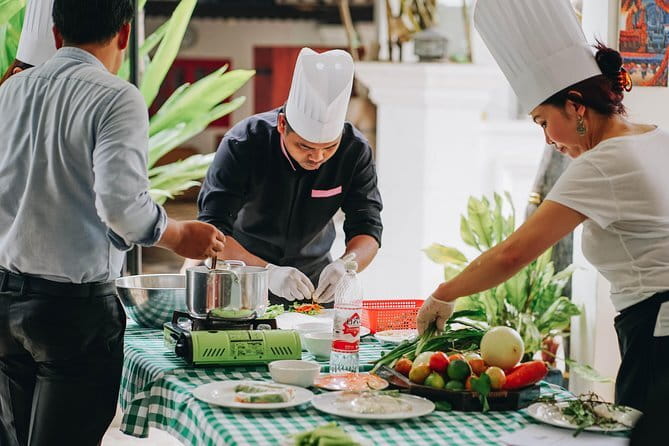
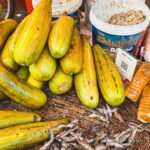
One of the most useful parts here is that you get an explanation of the traditional Khmer ingredients you’ll be cooking with, including their significance. This turns the class into more than a one-time meal.
Even if you’re a confident home cook, knowing why an ingredient shows up helps you recreate the dish later. For example, Khmer flavors often rely on aromatic foundations and the right sour, salty, and fragrant balance. If you understand the role ingredients play, you can substitute more thoughtfully back home instead of just guessing.
This section also helps you pay attention while you’re working. When you know what the chef is aiming for, you’ll notice texture changes and scent cues that tell you when something is on track.
Hands-on cooking with your own station
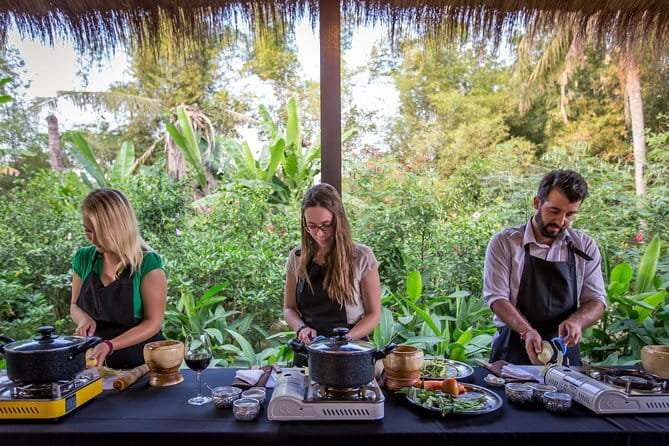
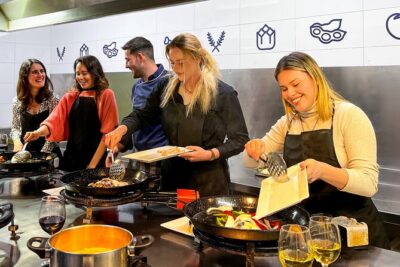
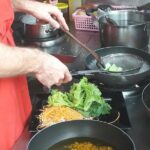
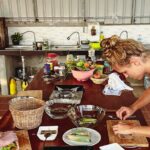
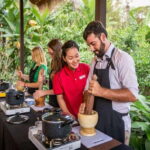
This is where the class earns its high ratings. You’re not stuck as a spectator. Each student gets a personal work station with the tools and ingredients you need.
In fact, the way the class is set up is a big reason people rate it so highly: you each have your own ingredients, plus your own burner and pot. That means you’re cooking during the whole session, not waiting for the chef to do everything.
You’ll get step-by-step instructions as you prepare the dishes. The goal is that by the time each recipe is completed, you not only tasted it, you understand the key steps and decisions. And because the instruction is easy to follow, the recipes feel simple enough to remember later.
A practical tip for better results
Stay close to your station and don’t rush ahead of the chef. If you’re moving early, you can miss the cue that tells you when to adjust heat or timing. The class is paced so you can keep up—especially if you’re new to Khmer cooking.
Discussion and tasting: learn fast by talking
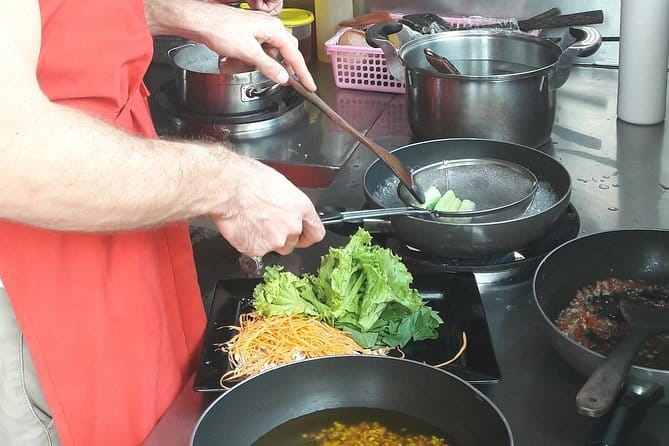
After each dish, you’ll gather to discuss the flavors and techniques, then taste everything together. This part is underrated when you’re choosing a cooking class, but it’s a huge help for learning.
Tasting right after cooking locks in the sensory memory. You’ll be able to connect what you did—how you mixed, when you added ingredients, and how you handled heat—to how the final dish tastes. Then the chef can point out what matters most and what you can do differently next time.
This is also where you benefit from other participants’ questions. If you’re wondering how to adjust seasoning or what that ingredient contributes, the discussion format keeps it from feeling like a lecture.
Lunch included: you’re eating what you make
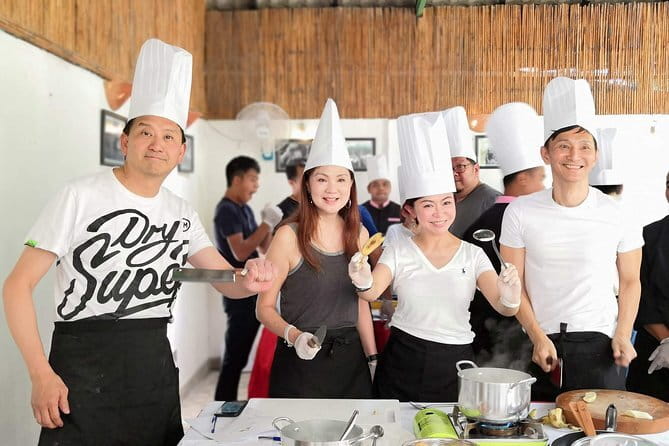
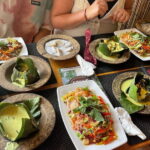
Lunch is included. You’ll eat the dishes you prepare during the class, so you don’t need to hunt for food afterward or worry about whether the class includes anything more than snacks.
This is a value point. At $35, you’re paying for instruction, ingredients, and a meal. If you’ve been thinking about doing a food tour and a separate lunch anyway, this can be a more direct use of your time—especially because you get to cook and taste in the same afternoon.
Also, because the class is private (only your group participates), the experience stays more personal. You’re more likely to get individual attention when you have questions.
Price and logistics: what $35 really buys you
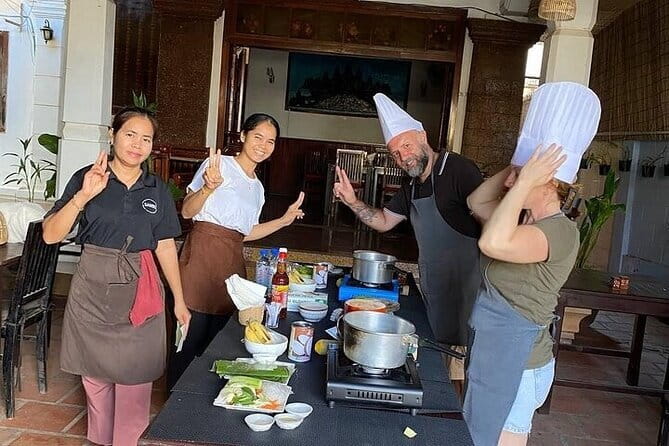
The price is $35 for about 2 hours 30 minutes, and the included items are lunch and a guide. Not included: alcohol and transport.
So is it good value? Yes—if you want the learning part, not just a meal. A class that gives you a station, step-by-step teaching, ingredient explanations, and a chef-led tasting discussion is doing real work. Lunch being included removes one hidden cost, and the private format helps you avoid the “no one can answer questions” problem that can happen in larger groups.
The only logistics trade-off is transport. If you’re relying on rides to get around, keep it simple: plan to reach Wat Damnak on your own. Once you’re there, the class covers the rest.
Dietary needs and who this class suits best
You can accommodate dietary needs such as vegetarian, vegan, and gluten-free—just notify the team at booking. That’s a big deal. Many cooking classes can tweak dishes, but not all can handle common dietary limits smoothly. Here, they specifically mention it, so you can book with more confidence.
This class suits:
- You if you want an active cooking lesson, not a watching experience
- You if you want recipes you can remember and recreate
- You if you like food that feels practical and not just “touristy Khmer”
- You if you’d rather learn from a working chef and ask questions in real time
It’s less ideal if you only want a quick food taste with zero kitchen work. This class is hands-on by design.
What the best feedback tells you to pay attention to
The strongest, most repeated praise in the feedback focuses on instruction quality and the hands-on setup. A chef named Sokha is highlighted as a great teacher who worked with each person so they understood what they were doing. The station setup—your own ingredients, burner, and pot—also comes up as a big reason the class feels empowering and fun.
Another common theme: the dishes are actually quite simple to prepare, which makes them easier to remember later. Staff are described as accommodating and delightful, and the class is labeled both interesting and entertaining.
So if you book, your best strategy is to treat it like a lesson. Ask why the chef does what they do, not just what step comes next. You’ll get more out of the tasting-and-discussion part.
Should you book this Khmer cooking class in Siem Reap?
Book it if you want a real cooking skill, not just a meal. The combination of hands-on stations, step-by-step guidance, ingredient explanations, lunch included, and a tasting discussion makes this a strong value at $35—especially with the private group format.
Skip it only if you’re not interested in cooking work at all, or if you expect transport to be part of the price. You’ll handle getting yourself to Wat Damnak, then the class takes care of the rest.
If you’re in Siem Reap for a short stay and want one afternoon that gives you something to take home—knowledge, technique, and dishes you can recreate—this is a solid choice.
FAQ
What time does the Khmer cooking class start?
The class starts at 1:00 pm.
How long is the cooking class?
The duration is approximately 2 hours 30 minutes.
Where does the class meet?
You’ll start at Sambo Khmer & Thai Restaurant, Wat Damnak, Krong Siem Reap, Cambodia.
Is lunch included?
Yes. Lunch is included.
Is alcohol included in the price?
No. Alcohol is not included.
Is transport included?
No. Transport is not included.
Is this a private class?
Yes. It’s a private tour/activity, and only your group participates.
Can I request a vegetarian, vegan, or gluten-free option?
Yes. The class can accommodate dietary needs like vegetarian, vegan, and gluten-free. You should notify them at booking.
What kind of ticket do I receive?
You receive a mobile ticket.
Is there a cancellation window?
Yes. You can cancel for a full refund up to 24 hours in advance of the experience start time.