REVIEW · CEFALU
Cefalù: Cooking Class at a Local’s Home
Book on GetYourGuide →Operated by Cesarine · Bookable on GetYourGuide
Sicily tastes better when it’s homemade. This Cefalù cooking class brings you into a local family’s kitchen to learn three Sicilian recipes—then you sit down and taste what you cook with local wine. I love that it feels personal, not staged, and I love the table-time payoff where your work turns into dinner. One consideration: because it’s in a private home, you’ll need to plan for the exact address being sent to you after booking and the logistics of getting there on time.
The best part is how much you learn from someone who actually lives the food. In reviews, hosts like Rosamaria are praised for patience when your pasta isn’t perfect yet, and for creating a warm, coffee-and-cooking atmosphere that makes it easy to relax. You’ll still want to keep expectations realistic: it’s 3 hours, so you’ll learn techniques and recipes, not master every step like a professional.
In This Review
- Key Highlights at a Glance
- Cefalù Cooking in Someone’s Real Kitchen
- The 3-Hour Flow: Starter, Fresh Pasta, Dessert
- Course 1: Starter (Antipasti style)
- Course 2: Pasta (fresh pasta practice)
- Course 3: Dessert (Tiramisu)
- The end result: you taste everything you make
- Wine at the Table: Why This Meal Is Part of the Lesson
- Meet Your Host: The Local Connection Matters More Than the Recipe
- Price and Value: Is $164.26 Worth It?
- Timing and Practical Planning for Your Day in Cefalù
- Dietary Needs and Language: You’ll Be Looked After
- What You’ll Bring Home: Skills That Actually Transfer
- Who This Cooking Class Suits Best
- Should You Book This Cefalù Cooking Class?
- FAQ
- How long is the cooking class in Cefalù?
- What’s included in the price?
- How much does it cost per person?
- Where does the class take place?
- What time does the class usually start?
- What languages are used during the class?
- Is this a private group experience?
- Can the class accommodate dietary requirements?
Key Highlights at a Glance
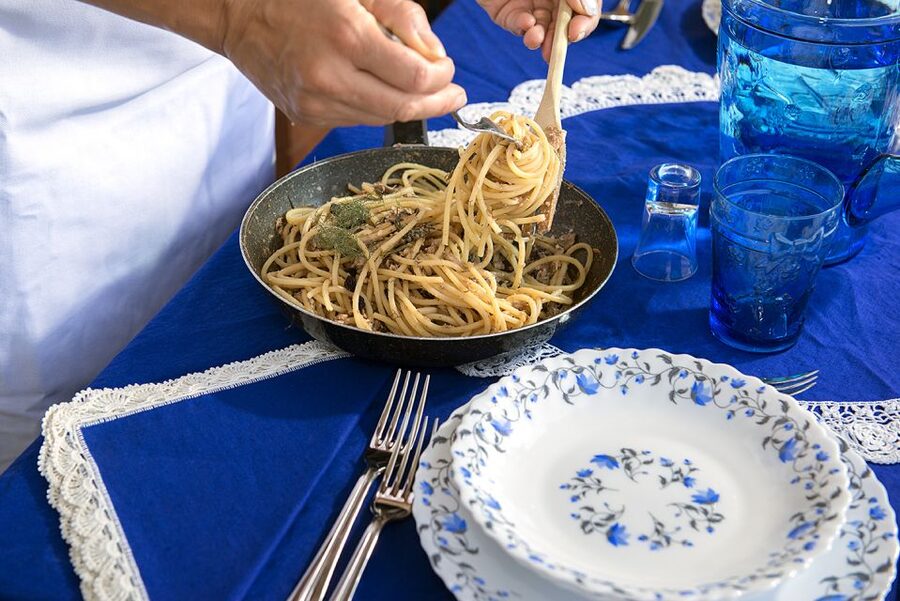
- Three real Sicilian courses: starter, pasta, dessert, built around local know-how
- Cook, then eat together with wine and a shared table (this is not a one-and-done demo)
- A home-cook teaching style: patient, practical coaching that matches how people learn in real kitchens
- Dietary needs are handled on request (vegetarian, vegan, gluten-free, and more)
- Private group experience for a more comfortable pace and easier questions
Cefalù Cooking in Someone’s Real Kitchen
A cooking class in a restaurant kitchen can feel like a show. A cooking class in a home is different. Here, you’re stepping into the rhythm of an Italian household, with the pace and warmth that go with it. That matters because the food instructions land better when they come from real daily habits—how someone folds pasta dough, how they season without fuss, how they taste as they go.
Also, you should know the setting is private. For privacy, you get the full address of your host after booking. That’s not a problem, but it does mean you’ll want to double-check your plans for timing. Give yourself a little buffer for finding the place, and don’t treat the meeting point like it’s a landmark on a main square.
In reviews, the home setting is part of why people remember the experience. One guest described it as feeling like cooking with an aunt—coffee first, then the work, then the meal. Another mentioned an outdoor kitchen and patio dining on a beautiful day, which turns the class into a relaxed long hang with dinner at the end, not a rushed workshop.
The 3-Hour Flow: Starter, Fresh Pasta, Dessert
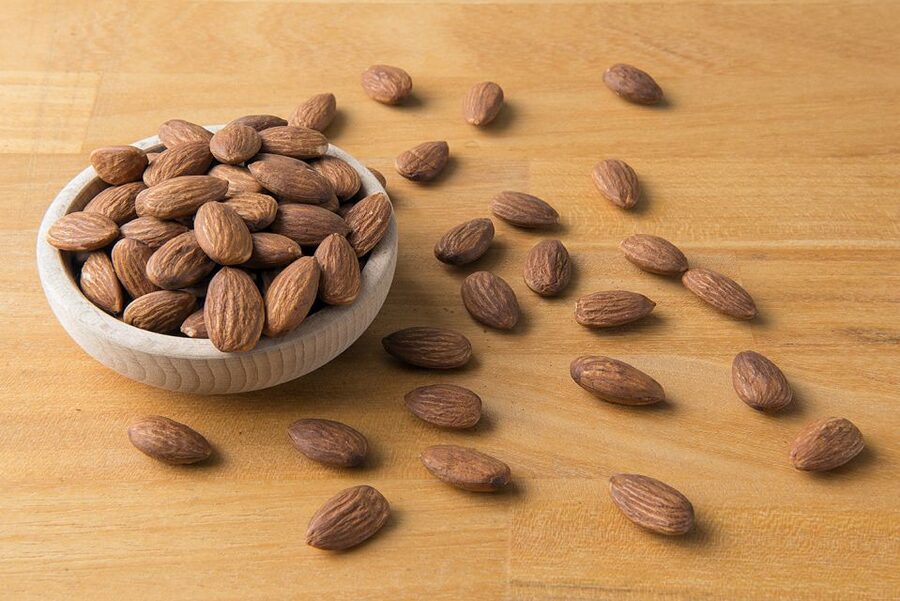
This experience runs about 3 hours, and it’s structured around three authentic local recipes. You’ll have a workstation equipped with utensils and the ingredients to make the dishes. Translation: you’re not standing around taking notes. You’re cooking.
Course 1: Starter (Antipasti style)
You start with a Sicilian-style starter. Even when the exact dishes vary, the goal is the same: learn the flavor building blocks—what makes it taste like Sicily rather than just “Italian food.” Starters are also a great entry point because they’re usually quicker and help you get comfortable with the kitchen setup and the host’s teaching style.
Course 2: Pasta (fresh pasta practice)
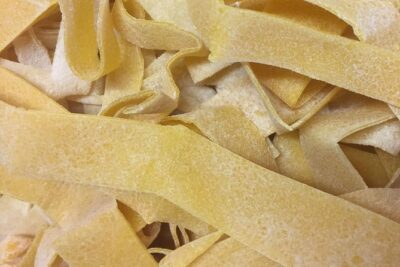
Then comes the part most people get nervous about: fresh pasta. Reviews are clear that this is hands-on and sometimes funny in the best way. One guest specifically praised Rosamaria for being patient while they struggled to make pasta look like hers. That’s a big deal: learning fresh pasta is easier when the teacher expects mistakes and helps you fix them on the spot.
This is where you’ll likely learn practical technique you can reuse later: handling the dough, getting the texture right, and working at the pace of the kitchen rather than the pace of the clock.
Course 3: Dessert (Tiramisu)
For dessert, one review calls out tiramisu as the best they’d had. Again, dessert is the moment where the class becomes a meal with closure. You’ll see how the host builds flavor and balance, then you get to eat it while it’s fresh and still feels like part of the lesson.
The end result: you taste everything you make
You’ll taste the starter, pasta, and dessert—everything you prepared—around the table. This is the real payoff. Cooking classes that end with only a quick bite miss the point. Here, the format pushes you to learn and then enjoy, so the lessons stick.
Wine at the Table: Why This Meal Is Part of the Lesson
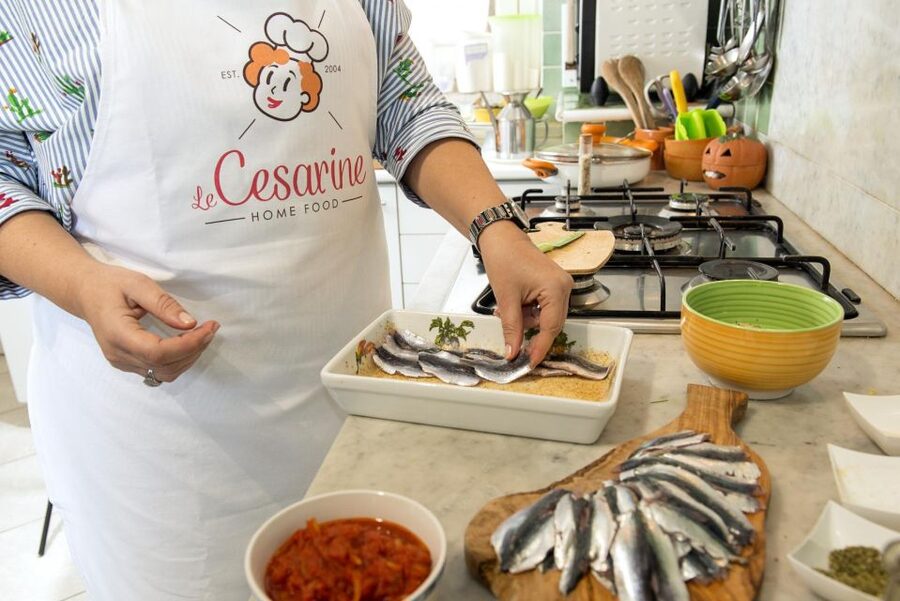
You’re not just learning recipes in theory. The format includes beverages: water, local wines, and coffee. That changes how the evening feels. It’s not a lecture; it’s a shared meal with something to sip while you cook and eat.
In practice, it also helps you understand the food. When wine is part of the table, you start tasting with a more grown-up palate—how acidity cuts through pasta richness, how sweetness or bitterness plays with dessert, how the overall meal feels when everything lands at once.
And since you’re eating what you cooked, you’ll likely notice details you’d otherwise skip. Salt level. Dough texture. Balance in the dessert. You don’t just learn recipes—you connect the technique to the taste.
If you’re a foodie who cares about the “why” behind flavors, the wine-and-meal structure is a strong reason to book. If you prefer a strictly educational class with no alcohol, you can still enjoy it, but just be aware the experience is designed for pairing and table time.
Meet Your Host: The Local Connection Matters More Than the Recipe
This is a cooking class taught by a certified home cook, delivered by Cesarine. In other words, you’re not getting a generic script. You’re learning from someone embedded in local food culture.
Names show up in the reviews, and one of the most mentioned is Rosamaria. Guests describe her as warm, patient, and welcoming—like you’re invited into her home for an afternoon meal and a bit of hands-on cooking. That doesn’t just make it pleasant; it improves the learning.
Why? Because good home cooking teachers explain like people do at home:
- quick fixes when something goes wrong
- tips you can use without fancy equipment
- small cultural context about how the food shows up in family life
One review also mentions conversations about Sicily and family, which is a reminder that this isn’t only culinary. You’re learning how people think about food where they live.
And it’s worth noting the class is a private group. That means you’re less likely to get drowned in a large group pace and more likely to ask questions comfortably. It’s especially good if you’re traveling with teens or with mixed cooking comfort levels—one review mentions a great evening with two teenage daughters, with everyone learning and eating together.
Price and Value: Is $164.26 Worth It?
At $164.26 per person for a ~3-hour private class, you should judge value by what’s included and how the experience is delivered.
Here’s what you’re getting, based on the included elements:
- the cooking class itself
- tasting of three local dishes (starter, pasta, dessert)
- beverages: water, wines, and coffee
- hands-on instruction with utensils and ingredients provided
So you’re paying for more than a recipe card. You’re paying for a host’s time, their home setup, the coaching, and the meal experience that follows. In a place like Cefalù, that’s usually where the money makes sense: you’re not just buying food—you’re buying the chance to learn and eat in a real household setting.
The private-group element matters too. Even if the class is similar in format to other cooking classes elsewhere, “private” changes your ability to learn. You’ll likely get more direct feedback and fewer awkward moments of waiting.
One caution on value: if you’re the type who wants a very structured, step-by-step cooking seminar with no social time, a home-based class may feel too relaxed. But if you want an authentic experience and actual meal payoff, the price fits the format.
Timing and Practical Planning for Your Day in Cefalù
The class usually starts at 10:00 AM or 5:00 PM. It can be flexible depending on your travel needs, if you contact the supplier in advance.
That flexibility is useful because Cefalù is best enjoyed with a slow rhythm. A morning class gives you the rest of the day to explore town, beaches, and viewpoint walks. An afternoon class can work nicely as an early evening plan, leaving you free for a casual dinner afterward—or, more realistically, leaving you stuffed from your own cooking.
Because the experience takes place in a private home, plan for travel time. You’ll get the exact address after booking, and that means you should treat the meeting time as firm. Bring a bit of patience too. Home cooking spaces don’t always run on the same clock as big public venues, and that’s part of the charm.
Dietary Needs and Language: You’ll Be Looked After
You can request accommodations for dietary requirements. The class can cater to vegetarian, vegan, gluten-free, and more upon request.
That’s important because many cooking classes say they can handle dietary needs but then the plan falls apart. Here, it’s explicitly supported. If you have a serious allergy, you’ll want to communicate details when you request your dietary needs—so the cook can adjust ingredients and steps appropriately.
Language is another practical point. The instructor supports English and Italian. Reviews also highlight Rosamaria speaking English and German, which suggests a friendly multilingual environment. Even if you’re not fluent, you’ll pick up enough to follow along, ask questions, and understand what to change when something isn’t working.
What You’ll Bring Home: Skills That Actually Transfer
This experience sells something more useful than souvenirs: cooking skills that stay with you. That’s not marketing fluff. In a hands-on format where you cook starter, pasta, and dessert yourself, you’re learning adaptable technique.
After a class like this, you’ll likely remember:
- how to handle dough consistency and feel
- how to balance seasoning as you taste
- how a Sicilian-style meal comes together in courses
And because you eat what you made, your brain connects method with result. That makes it easier to repeat at home. You can’t recreate Cefalù in your kitchen, but you can recreate the process—and the pleasure of cooking something that matches the place you visited.
Who This Cooking Class Suits Best
I think this is a great fit if you want:
- an authentic experience in a home setting rather than a showroom
- hands-on cooking with a real meal at the end
- a private group pace where you can ask questions
- a class that can work for different dietary needs
It’s also a good match for families where teens are willing to cook. One review highlights a night that worked well with two teenage daughters, with everyone learning and enjoying the meal.
If you hate social interaction and prefer to be left alone, you might find the home-host atmosphere a little too warm. And if you’re in Cefalù for just a short stop and timing is tight, the private-home location means you’ll need to plan carefully around your schedule.
Should You Book This Cefalù Cooking Class?
If you want a Cefalù experience that feels human, not touristy, I’d book it. The strongest reason is the structure: you cook three Sicilian courses, then you sit down and taste everything with local wine and coffee. That combo makes the learning memorable and the meal genuinely satisfying.
Book it especially if you’re curious about Sicilian flavors and you like learning through your hands. And if you care about dietary needs, this format can adjust upon request, which is a big plus.
Skip it if you’re only looking for a quick bite of local food without participating, or if you’d rather stay in public venues and avoid the private-home address setup. Otherwise, this is exactly the kind of experience that turns a holiday into a skill you can reuse.
FAQ
How long is the cooking class in Cefalù?
The class lasts about 3 hours.
What’s included in the price?
You get the cooking class, tasting of three local dishes (starter, pasta, dessert), and beverages including water, wines, and coffee.
How much does it cost per person?
It costs $164.26 per person.
Where does the class take place?
It’s held in a local family’s home. For privacy reasons, you’ll receive the full address after booking.
What time does the class usually start?
It usually begins at 10:00 AM or 5:00 PM, and it can be flexible based on your travel requirements if you contact the supplier in advance.
What languages are used during the class?
The instructor supports English and Italian.
Is this a private group experience?
Yes, it’s listed as a private group.
Can the class accommodate dietary requirements?
Yes. It can cater to dietary requirements upon request, including vegetarian, vegan, and gluten-free options.