REVIEW · FLORENCE
Florence: Small Group Cooking Class at a Local’s Home
Book on GetYourGuide →Operated by Cesarine · Bookable on GetYourGuide
Cooking with a family is better than cooking with a demo.
In Florence, this small-group class takes place in a local home with a certified Cesarina, so you learn recipes the way they get passed down. You’ll cook three regional dishes, then sit down to taste everything you made with local wine included.
I especially love the hands-on setup: you work at your own station with utensils and ingredients ready. And I like that the class is built around real family food—expect step-by-step guidance, not just a list of ingredients and techniques. One possible drawback: because it’s in a private home, you won’t have a public “address landmark” to navigate to, so you’ll need to follow the host instructions closely.
In This Review
- Key things that make this Florence cooking class worth your time
- Why a Cesarina Home Cooking Class Feels Different in Florence
- Your Three Regional Recipes: From Hand-Made Pasta to Dessert
- What “Hands-On” Really Means: Your Station, Your Pace, Your Questions
- The Table Tastes Like Tuscany: Wines Included While You Eat
- Agricultural Roots and Family Stories You Might Take Home
- Logistics in a Local Home: Address, Timing, and What to Bring
- Price and Value: Is $202.78 Worth It for a 3-Hour Class?
- Who Should Book This Florence Cooking Class (and Who Might Pass)
- Should You Book This Cesarina Home Cooking Class?
- FAQ
- Is this a private cooking class?
- How long is the cooking class?
- Where does the class take place?
- What language is the instruction in?
- What do I cook during the class?
- Do I get to taste what I cook?
- Are drinks included?
- Can dietary requirements be accommodated?
- How many people are required for the class to run?
- What are the cancellation and payment options?
Key things that make this Florence cooking class worth your time
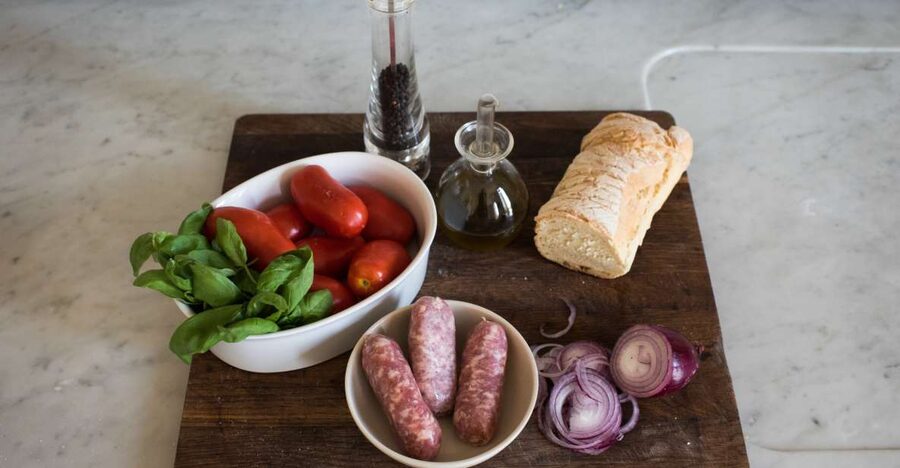
- A Cesarina-led class in a real home, not a cooking studio
- Three recipes you’ll actually eat, with tastings of everything you prepare
- Small group size (up to 10 people) for a calmer, more personal pace
- Hands-on workstations with utensils and ingredients included
- Local wines plus coffee served during the meal
- Family-food stories, including agricultural roots like olive growing and vineyards
Why a Cesarina Home Cooking Class Feels Different in Florence
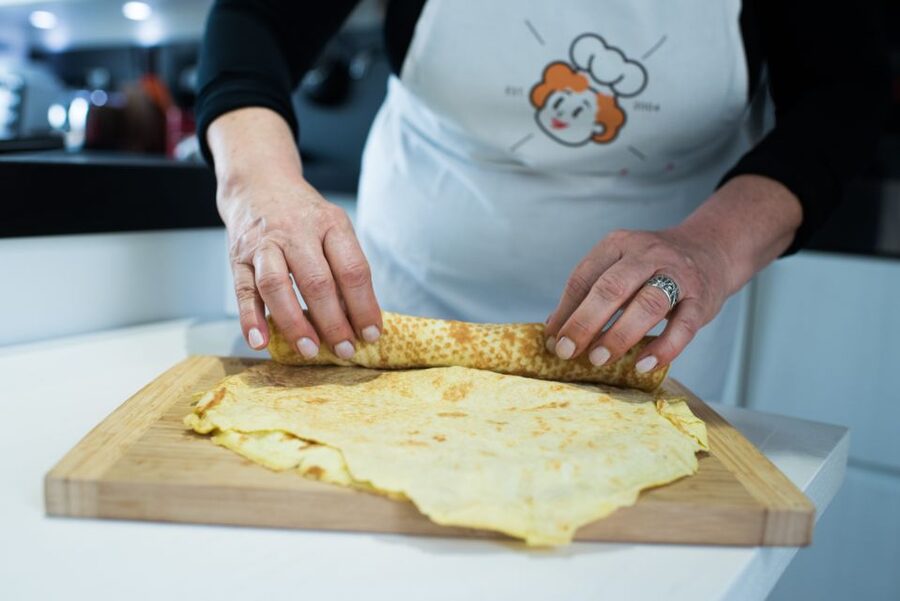
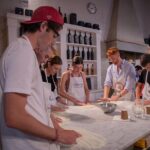
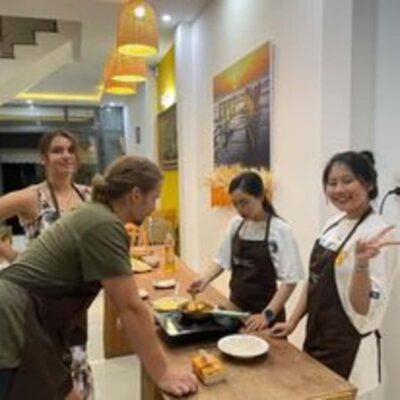
Florence can be loud and packed, even when you’re trying to eat well. This experience cuts through that. Instead of standing in a restaurant kitchen watching, you’re in someone’s home kitchen, cooking side by side with an expert home cook and supported by your Cesarina guide.
The Cesarina concept matters here. You’re not just learning recipes as items to copy later—you’re learning the reasoning behind them. That shows up in the small choices: how you handle timing, how you build flavor, and what gets treated as a rule in family kitchens. In the best classes in this style, you also get context for why certain ingredients matter in the region.
There’s also the “people factor.” The class is described as a genuine connection with a local Italian family, and the tone you want is social and relaxed. Names that come up for hosts and chefs include Lucrezia, Christina, and Carlo, and what stands out is the hospitality. When your food teacher is also the person who lives that food every day, you learn faster—and you remember more.
One more practical thing: small group size (limited to 10) makes it easier to ask questions and get help without waiting your turn. You’ll still be sharing the space, since this is a shared class, but it stays more conversational than group-tour chaos.
You can also read our reviews of more tours and experiences in Florence.
Your Three Regional Recipes: From Hand-Made Pasta to Dessert
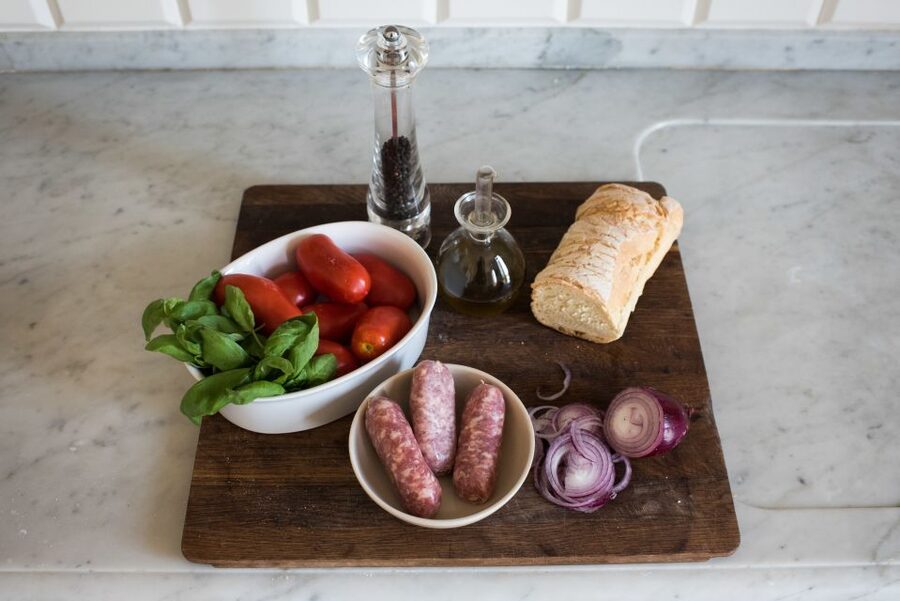
The class centers on three authentic local recipes. You’ll be taught the tricks of the trade for each one, and you’ll taste the results at the table. What those recipes are can vary, but the overall arc is consistent: appetizer or starter, a main dish, and a sweet finish.
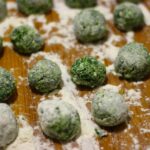
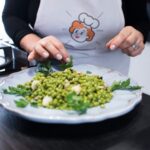
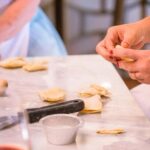
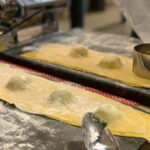
From the examples that have shown up in this experience, you should expect at least one pasta component. Hand-made pasta is specifically mentioned, along with ravioli-style cooking. The types of sauces and dressings are also classic and ingredient-forward, such as an olive oil dressing used with ravioli. That matters because Florence cooking isn’t only about technique. It’s about restraint—letting good ingredients do the heavy lifting.
Main courses can include chicken, and you might also encounter an approach that balances simplicity with comfort. Dessert is often a creamy, traditional Italian option. Panna cotta appears in the dishes people highlight, and tiramisu shows up as well. If you like the idea of learning how people build flavor in desserts (not just copying a finished recipe), you’ll enjoy this part.
A key point for planning: the class is structured around cooking three dishes, then tasting them all. So even though you’re working in the kitchen for most of the session, you’re also getting a full meal. In other words, you’re not paying for a snack. You’re paying for instruction plus a proper sit-down tasting.
What “Hands-On” Really Means: Your Station, Your Pace, Your Questions
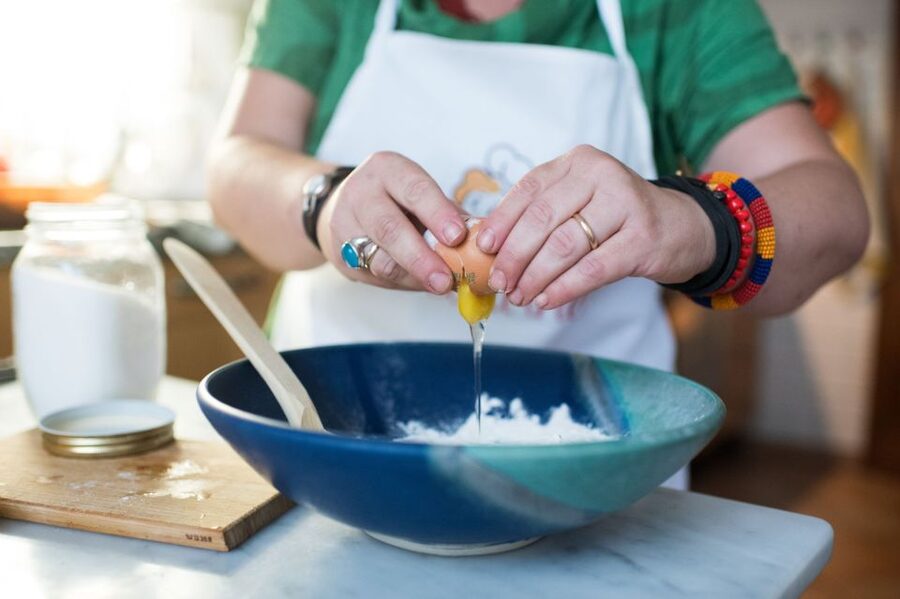
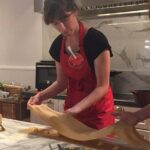
You’ll have a workstation equipped with utensils and all the ingredients to make the dishes. That’s more valuable than it sounds. In a typical cooking workshop, you can spend time hunting for tools or improvising. Here, the setup is meant to keep you cooking, not scrambling.
The instructor is listed as teaching in English and Italian, so you’re covered even if your Italian is basic. In a good home class, the bilingual angle is used to clarify steps: you’ll get the instruction in a way you can follow, then you can practice the technique directly. If you’re the type who learns by doing, this style fits you.
Pace is another underrated benefit. Because the class is limited to 10, the cook can help when someone’s sauce breaks, pasta dough acts stubborn, or timing starts slipping. And because it’s in a home kitchen, you’ll often see small “house rules” that don’t show up in professional kitchens. Things like how to test doneness, when to adjust seasoning, or how to handle a component so it finishes at the right moment.
There’s also the fun element. You’re actively cooking, not just watching. The kitchen work is described as hands-on from start to finish, and you’ll likely feel the satisfaction of getting a dish from raw ingredients to something you’re proud to eat.
One consideration: cooking classes involve steps and coordination, so don’t assume you can arrive late and catch up easily. If you’re the kind of traveler who keeps a tight clock, build in buffer time so you can settle in before you start chopping and stirring.
The Table Tastes Like Tuscany: Wines Included While You Eat
One of the best parts of this class is what happens after the cooking. You taste everything you prepared, accompanied by a selection of red and white local wines. Water, coffee, and the same food you made are included too.
This is where the experience stops being just a lesson and becomes a meal with a story. When you eat what you cooked, you naturally notice details: salt level, texture, how the dish holds up once it cools slightly, and how the flavors interact. It’s much easier to replicate what you’ve learned later because you’ve tasted it fresh, at the table, in the same context you cooked it.
Wine inclusion is also practical. It encourages you to slow down. You’re less likely to rush through dinner or treat it like a checkbox. Instead, you’re tasting, chatting, and asking questions while the food is still in its best form.
A nice bonus that can appear in these kinds of evenings is extra atmosphere. In one highly praised instance, the dinner included opera-style singing as a cherry-on-top detail. You shouldn’t plan your whole day around live performance, but it’s a reminder that some hosts go beyond the standard cooking routine and make it feel like an Italian night out at home.
If you’re keeping your expectations realistic: the class is 3 hours, so you’ll eat and drink within that window. Don’t schedule your next reservation across town immediately after. Give yourself some breathing room.
Agricultural Roots and Family Stories You Might Take Home
A cooking class in Florence can teach recipes. This one is also built to connect food with place.
People highlight agricultural ties tied to the hosts and cooks, like backgrounds in olive growing and vineyard families. Even when you’re not “touring” a farm, those details matter. When someone tells you how olives are handled, or how grapes shape the wine culture around the table, the food instructions feel less abstract. It’s the difference between memorizing steps and understanding why certain flavors fit the region.
These stories also make the classroom feel human. You’re not just learning from a distant teacher. You’re learning from someone who lives nearby, works in or around these food traditions, and shares that perspective as part of the lesson.
That’s especially valuable for the kind of traveler who wants more than sightseeing photos. If you care about how Italians actually think about ingredients—what’s prized, what’s seasonal, what’s used without fuss—you’ll come away with better instincts than a simple recipe card.
- Cooking Class and Lunch at a Tuscan Farmhouse with Local Market Tour from Florence
★ 5.0 · 4,831 reviews

Logistics in a Local Home: Address, Timing, and What to Bring
Because it’s held in a private home, you don’t get a public address up front. After you book, you’ll receive the full address from the organizer, and the local partner contacts you with meeting instructions for privacy and comfort.
This means you should approach it like a dinner invite, not like a museum stop. Watch your email and messages after booking. If you’re relying on maps, use the address they provide, then follow any extra instructions they send. It’s one of those small things that can prevent a stressful start.
Timing is another detail worth respecting. The experience lists a 3-hour duration, and it also notes typical class windows starting around 10 AM, with flexibility possible depending on requirements. The safe move is to check the starting time for your date and plan around it rather than guessing.
What to wear? The class is cooking-focused, so comfortable clothes and shoes help. You’re likely to be standing, leaning over, and working at a station. You’ll be cleaning up at least a bit, even if the kitchen is well-prepped.
Dietary flexibility is mentioned. Different dietary requirements can be catered for, but you need to confirm directly with the service organizer after booking. So if you’re vegetarian, avoiding dairy, gluten-free, or managing other needs, send that note early and be clear about what you need.
Price and Value: Is $202.78 Worth It for a 3-Hour Class?
At $202.78 per person for a 3-hour small group cooking class, you’re not just paying for instruction. You’re paying for a full experience package: shared class time, tastings of the three recipes, beverages (water, wines, and coffee), and local taxes included.
What makes that feel like good value is the combination. In a lot of “hands-on” classes, you end up doing part of the meal and skipping the rest, or you pay extra for wine. Here, the structure is aligned: you cook three dishes, then you eat them with included drinks.
Also, because group size is capped at 10, you’re more likely to get real coaching and feedback. That’s important if you want to improve, not just complete the activity.
Then there’s the emotional value, which is hard to price but easy to feel. The aim is to leave with skills that stay with you—so instead of buying another souvenir, you’re taking home cooking instincts. If you’ve ever cooked a dish at home and thought, I wish I understood the small step that matters, this is exactly the kind of class that helps bridge that gap.
Your main “cost,” if you want to call it that, is opportunity time. It’s 3 hours in one fixed block. If you like a flexible itinerary and hate locking in a schedule, consider balancing this with lighter free-time plans around it.
Who Should Book This Florence Cooking Class (and Who Might Pass)
This class fits you best if you want an authentic, at-home meal and you enjoy learning through doing. If you love Florence food culture and want more than a tasting menu, this gives you both the skill and the payoff. It’s also ideal if you’re traveling with a small group or you like meeting friendly people without the big-tour crowd.
You’ll also enjoy it if wine and conversation are part of your travel style. Since local wines and coffee are included while you eat, the table becomes a social moment, not just a finish line.
Consider passing or at least weighing the fit if:
- You prefer fully structured “chef demo” classes where you watch more than cook.
- You’re uncomfortable cooking in a shared home kitchen environment.
- You have dietary needs that are complex and you’re unsure you can communicate them clearly in advance.
Should You Book This Cesarina Home Cooking Class?
If you want a Florence experience that feels local in your hands and at your table, this is a strong choice. The small group size, the home setting, and the fact you cook three recipes you’ll eat with local wine is a rare combo: learning, food, and atmosphere in one package.
Book it when you can give it the respect it needs: show up on time, be ready to cook, and plan for a relaxed end to your afternoon or morning. If that’s your style, you’ll likely leave with both a full belly and a clearer sense of how Tuscan cooking works.
FAQ
Is this a private cooking class?
No. It’s a shared cooking class for a small group, limited to 10 participants.
How long is the cooking class?
The duration is listed as 3 hours. Starting times can vary, so check availability for your date.
Where does the class take place?
The class is held in a local family’s home. For privacy reasons, you receive the full address after booking, and the host provides meeting instructions.
What language is the instruction in?
The instructor teaches in English and Italian.
What do I cook during the class?
You cook three authentic local recipes, prepared at your workstation with utensils and ingredients provided.
Do I get to taste what I cook?
Yes. You’ll taste everything you prepared, with tastings of the three local recipes included.
Are drinks included?
Yes. Beverages included are water, wines, and coffee.
Can dietary requirements be accommodated?
Different dietary requirements can be catered for, but you need to confirm directly with the organizer after booking.
How many people are required for the class to run?
At least 2 people are required for the activity to take place.
What are the cancellation and payment options?
You can cancel up to 24 hours in advance for a full refund. You can also reserve now and pay later.
You Might Also Enjoy
More Tour Reviews in Florence
- Cooking Class and Lunch at a Tuscan Farmhouse with Local Market Tour from Florence
★ 5.0 · 4,831 reviews