REVIEW · FLORENCE
Florence: Pasta, Ravioli & Tiramisu Cooking Class Near Duomo
Book on GetYourGuide →Operated by Mangiafuoco Florence · Bookable on GetYourGuide
Fresh pasta and tiramisu—right in Florence.
This class turns you from eater to maker in a 15th-century Medici stable just a short walk from the Duomo. You’ll learn ravioli and pappardelle techniques, then finish with classic tiramisu and wine pairings.
What I like most is the hands-on pace and clear chef guidance as you shape dough and dial in texture. I also really enjoy the setting—historic stone, Renaissance context, and a proper Tuscan food focus instead of a rushed show.
One thing to consider: it’s a 2.5-hour, structured class. If you mainly want free time for sightseeing, you may prefer something shorter or more flexible.
In This Review
- Key highlights at a glance
- A Medici-Era Stable Steps From the Duomo
- Medici Stories That Actually Help You Cook
- Fresh Pasta 101: Making Ravioli and Pappardelle
- Dough, Texture, and Sauce Pairings: The Stuff You’ll Use Again
- Tiramisu From Scratch: Espresso, Mascarpone, Cocoa
- Wine Pairings That Match What You’re Making
- The Digital Cookbook: Your Tickets Back to Florence
- Price and Value: Why $23 Can Feel Like a Deal
- Who Should Book This Pasta and Tiramisu Class?
- Practicalities: Duration, Languages, and Where to Meet
- Should You Book This Florence Pasta and Tiramisu Class?
- FAQ
- How long is the Florence Pasta, Ravioli & Tiramisu Cooking Class?
- What is the price per person?
- Where do I meet for the class?
- Is wine included?
- What languages are the instructors?
- Is there free cancellation?
Key highlights at a glance
- Cook in a Medici-era stable near the Duomo for a sense of place while you learn.
- Make pasta from scratch, including ravioli and pappardelle, using local ingredients.
- Learn dough differences (egg-based vs flour-and-water) and how that affects results.
- Create tiramisu with espresso-soaked ladyfingers, mascarpone, and cocoa.
- Enjoy fine Italian wines paired with what you make.
- Get a digital cookbook so you can repeat the recipes at home.
A Medici-Era Stable Steps From the Duomo
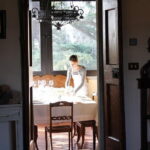
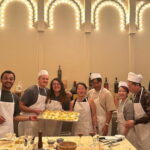
You start this experience in a historic Medici-era stable that’s close to Florence’s Duomo. That matters more than you might think. When you cook in an old space tied to Florence’s Renaissance story, the food feels less like a generic activity and more like a tradition you’re joining.
The location also keeps the day practical. You’re not hopping across town for a class. The Duomo area is easy to combine with other walks, especially if you’re already exploring central Florence. Think of it as a food-focused pause in the middle of all that art and stone.
Also, cooking in a stable usually means you’re settled in one place. No constant “move to the next station” shuffle. You get a steadier rhythm, which helps a lot when you’re learning pasta and dessert at the same time.
You can also read our reviews of more tours and experiences in Florence.
Medici Stories That Actually Help You Cook
The class begins with an introduction to the Medici family and Renaissance Florence. On paper, that can sound like a mandatory history talk. In practice, it’s useful because it frames why people cared about food, ingredients, and social ritual in this city.
Then the lesson turns toward what you’ll actually do: pasta work first, tiramisu after. You don’t just hear facts—you get skill. And you get context for the skills too, like why certain dough choices exist and what a “proper” tiramisu is aiming for.
If you like your travel experiences to connect dots—culture to kitchen—this format tends to click. You get to feel Florence’s identity through what ends up on your plate and in your hands.
Fresh Pasta 101: Making Ravioli and Pappardelle
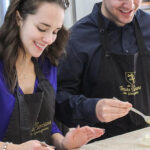
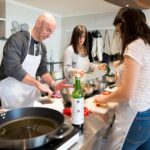
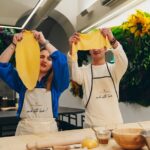
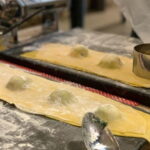
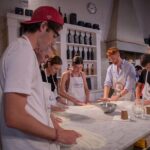
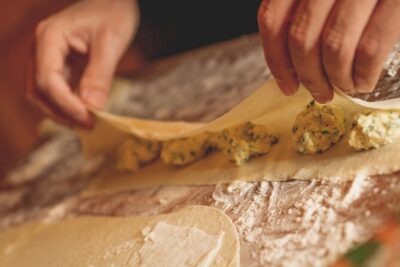
This is a pasta class, so you shouldn’t expect vague instructions. You learn to make fresh pasta from scratch, guided step-by-step by expert chefs. You work on classic shapes including ravioli and pappardelle, which are both recognizable but different enough to teach you real control.
Ravioli teaches you more than stuffing. It forces you to think about sealing and consistency. If your dough thickness or edges are off, you’ll feel it immediately. Pappardelle, on the other hand, is all about rolling and cutting. It rewards patience and evenness.
The class also brings up a key practical point: the “feel” of dough. You’ll learn about the differences between egg-based dough and flour-and-water dough. That isn’t just trivia. Dough type affects texture, how it rolls, and the kind of pasta experience you end up with.
You’ll use fine local ingredients, and you’ll get direct feedback while you cook. If you’ve only ever eaten fresh pasta and never made it, this is the kind of start that makes the rest of your cooking life easier.
Dough, Texture, and Sauce Pairings: The Stuff You’ll Use Again
A big reason this class has value is that it doesn’t stop at shaping. It helps you understand what comes after.
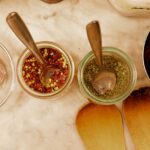
You’ll explore the best sauce pairings for what you’re making. That gives you a quick mental map for future meals. Instead of trying to guess, you’ll learn which sauces are meant to match the pasta’s shape and texture.
You also get focused instruction on pasta texture—how to aim for dough that rolls well and doesn’t fight you. That’s one of those skills that’s hard to learn from a recipe alone. In a hands-on setting, you can correct in real time.
One subtle win: you’ll hear about why eggs matter in dough. Once you understand that dough isn’t one-size-fits-all, you start cooking more intentionally. You stop treating pasta like a single technique and start seeing it as a set of choices.
Tiramisu From Scratch: Espresso, Mascarpone, Cocoa
After pasta, you shift to dessert. Tiramisu is a great finale because it’s “simple” on paper and picky in real life. Here, you learn the full method rather than assembling a bowl and calling it done.
You’ll create tiramisu by balancing espresso-soaked ladyfingers, mascarpone, and cocoa. The key skill is the timing and balance. Too much soaking and the texture turns heavy. Too little and it tastes flat. The class format helps you learn that sweet spot without having to guess.
You’ll also get the origins of tiramisu and how it fits into Italian food culture. That helps if you’ve always wondered why Italians talk about this dessert like it’s a classic, not a tourist treat.
The end result isn’t just about eating dessert. It’s about understanding the logic of layering and flavor balance. If you like desserts where coffee matters, you’ll probably want to repeat this one at home.
- Cooking Class and Lunch at a Tuscan Farmhouse with Local Market Tour from Florence
★ 5.0 · 4,831 reviews

Wine Pairings That Match What You’re Making
One of the biggest “value” points here is that wine pairing is included. You’re not just making food and then finding your own drink later. The class pairs wine with what you’re cooking, which means you’ll taste how flavors interact.
This is a smart way to learn, especially if you’re the type who usually drinks wine but hasn’t tied it to specific meals. When your glass is paired with your own pasta and tiramisu, you get a clearer sense of what works and why.
Also, the wine experience is built into the flow of the class, so it doesn’t feel like an add-on. It feels like part of the meal you’re building.
Practical note: if you’re sensitive to alcohol or you’re not used to drinking wine, pace yourself. There’s no shame in slowing down—your dessert still needs your attention.
The Digital Cookbook: Your Tickets Back to Florence
At the end, you receive a digital cookbook with the recipes you learned. This matters, because the real win isn’t just the class. The win is turning that kitchen confidence into repeatable meals.
You can use the digital format right away, too. You’re leaving with the method fresh in your mind. Instead of relying on memory and guessing proportions, you have a guide you can pull up whenever you want to make pasta and tiramisu again.
If you’re traveling and worried you’ll forget what you learned, the cookbook solves that. It also helps if you’re cooking for friends at home and want to sound like you know what you’re doing—because you will.
Price and Value: Why $23 Can Feel Like a Deal
$23 per person for a 2.5-hour class that includes hands-on cooking, wine pairing, and a digital cookbook is strong value—especially in central Florence.
Here’s why it adds up:
- You’re paying for expert instruction and real time with the dough, not just tasting.
- The wine pairing is a built-in component. That’s not always included in cooking activities at this price.
- You’re taking home usable recipes, which turns the experience into something you can repeat.
Could you eat a hearty Florentine meal for $23? Sure. But this is a skill experience with a history-rich setting and a dessert you’ll want to master. For many people, that’s the better deal.
Who Should Book This Pasta and Tiramisu Class?
I think this is a great fit if you:
- want a practical, hands-on food experience instead of a passive tour
- like learning “why” things work, not only the steps
- enjoy Italian desserts with coffee flavor
- want a small souvenir that actually changes what you can cook
It’s also a good choice if you’re a beginner. The class is designed for learning—pasta shapes, dough differences, and dessert balancing. You don’t need to already be able to roll dough like a pro.
You might want to skip or adjust expectations if you:
- want lots of free time to wander Florence during your booking window
- prefer purely guided sightseeing without cooking
- don’t enjoy wine pairings
Practicalities: Duration, Languages, and Where to Meet
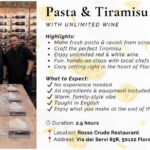
The class lasts 2.5 hours, with starting times based on availability. That length is ideal for a full skill session without turning your whole day into “work in an apron.”
The instructor works in English and Italian, so you should be comfortable even if you know a little Italian (or none at all). The setting is wheelchair accessible, which is a big plus if mobility is a concern.
You’ll meet at Mangiafuoco Bracerie, Via Guelfa 24/R, 50129 Firenze FI, Italy. Since it’s near the Duomo, plan your walking route ahead of time. Florence streets are charming, but they’re also narrow and easy to get turned around on—so give yourself a little buffer.
Should You Book This Florence Pasta and Tiramisu Class?
Yes, if you want a Florence experience that’s hands-on and repeatable. The combination of Medici-era setting, fresh pasta making, and a real tiramisu method—plus wine pairing and a digital cookbook—makes the $23 price feel reasonable and not like a gimmick.
If you’re the type who learns best by doing, this is worth your time. And if you want to leave Florence with something more than photos, learning to make ravioli, pappardelle, and tiramisu will give you a story you can actually cook.
If you tell me your cooking comfort level (new to pasta vs you’ve made it before), I can help you judge how much you’ll get out of the experience.
FAQ
How long is the Florence Pasta, Ravioli & Tiramisu Cooking Class?
It lasts 2.5 hours.
What is the price per person?
The price is $23 per person.
Where do I meet for the class?
Meet at Mangiafuoco Bracerie, Via Guelfa 24/R, 50129 Firenze FI, Italy.
Is wine included?
Yes. A wine pairing is included with your homemade meal.
What languages are the instructors?
The class is taught in English and Italian.
Is there free cancellation?
Yes. You can cancel up to 24 hours in advance for a full refund.
You Might Also Enjoy
More Tour Reviews in Florence
- Cooking Class and Lunch at a Tuscan Farmhouse with Local Market Tour from Florence
★ 5.0 · 4,831 reviews