REVIEW · HOI AN
Hoi An: Bay Mau Cooking Class Only and Making Pho
Book on GetYourGuide →Operated by Sky Travel · Bookable on GetYourGuide
Coconut village cooking turns you into a pho maker. In just 3 hours, you work with traditional rice tools before cooking a full plate of classic Vietnamese favorites. The small group size keeps things practical, not rushed, and you leave with recipes you can actually use later.
My favorite part is the hands-on traditional rice work: pounding and separating rice, grinding rice to make rice milk, and forming rice paper. The second thing I really like is that you don’t just watch a chef demo. You cook 4 dishes (including Pho Bo Ha Noi and Banh Xeo) and then eat what you made.
One thing to consider: there’s no hotel pickup in the Hoi An area. You’ll need to get to the meeting point near Big Dragon Bridge, and the activity isn’t set up for wheelchair users.
In This Review
- Key takeaways before you go
- Coconut village start: where you meet and how the class begins
- Traditional rice tools: pounding rice, grinding milk, and making rice paper
- The cooking flow: how you move from rice basics to 4 classic dishes
- 1) Bun Bo Nam Bo (Southern-style beef vermicelli)
- 2) Pho Bo Ha Noi (Hanoi-style beef noodle soup)
- 3) Banh Xeo (sizzling Vietnamese crepes)
- 4) Goi Cuon (Vietnamese salad rolls)
- Vegetarian option, if you need it
- Eating what you cook: lunch or dinner in a local rhythm
- English guidance and small-group pacing under 10
- Price and value: why $26 feels fair for what’s included
- Practical tips to make the class smoother
- Who this cooking class is best for
- Should you book Bay Mau Cooking Class and Pho in Hoi An?
- FAQ
- What is the duration of the cooking class?
- Where do I meet for the tour?
- How many people are in the group?
- What dishes will I learn to cook?
- Is vegetarian food available?
- Is hotel pickup or drop-off included?
- Are recipes included?
- Is the class wheelchair accessible?
- Are pets allowed?
Key takeaways before you go
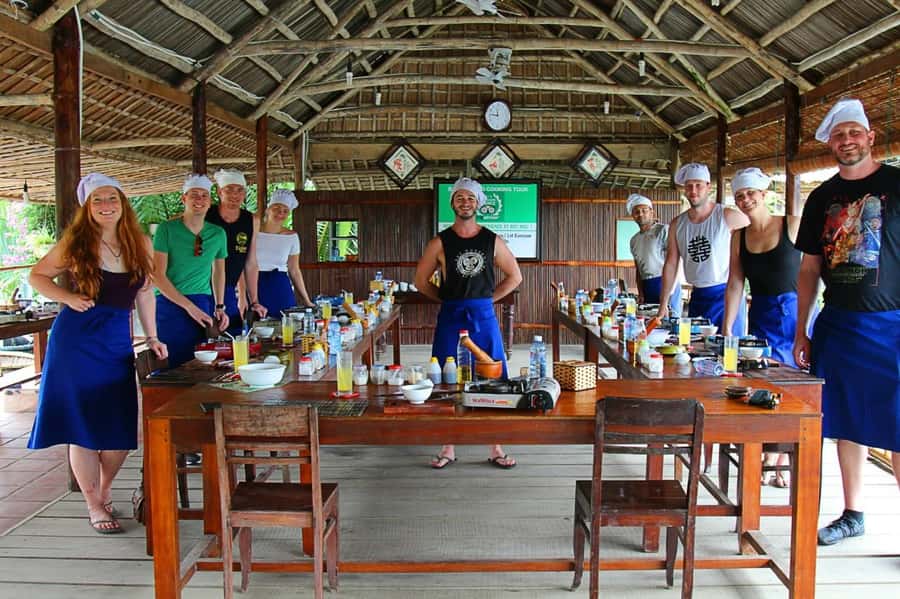
- Small group under 10 means you’ll get real guidance, not just a quick explanation.
- Traditional rice tools first: pounding, separating, grinding rice milk, and making rice paper.
- Four cooking wins: Bun Bo Nam Bo, Pho Bo Ha Noi, Banh Xeo, and Goi Cuon.
- Recipes included at the end, so you can repeat the food at home.
- Unlimited mineral water and juices keeps the class comfortable as you work.
- Vegetarian options are available if you request them ahead of time.
Coconut village start: where you meet and how the class begins
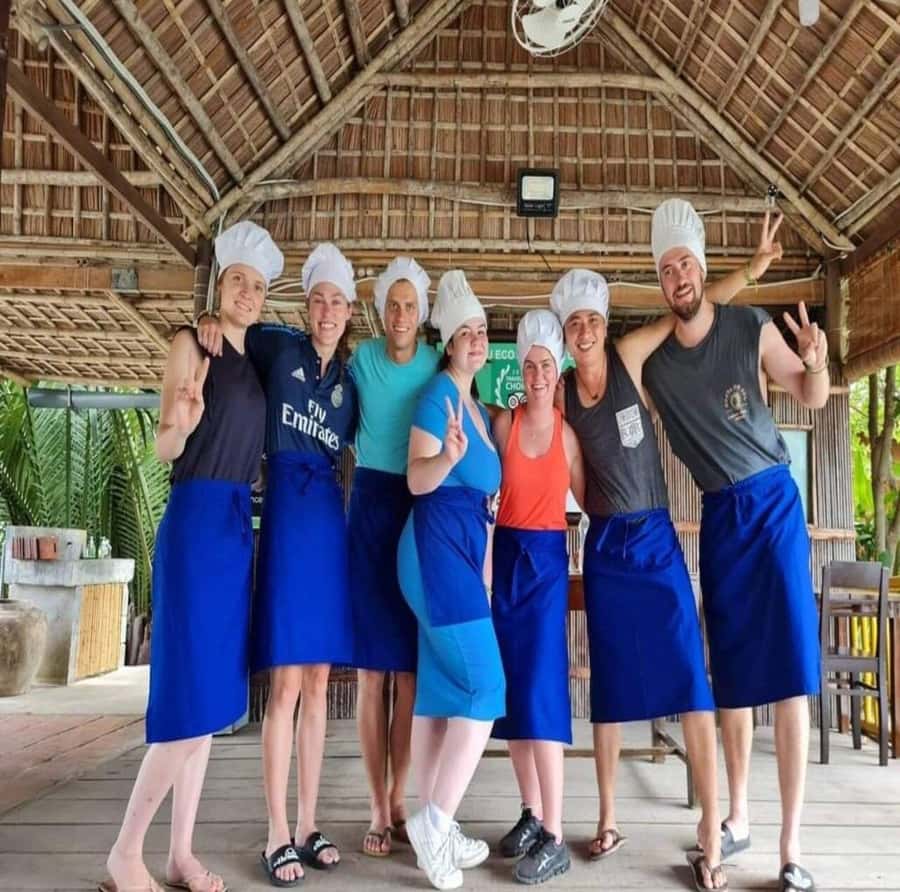
You’ll meet at the meeting point in front of Ba Tran Cooking Class, near the Big Dragon Bridge. From there, the chef meets you and takes you to Bay Mau Cooking Class inside the coconut village.
This is one of those experiences where the “where” matters. The trip into the coconut village sets the tone fast: you’re in a more local setting, and the class feels connected to the food—not just a kitchen show.
One practical note: the organizers ask you to provide a WhatsApp number so they can send directions to the meeting point. If you hate last-minute confusion, make sure your phone number is ready and working before you go.
You can also read our reviews of more tours and experiences in Hoi An.
Traditional rice tools: pounding rice, grinding milk, and making rice paper
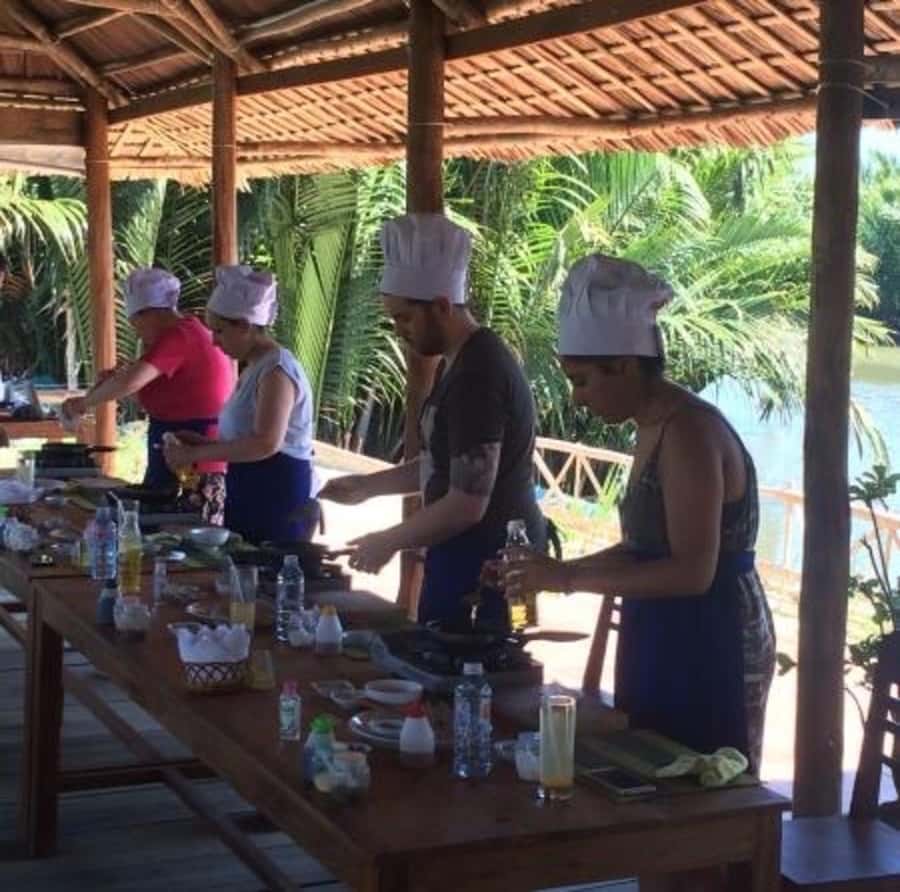
Most cooking classes focus on the final dishes. This one begins earlier, with the tools and steps that make Vietnamese rice-based cooking possible.
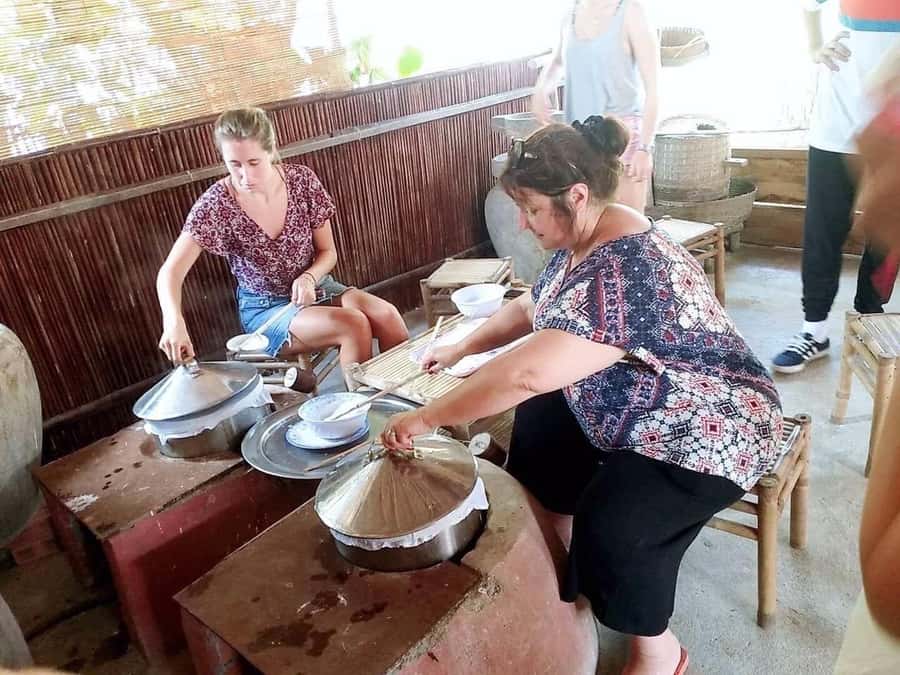
You’ll get to experience a stone mortar and grinder with a wooden pestle. You’ll pound and separate rice, then grind rice to make rice milk. After that, you’ll make rice paper.
Why this part is worth your time: rice paper and rice milk aren’t just ingredients you buy. They’re the backbone of texture in dishes like fresh rolls and crepes, and they shape the flavor in subtle ways. When you make the base yourself, the rest of the cooking becomes easier to understand. You start thinking like the recipe does.
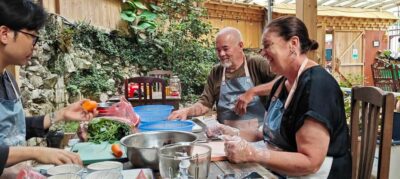
What to expect during this rice session is hands-on work with traditional equipment. You’ll likely spend time learning by doing rather than reading. It can be a little messy—this is food craft, not a spotless cooking show.
If you’re the type who loves learning the “why” behind a dish, this is where the value really shows. If you just want to start cooking immediately, give this part a fair chance. It’s fast, practical, and it makes the dishes later feel more grounded.
The cooking flow: how you move from rice basics to 4 classic dishes
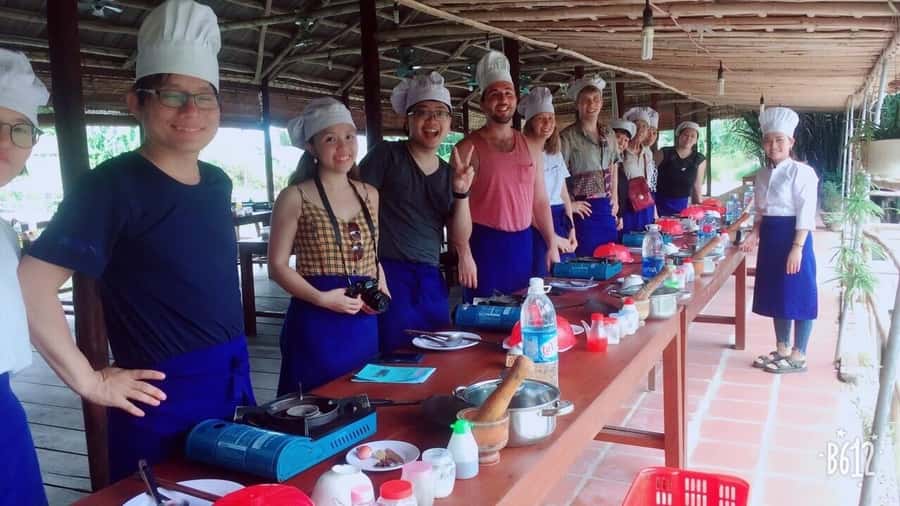
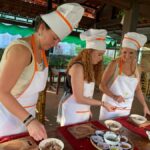
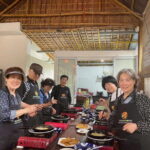
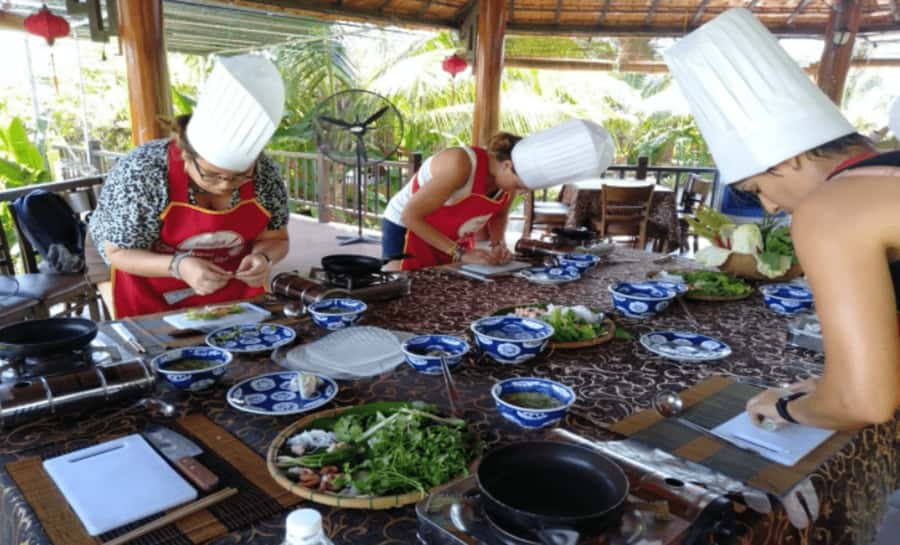
After the rice tools, you shift into the main cooking class. The local chef teaches you how to make four dishes, and you’ll have a chance to cook them yourself.
1) Bun Bo Nam Bo (Southern-style beef vermicelli)
You’ll make Southern-style Beef Vermicelli, Bun Bo Nam Bo. This dish is built for flavor balance and comfort: noodles plus beef, with a sauce style that feels lively rather than heavy.
In a hands-on class like this, you’ll pay attention to how the beef and noodles come together and how the sauce gets applied. That’s the kind of step you can reproduce later with your own ingredients back home.
2) Pho Bo Ha Noi (Hanoi-style beef noodle soup)
Then comes the one many people come for: Pho Bo Ha Noi. Even in a short class, the key is learning the approach—how you build the dish so it tastes like the real thing, not like a shortcut.
You’ll practice making and assembling the noodle soup so you can understand what matters most. Pho is all about harmony: broth, noodles, and beef, plus the right finishing choices.
If you’re already a pho fan, this part pays off fast. If you’ve never made it, you’ll still leave with a workable method and a sense of what the dish should feel like.
3) Banh Xeo (sizzling Vietnamese crepes)
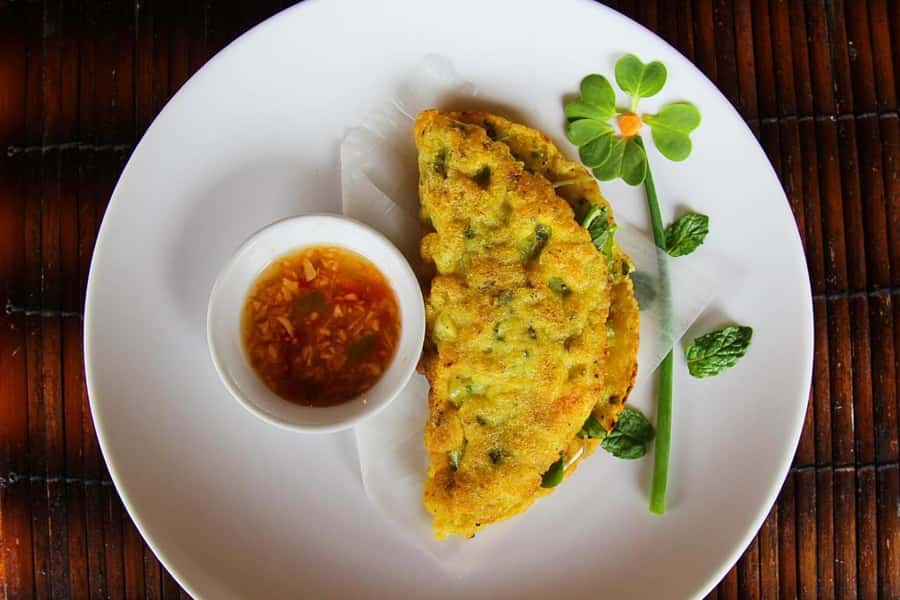
Next is Banh Xeo, the Vietnamese crepe that really does live up to its name. It’s made on a hot pan, and it’s known for that quick, sizzling cooking style.
This is a great “technique” dish. You learn timing and heat control, plus how to manage the batter and fillings so you end up with the right texture.
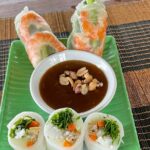
4) Goi Cuon (Vietnamese salad rolls)
Finally you’ll make Goi Cuon, Vietnamese salad rolls. These are where your earlier rice paper experience makes sense. When you’ve made rice paper yourself, you notice how thin it should be, how it behaves, and how to handle it without tearing.
This dish also gives you a fresh, lighter ending to the cooking cycle. It’s a nice contrast after noodles and crepes.
Vegetarian option, if you need it
If you’re vegetarian, you can request a vegetarian option. You won’t have to miss the cooking part—you’ll just adjust the dishes accordingly.
Eating what you cook: lunch or dinner in a local rhythm
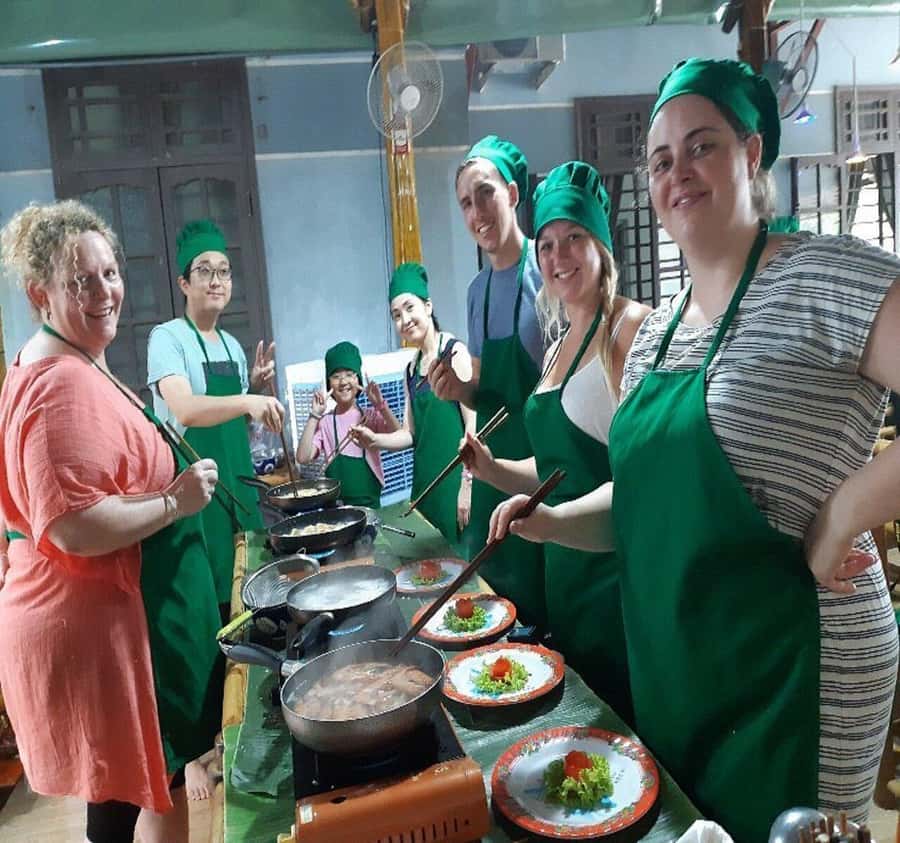
The class includes a traditional lunch or dinner—the timing depends on the session you book. The main point is simple: you eat the dishes you cooked.
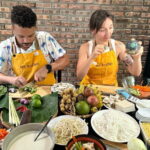
That’s a big quality-of-life detail. You’re not waiting for the group to finish and then hoping it tastes good. You cook, you plate, and you eat while the experience is still fresh in your mind. It’s the fastest way to learn.
You also get unlimited mineral water and juices, so you can focus on the work instead of thinking about where to buy drinks.
There’s another small touch from the chef experience that I’d highlight for value: extra-long chopsticks. In one class, the chef gave participants long chopsticks for cooking and then they could take them back to their hotel. If you get them too, it’s a fun souvenir that doubles as a practical kitchen tool.
English guidance and small-group pacing under 10
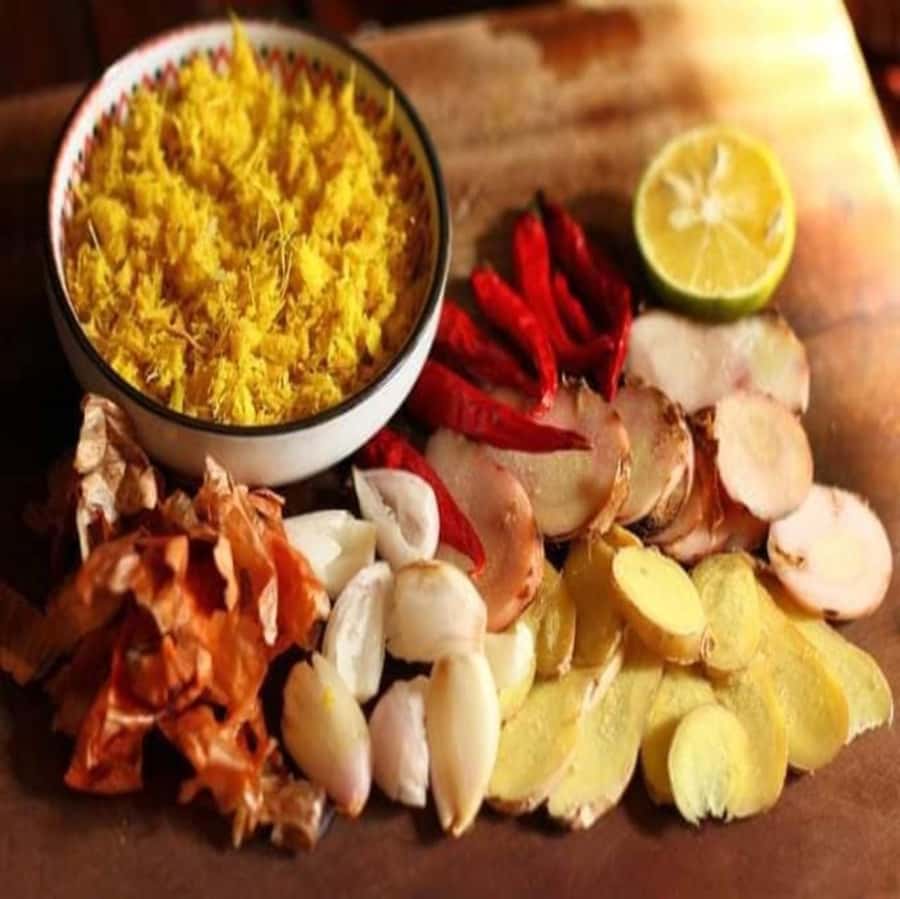
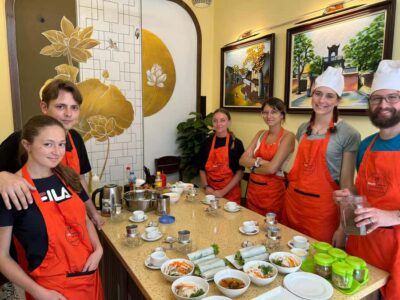
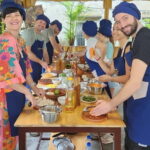
This experience runs with an English-speaking tour guide and local chef. The group is limited to 10 participants, which matters more than it sounds.
When the group is small, you can ask questions while you’re working. You don’t get stuck waiting for someone to finish explaining. You’re also more likely to get personal corrections—like how to handle rice paper or how to manage heat for banh xeo.
It also makes the whole 3 hours feel more like a class and less like a production. You’re learning steps, not just collecting photos.
Price and value: why $26 feels fair for what’s included
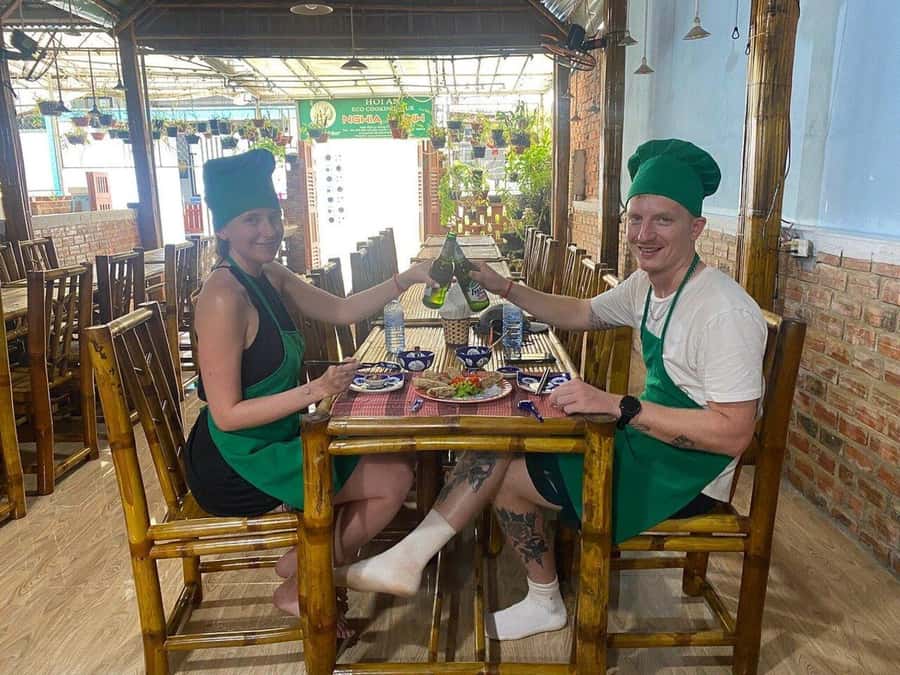
At $26 per person for about 3 hours, this isn’t priced like a “basic tasting.” It’s priced like a hands-on food craft session.
Here’s what you’re getting as part of the value:
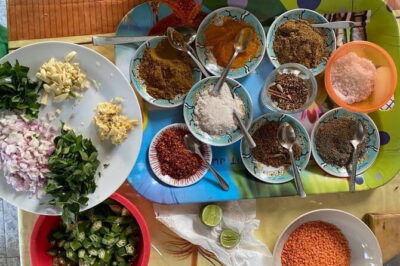
- Ingredients for the cooking
- A ticket in the coconut village
- Unlimited mineral water and juices
- A traditional lunch or dinner
- Local souvenirs
- Recipes provided at the end so you can cook again later
What’s not included also helps you judge value honestly. There’s no pick up or drop off from Hoi An hotels, and the class does not include a local market trip or a basket boat trip. Drinks beyond what’s included aren’t part of the package either.
So the best fit for value is simple: if you’re already in central Hoi An and you don’t mind meeting at Big Dragon Bridge, you’ll feel like you’re paying for real cooking time, real ingredients, and a meal—not just a demo.
Practical tips to make the class smoother
A few small things will help you get the most from the session:
- Bring your WhatsApp-ready number. You’ll want smooth directions to the meeting point.
- Arrive a little early at Ba Tran Cooking Class near Big Dragon Bridge. That’s where the chef will gather you.
- Be ready for hands-on work with traditional tools like stone mortar, grinder, and wooden pestle. It’s part of the experience.
- Ask about vegetarian options ahead of time if that applies to you.
- Plan on walking. This isn’t listed as suitable for wheelchair users.
Also, pets aren’t allowed. If you’re traveling with a companion animal, you’ll need separate arrangements.
Who this cooking class is best for
This experience makes the most sense if you fall into one of these groups:
- You’re short on time in Hoi An and want the quickest path to real Vietnamese cooking skills.
- You love food and you enjoy learning techniques, not just eating.
- You want pho that you understand, not pho that you rely on for takeout only.
- You travel with a mindset of doing small, meaningful experiences rather than collecting big attractions.
It may not be the best choice if:
- You need hotel pickup and can’t handle meeting at a central landmark.
- You require wheelchair accessibility.
- You’re hoping for a market tour or basket boat outing as part of the same trip.
Should you book Bay Mau Cooking Class and Pho in Hoi An?
If you want a high-skill, short-time cooking class, I’d say yes. The combination of traditional rice tool practice plus cooking Pho Bo Ha Noi and Banh Xeo gives you both technique and payoff. You’ll also get recipes to take home, which is where a lot of cooking tours fall short.
Book it especially if you’re the type who learns faster by doing. The small group size and English instruction make it easier to keep up with the steps.
Only pass if the meeting logistics (no hotel pickup) are a dealbreaker for you, or if accessibility needs are involved. Otherwise, this is a solid way to learn Vietnamese food at the source, in the time you actually have.
FAQ
What is the duration of the cooking class?
It lasts about 3 hours.
Where do I meet for the tour?
The meeting point is in front of Ba Tran Cooking Class near Big Dragon Bridge. The chef will then take you to Bay Mau Cooking Class inside the coconut village.
How many people are in the group?
The group is small, limited to 10 participants.
What dishes will I learn to cook?
You’ll cook four dishes: Bun Bo Nam Bo, Pho Bo Ha Noi, Banh Xeo, and Goi Cuon.
Is vegetarian food available?
Vegetarian options are available upon request.
Is hotel pickup or drop-off included?
No. Pick up and drop off from hotels in the Hoi An area are not included.
Are recipes included?
Yes. Recipes are provided at the end of the class for you to take home.
Is the class wheelchair accessible?
No, it is not suitable for wheelchair users.
Are pets allowed?
No, pets are not allowed.