REVIEW · ISTANBUL
Turkish Cooking Course – Home Cooking Class in Istanbul
Book on GetYourGuide →Operated by Lokal Bond · Bookable on GetYourGuide
Cooking in Istanbul feels personal. You’re in a real home, not a rented studio, learning Turkish food the way it’s actually cooked and eaten. I love the small group size (up to 8), because it keeps things hands-on and relaxed, and I also love the menu mix: savory meze plus a proper stuffed dish and a comforting sweet. One thing to keep in mind is that it’s in a home with a cat and dog, so if pets are a dealbreaker for you, reach out before you book.
You’ll start with Turkish tea or coffee and time to chat, then move into cooking with an English/Turkish host named Aysu. I like that the class is designed to fit into 3 hours without feeling rushed, and that you eat what you make as a true shared meal, with the vibe of making friends over dinner. The only possible drawback I’d flag is that the lead-up communication can be a bit confusing for some people, so it helps to message clearly once you’ve booked and to plan your arrival.
The food here isn’t just a checklist. It’s practical Turkish cooking you can repeat at home, with enough guidance that you’re not stuck guessing when it’s time to roll, stuff, fry, or assemble. If you want a local, warm, eat-your-own-work experience, this is a strong pick.
In This Review
- Key things that make this cooking class worth your time
- Cooking in an Istanbul home: where to meet and how to get there
- The menu you’ll make: dolma, havuç tarator, sigara böreği, and İrmik tatlısı
- The tea-and-chat start: why Turkish coffee and tea belong first
- Hands-on cooking in 3 hours: how the class keeps its rhythm
- Lunch vs dinner: what changes when you start at noon or 5pm
- The feast part: why eating together is the real payoff
- Pricing and value: is $62 fair for what you get?
- Logistics and comfort: pets, allergies, and communication you should plan for
- Who this class is best for (and who should reconsider)
- Should you book this Istanbul Turkish cooking class?
- FAQ
- How long is the Turkish cooking course?
- Is this class lunch or dinner?
- What is included in the price?
- What dishes will I learn to cook?
- What is the group size?
- What languages are used by the host?
- Can the menu be adjusted for allergies or dietary preferences?
- Is there a cat or dog at the home?
- Where exactly is the meeting point?
- How do I get there from the Old Town?
Key things that make this cooking class worth your time
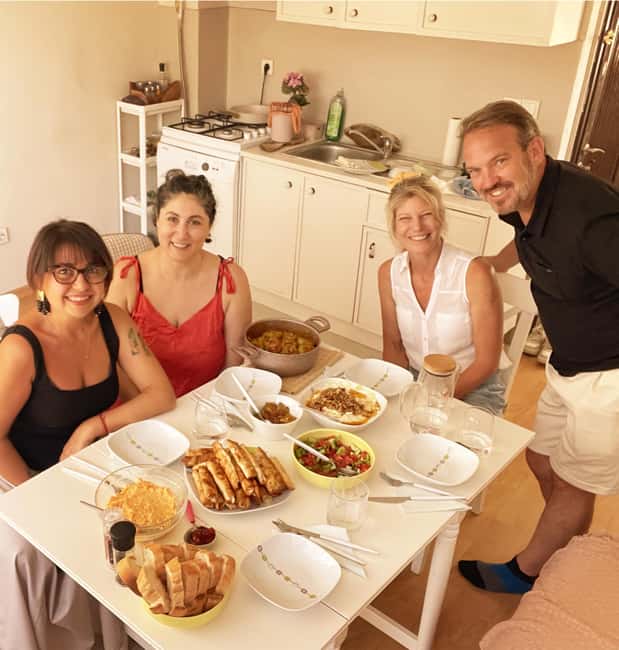
- In-home setting in Istanbul: You cook and eat where locals actually live, not in a generic venue.
- Aysu’s teaching style: Expect conversation and a friendly, collaborative pace.
- A full set of dishes: Dolma, havuç tarator, sigara böreği, and İrmik tatlısı.
- Real group limit (8 people): More attention, less waiting, more tasting.
- Shared feast timing matters: Lunch or dinner depending on your start time.
Cooking in an Istanbul home: where to meet and how to get there
This class starts from a specific address in Istanbul Province, and you’ll end right where you began. There’s a practical detail that matters: once you reach Abbasağa Mah. Çeşme Yokuşu Sk., you should look for number 3 and the apartment number is 4. After you’re at the door, you call the host to let you in.
If you’re coming from the Old Town area (Sultanahmet, Hagia Sophia, Grand Bazaar, Eminönü), I’d plan for a transit + last-mile combo. The simplest suggestion is to take the tram to Kabataş, then go on by taxi or bus, or walk for about 30 minutes. The walk is described as uphill, so it’s the kind of route where comfortable shoes matter. If you’re carrying bags, I’d skip the uphill walk.
What I like about meeting this way is that it forces you to experience a real neighborhood rhythm rather than hopping on and off buses all day. The trade-off is that you’re not dropped at a museum entrance; you have to get yourself to a local street and call to enter. If you’re the kind of traveler who enjoys the small effort, you’ll probably find this part charming. If you hate figuring out last steps, start messaging soon after booking.
You can also read our reviews of more tours and experiences in Istanbul.


The menu you’ll make: dolma, havuç tarator, sigara böreği, and İrmik tatlısı
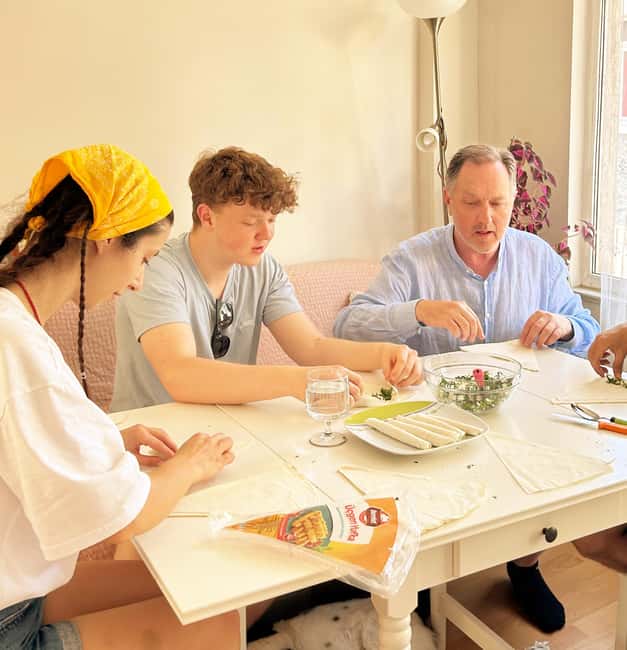
This is a four-part Turkish food lineup, with variety by design. You’ll build a meal that moves from warm drinks to savory bites to a hearty stuffed dish, finishing with dessert.
Dolma (stuffed peppers)
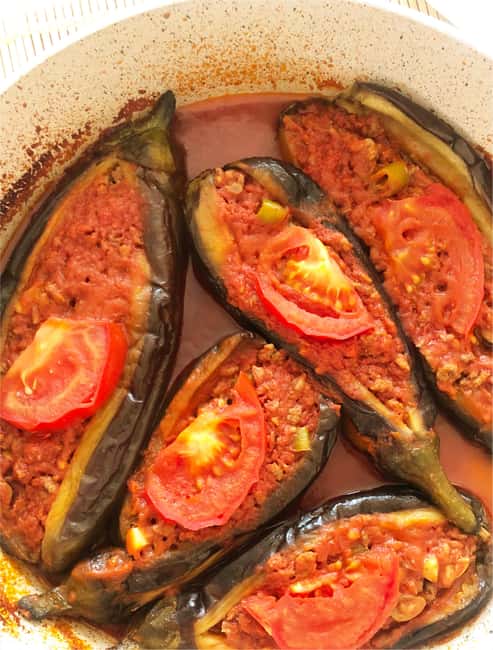
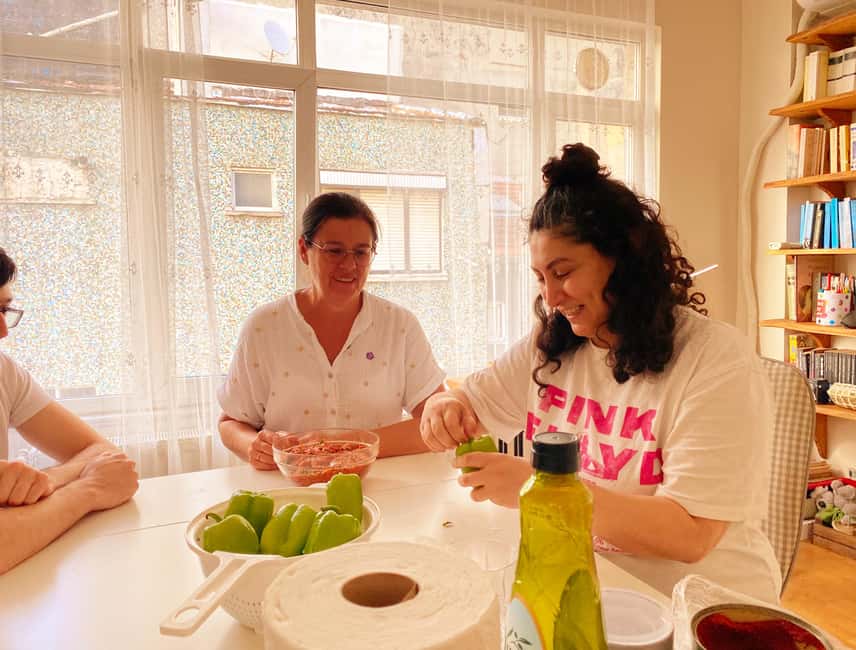
You’ll learn how dolma comes together: peppers filled with a mixture of meat, rice, spices, and vegetables. Dolma is one of those dishes where technique counts. The goal isn’t just stuffing; it’s getting the balance right so the filling cooks properly and the flavors feel integrated when you eat.
Havuç tarator (creamy carrot meze)
This is your creamy, garlic-forward dip. Havuç tarator is a great palate reset between richer dishes. Even if you’re not a big carrot fan, the key is the flavor combination: the texture turns smooth, and the garlic gives it that punch that Turkish meze is known for.
Sigara böreği (crispy feta-and-herb pastries)
These are snack-sized, golden, and crunchy. The challenge with sigara böreği is timing and handling—keeping the pastry intact while turning it into crisp bites. It’s also a dish where you’ll see how Turkish home cooks balance simplicity with very specific results.
İrmik tatlısı (semolina dessert)
A lightly sweet semolina dessert finishes the meal. I like that it’s not trying to be fancy; it’s comforting, familiar, and built for sharing after a savory spread.
One helpful note from the experience style: some sessions may include another stuffed roll dish like Sarma, since the host’s class approach can focus on different stuffed preparations. If you’re specifically hoping for dolma only, double-check the exact menu once you book—because menus can shift slightly, while the overall cooking theme stays the same.
The tea-and-chat start: why Turkish coffee and tea belong first
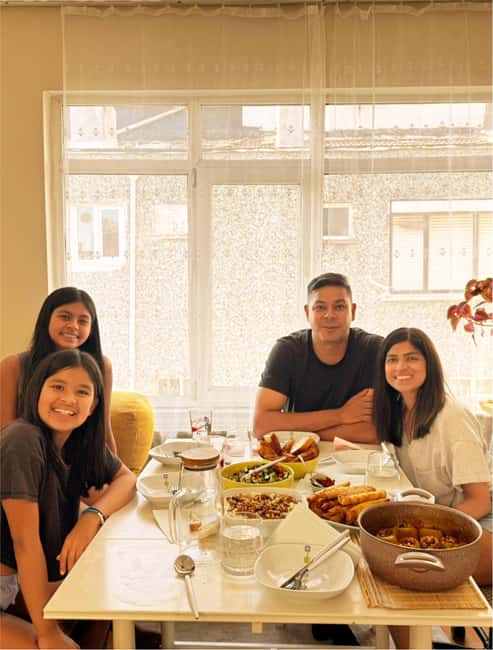
Before you cook anything, you’ll be welcomed with Turkish tea or coffee. That may sound like a small detail, but it sets the tone. Food classes work best when the group feels comfortable early, and this one builds that comfort in a simple way: chat first, apron later.
This is also where cultural texture shows up. The host (Aysu) keeps things conversational, and the pace feels like visiting someone who cooks, not like attending a lecture. You’ll get to know the other participants a bit, which makes the meal at the end more than just “eat and go.” It becomes social.
Another practical reason I like this opening: it gives you time to ask questions before the hands-on part begins. If you have dietary needs or allergies, you’ll want that early moment to clarify what can and can’t go into your dishes.
Hands-on cooking in 3 hours: how the class keeps its rhythm
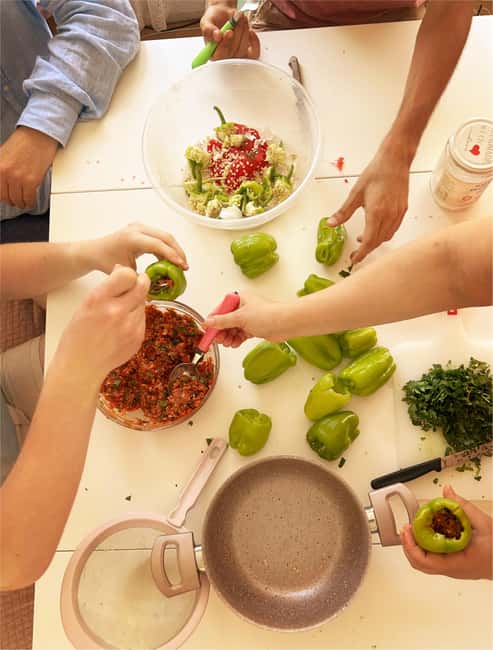
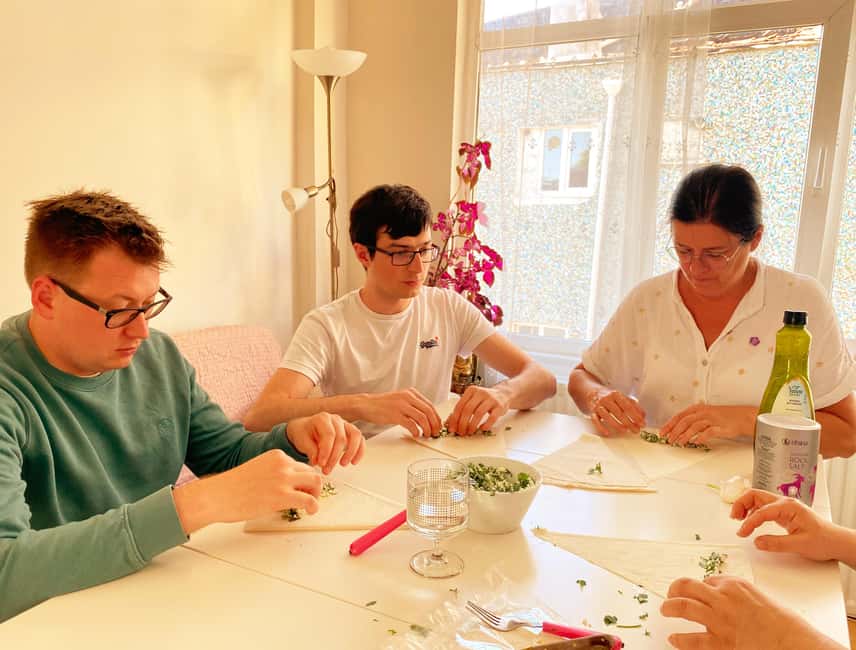
A 3-hour duration can either feel too short or just right. Here, it tends to work because the dishes are paired for flow: you can snack and prep while other elements cook, and the class is built around a manageable group size.
The class limits participation to 8 people, which matters more than it sounds. In larger classes, you often watch and wait. Here, you should be more involved in what’s happening on the counter. It also helps the host maintain a steady rhythm—show, do, taste, adjust—without everyone getting lost.
Because it’s hosted in English and Turkish, you’ll have options for understanding instructions. If you’re not fluent, it still helps to see what “right” looks like. If you are fluent or semi-fluent, you’ll probably enjoy the extra depth you can ask for. Either way, the teaching style is described as warm and friendly, which is a big part of why people rate this experience highly.
One timing detail that’s worth knowing: the experience changes to match your start time. If it’s booked for 12pm, it’s held as lunch. If it’s booked for 5pm, it’s held as dinner. In other words, you’re not getting a generic “dinner regardless.” You’re getting a meal format that fits the hour you choose.
Lunch vs dinner: what changes when you start at noon or 5pm
Food tastes different depending on the time of day. That’s true even when the dishes are the same. This class treats timing like part of the experience rather than an afterthought.
If you start at 12pm, you’ll treat the meal as lunch. That usually means a slightly lighter feel in the day’s energy—good if you’re pairing it with morning sightseeing. If you start at 5pm, it becomes dinner, which fits well if you plan to see the big sights earlier and then settle into a slower, evening pace.
The listing info is clear that the meal format is tied to the booking time, so choose based on your day plan. If you want to avoid rushing after a long walk, schedule it later. If you’d rather not eat heavy food right before bed, schedule it earlier.

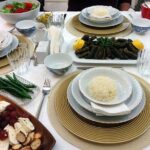
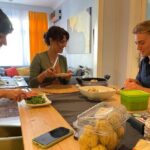
The feast part: why eating together is the real payoff
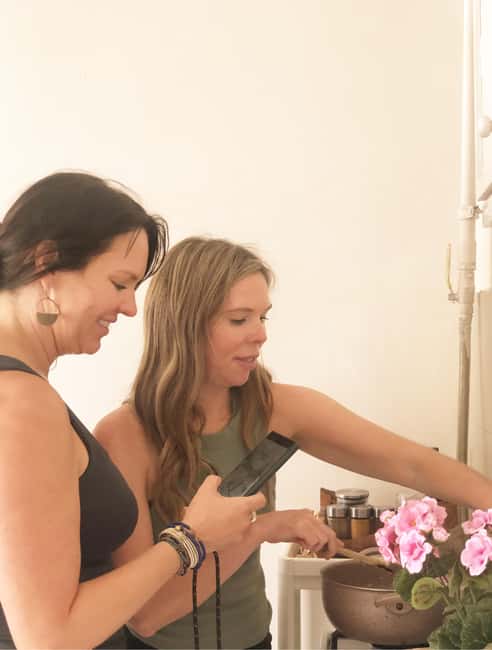
The best cooking classes don’t end when the last dish is plated. They turn into a meal where you actually sit down, share stories, and enjoy what you made.
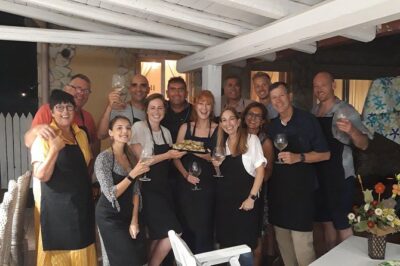
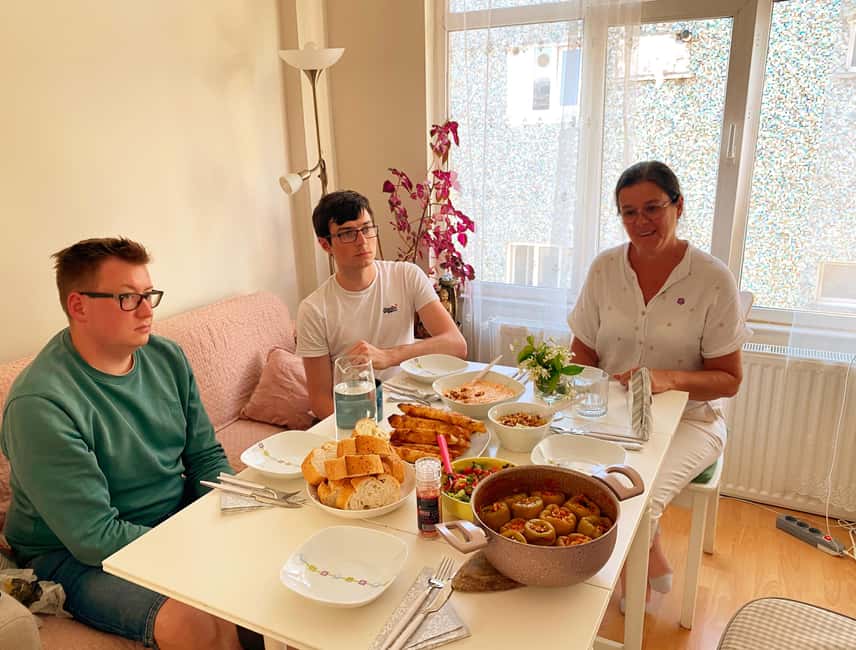
Here, you’ll eat a homemade feast together once everything is ready. It’s described as a meal celebrating friendship, and that social piece is what makes the experience stick. You’re not just learning recipes. You’re experiencing how a Turkish home meal feels: casual, warm, and meant for sharing.
This also affects your “value for money.” Yes, you’re paying for the instruction. But you’re also paying for the full sit-down dining experience included in the price. With tea/coffee included too, it becomes a complete evening or meal, not just a cooking workshop where you go elsewhere to eat.
Pricing and value: is $62 fair for what you get?
At $62 per person for about 3 hours, the fair question is: what do you actually receive beyond the dishes themselves?
You get:
- A home-cooked meal with the dishes you make
- Tea and/or coffee included
- A small group cap of 8
- Instruction from Aysu in English/Turkish
- Hands-on cooking, not passive watching
Compared with eating the same foods at a restaurant, the price starts to feel reasonable because restaurants charge for the food plus service, and you’re also paying here for the teaching and the meal setting. Compared with larger group classes, the lower class size is part of the value: fewer people means you’re more likely to get direct help.
In short, it’s not a bargain in the way street snacks are cheap. But for an experience that blends instruction, hospitality, and a full homemade meal in a Turkish home, it’s a solid deal.
Logistics and comfort: pets, allergies, and communication you should plan for
Two practical things can make or break a home experience.
Pets: The home is shared with a friendly cat and dog. That’s part of the charm for some people and a stress point for others. If you have concerns—fur allergies, fear, or just a strong preference to avoid pets—contact the host. This is one of those situations where asking early saves you from uncomfortable surprises.
Allergies and dietary preferences: The host asks you to notify any dietary restrictions after booking. This matters because you’re cooking a multi-dish meal. If you have an allergy or dietary plan, don’t wait until you arrive. Send the details ahead so the menu can be adjusted.
Communication leading up: One drawback that comes up is that the lead-up communication can be confusing for some people. That’s not uncommon with small, home-based experiences. Your best move is simple: once you book, send a clear message about your arrival time and what you need to find the apartment. When you’re on-site, call the host once you reach the building.
If you treat this like a friendly appointment rather than a big tour bus, you’ll likely enjoy it more.
Who this class is best for (and who should reconsider)
This cooking class works especially well if you:
- Want a hands-on Turkish cooking experience instead of a restaurant meal
- Like small groups where you can talk and ask questions
- Prefer local, home-style hospitality over big, structured tours
- Want to learn practical recipes you can cook again later
- Travel solo or as a couple and want a social table moment
It may be less ideal if you:
- Strongly dislike being in a home environment with pets
- Hate navigating last-mile directions and prefer easy pickup points
- Need a perfectly rigid schedule with zero flexibility
Also, if you’re someone who learns by doing, you’re in luck. This class is built around actually making food, not just watching someone else do it.
Should you book this Istanbul Turkish cooking class?
I think you should book it if your idea of a great day in Istanbul includes good food, real people, and learning techniques you’ll use again. The small group limit, the meal included, and the warm host approach (Aysu) are the big reasons it earns such high marks. You’re not just buying dinner. You’re buying a calmer, more personal way to understand Turkish home cooking.
If you’re worried about pets or you have dietary restrictions, still consider booking—but message first. That one step helps you get a tailored menu and a comfortable environment. And if you want an easy arrival, plan your route in advance and give yourself extra time to reach the apartment.
Bottom line: for about $62, you get a full, sit-down homemade Turkish meal plus cooking instruction in a small group. If that matches your travel style, this is an easy yes.
FAQ
How long is the Turkish cooking course?
It lasts 3 hours.
Is this class lunch or dinner?
It depends on the start time: it’s lunch if booked for 12pm, and dinner if booked for 5pm.
What is included in the price?
Dinner or lunch is included (based on time), along with coffee and/or tea.
What dishes will I learn to cook?
You’ll be preparing Turkish dishes such as dolma (stuffed peppers), havuç tarator (creamy carrot-based meze), sigara böreği (crispy pastries with feta and herbs), and İrmik tatlısı (semolina dessert).
What is the group size?
The class is limited to 8 participants.
What languages are used by the host?
The host greets guests in English and Turkish.
Can the menu be adjusted for allergies or dietary preferences?
Yes. You should notify any dietary restrictions after booking so adjustments can be made.
Is there a cat or dog at the home?
Yes. The home is shared with a friendly cat and dog, and you can reach out if you have concerns.
Where exactly is the meeting point?
You’ll meet at the address on Abbasağa Mah. Çeşme Yokuşu Sk., where you should look for number 3 and go to apartment 4. You call the host once you’re there.
How do I get there from the Old Town?
A suggested route is to take the tram to Kabataş, then go by taxi or bus, or walk about 30 minutes (noted as uphill).