REVIEW · ISTANBUL
Çiğ Köfte Cooking Class/Night with Traditional Music At Home
Book on Viator →Operated by Lokal Bond · Bookable on Viator
You knead, laugh, and eat in one night. This Çiğ Köfte cooking class brings the Urfa-style kneading tradition into a local home in Kadıköy, with traditional music playing while you work the dough. You’ll start with ingredients and spice basics, then get hands-on with as much participation as you want.
I really liked the small group feel, which makes it easy to ask questions and actually talk. I also liked that hosts Bushra, Burak, and Bawer keep things relaxed and funny, so the music + kneading turns into a real evening with people who feel like friends. A possible drawback: it’s not a formal restaurant-style class, so if you want a quick, hands-off cooking lesson, this home format and focus on the tradition may feel too hands-on.
In This Review
- Key Things You’ll Notice Right Away
- Why Çiğ Köfte Kneading Feels Different in Urfa Style
- A Home-Kitchen Night in Kadıköy (Not a Classroom)
- The one thing to consider
- Ingredients and Spice Talk Before You Knead
- Traditional Music While You Cook (The Fun Part)
- Joining the Kneading: As Much as You Want
- The Taste Tests and Intensity Checks That Teach More Than Recipes
- What You Actually Eat: Çiğ Köfte as the Main
- Group Size, Duration, and What That Means for Your Evening
- Price and Value: Is $60 Fair for a Home Session?
- Where This Fits Best (And Who Might Want to Skip)
- Booking Timing: One That Fills Up
- Should You Book the Çiğ Köfte at Home Class in Istanbul?
- FAQ
- What is the main dish you’ll make or eat?
- How long does the Çiğ Köfte cooking class last?
- Where is the meeting point in Istanbul?
- How many people are in the group?
- Is the experience offered in English?
- Is traditional music included during the cooking?
- Can I participate in kneading as much as I want?
- Does the activity end back at the meeting point?
- Is free cancellation available?
Key Things You’ll Notice Right Away
- You learn the why, not just the steps of Çiğ Köfte, starting with ingredients and spice talk
- Music runs during kneading, tying the rhythm to the Urfa tradition
- You can knead as much as you want, from light participation to fully joining in
- Taste and intensity checks happen during the session, plus plenty of jokes
- You stay in a private-home setting with a max of 8 people, not a big group room
Why Çiğ Köfte Kneading Feels Different in Urfa Style
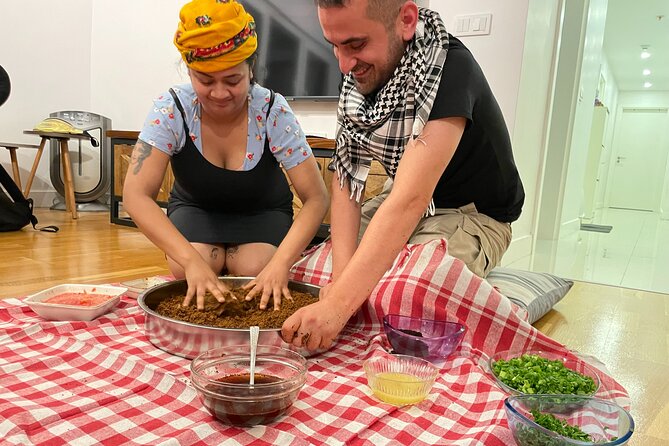
Çiğ Köfte is often treated like street food. But the Urfa-rooted tradition is more than snacking—it’s a group activity built around kneading, sharing, and music. That’s the heart of this experience: you’re not only making food, you’re getting the cultural context behind why people gather to work it by hand.
You’ll learn that the kneading isn’t just technique. It’s part of how the flavor comes together, how texture changes as you work, and how the group energy helps everyone get it right. With traditional music in the background, the pace feels different too—less like a demo, more like a shared ritual.
If you’re the type who likes food experiences that teach you something real (and not just where to take photos), this format fits well.
You can also read our reviews of more tours and experiences in Istanbul.


A Home-Kitchen Night in Kadıköy (Not a Classroom)
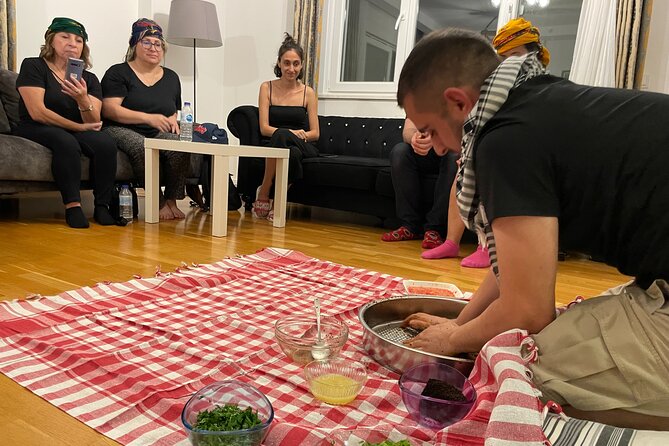
The class meets in Kadıköy, at 19 Mayıs, Şemsettin Günaltay Cd. no:186, 34738. It also notes that it’s near public transportation, which matters in Istanbul. You don’t want your evening to turn into a commute puzzle after a long day of sightseeing.
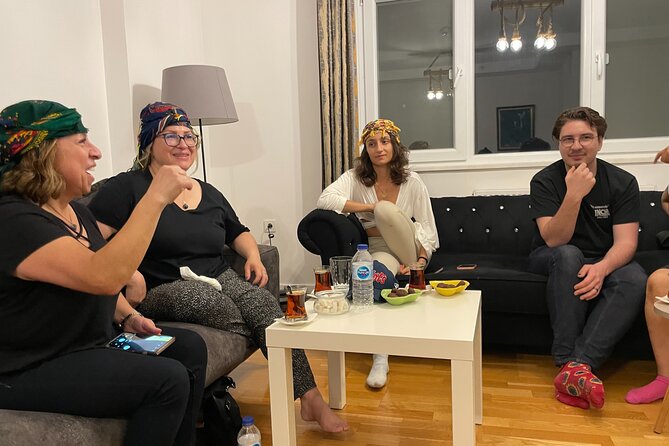
From there, you’re going to an actual home. That changes the vibe right away. Instead of rows of seats and a lecture tone, you get a warm welcome, a place to settle in, and a small-group energy that makes it easier to ask questions without feeling rushed.
This is also where the max group size of 8 people matters. You’ll get personal interaction, and you won’t feel like you’re competing with a crowd for attention. For me, that’s part of the value of the whole experience.
The one thing to consider
Because it’s at someone’s home, expect a cozy setup and a focus on being present, not a polished performance space. It’s casual and friendly, and that’s usually the point—but you should be comfortable with that style.
Ingredients and Spice Talk Before You Knead
Before hands get messy, you’ll start with a breakdown of Çiğ Köfte ingredients and special spices. This part is more useful than it sounds. A lot of people try Turkish food and only remember the taste. Here, you learn what creates that taste and why it matters when you knead.
Think of it like getting your bearings. When you understand what you’re working with—spices, flavor elements, and the logic behind intensity—your kneading session becomes more than just following motions. You’ll be able to notice differences as you go, and that makes the session more rewarding.
You’ll also be taught the concept and tradition behind Çiğ Köfte, not only the steps. That’s a key difference from many cooking classes that focus on technique alone.
Traditional Music While You Cook (The Fun Part)
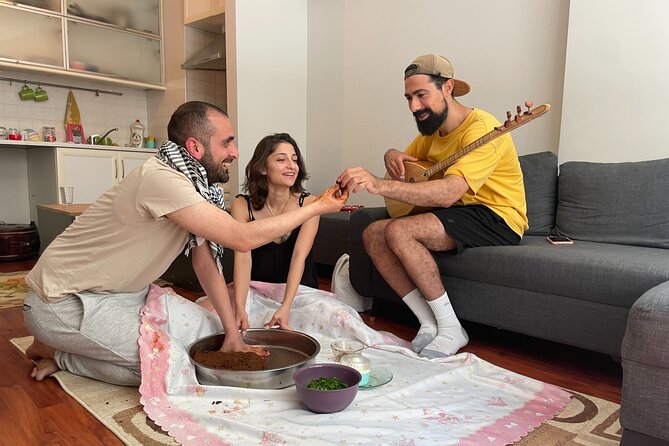
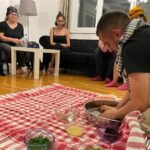
Then the atmosphere shifts. You’ll sit together and start kneading Çiğ Köfte as a group activity, and traditional music plays during the session. In the Urfa tradition, large groups split roles—some knead, others play and sing. Here, the experience recreates that idea in a way you can participate in.
You’ll hear the rhythm while you work. That changes how time feels. Kneading is repetitive, and with music running, it stops being a chore and starts feeling like a shared event.
Also, the social layer matters. The hosts bring jokes and playful testing into the mix. That makes it easier to relax, even if you don’t have any background in Turkish cooking.
Joining the Kneading: As Much as You Want
One of the best parts is that you can participate at your own pace. You’re not forced into full-on kneading if you’re unsure. If you’re curious and want to do the real work, you can lean in. Either way, the group setup keeps it welcoming.
Here’s why this matters for you: kneading is physical. Some people like that. Some people prefer to learn by watching first. This experience gives you room to find your comfort zone.
You’ll also get little taste checks and intensity tests during the session. The goal isn’t just to eat. It’s to help you understand what changes when you adjust the flavor and how people judge that through experience.
If you’ve ever wondered why certain dishes taste the way they do, this is the kind of moment where it clicks.
The Taste Tests and Intensity Checks That Teach More Than Recipes
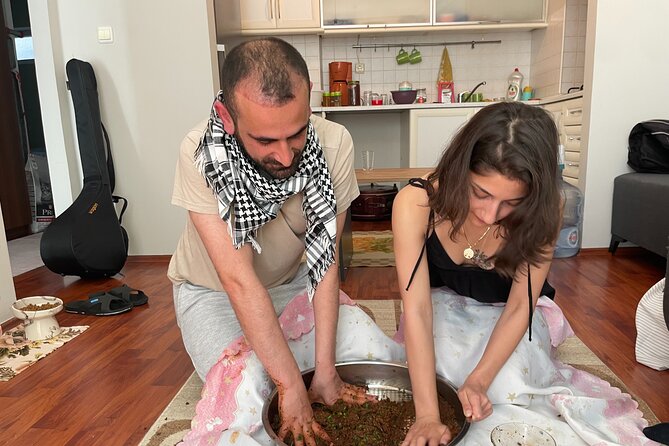
A typical cooking class can leave you with a recipe and no understanding. This one aims to give you the concept and the culture, and that shows up in the way taste and intensity get discussed during kneading.
During your session, there are various jokes and ways of testing the taste and intensity. That means you’re not stuck waiting until the very end. You’re actively learning while you work.
I like this approach because it helps you think like a cook, not just a diner. Instead of asking, Will it taste good? you start asking, What makes it stronger? What changes the balance? What does intensity mean in practice?
It’s the kind of hands-on learning that makes the final eating feel earned.
What You Actually Eat: Çiğ Köfte as the Main
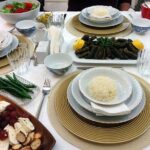
The sample menu is simple: Çiğ Köfte as the main. That keeps expectations clear. You’re not signing up for a multi-course dinner. You’re signing up for one iconic dish, prepared with care and explained in a cultural way.
And that matters. When a class is all about one dish, you get depth. You can focus on the kneading, the spices, and the intensity. You’re less likely to feel rushed through ten plates you barely remember.
So if you’re a fan of Turkish street food and you want to go past the surface, this format fits your goal.
Group Size, Duration, and What That Means for Your Evening
The experience runs about 2 hours 30 minutes. That’s a sweet spot for a cooking night in Istanbul. It’s long enough to actually knead, learn, and taste, without swallowing your entire evening.
It also has a maximum of 8 travelers. In practice, that’s what helps the hosts keep the energy personal. You’re not stuck yelling over music to be heard. You can talk, ask questions, and still keep the kneading flowing.
Language support is offered in English. That helps a lot if your Turkish is still in the beginner phase. You’ll be able to follow the ingredients and spice explanation and join the conversation naturally.
Price and Value: Is $60 Fair for a Home Session?
At $60 per person for roughly 2.5 hours, this isn’t a budget street snack. But it also isn’t priced like a luxury food tour. The value is tied to what you get: a hands-on class in a private home, a cultural focus on Urfa kneading tradition, and traditional music during the session with a small group.
You’re paying for more than food. You’re paying for:
- time with local hosts in a home setting
- English guidance through ingredients, spices, and the idea of tradition
- active kneading participation and taste/intensity testing
- an experience format that feels social, not mechanical
If your priority is a quick meal, you’d probably spend less elsewhere. But if your priority is understanding how and why Çiğ Köfte is made, and you want an evening that feels like a local hangout, $60 can be a solid deal.
Also, group discounts are listed, which can make it even better if you’re coming with others.
Where This Fits Best (And Who Might Want to Skip)
This is a strong match if:
- you like food culture that explains the reasoning behind the dish
- you want something small-group and social
- you enjoy hands-on activities more than watching from a distance
- you’re interested in Turkish street food with deeper roots
You might want to think twice if:
- you prefer formal, restaurant-style cooking instruction
- you want a low-effort experience where you mostly observe
- you don’t enjoy kneading hands-on food preparation
The tone is friendly and relaxed. It’s not trying to be stiff or staged.
Booking Timing: One That Fills Up
This experience is often booked about 26 days in advance on average. That doesn’t mean it’s impossible to find a spot late, but it’s a good hint that it sells. If this is on your Istanbul must-do list, it’s smart to lock it in earlier rather than waiting.
Should You Book the Çiğ Köfte at Home Class in Istanbul?
If you’re choosing between a basic street-food stop and a deeper food night, I’d book this. The combo of home-kitchen hosting, traditional music, and hands-on kneading with guidance is exactly the kind of experience that makes Istanbul travel feel personal.
Go for it if you want to learn the tradition behind a famous dish—and if you don’t mind getting involved with your hands a bit. I’d skip it only if you’re after a quick, hands-off meal.
If you book, show up ready to laugh, ask questions, and let the evening run on local rhythm.
FAQ
What is the main dish you’ll make or eat?
Çiğ Köfte is the main dish included in the experience.
How long does the Çiğ Köfte cooking class last?
It lasts about 2 hours 30 minutes.
Where is the meeting point in Istanbul?
The start point is 19 Mayıs, Şemsettin Günaltay Cd. no:186, 34738 Kadıköy/İstanbul, Türkiye.
How many people are in the group?
The group size has a maximum of 8 travelers.
Is the experience offered in English?
Yes, it’s offered in English.
Is traditional music included during the cooking?
Yes. Traditional music is part of the experience while you knead.
Can I participate in kneading as much as I want?
Yes. You can knead and participate as much as you wish.
Does the activity end back at the meeting point?
Yes, it ends back at the meeting point.
Is free cancellation available?
Yes. You can cancel up to 24 hours in advance for a full refund.