REVIEW · ISTANBUL
Istanbul: Vegan/Vegetarian Cooking Class with Locals at Home
Book on GetYourGuide →Operated by Lokal Bond · Bookable on GetYourGuide
Food at home makes Istanbul feel personal. This is a cozy, small-group vegetarian cooking class near Taksim where you cook side by side, eat together, and swap culture in a local apartment kitchen.
I love two things most: the home-hosted vibe that makes it feel like dinner with friends, and the chance to learn mantı and other Turkish favorites from scratch in a plant-based way.
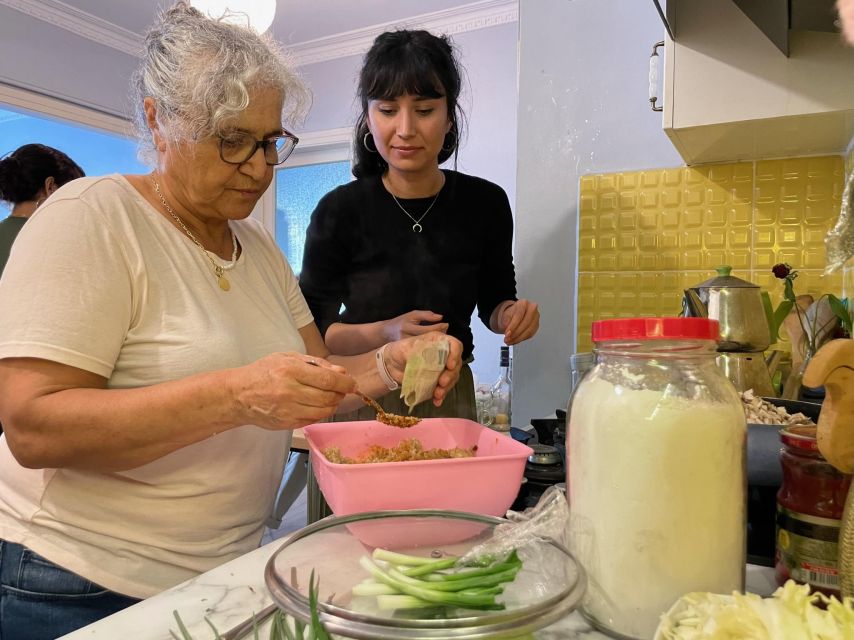
One thing to consider: since it’s in a real residential kitchen, it’s not a big restaurant setup, so expect close quarters and a more hands-on evening.
In This Review
- Key points I’d plan around
- Where This Istanbul Class Truly Starts: A Local Home Near Taksim
- What You’ll Cook: Vegan Kokoreç, Dolma, Mantı, and More
- Vegan Kokoreç: Turkish Street Food, Rebuilt for Plants
- Dolma: Wrapping, Stuffing, and Getting the Balance Right
- Mantı: Homemade Turkish Dumplings (Plant-Based)
- Variety beyond the big three
- The Tea-and-Stories Part: Why the Cultural Exchange Feels Real
- Plant-Based Turkish Cooking: What You’re Actually Learning
- The Rhythm of a 2.5-Hour Evening (and Where It Can Feel Tight)
- Instructor Help in English and Turkish: A Real Benefit for Non-Turkish Speakers
- Price and Value: Is $106 Fair for a Home-Cooked Class?
- Who Should Book This Vegan/Vegetarian Cooking Class?
- FAQ
- How long is the Istanbul vegan/vegetarian cooking class?
- What is the group size?
- What dishes will we make?
- Is the class vegetarian and vegan?
- What languages does the instructor speak?
- Where do we meet near Taksim?
- Is there free cancellation?
- Do I need to pay right away?
- Should You Book This Istanbul Vegan Cooking Class at Home?
Key points I’d plan around
- Taksim-area home cooking: you’re not stuck in a showroom kitchen.
- Plant-based Turkish classics: vegan versions of street food and comfort dishes.
- Small group (max 6): you get real time with the host, not a pass-it-along demo.
- English/Turkish guidance: you can follow along even if your Turkish is still in progress.
- Conversation built in: the best part is often the stories, not just the chopping.
Where This Istanbul Class Truly Starts: A Local Home Near Taksim
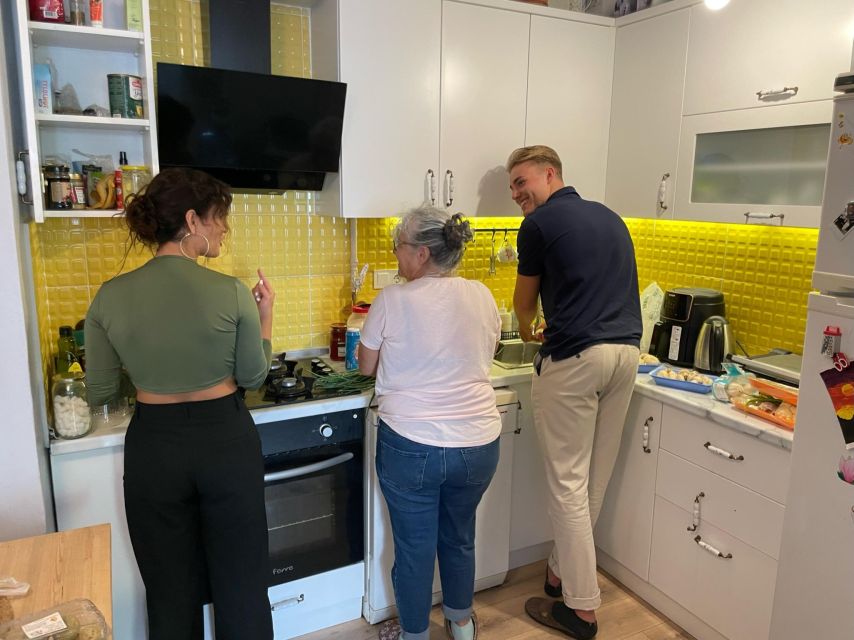
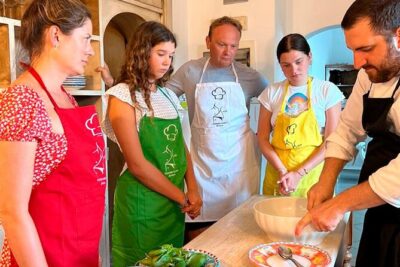
The vibe here is simple: you walk into a local home near Taksim and the evening shifts from sightseeing mode into slow, friendly hosting mode. The class runs about 2.5 hours, and that length matters. You have enough time to actually cook, plate a full meal, and still talk without everyone feeling rushed.
You’ll begin with a warm welcome and usually a cup of tea or coffee. That first drink isn’t just a nice touch. It sets the tone so you can ask questions early—about ingredients, Turkish cooking habits, or Istanbul life—before you’re deep into rolling, stuffing, and tasting.
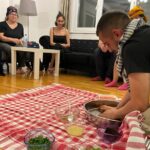
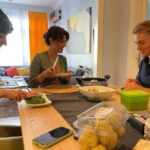
From what you can expect in this kind of home experience, don’t treat it like a formal class. It’s more like you’ve been invited into someone’s kitchen. You’ll learn best if you’re comfortable being part of the action: handing over ingredients, tasting as you go, and checking seasoning together.
The class is limited to 6 participants, which helps a lot. In a small group, the host can watch your technique, correct small things (timing, texture, folding), and still make sure everyone gets to taste. If you like personal attention, this format is a big deal.
You can also read our reviews of more tours and experiences in Istanbul.
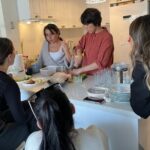
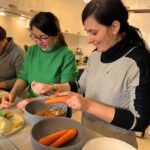
What You’ll Cook: Vegan Kokoreç, Dolma, Mantı, and More
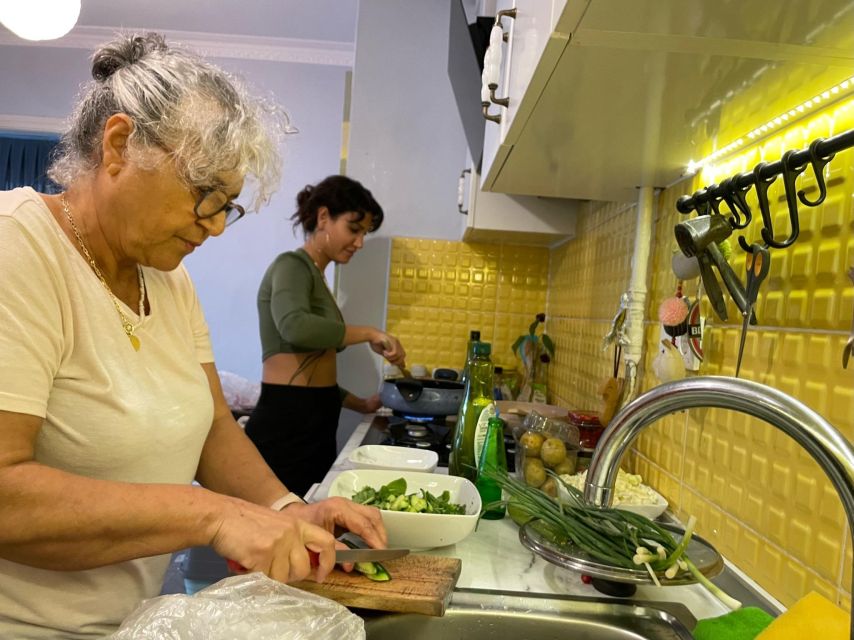
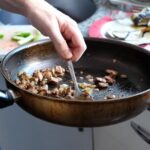
This is not just learning recipes on paper. You’re making dishes from scratch. The menu centers on Turkish comfort and street-food classics, then translates them into vegetarian and vegan versions.
Vegan Kokoreç: Turkish Street Food, Rebuilt for Plants
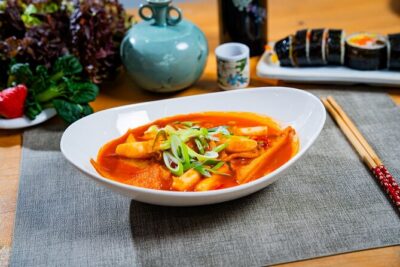
Kokoreç is traditionally known as a street-food style dish. Here, the class focuses on a vegan twist on kokoreç, so you still get the idea of bold flavor and “this is why people line up” street energy—without animal-based ingredients.
What I like about choosing kokoreç for a plant-based class is that it teaches you how Turkish cooking can lean naturally hearty. You’re learning how flavor comes from the mix: spices, aromatics, and how the filling is built, not just from one ingredient category.
Dolma: Wrapping, Stuffing, and Getting the Balance Right
Dolma is one of those dishes that rewards careful technique. You’re working with the concept of stuffing and wrapping, and you learn how the filling needs to taste good even before it’s cooked through.
If you’ve ever eaten dolma and wondered why some versions taste light while others feel heavy, this class style helps you understand the balance. You’ll get a feel for how herbs, spices, and the right texture make the difference.
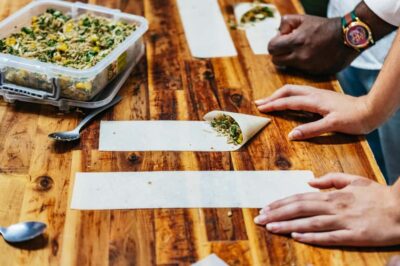
Mantı: Homemade Turkish Dumplings (Plant-Based)
Mantı is a highlight for many people because it’s detailed, and it shows skill. In this class, you’ll make homemade mantı from scratch, then adapt it into a vegan-friendly version.
Mantı is also where you learn the “why” behind technique:
- dough and thickness matter
- how you portion affects cooking time
- and the way you finish the dumplings determines how they feel in your mouth
From the feedback you can take into planning, mantı is the dish that tends to stick in people’s minds afterward because it feels like a real achievement. You’re not just assembling; you’re producing a full Turkish dumpling experience.
Variety beyond the big three
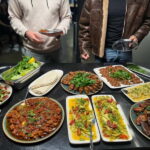
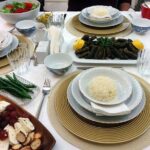
The class includes a variety of vegan/vegetarian dishes beyond kokoreç, dolma, and mantı. That variety is part of the value. A single recipe teaches one skill; a full set teaches you how a meal comes together in a Turkish home kitchen—how dishes complement each other and how flavors keep moving across the table.
The Tea-and-Stories Part: Why the Cultural Exchange Feels Real
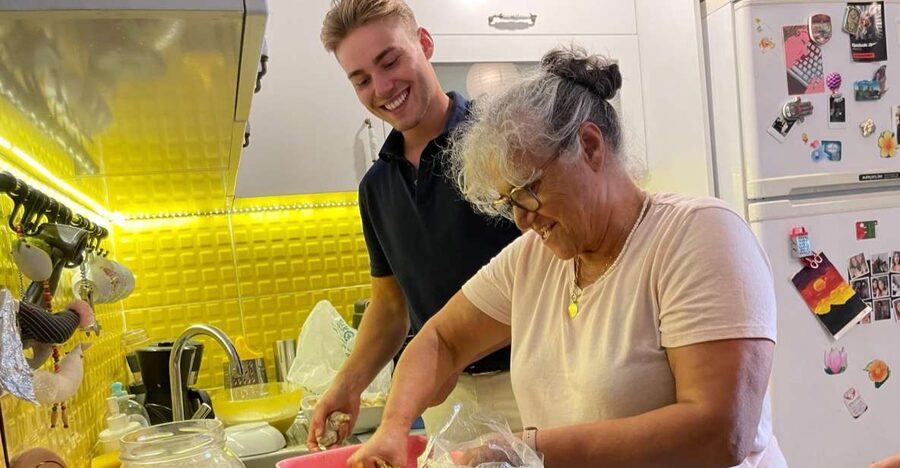
The strongest praise for this class isn’t only about flavor—it’s about the human time built into it.
You’ll have time to talk early during the tea/coffee welcome, and you’ll keep chatting while you cook. The instructor (often Rojda) shares personal stories and insights about life in Istanbul, not in a lecture way, but in an easy “let’s exchange notes” way.
That matters because cooking classes can become repetitive: cut, stir, smile, take photos, leave. Here, the goal is conversation—culture through food. You get to hear how someone who lives in Istanbul thinks about daily routines, local taste preferences, and how people talk about food at home.
I also like that the class is led in both English and Turkish. You don’t have to “perform” your language skills. You can ask questions and still follow along, which makes the whole evening feel welcoming instead of stressful.
Plant-Based Turkish Cooking: What You’re Actually Learning
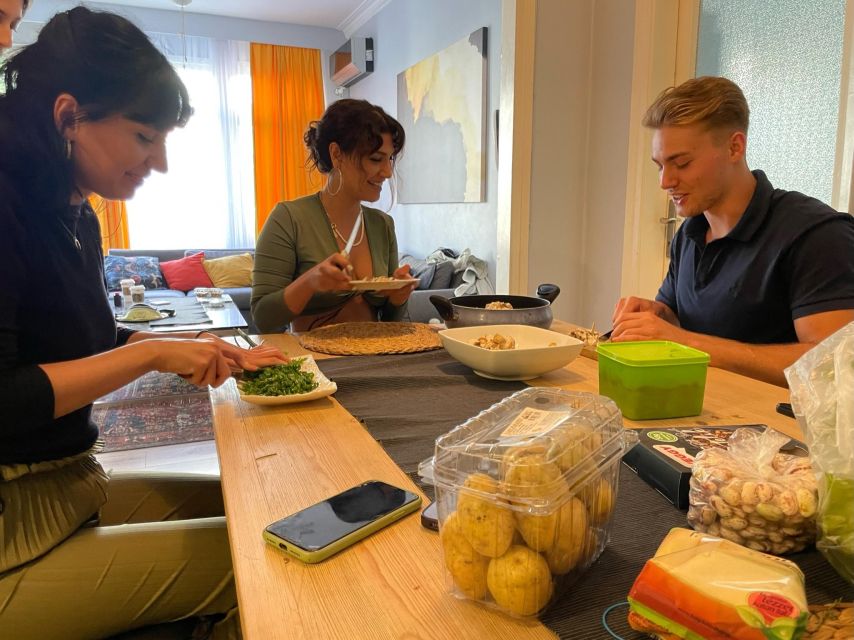
This class isn’t just teaching vegan substitutions. It’s teaching adaptation.
Traditional Turkish cuisine has plenty that is naturally vegetarian or can be made vegan without turning everything into a totally different dish. The host’s approach helps you see how plant-based Turkish cooking works in practice: you keep the Turkish flavor logic, then adjust ingredients so the final plate matches your dietary choices.
So when you learn vegan kokoreç or vegan mantı, you’re also learning a broader method:
- how to build deep flavor using herbs and spices
- how to think about texture (not just taste)
- and how to translate familiar dish structures into plant-based versions
That’s the useful part for you. After the class, you’re more likely to recreate the method at home, not just memorize a list of ingredients.
And yes, you’ll eat what you make. That’s important. You get feedback in real time: did it need more seasoning, did the filling cook properly, did the sauce finish pull it together? Instead of guessing later, you taste immediately and adjust.
The Rhythm of a 2.5-Hour Evening (and Where It Can Feel Tight)
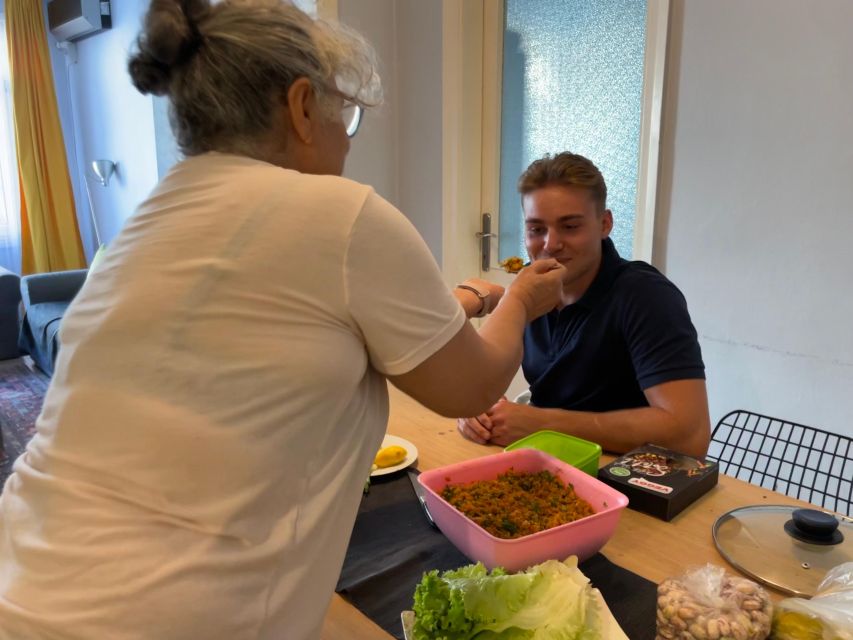
A 2.5-hour cooking class is a nice middle ground. Too short, and everything becomes a whirlwind. Too long, and you lose focus.
Here’s the pacing you can expect:
- Warm welcome + tea/coffee, quick conversation, get comfortable.
- Cooking side by side, with dishes running in parallel so everyone stays involved.
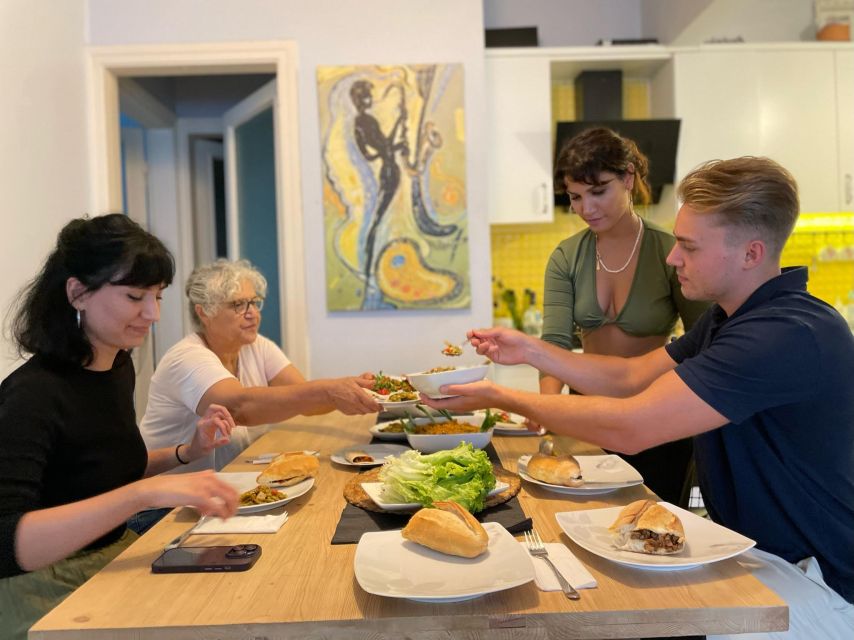
- Shared meal, where the cooking becomes the eating and the talking ramps up.
- Wrap-up with time to ask questions or clarify what you did.
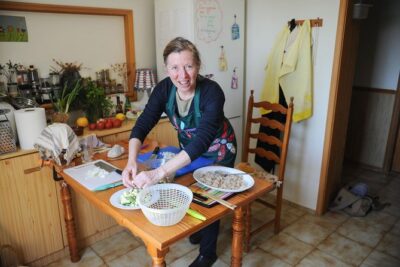
The one consideration is the home-kitchen format. You might be standing close to your tools and your host, and you’ll likely move around within a smaller setup than a restaurant. If you prefer wide open workspaces, this could feel more intense than you expect. If you like “hands-on, close to the process” evenings, that tight setup is actually a plus.
The small group also changes the feeling. With a maximum of 6 participants, the class doesn’t turn into a background soundtrack while the host teaches in front of you. You’re in the moment.
Instructor Help in English and Turkish: A Real Benefit for Non-Turkish Speakers
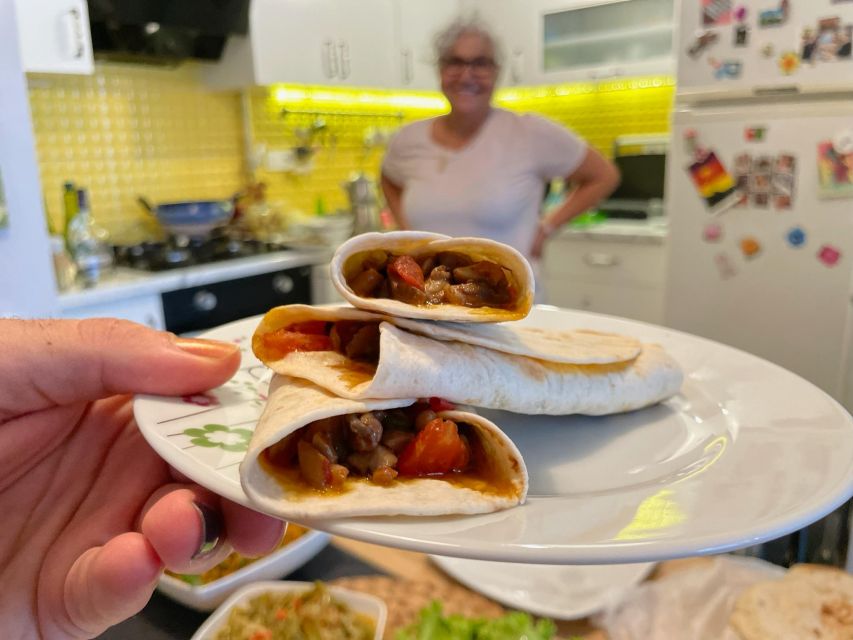
Language matters more than most people think in cooking classes. If you can’t understand the “why” behind a step, you end up copying motions, not learning technique.
This experience is guided in English and Turkish. That combination helps you follow instructions and ask questions, especially about ingredients and how flavors should develop.
If you’re traveling solo or you don’t speak much Turkish, this is exactly the kind of setup that keeps you included. You don’t have to guess what stage something should be at. You can ask, taste, and move forward.
And because the class is in a home environment, the tone tends to be personal rather than formal. That makes it easier to say, I’m not sure about this step, and get a clear answer.
Price and Value: Is $106 Fair for a Home-Cooked Class?
At $106 per person for about 2.5 hours, you’re paying for something more than recipes. You’re paying for:
- a small-group limit (max 6)
- an instructor who guides you in English/Turkish
- ingredients and a full plant-based meal
- and the cultural hosting experience that comes with a home dinner
For many people, the question is simple: is this just a cooking show, or do I get hands-on time and actual food?
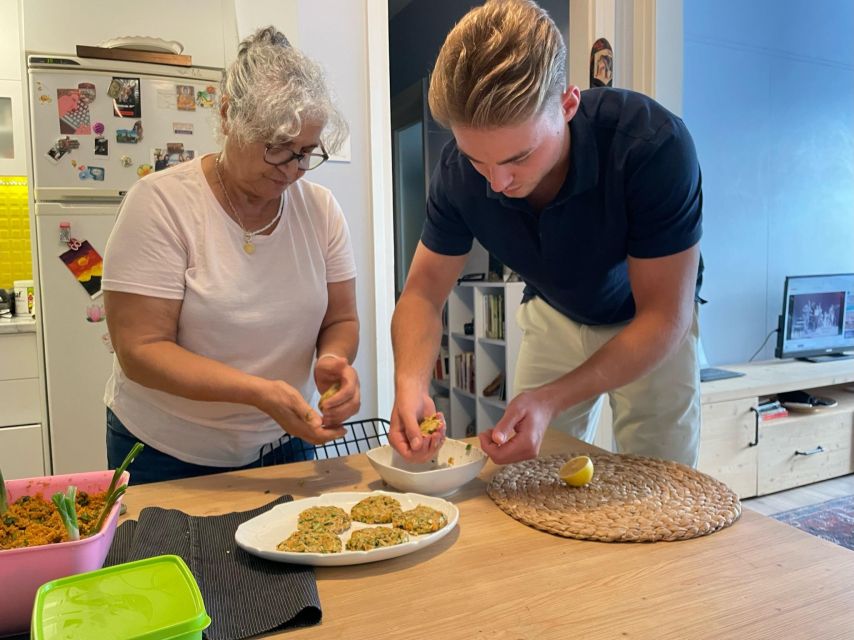
Based on what you can expect here, this is hands-on. You’re cooking multiple Turkish dishes, including mantı, and you’re eating what you made. That turns the class into a meal experience, not only a skill session.
Also, the home setting near Taksim can make it feel more intimate than tourist-heavy activities. You’re not just paying for cooking. You’re paying for a real conversation and access to someone’s kitchen habits.
Could it be expensive compared to a casual demo? Sure. But compared to the cost of a restaurant meal plus a guided cultural activity, $106 can feel like fair value—especially if you’re serious about food.
Who Should Book This Vegan/Vegetarian Cooking Class?
This class is a great fit if you:
- want Turkish flavors without animal ingredients
- like hands-on cooking, not just tasting
- enjoy small-group conversations and want to meet locals in a natural way
- want a practical evening you’ll remember because you learned technique, not only ate food
It might be less ideal if you:
- hate close quarters and crowded kitchens
- want a purely sightseeing-focused evening
- prefer a hands-off experience where you watch more than you cook
In other words, if you like to get your hands busy and you enjoy talking while you cook, this is built for you.
FAQ
How long is the Istanbul vegan/vegetarian cooking class?
The class lasts 2.5 hours.
What is the group size?
It’s a small group limited to 6 participants.
What dishes will we make?
You’ll learn to make dishes like vegan kokoreç, dolma, and homemade mantı, plus additional vegan/vegetarian dishes.
Is the class vegetarian and vegan?
Yes. It’s described as a vegan & vegetarian Turkish cooking experience.
What languages does the instructor speak?
The instructor speaks English and Turkish.
Where do we meet near Taksim?
You can call when you are here or simply ring the bell number 11.
Is there free cancellation?
Yes. You can cancel up to 24 hours in advance for a full refund.
Do I need to pay right away?
No. You can reserve now & pay later, meaning you can book your spot and pay nothing today.
Should You Book This Istanbul Vegan Cooking Class at Home?
If you want Istanbul through a local kitchen lens, I’d book it. You get a small-group setting, clear hands-on instruction, and a meal made from Turkish dishes that make sense in plant-based form. The fact that the class includes both the cooking and the conversation is the real differentiator.
I’d lean toward booking especially if you care about learning technique—mantı in particular—because that’s the kind of skill you can actually take home. And if you’re flexible with plans, the reserve-now, pay-later option makes it easier to fit into a busy Istanbul schedule. If you’re hoping for a big, formal tour experience, choose a different style. But if you want warmth, cooking, and a table you share, this one is a strong match.