REVIEW · ISTANBUL
Istanbul Home Cooking Course – Cook and Eat
Book on GetYourGuide →Operated by Lokal Bond · Bookable on GetYourGuide
Food shopping first, then cooking, then eating.
This Istanbul home cooking course is interesting because you start in Kurtuluş with Gülşah, then move straight into her home kitchen for hands-on Turkish comfort food and a shared dinner. I love the neighborhood market tour (spice shop stops and local baker/pickle type shops) because it shows how Istanbul actually stocks pantry staples, not just tourist ingredients. I also love the way Gülşah teaches practical, repeatable skills, including small tricks she learned from her grandma, so you’re not just copying recipes—you understand them. One thing to consider: there’s a small dog in the home during the experience, so if you’re uncomfortable around dogs, you should flag that ahead of time.
In a city where “cooking classes” can sometimes mean a quick demo and a rushed meal, this one keeps the pacing human. You get a small group of up to 5 for about 4 hours, with tea, Turkish coffee, and dessert included alongside what you cook and eat.
If you want Istanbul food culture through everyday routines—shopping, cooking, and sitting down together—this format fits that goal well.
In This Review
- Key highlights you’ll care about
- Kurtuluş market first: why the shopping walk changes your cooking
- Possible drawback: shop pace may feel fast if you hate crowds
- Finding the right meeting point without stress (Ramada Plaza Otel by Osmanbey)
- Practical tip
- Cooking in a real Istanbul home kitchen: what hands-on time looks like
- What dishes you’re likely to make
- Why the grandma-style tips matter
- The meal: more than food, it’s the pace of hospitality
- One more note on dietary reality
- Who this course is best for (and who should rethink it)
- Price and value: what $102 buys you in Istanbul terms
- Tips so your evening runs smoothly
- Should you book this Istanbul Home Cooking Course?
- FAQ
- How long is the Istanbul Home Cooking Course?
- What does the price include?
- What dishes will we cook?
- Is alcohol included?
- How big is the group?
- What languages are offered?
- Is there a cancellation policy?
- What about dogs?
Key highlights you’ll care about
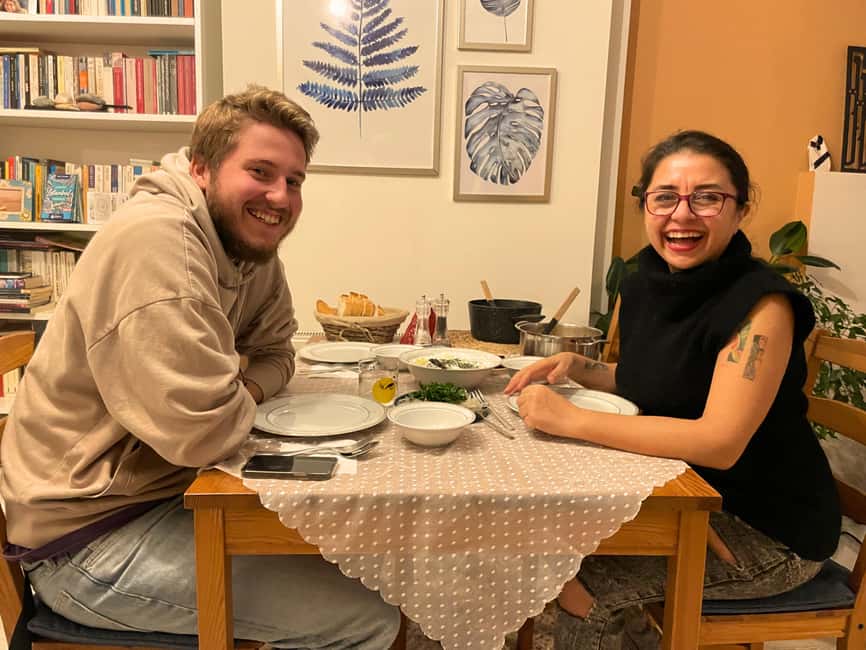
- Kurtuluş market walk with ingredient reality checks: You see what locals buy and taste along the way.
- Small-group home kitchen time (up to 5 people): Plenty of hands-on guidance, not a spectator show.
- Gülşah’s teaching style: patient, story-based, and focused on practical cooking steps.
- You cook classic Turkish dishes: examples include lentil soup, börek, dolma-style rolling, rice pilaf, and eggplant dishes like hünkâr beğendi.
- A full home-style dinner: mezes and main dishes plus tea, Turkish coffee, and dessert.
- You leave with more than recipes: you get local shopping logic and cultural context for the dishes.
Kurtuluş market first: why the shopping walk changes your cooking
The best part of this course is the order of events. You don’t start with a cookbook. You start with the neighborhood. The walk begins in Kurtuluş, where you’ll see people buying daily ingredients—produce, spices, and packaged basics from long-running, family-style shops.
What I like about this approach for you is simple: once you’ve watched someone choose ingredients in real stores, your kitchen at home makes more sense. Turkish cooking depends on balances—salt, acidity, spice intensity, texture—not just on whether you own the right jar. A market tour helps you understand what to buy, what to look for, and what matters more than the fancy sounding ingredient names.
During the shopping portion, the experience is built around the kinds of places locals actually use: a favorite spice shop, plus stops that can include charcuterie-type selections, bakeries, and pickle shops. You’ll also sample ingredients along the way so you get a sense of how flavors work together before you start cooking.
Also, don’t underestimate the social side. Istanbul shopkeepers and staff often greet people warmly, and that energy is part of the lesson. You’re not just shopping; you’re watching small social customs—how conversation flows while ingredients get chosen. Even if you’re quiet, you’ll pick up the rhythm.
You can also read our reviews of more tours and experiences in Istanbul.
Possible drawback: shop pace may feel fast if you hate crowds
Markets and small shops mean walking and frequent stops. If you dislike tight spaces or you prefer a slower pace, this section might feel quick. That said, the group stays small and the stops are purposeful.
Finding the right meeting point without stress (Ramada Plaza Otel by Osmanbey)
Meeting logistics in Istanbul can be the difference between a good day and a slightly annoying one. The meeting point is in front of Ramada Plaza Otel. If you’re taking the metro, you’ll get off at Osmanbey station and use the Dolapdere / Pangalti exit.
From Old Town (think Sultanahmet and Hagia Sophia area):
- Take tram T1 to Laleli-İstanbul Ü.
- Walk to Veznecıler – İstanbul Üniversitesi on the M2 line
- Take the metro to Osmanbey
From Taksim:
- Take M2 to Osmanbey
One small heads-up: the organizer notes that Istanbul has traffic issues, and that’s exactly why transit directions matter. If you go by public transportation, you’ll usually avoid the worst surprises.
Practical tip
If you’re arriving early, don’t wait in the open curb area. Stay near the hotel entrance and regroup by the front area where you’re supposed to meet.
Cooking in a real Istanbul home kitchen: what hands-on time looks like
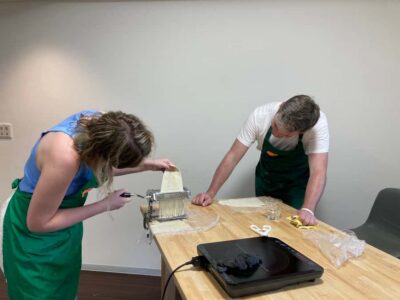
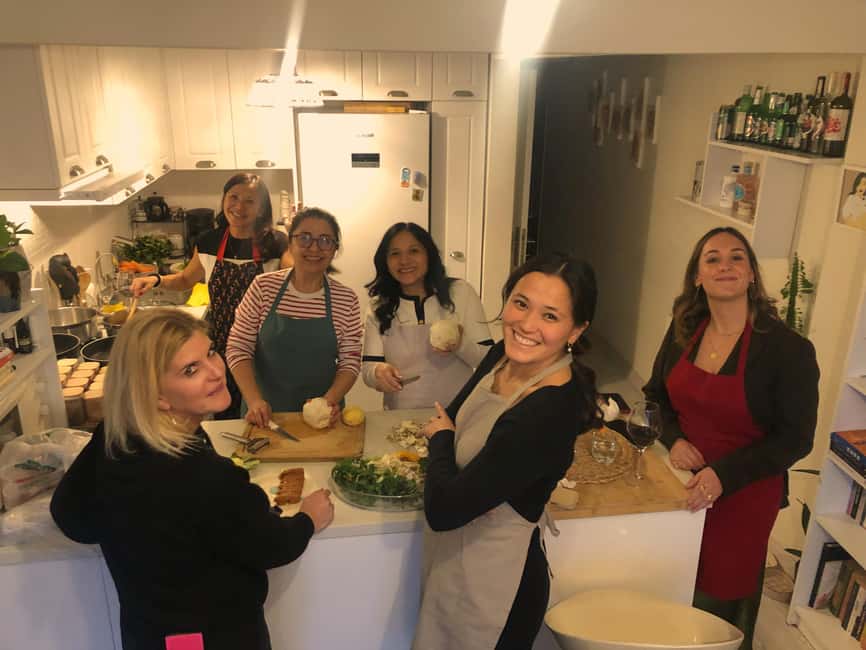
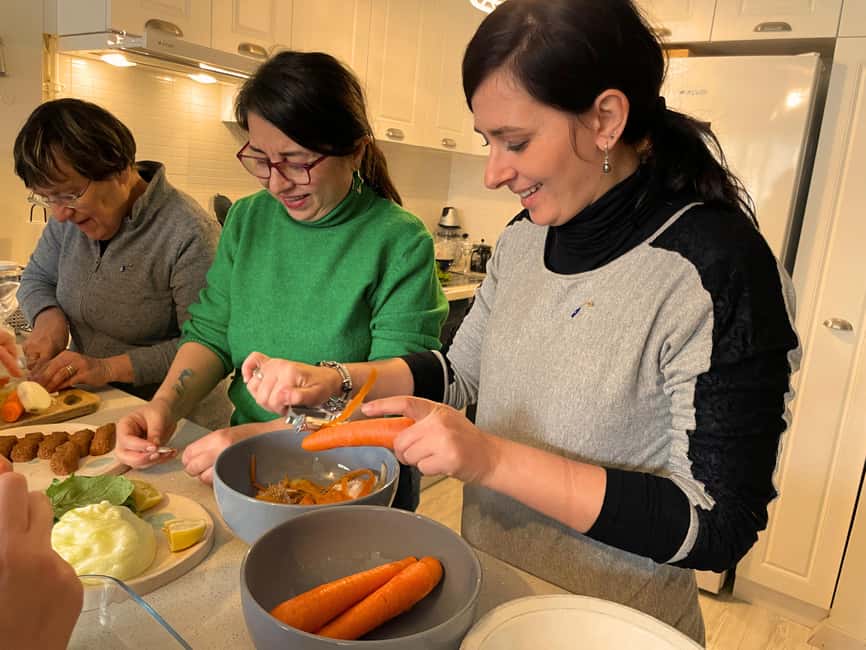
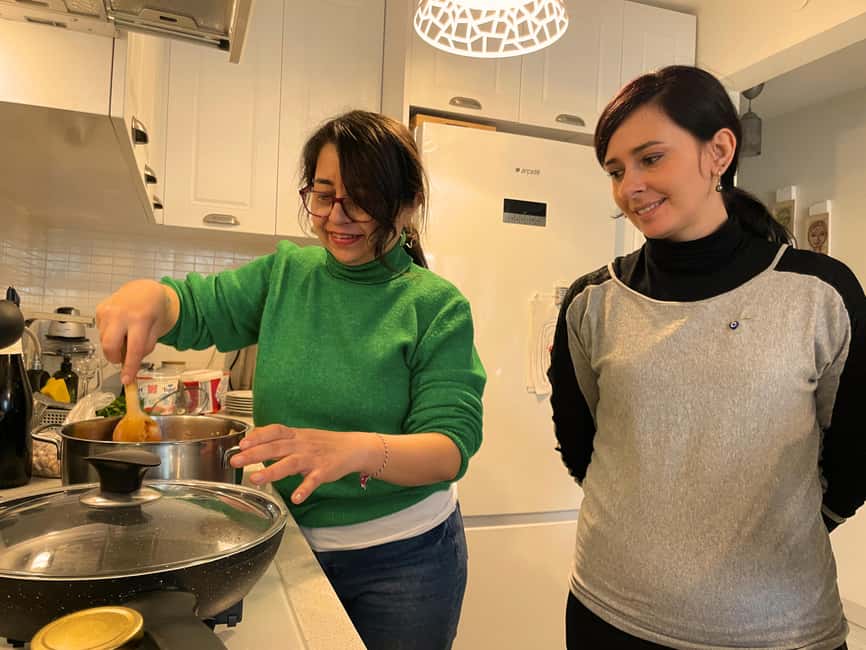
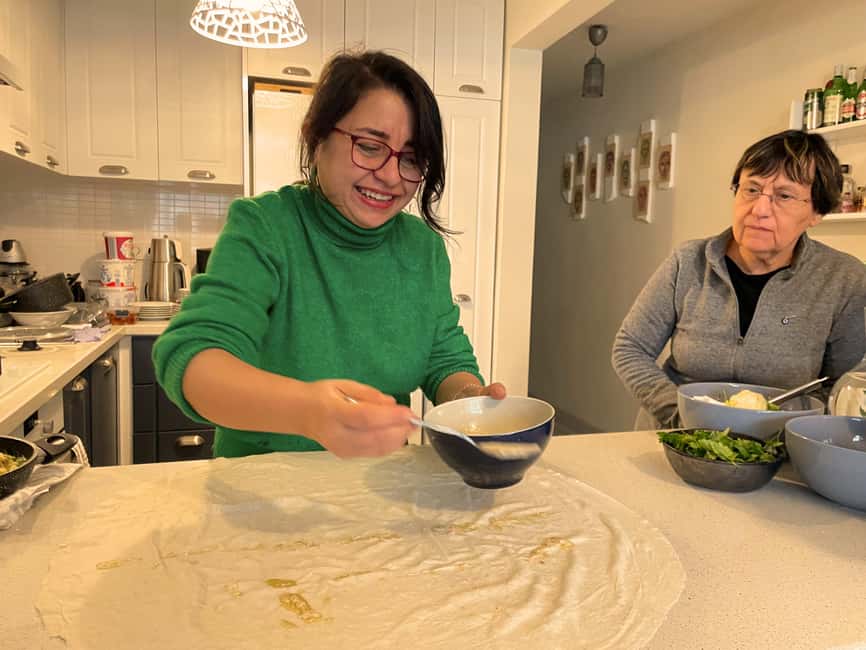
Once you finish the ingredient walk, you head to a home kitchen where the class becomes very practical. This is the part many people remember most: rolling and shaping, not just watching.
You can expect hands-on cooking that centers on common Turkish home favorites. The cooking is guided in an easy-to-follow way, with step-by-step attention to details that can make a dish go from good to great—especially dough handling, seasoning timing, and texture targets.
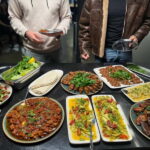
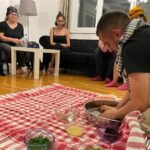
What dishes you’re likely to make
Menus can vary, but the themes are consistent: starters, main dishes, and dessert. In past group experiences, people have cooked things like:
- Lentil soup as a starter
- Börek (including flaky, layered styles)
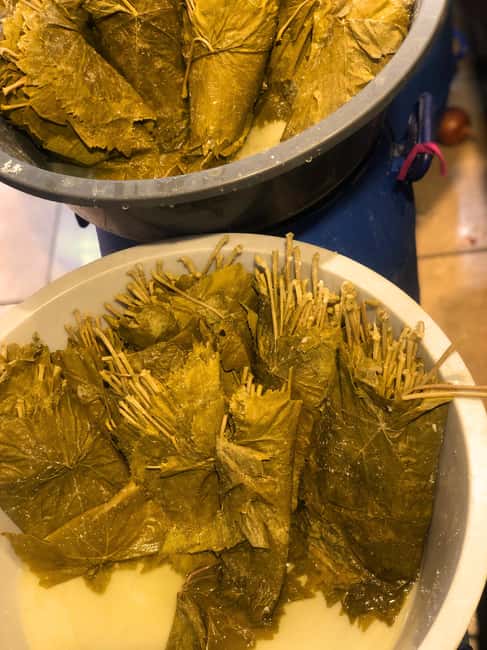
- Dolma-style rolling (you’ll work with stuffed-prep techniques)
- Rice pilaf and mains featuring meat in red sauce
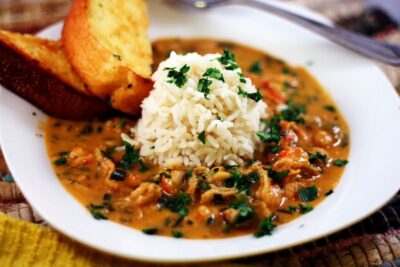
- Eggplant dishes such as hünkâr beğendi
- Cold mezze-style salads and sides, including dishes built from vegetables like potato-carrot-celeriac combinations
- Dessert examples like semolina desserts (pumpkin-style or similar), fig pudding, or other Turkish sweets
- Ending with Turkish coffee plus tea and dessert
The course position is very clear: you’re not just learning a single recipe. You’re learning the patterns behind several classics—how Turkish home cooking builds a meal.
Why the grandma-style tips matter
The instructor shares cooking tricks learned from a close family tradition. That shows up in how the teaching feels: fewer lectures, more cues like when dough should feel right, how to handle seasoning, and what to watch for so your dish doesn’t overcook.
That kind of advice is worth it because you’ll use it long after the class ends. It makes your future cooking less guesswork and more confidence.
The meal: more than food, it’s the pace of hospitality
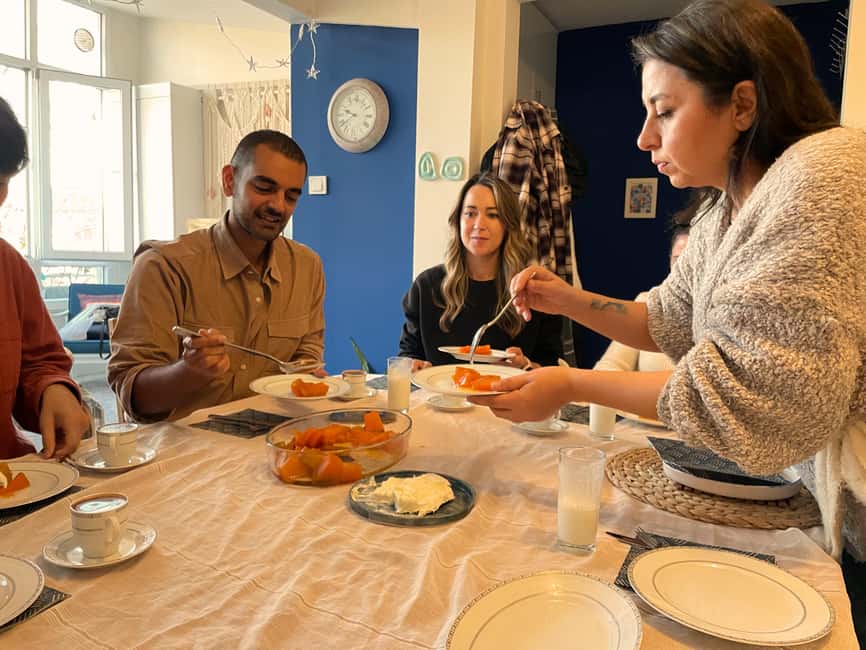
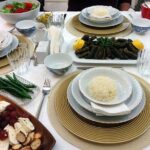
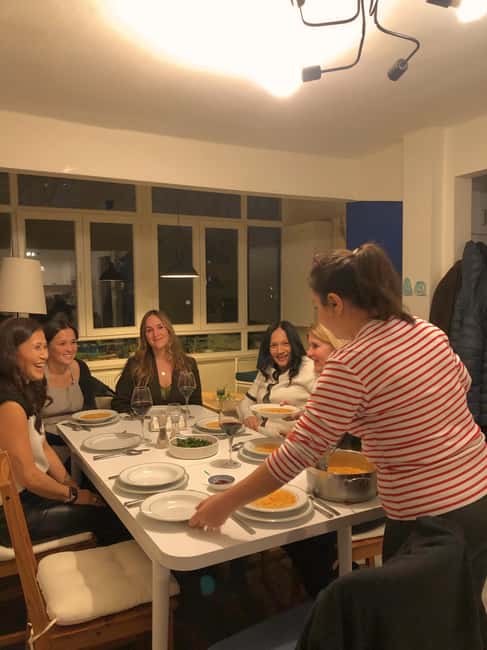
When everything is ready, you sit down and eat what you helped make. This matters because Turkish meals tend to be a slow conversation, not a quick plate-and-run. This class respects that rhythm.
You’ll typically enjoy a multi-part dinner—starter, mains (often several dishes or mezze-style items), plus dessert—with tea and Turkish coffee included.
What I think you’ll like here is that the meal isn’t treated like a reward after a lesson. It’s treated like the point. Sharing food in a home is where culture becomes concrete: how people talk while eating, how dishes get served together, and how the host makes you feel part of the table.
In some evenings, the group dynamic also turns social in a natural way. Since the group is small, conversation is easier. If you’re traveling solo, that social element is often a big win because you’re not trying to invent small talk at a loud restaurant. You’ve got the cooking as the shared topic.
One more note on dietary reality
The course data doesn’t mention vegetarian or allergy-specific menus. So if you have serious dietary restrictions, you’ll want to ask directly when booking. Otherwise, you should assume it’s centered on traditional home cooking with typical ingredients.
Who this course is best for (and who should rethink it)
This is a great fit if:
- You want a Turkish cooking class in Istanbul that feels like a home night, not a factory experience
- You enjoy market shopping and learning ingredient basics
- You like recipes that you can realistically recreate back home
- You travel in a way that prefers local routines (stores, kitchens, and shared meals)
It may be less ideal if:
- You strongly dislike being around dogs (a small dog may be present in the home; the organizer asks you to flag issues in advance)
- You want a purely step-by-step recipe class with no cultural story time
- You prefer large-group energy (this one is small, calm, and focused)
Price and value: what $102 buys you in Istanbul terms
At $102 per person for about 4 hours, it’s not a budget snack. But it’s also not pricing you like a fancy restaurant.
Here’s what you’re paying for, in real terms:
- Market tour that includes local ingredient stops and tastings
- Cooking materials and ingredients
- A dinner you help prepare
- Tea, Turkish coffee, and dessert
And the small-group limit (up to 5 people) changes the value too. You’re not competing for attention, and you’re more likely to finish with usable skill, not just a full stomach.
If you’ve ever paid for cooking instruction that left you with a vague sense of how to make the dish, this one aims to reduce that frustration. The market context plus the hands-on work makes the $102 feel more like paying for a complete experience.
Tips so your evening runs smoothly
A few practical things to help you enjoy it fully:
- Bring a curious mindset. The shopping portion is a mini lesson in ingredient choices.
- Be ready to cook. Even if you think you’ll just help a little, expect hands-on steps.
- Ask about what to buy at home. The instructor can help translate local shop logic into what you can find where you live.
- Let them know about dog comfort ahead of time if that matters to you.
- Plan for walking around the neighborhood market area.
Also, since the event is in Istanbul Province and there can be traffic delays, I’d avoid treating the evening as perfectly time-sensitive for anything else afterward.
Should you book this Istanbul Home Cooking Course?
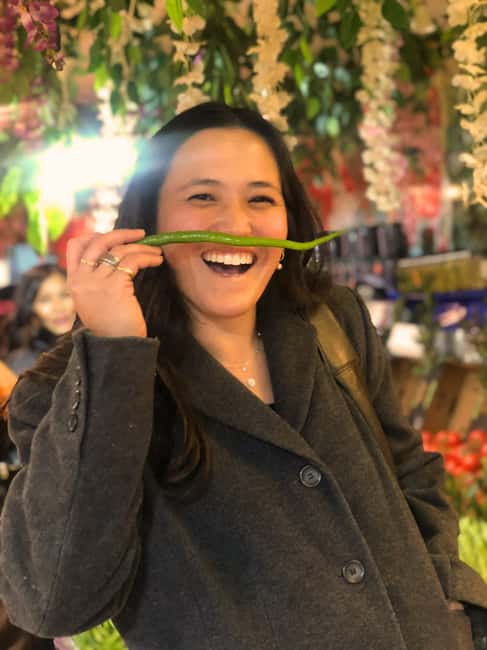
If your goal is to understand Turkish food through the way people actually shop, cook, and eat, you should book it. The combination of Kurtuluş market exploration plus small-group cooking in a real home is the big advantage. You’re not just learning recipes; you’re learning the habits behind them.
I’d only hesitate if dogs are an issue for you, or if you want a traditional classroom style with no cultural conversation. Otherwise, this feels like one of the smartest ways to get a memorable Istanbul night without relying on restaurant seating and menus that hide the process.
FAQ
How long is the Istanbul Home Cooking Course?
The experience lasts about 4 hours.
What does the price include?
It includes cooking materials and ingredients, dinner, a local market tour, and tea, Turkish coffee, and authentic Turkish dessert.
What dishes will we cook?
You’ll cook common Turkish home cooking meals. Examples from past menus include lentil soup, börek, dolma-style rolling, rice pilaf, eggplant dishes like hünkâr beğendi, and a Turkish dessert such as semolina-based sweets or fig pudding, depending on the menu.
Is alcohol included?
No. Alcoholic beverages are not included.
How big is the group?
The group is small, limited to 5 participants.
What languages are offered?
The instructor speaks English and Turkish.
Is there a cancellation policy?
The experience offers free cancellation up to 24 hours in advance for a full refund.
What about dogs?
A small dog may be present during the experience. The organizer asks you to let them know if you have any issue with dogs.