REVIEW · SAN SEBASTIAN
San Sebastian: Authentic Basque Cooking Class
Book on GetYourGuide →Operated by Devour Tours · Bookable on GetYourGuide
Five plates, one real working kitchen.
In San Sebastián, this Basque cooking class turns dinner into a hands-on food lesson, with a professional chef teaching you how the flavors actually come together. I especially love the small group size (10 or fewer), because you get real attention and don’t feel like you’re watching from the back row. The other thing I like is that it’s built around the Basque classics you’ll want to recreate later, not random samples.
One consideration: the whole experience is standing up inside the Old Town area, so it’s not a fit if you need seating or have mobility limitations.
In This Review
- Key highlights worth showing up for
- Start in San Sebastián Old Town: what the walk-and-stand setup means
- A real kitchen with just 10 people or fewer
- The Basque menu you’ll cook: five courses with real technique behind each
- Gilda pintxo: salty, tangy, and taught as a bite-size lesson
- Potato omelet (tortilla de patatas): the flip that turns fear into skill
- Codfish in pil pil sauce: emulsification, not magic
- Red piquillo peppers: sweet, smoky, and structured
- Iconic burnt cheesecake: the crusty top you can reproduce
- Drink pairings that make the flavors make sense
- What you’ll actually learn to cook better at home
- Price and value: is $164 for 5 courses fair?
- Who should book, and who should skip
- Should you book this Basque cooking class?
- FAQ
- What dishes are included in the cooking class?
- Are drinks included with the meal?
- How long is the class?
- Where do we meet?
- Is the experience standing or seated?
- Is it suitable for children or people with mobility impairments?
Key highlights worth showing up for
- A full Basque menu in 2.5 hours: 5 dishes, not just one impressive main
- A real restaurant kitchen, opened exclusively for your group
- Basque cider and wine pairings with each course (including ice apple cider)
- Hands-on cooking with chef guidance, with a pace that can feel flexible by group
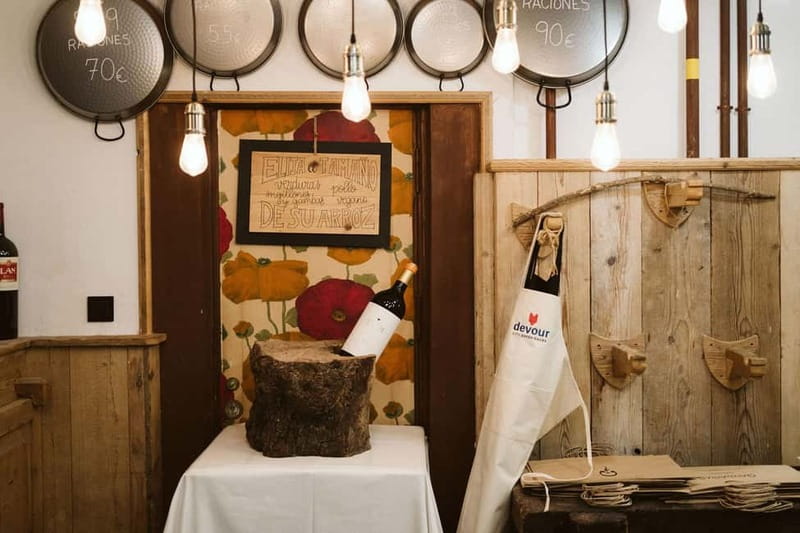
- Take-home recipes plus an apron, so you can cook again at home
- De Biteri Plaza meeting point in Old Town, walk in on foot
Start in San Sebastián Old Town: what the walk-and-stand setup means
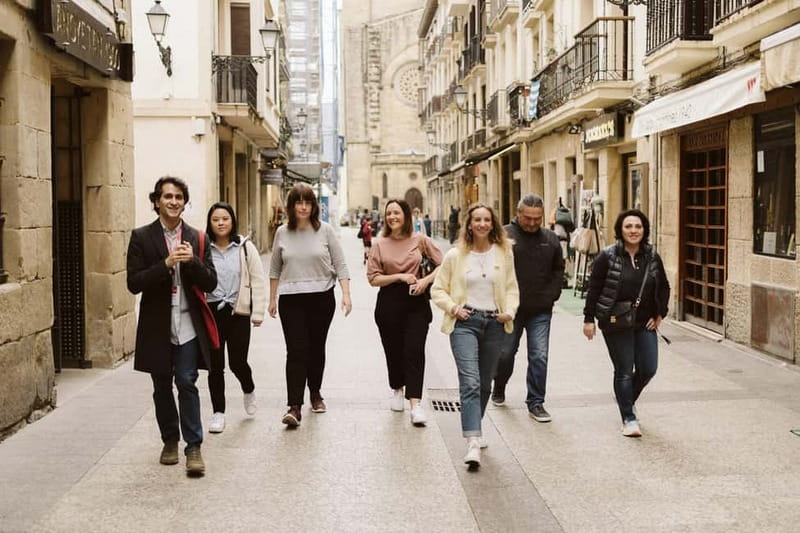
You meet in the pedestrian Old Town area at De Biteri Plaza, 1 (in front of San Ignatius church). Plan to arrive about 15 minutes early so your guide can spot you—look for a red bag or the Devour Tours sign.
This is not a sit-down activity. The experience happens inside a restaurant kitchen area, and it’s described as standing the whole time. That matters because it changes what you should wear and how long your feet can handle it. I recommend comfortable shoes and bringing water, since you’re moving and working at a moderate pace.
Also note the group timing: it runs 2.5 hours, so you’ll want to treat it like your meal plan. You’re not just tasting your way through; you’re building dishes, then eating what you made.
You can also read our reviews of more tours and experiences in San Sebastian.
A real kitchen with just 10 people or fewer
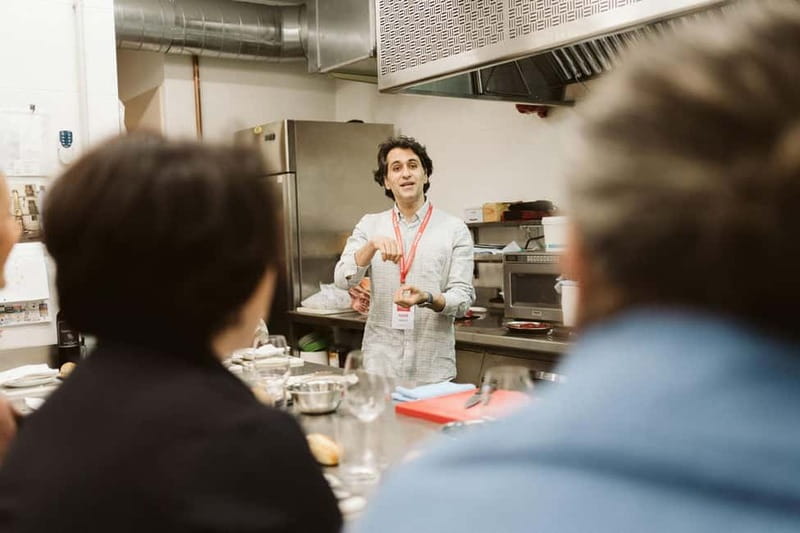
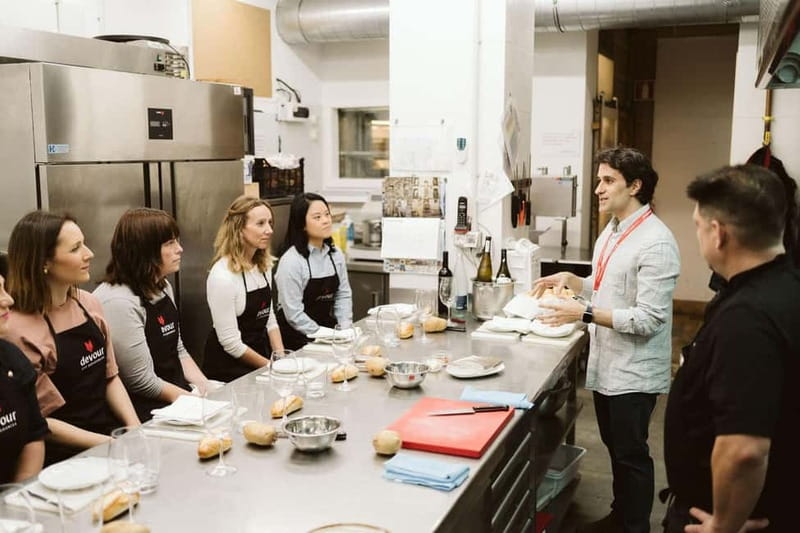
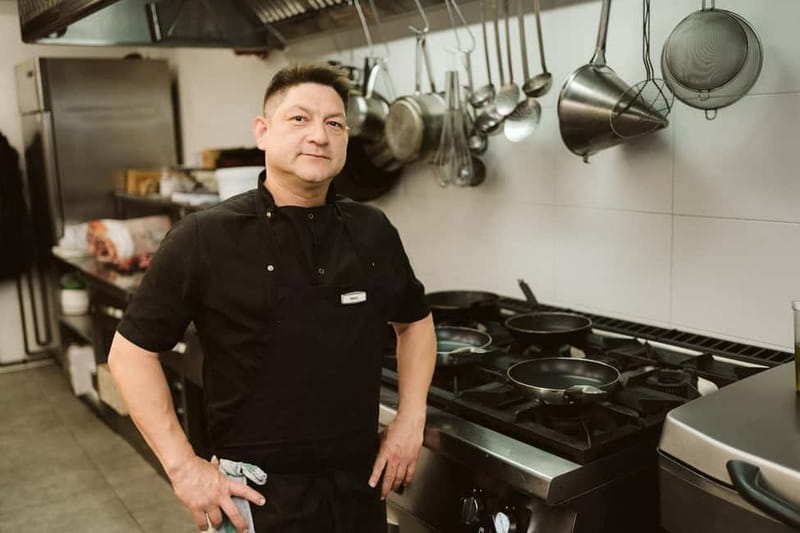
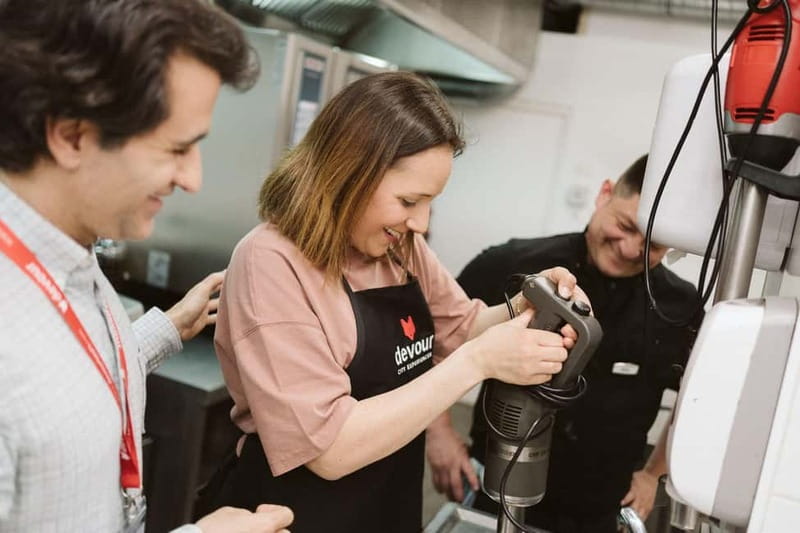
The biggest “value multiplier” here is the setting: you step into a working, local restaurant kitchen that’s opened up for your group only. Instead of a classroom vibe, you get the rhythm of a professional kitchen—stations, timing, and the chef talking you through what matters.
The format pairs two hosts:
- A local guide who brings context and helps translate the cultural side of the food
- A professional chef who runs the cooking and teaches the techniques
From recent experiences, this combo can make a difference. Some class leaders have been people like Mila, Silvia, or Carlos in the guiding role, while chefs such as Natalia or Carlos have been the ones actually taking over the burners and prep work. Even when the names change by date, the pattern holds: you get both the story and the skills.
Group size is where you feel the benefit most. Several descriptions mention intimate groups (sometimes fewer than the maximum), and that usually means you can ask questions, get corrected faster, and actually participate instead of hovering.
The Basque menu you’ll cook: five courses with real technique behind each
The class menu is built like a Basque meal, with 5 traditional recipes you prepare and then eat. Expect classics that San Sebastián is famous for, including pintxos, tortilla, cod pil-pil, peppers, and the iconic burnt cheesecake.
Here’s what you’ll be making, and why each one teaches something useful:
Gilda pintxo: salty, tangy, and taught as a bite-size lesson
The meal kicks off with a Gilda pintxo. Pintxos are Basque’s love language for quick flavors—small bites with big impact. In a class like this, the value isn’t just tasting. You’re learning how the components work together: salt, acidity, and fat in a compact format. It’s a great way to get you thinking like a Basque cook—small decisions, big payoff.
Potato omelet (tortilla de patatas): the flip that turns fear into skill
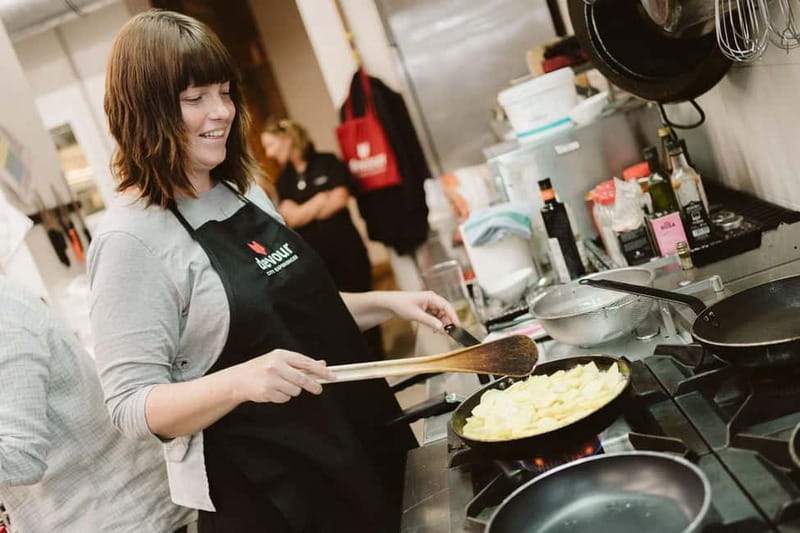
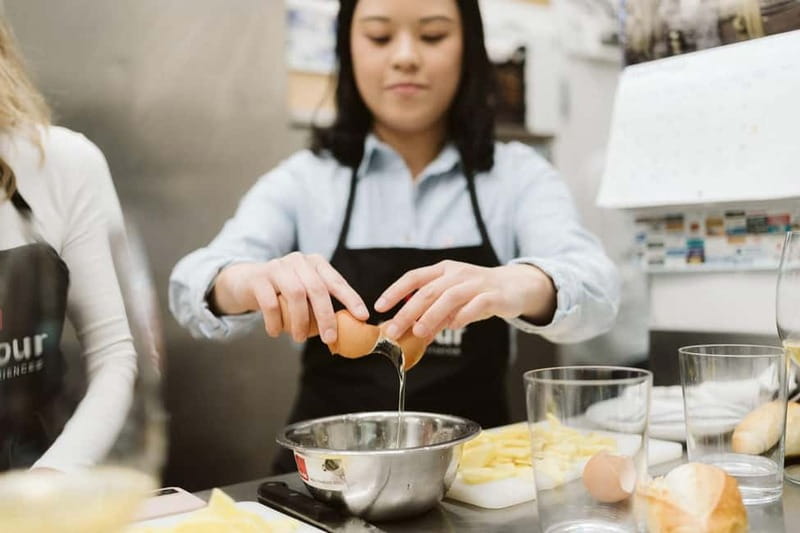
Next comes potato omelet, also known as tortilla de patatas. This is the Basque dish many people think they can nail at home, until they try. The chef instruction focuses on how to manage the eggs and potatoes so it sets without turning into scrambled egg soup.
One tip that really sticks for me: you don’t always need fancy tools. A past participant shared that they learned a method using a regular plate and a quick wrist motion to help turn the tortilla. That kind of practical hack is exactly what makes this class worth it—you walk away with a method you can actually repeat.
Codfish in pil pil sauce: emulsification, not magic
You’ll cook codfish in pil pil sauce, one of the most recognizable Basque flavors. The technique here is more about process than ingredients. Pil-pil-style sauce usually depends on getting the texture right—thick, glossy, and clinging—so it coats the fish instead of splitting.
In a good hands-on class, the chef’s job is to make that control feel doable. You learn how to time it, how to adjust as it cooks, and what “done” looks like. This is one course where your confidence can jump quickly, because once you understand the sauce behavior, you can apply it to other similar preparations.
Red piquillo peppers: sweet, smoky, and structured
Then you’ll make red piquillo peppers. These peppers are Basque-famous for a reason: the flavor is mild, sweet, and a little smoky, and they’re often treated like an ingredient with status—not just a side.
The class approach helps you see peppers as something you can build structure around. You’re not simply heating jars of roasted peppers; you’re learning how to treat them in a dish so they hold their own. That’s useful even if you’re not copying the exact recipe later.
Iconic burnt cheesecake: the crusty top you can reproduce
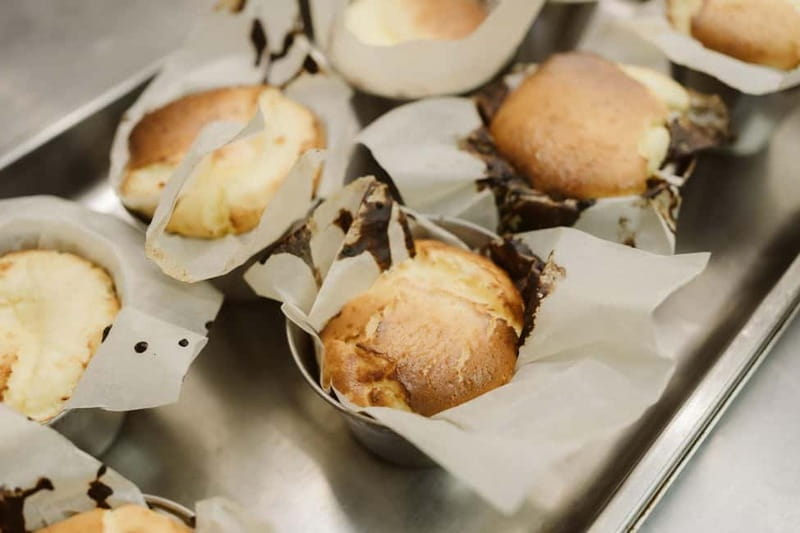
You’ll finish with the iconic burnt cheesecake, the San Sebastián dessert people travel for. This course teaches a very specific idea: baking is only half the story. The other half is understanding how heat creates that characteristic browned top.
Cheesecake can be intimidating, but the teaching here is designed for different skill levels. If you’ve ever ruined a dessert because it browned too much or didn’t brown enough, this is the course that can fix your instinct. You’ll get the timing and cues you need for that signature finish.
Drink pairings that make the flavors make sense
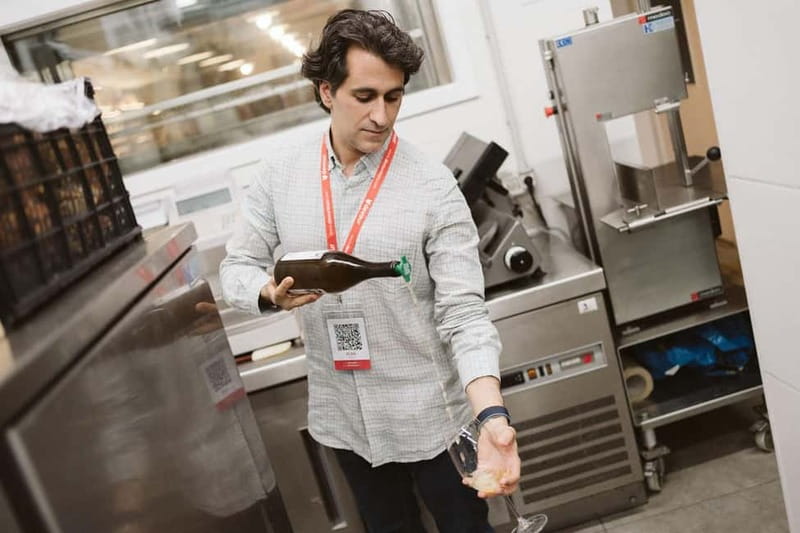
This is a full meal, and it doesn’t end at food. Each dish is paired with a specially chosen drink, and that pairing is part of what turns the class from cooking alone into real Basque-food education.
You’ll learn about and try:
- Basque cider, including how to pour it
- Red and white wine
- Ice apple cider, described as a fermented beverage made from the natural juices of frozen apples
If you’ve never poured cider before, you might assume it’s just a pouring technique. But in Basque culture, cider serves a purpose—texture and aeration change how it tastes. Learning the practical method helps you recreate that experience at home or at a sidrería later.
Wine pairings also help you understand the logic: salty bites match with acidity and structure; delicate fish-style flavors want balance rather than heavy sweetness; dessert gets a drink that doesn’t bulldoze it. Even if you don’t become a sommelier, you’ll start tasting with purpose.
What you’ll actually learn to cook better at home
This class isn’t just about getting fed. The chef and guide are there to hand you repeatable technique—things you can apply whether you’re cooking for friends or just trying to level up your weeknight meals.
A few high-impact skill areas you can expect:
- Egg-and-potato control for tortilla so it turns out set, not wet or broken
- Sauce behavior for cod pil pil, including timing and texture control
- Building flavor in peppers so they taste like a dish, not an ingredient tray
- Baking cues for burnt cheesecake, especially how browning happens
One of the most praised parts of this class is how clear the instruction is while still feeling fun and low-pressure. Multiple descriptions mention that people with different cooking backgrounds still felt comfortable. That’s important. If you can follow a recipe, you can benefit here, but if you already cook, you’ll likely pick up small tricks that make a noticeable difference.
Another underrated win: you’re encouraged to participate, and the vibe tends to be relaxed. Some people even described being able to join in as much or as little as they wanted, which can matter if you’re nervous in a kitchen environment.
Price and value: is $164 for 5 courses fair?
At $164 per person for 2.5 hours, the price only feels good if you’re getting more than cooking theater. Here, you are.
You’re paying for:
- A real restaurant kitchen experience (not a rented demo space)
- A small group capped at 10 people for hands-on instruction
- Two hosts: guide context plus chef technique
- Five dishes with drink pairings, meaning you get a full Basque meal
- Take-home recipes and an apron, so the value extends beyond the night
If you compare it to the cost of a serious dinner plus a guided culinary lesson, the math works better than many standalone experiences. The drinks are part of the package, and the class doesn’t leave you with only one item to remember.
My practical take: this is worth it if you want to go home with techniques you can reuse. If you mainly want casual tasting without any real cooking, you might feel the class doesn’t match your expectation—and one description did mention that it felt more like a demonstration than full DIY cooking. So go into it ready to learn.
Who should book, and who should skip
This class is a strong fit if:
- You want a hands-on food experience in San Sebastián
- You like Basque staples and want to learn how they’re made
- You’re traveling solo, as a couple, or with friends and enjoy meeting other food-focused people
- You want a lesson that works for multiple skill levels
It may not be ideal if:
- You need seating. The whole experience is standing.
- You have mobility impairments, use a wheelchair, or need strollers. It’s not suitable for those situations.
- You want a vegetarian, vegan, or kosher menu. It’s noted as not recommended for those diets.
- You’re traveling with kids. It’s stated as not suitable for children.
Dietary note to remember: the class is described as adaptable for pescatarians, gluten free (not celiac), non-alcoholic options, and it’s not recommended for vegetarian/vegan/kosher. If you’re gluten-free due to celiac, this specific option is not the one to choose.
Should you book this Basque cooking class?
Book it if you want a guided kitchen night that leaves you with both technique and a Basque meal you can recreate. The best parts are the combination of a chef teaching the why behind each dish, the small group size, and the meal format with cider, wine, and the Basque touches like learning to pour cider.
Skip it if standing for 2.5 hours is a problem for you, or if you’re expecting every minute to be hands-on cooking with no coaching. This is an instructed kitchen experience. You’ll cook, but you’re also there to learn the steps in a professional workflow.
If you want one clear decision rule: if Basque food is on your must-eat list, and you’d rather learn how to make it than just photograph it, this class is a solid call.
FAQ
What dishes are included in the cooking class?
You’ll make and eat 5 traditional Basque recipes: a Gilda pintxo, potato omelet (tortilla de patatas), codfish in pil pil sauce, red piquillo peppers, and burnt cheesecake.
Are drinks included with the meal?
Yes. Each dish is paired with a drink, including Basque cider (with a cider-pouring lesson), red and white wine, and ice apple cider.
How long is the class?
The cooking class lasts 2.5 hours.
Where do we meet?
Meet at De Biteri Plaza, 1, 20001 Donostia, Gipuzkoa, in front of San Ignatius church. Arrive about 15 minutes early.
Is the experience standing or seated?
The experience is described as standing up, and it takes place inside the Old Town pedestrian area.
Is it suitable for children or people with mobility impairments?
No. It is not suitable for children, and it is not suitable for guests with mobility impairments, wheelchairs, or strollers.