REVIEW · KANDY
Kandy cooking class with village family
Book on GetYourGuide →Operated by AGS Tours · Bookable on GetYourGuide
Food lessons in a real village home.
This Kandy cooking class in Mahanuvara turns dinner into a hands-on skill session, with hotel pickup, an English-speaking instructor, and traditional menus that match local food culture. You’re guided step by step, then you cook the meal yourself, not just watch from the sidelines.
What I love most is how inside-the-village it feels: you’re about 6.5 km from Kandy and fully out in a residential area, not in a concrete training hall. I also like that you make the food A to Z, using the same core building blocks people eat at home—rice, vegetables, curry, and a sweet—so you leave with more than photos.
One consideration: return transport is extra. You can be dropped at your cooking place from Kandy, but you’ll need to arrange or pay for the trip back (unless the provider offers transport, which still comes at a cost).
In This Review
- Key Things That Make This Kandy Village Cooking Class Special
- A Quiet Mahanuvara Village Home, Not a Tourist Kitchen
- Pickup, Travel Time, and the Three Daily Class Windows
- What You Actually Cook: Rice, Seven Vegetables, Curry, and a Sweet
- The A-to-Z Teaching Style: Spices, Steps, and You Doing the Work
- Vegan-Friendly Options and How Flexible the Menu Is
- The Meal Experience: Eating What You Made
- English-Speaking Instructor + Private Group Time
- Price and Value: Why $23 Can Be a Great Deal
- Who Should Book This Kandy Cooking Class?
- Should You Book It?
- FAQ
- How long is the cooking class?
- What times are the classes offered?
- Is pickup included from Kandy?
- Is there a vegan option?
- What dishes are included in the class meal?
- Do I need to arrange transport back to Kandy?
- Is the class in Kandy city or outside it?
Key Things That Make This Kandy Village Cooking Class Special
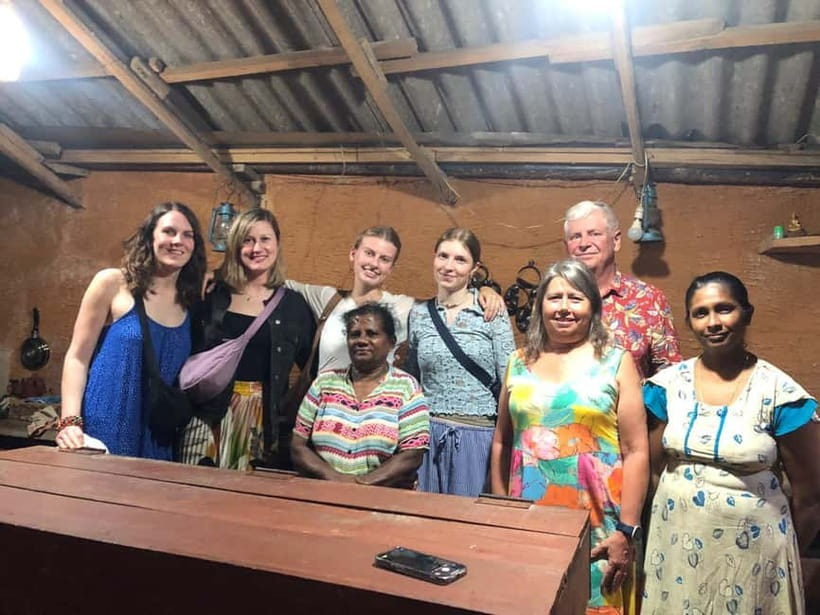
- Totally in the village: 6.5 km outside the city, in a quiet residential area
- Hands-on from start to finish: you cook the dishes, you’re not just an observer
- Traditional, not “fusion”: the menu focuses on Sri Lankan staples and spices
- Simple food inclusions: rice, 7 vegetables, coconut sambol, papadam, curry, and a traditional sweet
- English instruction + private group: easier communication, and more time for your questions
A Quiet Mahanuvara Village Home, Not a Tourist Kitchen
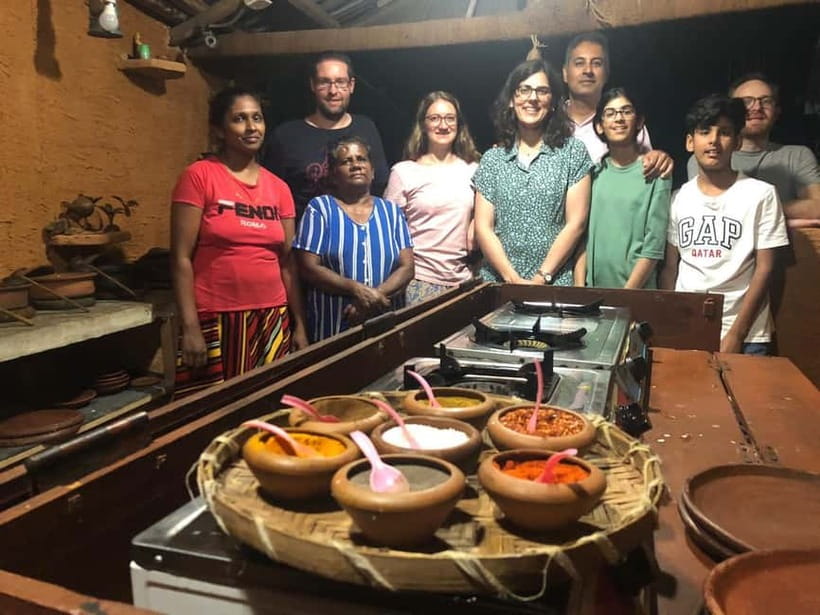
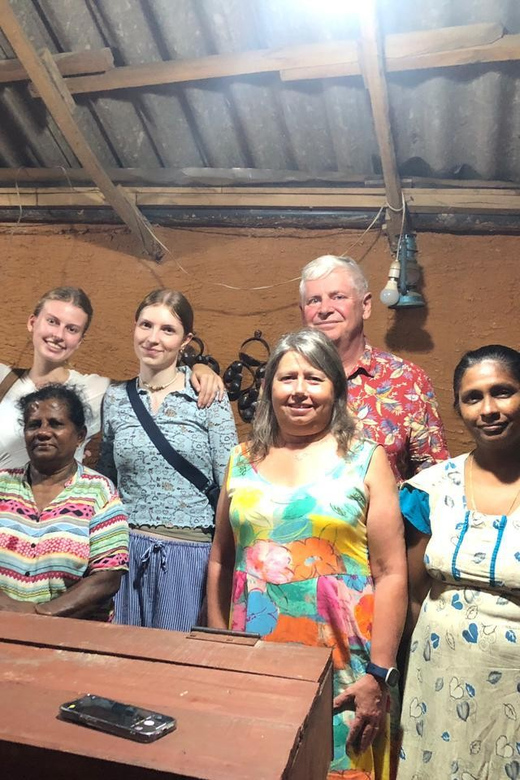
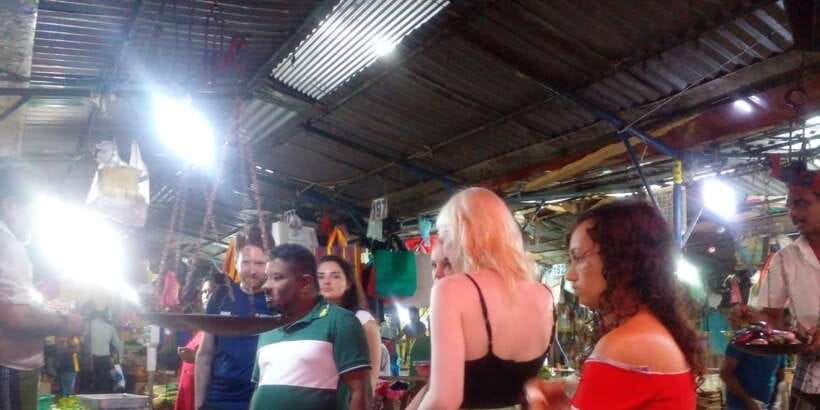
The location is the whole point here. This cooking class happens in a village setting about 6.5 km outside Kandy, in a home in a quiet residential area. That means the experience feels more grounded and less staged than you’d get in a cooking school packed into a single building.
You’ll notice it the moment you arrive: it’s not one of those places where everything looks polished for visitors. You’re learning in a lived-in space, and that changes the vibe. You ask questions without feeling like you’re in a performance. You also get a better sense of how the food fits into everyday life, because the session isn’t separated from home routines.
Also, you’re not stuck inside the city. If you’re visiting Kandy and want one activity that feels like you stepped into the rhythm of Sri Lanka (instead of another checklist stop), this is the one.
You can also read our reviews of more tours and experiences in Kandy.
Pickup, Travel Time, and the Three Daily Class Windows
This is designed to be easy logistically, at least for the outbound leg. Pickup is included from Kandy and within about 3 km around Kandy. Then you travel together to the cooking lesson location outside the city.
The session length is listed as about 3.5 hours, and the exact starting times depend on availability. What you can plan around are three time blocks offered during the day:
- Lunch class: 9:00am to 12:30pm
- Mid-day class: 1:00pm to 4:30pm
- Dinner class: 5:00pm to 8:30pm
Those time options matter more than they seem. If you’re the type who likes mornings, the 9:00am slot keeps the rest of your day open. If you prefer a slower afternoon, the mid-day class avoids the early start. And if you want the meal to be the day’s main event, the dinner session naturally feels like a full evening plan.
One more practical detail: return transport is not automatically included. The class includes transport from Kandy to the cooking place, but the return journey costs extra. So plan for that expense, or arrange your own ride ahead of time. This is also the kind of thing that can affect your day’s schedule if you’re trying to fit other Kandy sights tightly.
What You Actually Cook: Rice, Seven Vegetables, Curry, and a Sweet
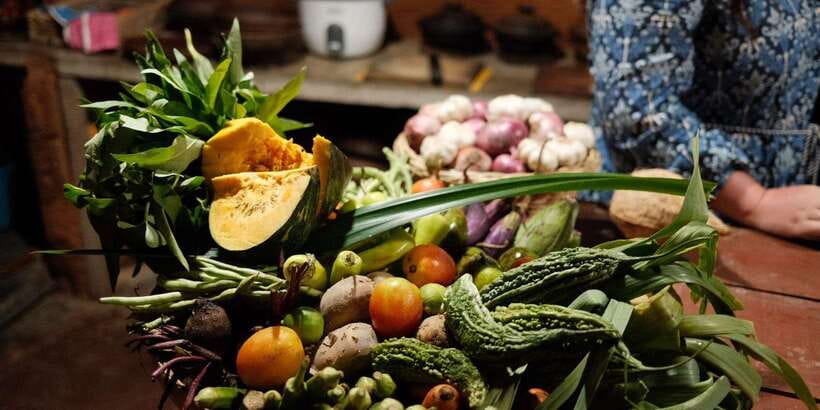
This isn’t a class where you learn a little technique and then call it a meal. You cook a full set of traditional dishes. Here’s what’s included in the class menu, so you can picture what your table will look like when everything comes together.
Included items:
- Rice
- Seven vegetables
- Fish or chicken curry (with vegetarian/vegan options described below)
- One Sri Lankan traditional sweet (dessert)
- Coconut sambol
- Papadam
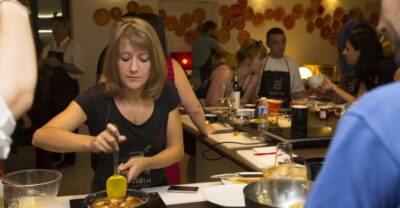
Even if you’re not a confident cook, the format is built for you to participate. The instructor explains how to cook with the spices, and then you do the cooking.
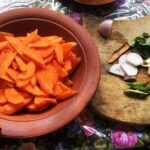
One detail that makes it feel more personal: you can choose which vegetables you cook. That’s a big win because Sri Lankan vegetable cooking can be varied, and having a say means you’re more likely to make something you genuinely want to recreate later at home.
The A-to-Z Teaching Style: Spices, Steps, and You Doing the Work
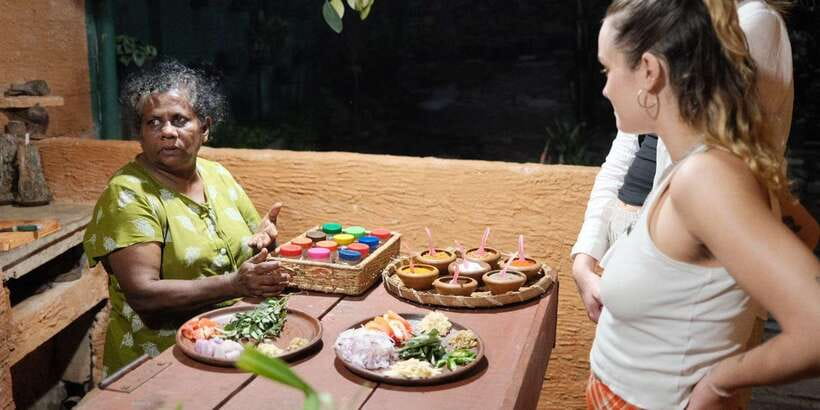
The teaching approach is straightforward: a chef/instructor explains, then you cook. This is the biggest reason cooking classes like this work so well for value. You’re paying for instruction plus a meal you helped make, not just a tasting.
Expect to learn how the flavors build. Sri Lankan cooking relies on spices, and the lesson focuses on how to cook with all the spices, not just adding a seasoning at the end. You’ll get guidance as you go, so you can correct things while it still matters.
You also learn the order of operations—what to cook first, what can wait, and what needs attention. That’s the practical part that turns a fun afternoon into a real skill. If you’ve ever cooked something and thought, I get the concept but not the timing, this is the kind of class that helps you understand how the dishes come together in real kitchens.
English instruction is available, which makes the difference between a “hands-on demo” and an actual learning experience. You can ask why something is cooked a certain way. You can understand ingredient roles. And you can follow steps without guessing.
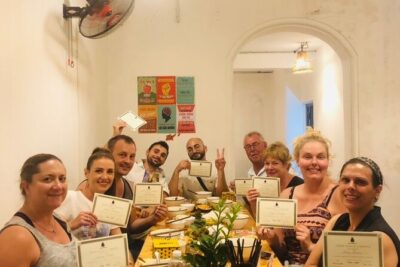
At the end, you can also receive photos of the recipes you cooked. That’s handy for two reasons: it’s a quick memory aid, and it gives you a starting point for recreating the meal when you’re back home with your own kitchen setup.
Vegan-Friendly Options and How Flexible the Menu Is
Food preferences can be tricky in classes like this, but here the lesson is set up with a flexibility option. Vegan foods are supported. If you don’t need vegan, the menu can include egg, chicken, or fish.
The included curriculum still follows the traditional structure:
- rice
- seven vegetables
- coconut sambol
- papadam
- a curry that may be fish or chicken depending on your choice
- a traditional sweet
If you’re vegan, your best move is to book with your dietary preference clearly in mind. Since the class offers vegan foods, this is the rare cooking activity in Kandy that doesn’t treat dietary needs as an afterthought.
If you eat fish or chicken, you’ll likely do the curry included in the menu. If you’re not sure what you’ll like, the fact that you can work with multiple components (vegetables, sambol, and sweet) means you’re not putting your whole experience on one dish.
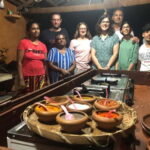
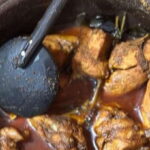
The Meal Experience: Eating What You Made
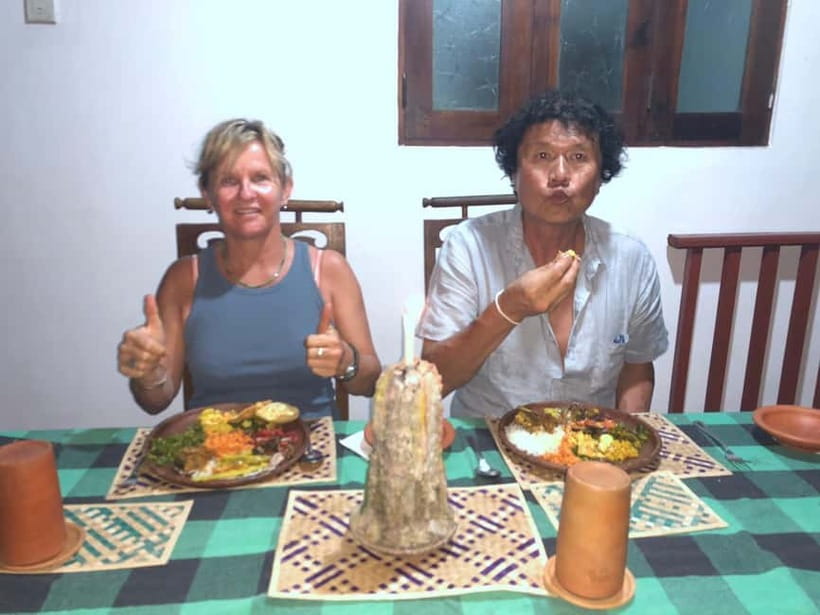
This kind of cooking class works because the food isn’t just an ingredient list. When the session ends, you’re eating what you helped prepare—rice, curry, coconut sambol, papadam, vegetables, and a sweet.
That matters because Sri Lankan food has layered flavor. Coconut sambol isn’t the same as a generic side. Curry spices change how vegetables taste. And the sweet gives you the full “course” feeling people associate with home cooking.
Also, eating what you cooked is how you learn faster. You can taste for balance. You can notice what needs salt, heat, or tang (and you can remember what the instructor did). It turns a cooking class into a feedback loop.
Time note: sessions typically last 3 to 4 hours, and they can vary depending on how quickly you cook. If you’re used to cooking, you may move faster. If you’re a slow-and-careful cook, you still get value because the goal is you learning the process.
English-Speaking Instructor + Private Group Time
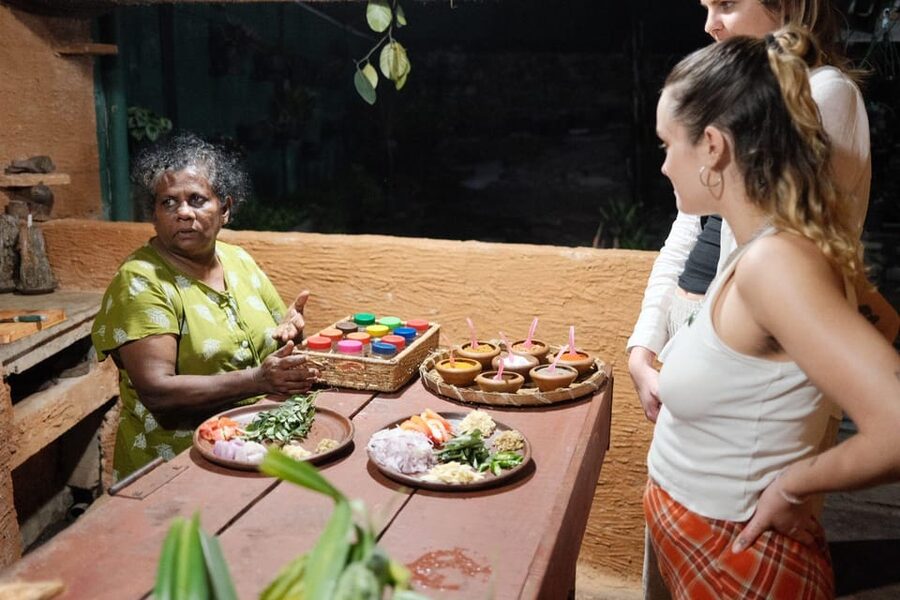
This is a private group experience. That’s a practical advantage. In a group setting, you can end up standing back while someone else gets more attention. Here, the lesson format is built around your participation.
English instruction helps too. You’re less likely to lose the plot mid-step. You also get more time to ask about spices, ingredients, and technique.
The home setting also helps your pace. In a small kitchen area, the host can guide you more directly than in a big commercial setup. You may find the cooking area is just the right size for learning without feeling rushed.
Price and Value: Why $23 Can Be a Great Deal
At $23 per person, this is a budget-friendly way to get a real cultural food experience.
Here’s the value math:
- You get pickup from Kandy and transport to the cooking location.
- The class includes the ingredient base for a full meal (rice, seven vegetables, curry, coconut sambol, papadam, dessert).
- You get instruction on cooking with Sri Lankan spices, and you do the cooking yourself.
- You may also receive photos of the recipes you made.
Even though the return journey costs extra, the outbound pickup plus the included food and teaching still make this strong value compared to experiences where you pay for atmosphere but not much learning.
If you’re trying to decide between a cooking class and a food tour, consider what you want to bring home. This class is about skills and repeatable dishes. That tends to be worth it if you like cooking, or even if you just want one or two Sri Lankan recipes you can confidently make again.
Who Should Book This Kandy Cooking Class?
This is a smart fit if you want:
- Authentic, traditional Sri Lankan cooking taught in a home/village setting
- a hands-on activity you can actually repeat later
- an experience that feels local, not like a performance in a city studio
- English support and a private group setup
It’s also ideal if you’re traveling as a couple or small group and you like the idea of everyone cooking, not just watching.
It might be less ideal if you strongly prefer city-based activities, because the class is located outside Kandy in a village area. And if you need wheelchair-friendly access, it’s listed as not suitable for wheelchair users, so you’ll want to choose a different format.
Should You Book It?
If your goal is a memorable, practical Kandy experience with real food you cook and eat, I’d book this. The village setting gives it authenticity, and the hands-on A-to-Z style makes it more than a meal ticket.
Two checks before you go:
- Budget for the return transport to Kandy, since it’s an extra cost.
- Pick a time slot that fits your day, especially if you’re planning other Kandy sights.
If that works for you, this is one of the better ways to spend a half day in Kandy territory: you’ll learn spices, cook traditional dishes, and take home recipe photos you can actually use.
FAQ
How long is the cooking class?
The class is about 3.5 hours, though it can vary and typically falls between 3 and 4 hours depending on the pace of cooking.
What times are the classes offered?
Lunch runs from 9:00am to 12:30pm, the mid-day option runs from 1:00pm to 4:30pm, and the dinner option runs from 5:00pm to 8:30pm. Starting times depend on availability.
Is pickup included from Kandy?
Yes. Pickup is included from Kandy and also from around 3 km outside Kandy.
Is there a vegan option?
Yes. Vegan foods are offered. The class can also include egg, chicken, or fish if you prefer those.
What dishes are included in the class meal?
You’ll have rice, seven vegetables, coconut sambol, papadam, a fish or chicken curry, one Sri Lankan traditional sweet (dessert), and additional items as part of the class menu.
Do I need to arrange transport back to Kandy?
Return transport is not fully included. Transport from Kandy to the cooking place is included, but you’ll have to pay extra for the return journey or arrange it yourself unless transport is provided.
Is the class in Kandy city or outside it?
It’s not in the city. The cooking place is in a village about 6.5 km away from Kandy, in a quiet residential area.