REVIEW · KANDY
Kandy: Village Cooking Class 12 Dishes with Market Tour
Book on GetYourGuide →Operated by TRAVRI.com · Bookable on GetYourGuide
Spices start with a market stroll. In Kandy, this village cooking class pairs a market tour with a hands-on lesson in a local family home, so you learn Sri Lankan cooking the practical way, not just from a cookbook. I love the chance to choose your own fresh vegetables, and I like how the class anchors everything in core ingredients such as rice, coconut, and spices.
The best part is the teacher-family atmosphere: the lesson is led by a welcoming village housewife and her family, and the class runs in English with an outside kitchen feel near Kandy. One consideration: there’s no hotel pickup or drop-off, so you’ll want to plan your own ride to the meeting point at no.38.pilawala, kandy, Pilawala 20196, Sri Lanka.
In This Review
- Key things that make this Kandy cooking class worth it
- A Kandy village cooking class that’s more than a meal
- Market tour in Kandy: choosing vegetables that shape the whole class
- Cooking in a village home kitchen near Kandy: the hands-on part
- A small reality check
- The 12-dish menu: how Sri Lankan flavors connect across dishes
- Why learning 12 dishes is better than learning one
- Eating what you cooked: lunch or dinner with your own dishes
- Language, group size, and comfort: what to expect day-of
- Price and value: what $48 really covers
- Who should book this Kandy cooking class (and who might not)
- Before you go: practical tips that make the class smoother
- Should you book this Kandy village cooking class?
- FAQ
- How long is the Kandy village cooking class?
- What’s included in the price?
- Can I choose my vegetables during the market tour?
- Is there a vegetarian option?
- Is the cooking class taught in English?
- Is hotel pickup and drop-off included?
Key things that make this Kandy cooking class worth it
- Pick your vegetables on the market tour, then cook what you choose
- Hands-on cooking in a warm, home-style village setting
- 12 dishes included, plus a recipe booklet to take home
- Sri Lankan flavor influences from India, Indonesia, and Dutch culinary traditions
- Lunch or dinner shared with the dishes you made
- Private group and instruction in English
A Kandy village cooking class that’s more than a meal
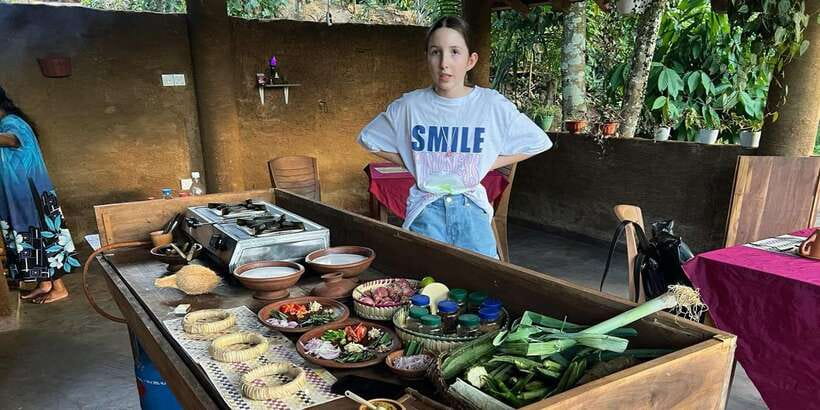
If you like food experiences where you learn something you can actually use later, this Kandy class hits the sweet spot. It’s not built like a show. It’s built like a family day: you walk through a local market, you select seasonal vegetables, and then you cook traditional Sri Lankan dishes in a village house environment.
The value here is not just that you’ll eat well. You’ll understand how the flavors work—how staples like rice and coconut fit into dishes, and how spice blends are used in ways that make sense for everyday cooking, not restaurant theatrics. That’s why the hands-on format matters. It turns Sri Lankan cuisine from something you might admire into something you can repeat at home.
There’s also a cultural layer you can feel in the approach. The recipes reflect the island’s history of mixed influences—India, Indonesia, and Dutch culinary traditions—so the cooking style has variety and logic, not one-note flavor. You get a window into village life at the same time you get a meal.
You can also read our reviews of more tours and experiences in Kandy.

Market tour in Kandy: choosing vegetables that shape the whole class
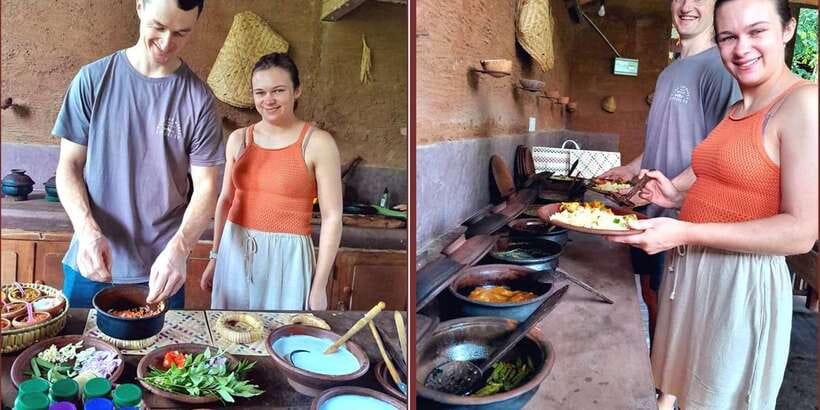
The market tour is your first real step into the cooking. Instead of being handed a set of ingredients, you pick your vegetables based on what’s available. That small difference changes the entire experience, because the class adapts to the season and what looks best that day.
Practically, it means:
- You’ll pay attention to how vegetables are selected in real life, not just what’s easiest to find back home.
- You can steer your preferences—if you’re avoiding something or you want a particular ingredient, this format makes that easier.
- You’ll see how the market supports cooking habits, because Sri Lankan meals often rely on vegetables that are close to what’s growing now.
You’ll also get a gentle orientation to local ingredients and common kitchen staples. Even if you don’t consider yourself a “spice person,” this tour helps you connect spices with ingredients you can actually see and touch.
Cooking in a village home kitchen near Kandy: the hands-on part
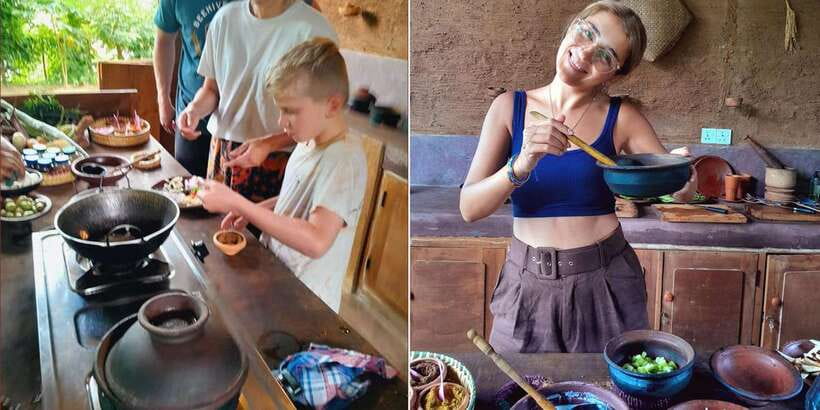
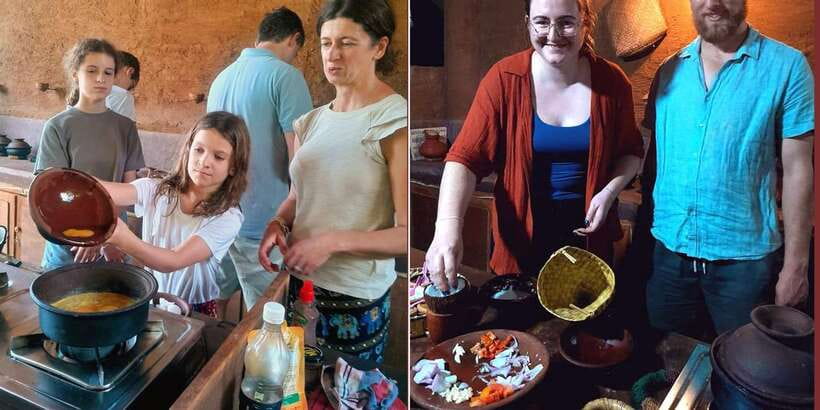
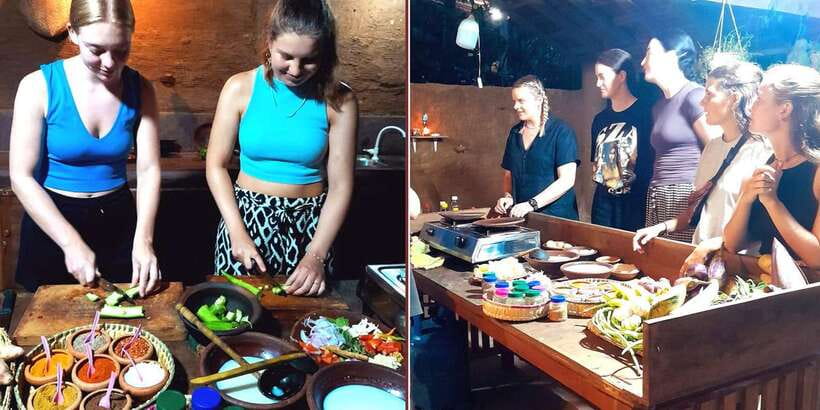
This class is taught by a local village housewife and her family, and the tone is friendly and patient. That matters more than you might think. When cooking goes fast or feels tense, you remember the chaos, not the technique. Here, the setup is meant to feel homely—an outside kitchen experience near Kandy, in a village-house atmosphere.
What you’re doing during the cooking session is the heart of the value:
- Learning techniques as you work through the dishes
- Cooking alongside a teacher who guides you through steps in English
- Building familiarity with spices and common flavor combinations used across Sri Lankan cooking
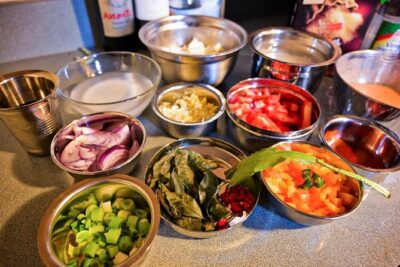
Because the class includes all ingredients, you’re not stuck running around to fill gaps. You’re free to focus on the process: chopping, mixing, tasting, and adjusting. And since you’re choosing vegetables ahead of time, the food you prepare ends up feeling personal.
A small reality check
You’ll be in a cooking-and-walking environment, so plan for comfort. Wear shoes that can handle standing and moving around, and keep clothing practical.
The 12-dish menu: how Sri Lankan flavors connect across dishes
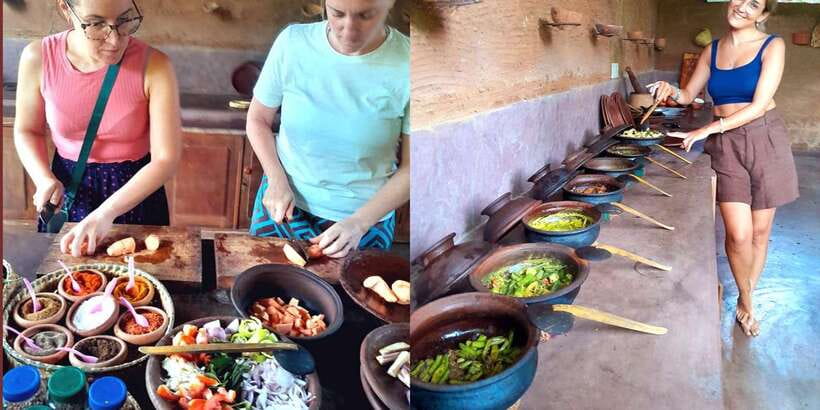
The promise is 12 dishes, and the way it’s framed gives you more than variety for variety’s sake. Sri Lankan cooking often works like a network. Staples show up across different plates, and spices tie it together—so once you understand the rhythm, the rest feels easier.
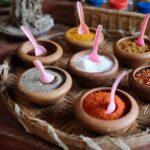
The class specifically focuses on traditional Sri Lankan dishes built around:
- Rice as a foundation
- Coconut, which helps create creamy depth and balance
- A range of spices used in combinations that reflect the island’s mixed culinary influences
You’ll likely notice that the spice approach isn’t random. It’s structured. Some dishes emphasize heat, others lean toward aroma, and many rely on spices to add depth without turning everything into one uniform flavor.
Also, because the recipes reflect influences from India, Indonesia, and Dutch culinary traditions, the dishes can feel familiar in a broad sense while still staying distinctly Sri Lankan. That contrast is part of what makes learning here worthwhile: it helps you see how cuisines mix over time rather than treating Sri Lankan food as a sealed category.
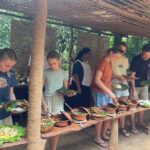
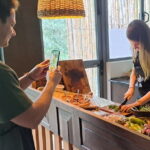
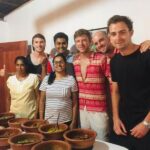
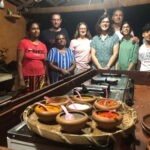

Why learning 12 dishes is better than learning one
A one-dish class can be fun, but it often leaves you stuck with a single technique. A 12-dish menu gives you a broader skill set: you get repeated practice with core flavor tools, and you start to recognize patterns. That’s exactly what you want if you plan to cook at home later.
Eating what you cooked: lunch or dinner with your own dishes

After the cooking, you eat what you made. This isn’t a “watch and then leave” situation. It’s the payoff, and it’s also practical: you can taste and understand what worked while everything is still fresh in your mind.
Since the class includes lunch or dinner (depending on the session timing), you get a complete meal experience rather than snack-sized sampling. It’s also a relaxed moment. You’re not rushing to pack up; you’re sitting with the food and letting the flavors land.
If you’re the kind of traveler who likes to take home more than photos, this is where it clicks. You taste the dishes in the exact form you learned—so when you look at the recipe booklet afterward, the steps make more sense.
Language, group size, and comfort: what to expect day-of
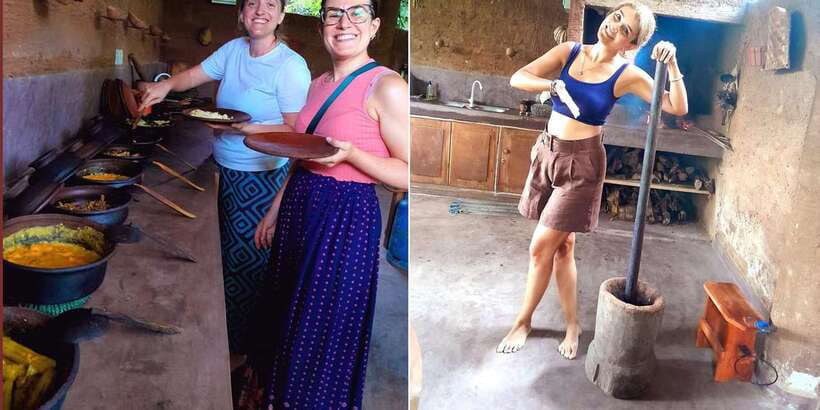
This is an instructor-led class in English, which makes it a strong option if you don’t want to rely on gestures. It also helps you ask questions during cooking, which is the difference between simply following steps and actually learning the “why” behind them.
It’s a private group experience. That usually means less crowd pressure and more time to get guidance where you need it. And the class is wheelchair accessible, so the setup is designed to accommodate mobility needs.
Still, the environment is a working kitchen and village setting. You should expect to move around a bit. Comfortable clothing and shoes are not optional—this is how you enjoy the class instead of feeling distracted by discomfort.
Price and value: what $48 really covers
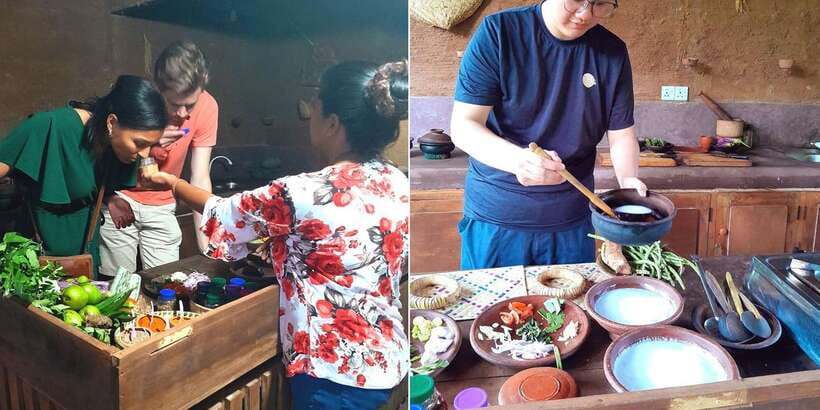
At $48 per person for about 3 hours, this is priced in the “hands-on experience” category, and it earns that label through what’s included.
You’re getting:
- A 12-dish menu
- All cooking ingredients
- A market tour
- Hands-on instruction
- Lunch or dinner with the dishes you prepared
- A recipe booklet
When you compare that to a cooking class that includes only one dish, or one that doesn’t include ingredients, the value becomes clearer. Here, you’re not paying extra to source food or ingredients, and you’re not paying only for instruction. You’re paying for the full meal-and-learning experience: guidance, ingredients, and food on the table.
The one cost note is what’s not included: hotel pickup/drop-off and personal expenses. So your real “all-in” budget depends on how you get to the meeting point. If you’re already in Kandy and can manage local transport, this tends to feel like a fair deal. If you’re staying far out and need a long taxi ride, your total spend will rise.
Who should book this Kandy cooking class (and who might not)
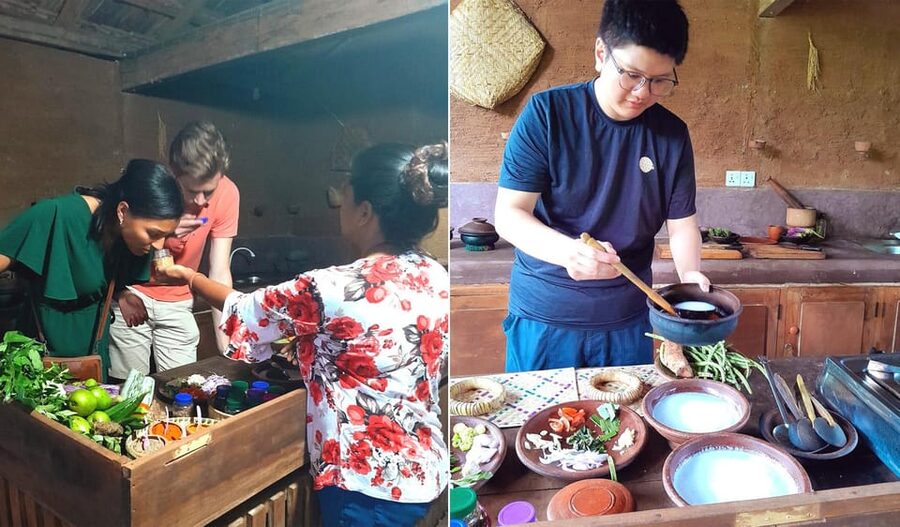
This class is a great fit if you:
- Want real cooking skills, not just a tasting experience
- Enjoy market browsing and ingredient selection
- Like family-run, village-style activities
- Prefer classes with instruction in English
- Want a recipe booklet you can use later
It may be less ideal if:
- You need hotel pickup and don’t want to organize your own transport
- You prefer fully air-conditioned, indoor activities (this includes an outside kitchen feel)
- You’re visiting with very young children without adult support (children must be accompanied by an adult)
Because it’s private group and taught by a family, it’s also a nice choice for special trips, including romantic moments or honeymoon-style surprises—food learning feels personal here, not generic.
Before you go: practical tips that make the class smoother
Here are the planning basics that help you enjoy the whole 3-hour experience:
- Wear comfortable clothes and shoes for cooking and walking. You’ll be on your feet and moving around.
- If you eat vegetarian, tell the provider in advance so the class can accommodate you.
- Bring a curious mindset. This is about learning technique and spice logic as much as it is about the final plates.
- Plan to arrive ready to cook. Since ingredients are included, focus on comfort and attention, not shopping.
If you’re sensitive about spice levels, ask questions early. You’ll get the best results when you make preferences clear during the process.
Should you book this Kandy village cooking class?
Yes, if you want a hands-on Sri Lankan cooking lesson with a real market component and a full meal outcome. For the money, you get a lot: 12 dishes, all ingredients, market tour, English instruction, and a recipe booklet.
I’d book it especially if your trip style is about authenticity you can taste and skills you can repeat later. The family-led setting, the patient teaching tone, and the idea of choosing vegetables before you cook are strong signals that this is built for learning, not just feeding you.
If you strongly rely on hotel pickup or you want everything indoors and fully controlled, you might feel the friction of the self-arranged arrival and the outside-kitchen setting. Otherwise, it’s a smart, memorable Kandy food experience with solid value.
FAQ
How long is the Kandy village cooking class?
The class lasts 3 hours.
What’s included in the price?
It includes a hands-on cooking experience, a local market tour, all cooking ingredients, lunch or dinner with the prepared dishes, a 12-dish menu, and a recipe booklet.
Can I choose my vegetables during the market tour?
Yes. You explore the local market and choose your own fresh vegetables, and the dishes are made with seasonal produce.
Is there a vegetarian option?
Vegetarian options are available. You should inform the organizer in advance if you need vegetarian meals.
Is the cooking class taught in English?
Yes, the instructor speaks English.
Is hotel pickup and drop-off included?
No, hotel pickup and drop-off are not included. You’ll meet at Kandy Village Cooking Class, no.38.pilawala, kandy, Pilawala 20196, Sri Lanka.