REVIEW · KANDY
Kandy Cooking Class At Best Kandy Kitchen
Book on GetYourGuide →Operated by The Best Kandy Kitchen · Bookable on GetYourGuide
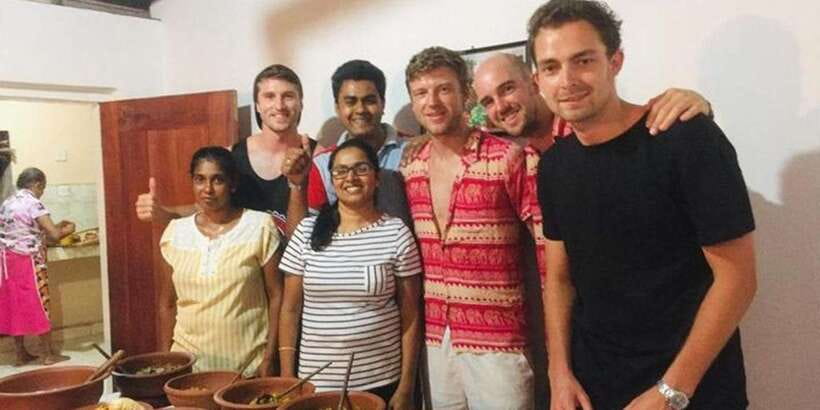
This Kandy cooking class feels like family time. I love the calm, green Mahanuvara setting near the Bahirawakanda Mountain big Buddhas statue, and I also love that the teaching team is a real family setup—wife, sister, and mother (with little kids sometimes helping). It is hands-on, food-focused, and very human, not staged.
One thing to think about: it runs in a home kitchen, and it’s not suitable for wheelchair users.
In This Review
- Key highlights worth getting excited about
- Mahanuvara’s calm home kitchen, near Kandy’s big Buddhas
- 5 hours that often begin with the local market and spice learning
- Ten vegetable dishes, plus coconut roti and sambol
- Fish or chicken choice, and how Sri Lankan seasoning stays consistent
- The meal at the end: plan your hunger like a pro
- Recipes at the end: taking Sri Lankan home cooking seriously
- Price and logistics: $99 for a small group makes this feel personal
- What to bring for a smooth evening (and what to expect in the kitchen)
- Who should book this Kandy cooking class
- Should you book Best Kandy Kitchen?
- FAQ
- How long is the Kandy Cooking Class at Best Kandy Kitchen?
- Where is the class located?
- How much does it cost?
- Is pickup and drop-off included?
- What’s included in the meal?
- Do you visit the local market?
- Are recipes provided?
- Is the class taught in English?
- Is it suitable for wheelchair users?
Key highlights worth getting excited about
- Family-run teaching team: wife, sister, and mother teach the methods, not a hired chef
- Mahanuvara location: quiet greenery near Bahirawakanda Mountain
- Market spices experience: you can visit the local market and learn about vegetables and spices
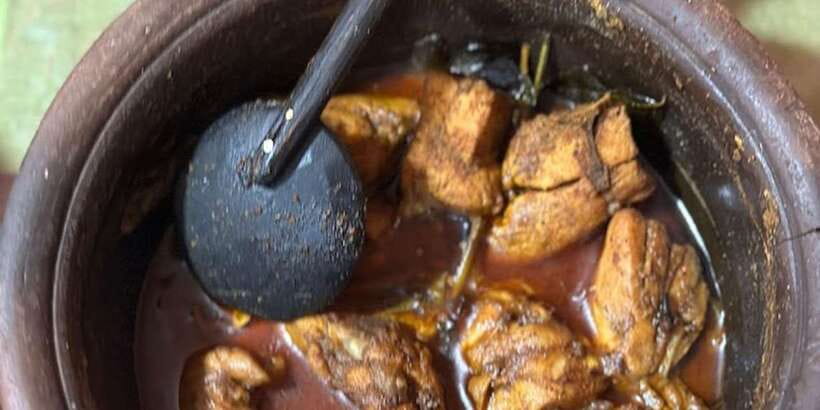
- Big menu for a small group: ten types of vegetable dishes plus fish or chicken, coconut sambol, and coconut roti
- Small group size: limited to 2 participants, so you get more attention while you cook
Mahanuvara’s calm home kitchen, near Kandy’s big Buddhas
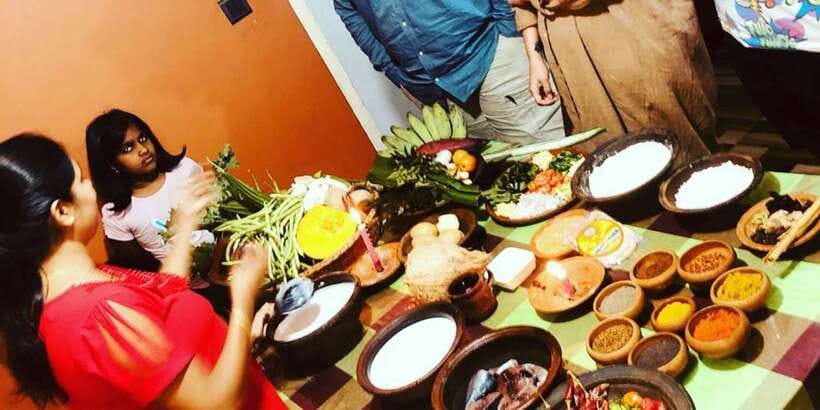
The whole experience starts with the setting. The kitchen is inside a family home in Mahanuvara, close to the Bahirawakanda Mountain area where you’ll spot the big Buddha statue. Instead of a loud tourism pocket, you get a calmer, greener pace, the kind that makes cooking feel less like a class and more like an evening you’ll remember.
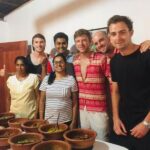
The best part for me is who teaches you. There is no professional chef on a stage. Your teachers are the family: the wife, the sister, and the mother, and on some days their little girls may join in. That matters, because you learn how Sri Lankan food actually lives in daily routines, not just how it’s plated.
Practical reality: because it is a home kitchen, the flow is simple and comfortable. You’ll be close to the action, and you’ll see how a family cooks in real life, including how they manage a lot of dishes at once.
You can also read our reviews of more tours and experiences in Kandy.
5 hours that often begin with the local market and spice learning
A big reason this class works is that you don’t just get recipe instructions. You get context: what ingredients mean in Sri Lanka, how spices are used, and how vegetables are chosen.
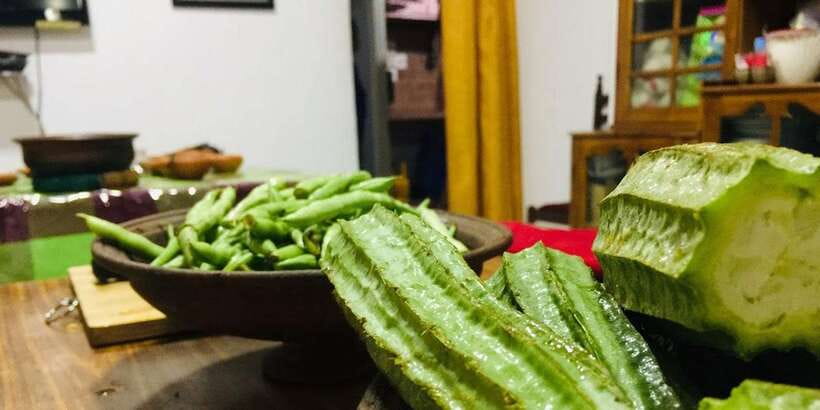
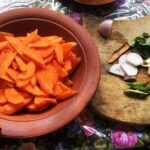
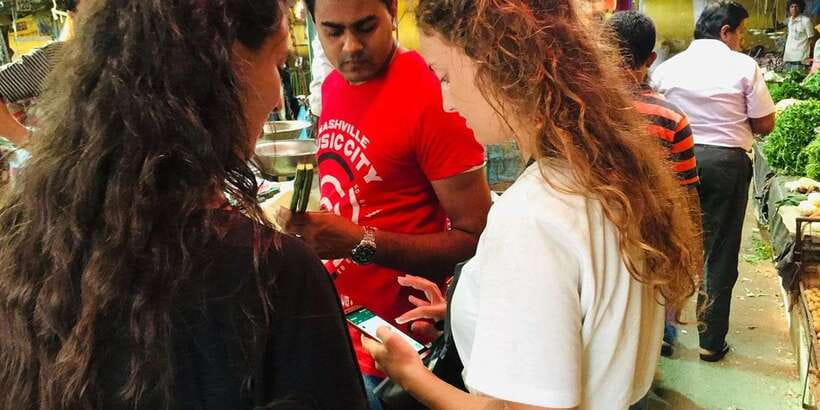
If you want that extra layer, the hosts guide you to the local market for groceries. You’ll learn what spices and vegetables are common, and how they get matched to different dishes. This is one of those small changes that makes everything after it click. When you understand why an ingredient is there, cooking stops feeling like following steps and starts feeling like learning a system.
Timing-wise, plan for a full 5 hours, and remember that start times depend on availability. The market part can shift the rhythm a little, but it’s all designed to end with a satisfying, full meal.
Ten vegetable dishes, plus coconut roti and sambol
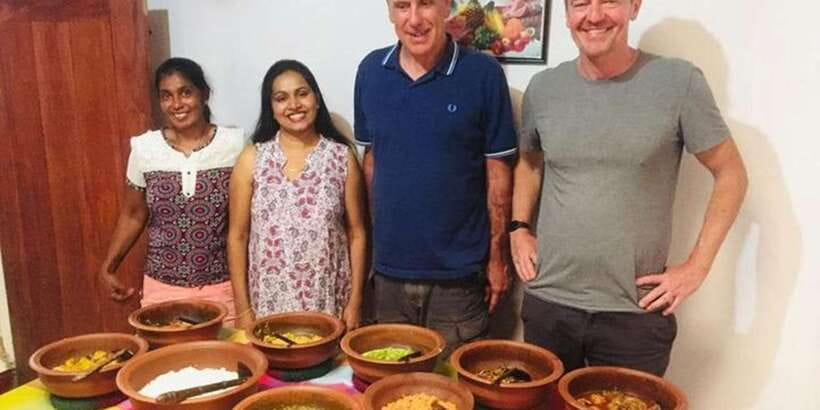
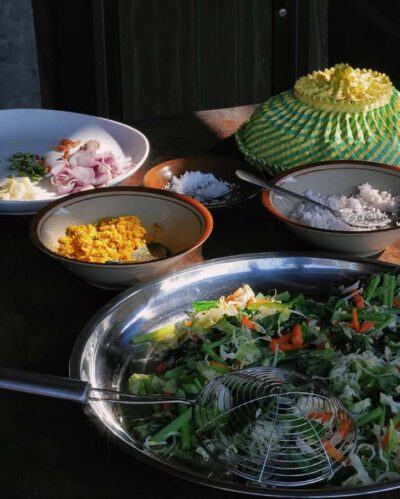
Here is the menu backbone. You’ll cover ten types of vegetable dishes, along with coconut sambol and coconut roti. Then, you round it out with fish or chicken, depending on your choice.
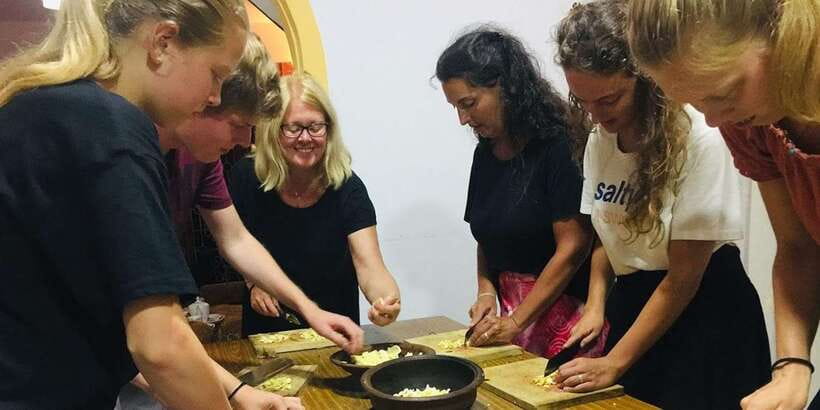
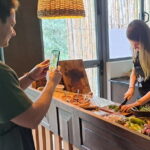
That is a lot of food work, and the family handles it as they would at home. In practice, you’ll do hands-on parts like seasoning and preparation steps, while your teachers also take charge of certain cooking tasks because the spread is big. The result is that you learn without feeling like you’re stuck doing only one tiny task all night.
What stands out is the focus on everyday Sri Lankan flavors. Coconut sambol isn’t just a topping. It teaches you how coconut, chili heat, and aromatics balance into something you can’t easily fake with packaged mixes. And coconut roti is a reminder that Sri Lankan cooking isn’t only about curry. There’s bread, there’s texture, and there’s technique.
Fish or chicken choice, and how Sri Lankan seasoning stays consistent
You choose fish or chicken for the main protein. It’s not a last-minute afterthought; it’s part of the overall meal plan that pairs with the vegetable dishes, the roti, and the sambol.
What I like about this setup is how it shows the logic of seasoning. The family approach emphasizes repeatable flavor building. You’ll learn why certain spice blends show up again and again across dishes, even when the vegetables or proteins change.
Also, the class is in English, so you can ask questions as you cook. That sounds basic, but it matters when you’re trying to understand what you’re doing with your hands, not just what you’re watching someone do.
The meal at the end: plan your hunger like a pro
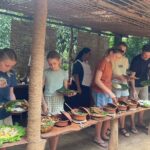
This isn’t a light snack class where you taste one curry and call it a night. The dinner you eat is a real spread built from what you cooked: multiple vegetable dishes, coconut sambol, coconut roti, plus your chosen fish or chicken.
Based on the way the menu is structured, you should expect to eat a lot. If you’ve got any control over your day, I’d skip lunch if you can. Not because it’s a rule, but because you’ll be glad you saved room.
You also get water bottles included, and there is one beer can included as part of the experience. If you drink, great. If you don’t, at least it’s there without you having to figure it out.
Recipes at the end: taking Sri Lankan home cooking seriously
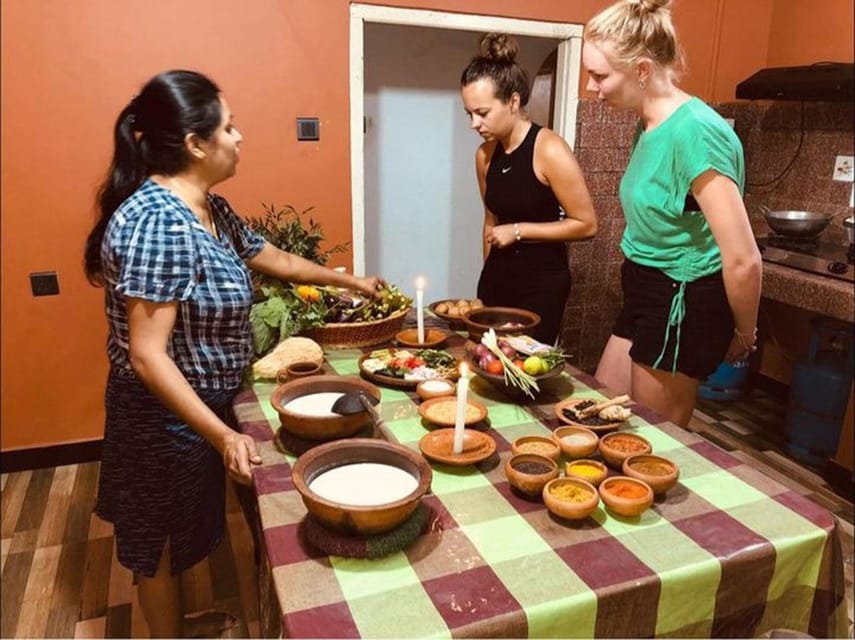
One of the most practical parts is that you receive the recipes at the end of the class. That turns your evening from a memory into something you can recreate when you’re back in your own kitchen.
If you’ve ever done a cooking class and then realized you remember how it tasted but not how to rebuild it, this is the fix. Having the recipes means you can match your ingredients and methods more closely. It also helps you repeat the standout items like coconut sambol and coconut roti, which are often the hardest to reproduce from memory.
Bring a charged smartphone if you can. Even with recipes, you’ll likely want to take photos of finished dishes, spices, or any step you want to reference later.
Price and logistics: $99 for a small group makes this feel personal
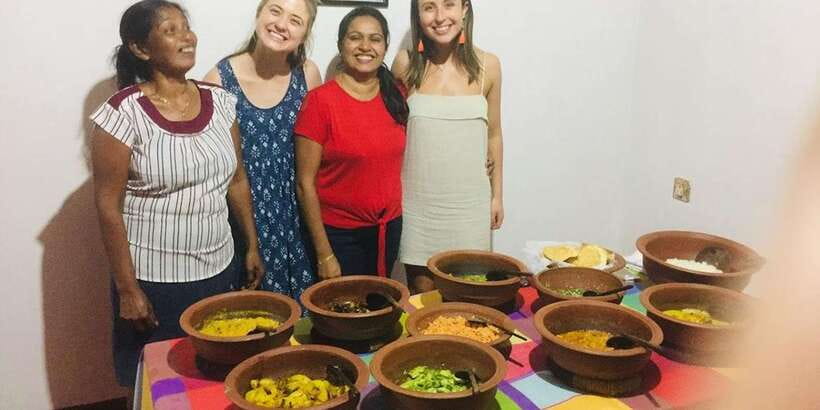
The price is $99 per group up to 2, and the class lasts 5 hours. That pricing model is worth thinking about: you’re not paying for a big, crowded bus experience. You’re paying for a family kitchen setup and a smaller attention ratio.
For two people, it can feel like good value compared with more commercial cooking tours, especially because you get:
- pickup and drop-off around Kandy town
- a market ingredient experience (when you opt for it)
- a full menu built around ten vegetable dishes plus protein and coconut items
- recipes to take home
Pickup matters too. You can arrange pickup within Kandy city limits, and the family will take you back after the class. You’ll just wait in the hotel lobby 10 minutes before your scheduled pickup time.
The “limited to 2” part is a real quality upgrade. Instead of being shuffled through like a group project, you get time to cook, ask, and adjust.
What to bring for a smooth evening (and what to expect in the kitchen)
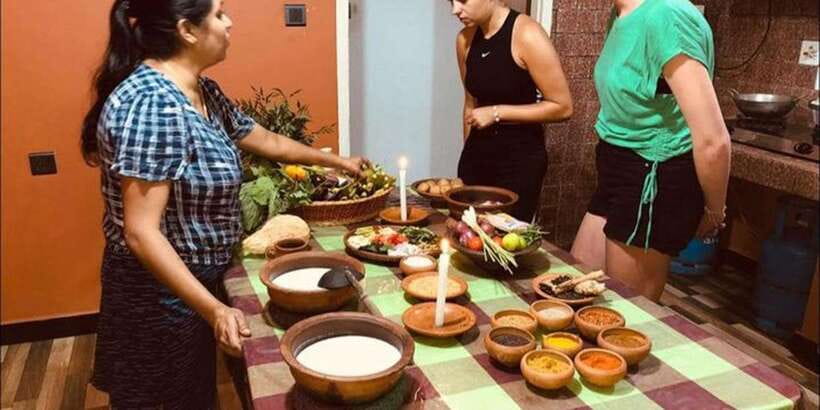
You’ll want to come prepared for hands-on cooking in a home environment.
Bring:
- a change of clothes
- a camera
- cash
- a charged smartphone
Also plan to wear something you can move in. You’ll likely be standing and working close to cooking areas.
A couple other notes you should know upfront:
- Pets are not allowed.
- It’s not suitable for wheelchair users.
- The class is in English.
And yes, cash is on the list. The class includes many items (food, drinks, water), but having cash gives you flexibility for anything additional that might come up during your day.
Who should book this Kandy cooking class
This is a great fit if you want Sri Lankan food that feels specific and lived-in. You’ll enjoy it most if you like:
- cooking with spices and learning what they do
- family-run experiences where you can ask questions
- a menu that’s more than one curry and a “taste test”
It also works well for couples or friends who want a smaller, calmer activity. With a group size limited to 2, you get the benefit of personal guidance without turning it into a private tour price-wise.
If you’re traveling with mobility limitations, though, you should take the wheelchair note seriously. Since it’s not set up for wheelchair users, this is better for guests who can comfortably navigate a home kitchen setting.
Should you book Best Kandy Kitchen?
I think you should book if you want authentic Sri Lankan cooking taught by a family, in a real home kitchen, with a menu that actually feeds you. The mix of ten vegetable dishes, coconut sambol, coconut roti, and fish or chicken choice makes it feel worth the time and money.
Skip it if you’re looking for a glossy, high-tech cooking studio or you need wheelchair-friendly facilities. This is about real cooking and real household flow.
If you’re deciding between activities in Kandy, this one earns its place because it gives you both flavor and context: market ingredients, spice understanding, and recipes you can use after you leave.
FAQ
How long is the Kandy Cooking Class at Best Kandy Kitchen?
It runs for 5 hours.
Where is the class located?
It’s in Mahanuvara, Sri Lanka, near Kandy city and close to the Bahirawakanda Mountain big Buddhas statue.
How much does it cost?
It costs $99 per group up to 2 participants.
Is pickup and drop-off included?
Yes. Pickup and drop-off are included around Kandy town. You’ll wait in your hotel lobby 10 minutes before pickup.
What’s included in the meal?
You’ll get ten types of vegetable dishes, fish or chicken (your choice), coconut sambol, coconut roti, one beer can, and water bottles.
Do you visit the local market?
If you want experience with the local market, the hosts can guide you to visit it and explain spices and vegetables.
Are recipes provided?
Yes. At the end of the class, you’re provided with the recipes.
Is the class taught in English?
Yes, the instructor speaks English.
Is it suitable for wheelchair users?
No, it is not suitable for wheelchair users.