REVIEW · GJIROKASTER
Gjirokastër: Traditional Albanian Vegetarian Cooking Class
Book on GetYourGuide →Operated by MY TOUR SHPK · Bookable on GetYourGuide
Three dishes, one old neighborhood. I love the walk into Pazar i Vjeter and the chance to learn Qifqi up close, not just hear about it. I also like the relaxed group meal with local drinks. One thing to consider: you may do more watching than hands-on cooking, depending on how the class is paced.
You start at Cerciz Topulli square, then head on foot with your host toward one of Gjirokastër’s oldest neighborhoods. Expect a drink right away (raki or a soft drink), a vegetarian menu built around three signature dishes, and plenty of time to sit down together at the end.
The class runs about 150 minutes in a small group of up to 10. It includes ingredients, kitchen gear and aprons, a full meal, homemade wine raki plus other beverages, and detailed recipes you can use later.
In This Review
- Key highlights worth your time
- Starting in Cerciz Topulli Square, then into Old Gjirokastër
- Meet Marjeta and settle in with raki or a soft drink
- The vegetarian menu: Qofte bobollaqe, Qifqi, and Hasude
- Qofte bobollaqe with yogurt
- Qifqi: the Gjirokastër-only rice dish
- Hasude: the dessert that closes the loop
- Seasonal salad on the side
- Hands-on cooking vs watching: what your time inside the kitchen feels like
- The group meal: paired drinks, conversation, and slow finishing
- The recipes you take home actually matter
- Price and value: $76 for 150 minutes in a small group
- Who this class suits best (and who should think twice)
- Practical tips before you go
- Should you book Gjirokastër Traditional Albanian Vegetarian Cooking?
- FAQ
- What is the duration of the cooking class?
- Where does the class start?
- How many people are in the group?
- What dishes will you cook?
- Are drinks included?
- Is the menu vegetarian?
- What’s included in the price?
- What languages are available?
- Is there a cancellation policy?
Key highlights worth your time
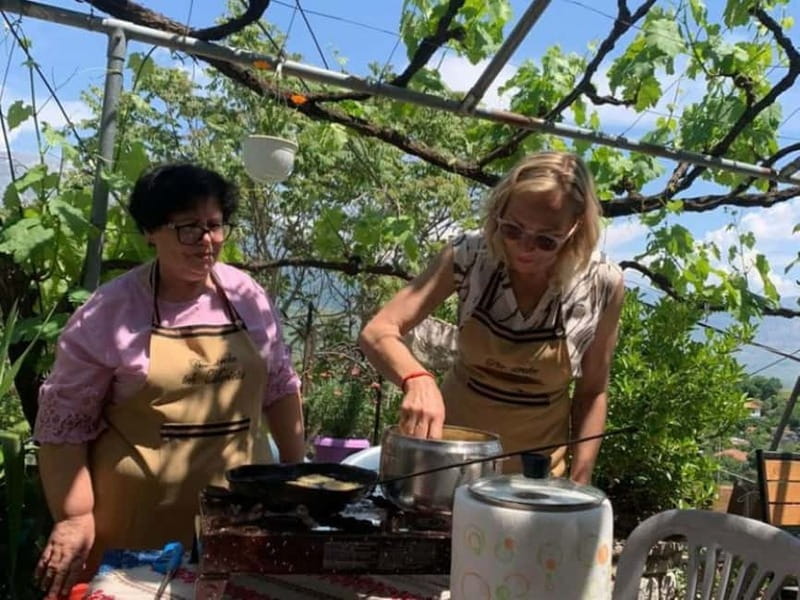
- Cook Qifqi, a rice-based Gjirokastër specialty you won’t find everywhere
- Make Qofte bobollaqe with yogurt as a main ingredient
- Learn Hasude as the dessert piece of the menu
- Eat what you cook, including salad of the season already prepared
- Small group (max 10) with English support and live guide help
- Local pairing drinks with homemade wine raki or soft drinks
Starting in Cerciz Topulli Square, then into Old Gjirokastër
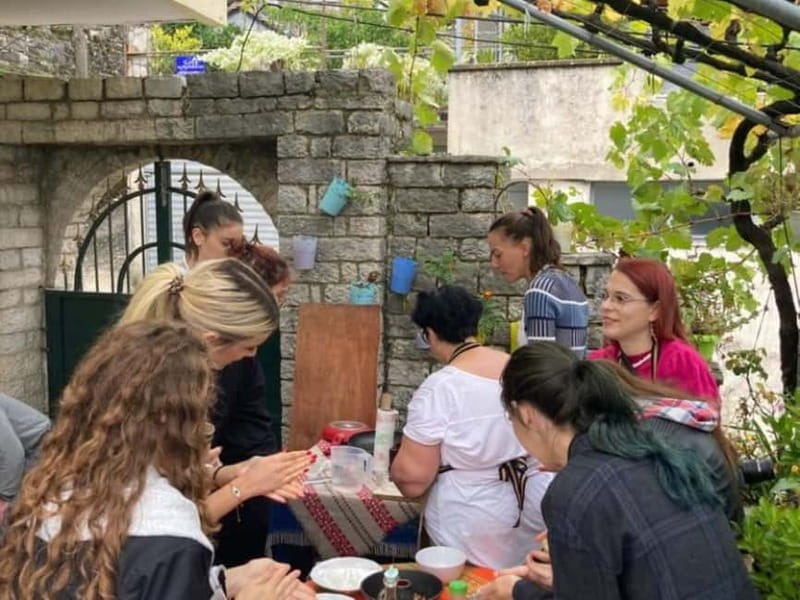
Most cooking classes stay inside one room and call it a day. This one begins with a short walk, and that matters. You meet your host at Cerciz Topulli square, then head over to Pazar i Vjeter, an older neighborhood area with an instantly local feel.
That first stretch is a good warm-up. You’re already in the mood for food and conversation before you touch a single ingredient. It also gives you a sense of how cooking here is tied to community and daily life, not just a show for visitors.
If you’re the type who hates being rushed, you’ll likely appreciate the pacing. You don’t sprint from one photo stop to the next. You walk, meet, settle in, and then get down to the menu.
Meet Marjeta and settle in with raki or a soft drink
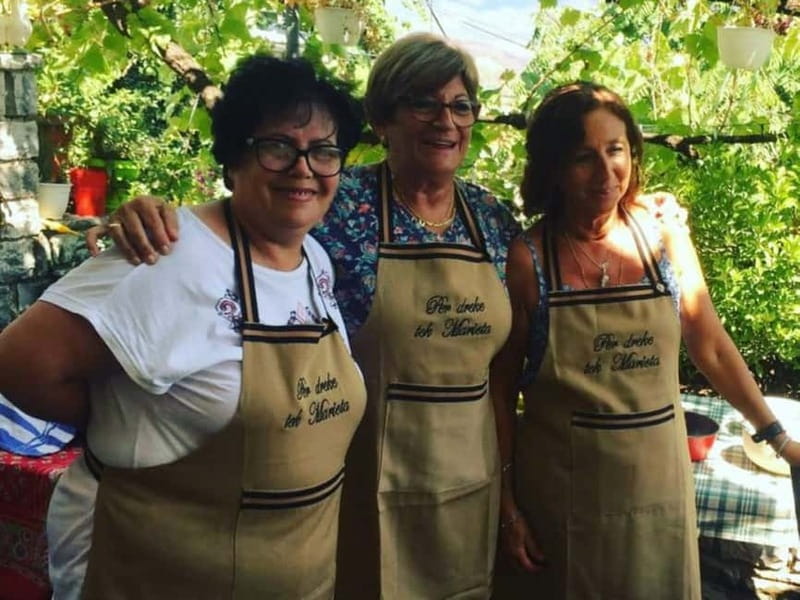
You’ll meet Marjeta and her husband near Pazar i Vjeter, then the class kicks off with a glass of raki or a soft drink. It’s not just a welcome gesture. That early drink helps everyone slow down, ask questions, and get comfortable with the rhythm of the kitchen.
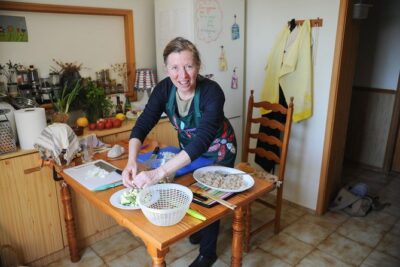
Marjeta leads the cooking, and an English guide/translator supports you (English is available, with live guidance). In past experiences with this setup, translators like Klarisa and Besjan have been described as patient and chatty, so you’re not stuck with a strict script.
Practical note: plan to be present and attentive. This is one of those classes where your learning depends on what you ask, not just what’s explained.
The vegetarian menu: Qofte bobollaqe, Qifqi, and Hasude
The core of the experience is making three dishes, all vegetarian, plus a seasonal salad. The key is that each dish shows a different side of local comfort food: tangy dairy, rice-based shapes, and a sweet finish.
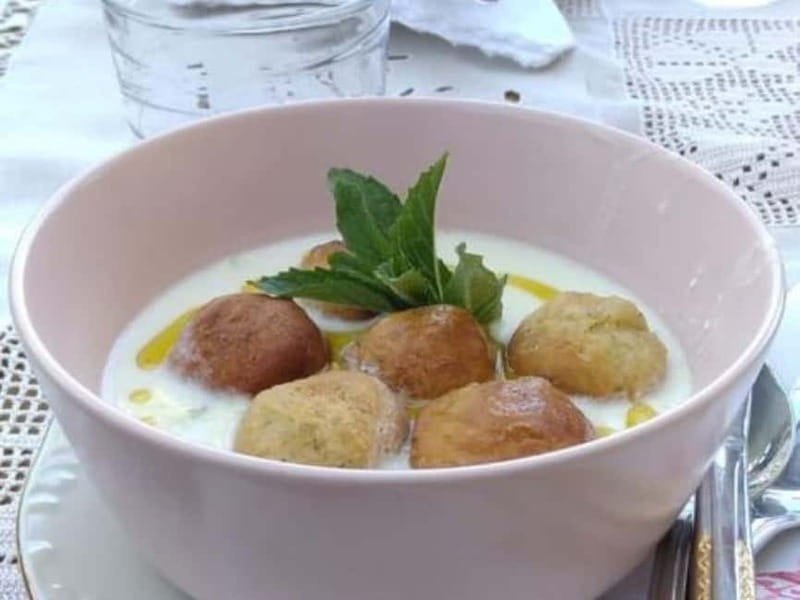
Qofte bobollaqe with yogurt
You’ll start with Qofte bobollaqe, built mainly around yogurt. For me, this is a smart first choice because it sets the stage for Albanian flavor logic: creamy tang, warm spices (as used locally in the recipe), and a texture that feels both filling and light.
You also learn a practical home-cooking lesson here: how to balance a wet ingredient like yogurt with other components so you get a workable mixture. Even if you never cook exactly like Marjeta, you’ll come away knowing how the consistency should feel.
Qifqi: the Gjirokastër-only rice dish
Next comes Qifqi, described as a traditional local specialty and said to be found only in Gjirokastër. It’s mainly based on rice, which is part of what makes it so distinctive in this region’s vegetarian cooking.
This is the dish most likely to make the class worth booking. Rice-based vegetarian bites are familiar in many cuisines, but Qifqi’s identity here is tied to place and technique. You’re not just learning a generic recipe; you’re learning a local version with a specific reputation.
If you’re excited by regional foods, Qifqi is your anchor dish. You’ll likely want to take your recipe card extra seriously for this one.
Hasude: the dessert that closes the loop
Finally, you’ll cook Hasude. Dessert cooking in a class like this is often where the learning becomes real, because sweets show you how local cooks measure by feel, texture, and timing—not only by strict measurement.
Some people who’ve done this class found the overall menu to be heavy on basic staples (rice, flour, eggs, sugar) and certain frying steps. That doesn’t automatically make it bad. It does mean your best expectations are: classic Albanian comfort, not a vegetable-forward plate with lots of variety.
If you love traditional sweets and you’re comfortable with dairy and eggs in baking, Hasude is a strong ending.
Seasonal salad on the side
Alongside the three dishes, there’s salad of the season that Marjeta has already prepared. You won’t be building every salad from scratch, but having a fresh counterpoint matters. It also helps round out a menu that otherwise leans into starch and frying.
If you’re the kind of eater who needs crunchy freshness, you’ll be glad the meal includes salad rather than being only fried or only hot items.
Hands-on cooking vs watching: what your time inside the kitchen feels like
This is where the experience can differ depending on the group flow. Some people describe the class as engaging and well-timed, with three dishes actually made during the session. Others note that Marjeta cooks most of the time while the group watches from the kitchen area.
Neither version is automatically wrong. But it’s a consideration.
Here’s how I’d set expectations:
- You should plan to learn the process and the recipe logic for all three dishes.
- You might not get an equal turn at every station.
- If you want maximum chopping or shaping time, arrive with a curious, question-first mindset. Ask what step you can repeat at home, and which part controls the texture.
In kitchen terms, the class is structured for learning first and speed second. That can be comforting. It can also feel less hands-on if you expected a workshop where everyone is actively mixing at all times.
The group meal: paired drinks, conversation, and slow finishing
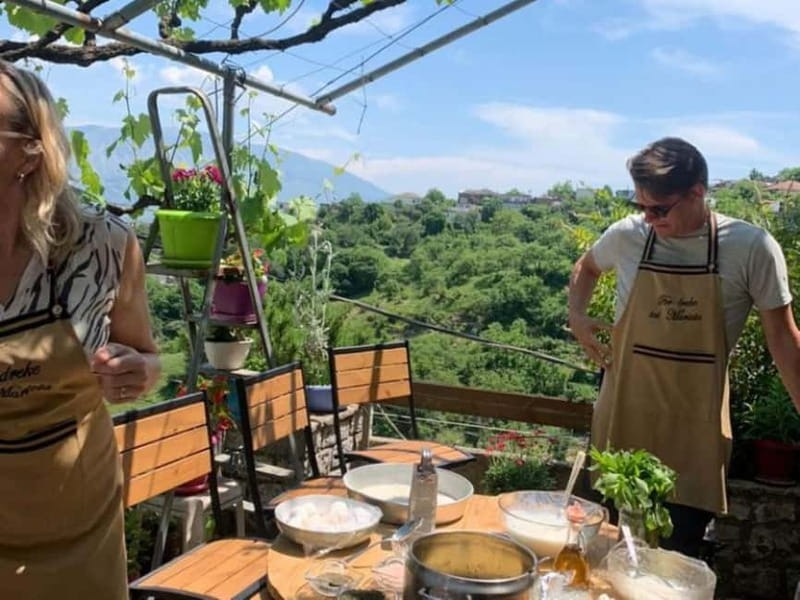
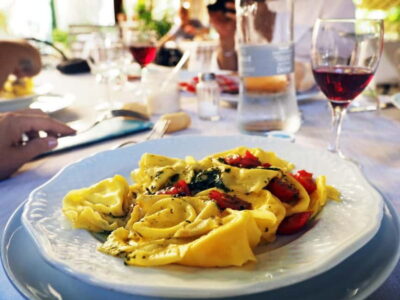
After cooking, you sit down with the group and eat what you made. The meal includes the three dishes plus the seasonal salad. You’ll also have a complimentary glass of wine, raki, or a soft drink, depending on what’s offered for the group.
That sit-down time is not rushed. You can chat while you eat, which is where the value often hides. A cooking class is one thing; a shared meal with cultural back-and-forth is another. You leave with more than instructions—you leave with context.
One practical tip: eat slowly. It can be tempting to rush the meal so you can get to the tasting quickly. But you’ll likely want a few minutes after each dish to notice texture and flavor. That’s what helps your recipe card make sense later.
The recipes you take home actually matter
At the end, you receive a recipe of what you cooked. The class also provides detailed recipes for the dishes and more.
This is a big deal for value. A lot of classes give you something vague. Here, you’re set up to replicate the menu at home later, which turns a one-time meal into repeatable cooking.
Also, because some dishes are more texture-sensitive (rice-based shaping, dairy mixture consistency, sweet timing), written guidance is useful. It helps you avoid the common home-cooking problem: you remember the ingredients but not the exact feel.
Price and value: $76 for 150 minutes in a small group
At $76 per person for about 150 minutes, the price lands in the mid-to-upper category for cooking classes. The question is what you get for it.
You do get a lot:
- Ingredients for the full menu
- Kitchen facilities and aprons
- A full meal, not just tasting bites
- Homemade wine raki plus other beverages
- Detailed recipes to cook again at home
- A small group size (up to 10), with English support
That package is the core value argument. If you’re someone who wants a local-style meal experience with real instruction and take-home notes, you’re paying for that combination.
If you’re expecting a lot of ingredient variety and fresh vegetable cooking throughout, you might feel the price more sharply. Some past participants described limited variety and a focus on staples and frying. So your best match is: you want to learn traditional Gjirokastër vegetarian food, even if it leans into rice, flour, eggs, and sugar.
Who this class suits best (and who should think twice)
This works especially well for:
- You want traditional vegetarian Albanian cooking, not a generic cooking-demo format
- You care about learning a region-specific dish like Qifqi
- You enjoy a shared meal and the social side of food
- You want a take-home recipe you can actually use
It might be less perfect if:
- You’re looking for a very vegetable-heavy menu
- You strongly prefer fully hands-on cooking with no waiting
- You’re sensitive to a more directive teaching style from the host (some descriptions mention Marjeta being quite firm)
If you fall in the middle, don’t worry. Go in with the right expectations and you’ll likely enjoy the class for what it is: focused on three core dishes and the meal that follows.
Practical tips before you go
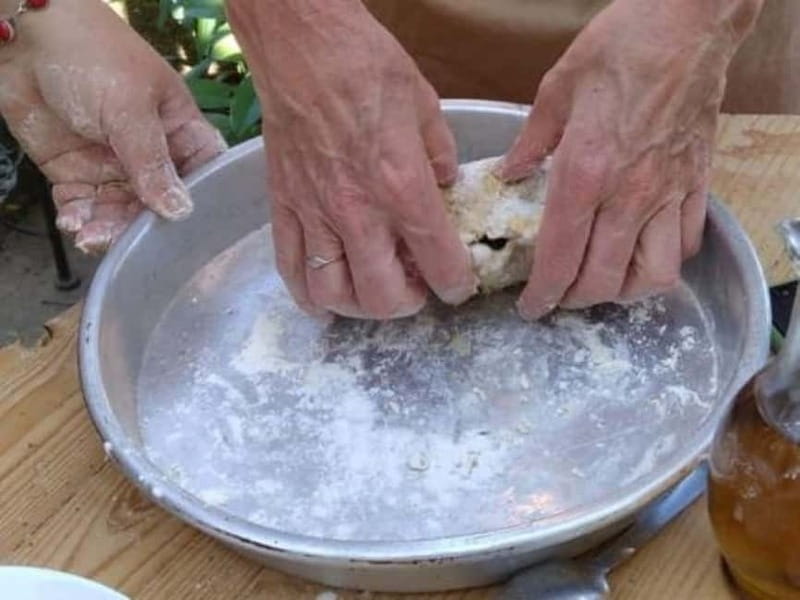
A few choices can improve your experience fast:
- If you want more hands-on participation, ask early which steps the group can do.
- Bring an appetite. The class includes a full meal, and it’s better to be hungry than polite.
- If dairy or eggs aren’t for you, be aware the dishes can involve yogurt and eggs based on how these recipes are described.
- If you care about translation quality, don’t hesitate to ask for clarification during steps, not only after.
Also, wear shoes that handle a short walk through an older neighborhood. It’s not a hike, but you’ll be moving.
Should you book Gjirokastër Traditional Albanian Vegetarian Cooking?
I’d book this if your goal is authentic, place-specific cooking with a real meal at the end—and you’re genuinely interested in Qifqi and the other two dishes. The combination of guided instruction, small group size, drinks, and take-home recipes is what makes it a solid value at $76.
I’d pause if you’re only interested in lots of fresh vegetable variety or you need everyone to cook actively at every step. This class can feel more like learning the method and watching the technique closely, with you stepping in where it fits.
If you want a traditional vegetarian menu tied tightly to Gjirokastër, this is a focused choice. And the fact you get written recipes makes it more than just a tasty afternoon.
FAQ
What is the duration of the cooking class?
The class lasts 150 minutes.
Where does the class start?
You meet at Cerciz Topulli square.
How many people are in the group?
It’s a small group limited to 10 participants.
What dishes will you cook?
You cook three dishes: Qofte bobollaqe, Qifqi, and Hasude, plus a seasonal salad.
Are drinks included?
Yes. You can have a glass of raki or a soft drink at the start, and there’s also a complimentary glass of wine, raki, or a soft drink with the meal. Homemade wine raki is included.
Is the menu vegetarian?
Yes. The class is a vegetarian cooking class.
What’s included in the price?
Ingredients, kitchen facilities and aprons, a full meal, homemade wine raki and more beverages, and detailed recipes for the dishes are included.
What languages are available?
The live guide provides Albanian and English support.
Is there a cancellation policy?
Free cancellation is available up to 24 hours in advance for a full refund. The experience also offers reserve now and pay later.