REVIEW · ALCAMO
Sicilian cooking class in the historic baglio Florio Adamo
Book on GetYourGuide →Operated by Adamo Bio · Bookable on GetYourGuide
Cooking here feels like family history. In the historic baglio Florio Adamo, Liliana and Vito guide you through classic Sicilian dishes with no machines and seasonal farm ingredients, then you sit down to eat what you made.
I love how hands-on it is, from preparing appetizers like caponata and arancine to making fresh pasta with Perciasacchi ancient-wheat flour and finishing with a Sicilian dessert. One practical consideration: the experience doesn’t include driving you around in a rental-style way, so make sure the included pickup works for your schedule and location.
In This Review
- Key Things I’d Put on Your Radar
- Entering the Former Florio Factory at Baglio Florio Adamo
- Hands-On Sicilian Cooking, Done the Old Way
- The Core Dishes You’ll Make (And What Makes Them Worth Your Time)
- Eggplant Caponata: Sweet-Sour Sicilian Comfort
- Arancine: Crispy on the Outside, Sicilian in the Middle
- Fresh Pasta with Perciasacchi Ancient Wheat
- Tomato Bruschetta with Garden Herbs
- Sicilian Dessert: Ricotta Cassatelle
- Lunch in the Historic Setting: Wine, Food, and Real-Meal Pace
- Transport, Timing, and What to Plan Around
- Price and Value: What $94 Really Buys You
- Who This Cooking Class Fits Best
- Should You Book Sicilian Cooking in the Historic Baglio Florio Adamo?
- FAQ
- How long is the Sicilian cooking class in Baglio Florio Adamo?
- What is the price per person?
- What language is the live tour guide?
- What kinds of dishes will I learn to make?
- Is there pickup included?
- Is car travel otherwise included?
- Is the experience wheelchair accessible?
- Can I take the food I prepare home?
- Is there free cancellation?
Key Things I’d Put on Your Radar
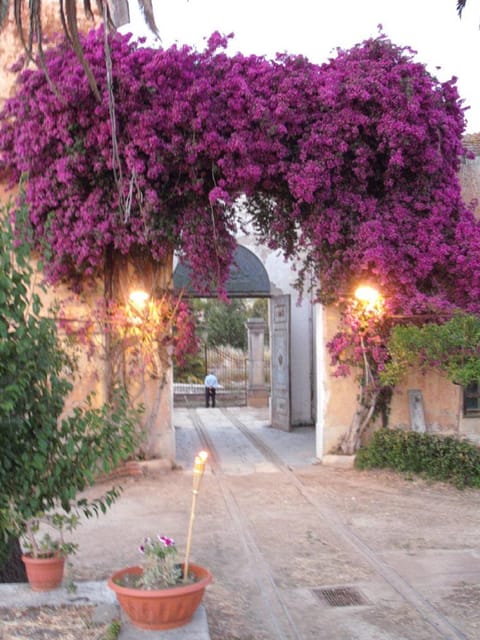
- Welcome at the former Florio factory: you start in a place that feels rooted in the family business.
- No machines cooking: classic technique, done at human pace, with guidance from Vito.
- Perciasacchi flour fresh pasta: ancient wheat turns pasta into a real specialty, not a shortcut.
- Garden herbs in real recipes: mint and basil show up where they matter, like tomato bruschetta.
- Wine with lunch: you enjoy white and red wines while you share the dishes.
- Take-home payoff: you can bring along what you prepared together.
Entering the Former Florio Factory at Baglio Florio Adamo

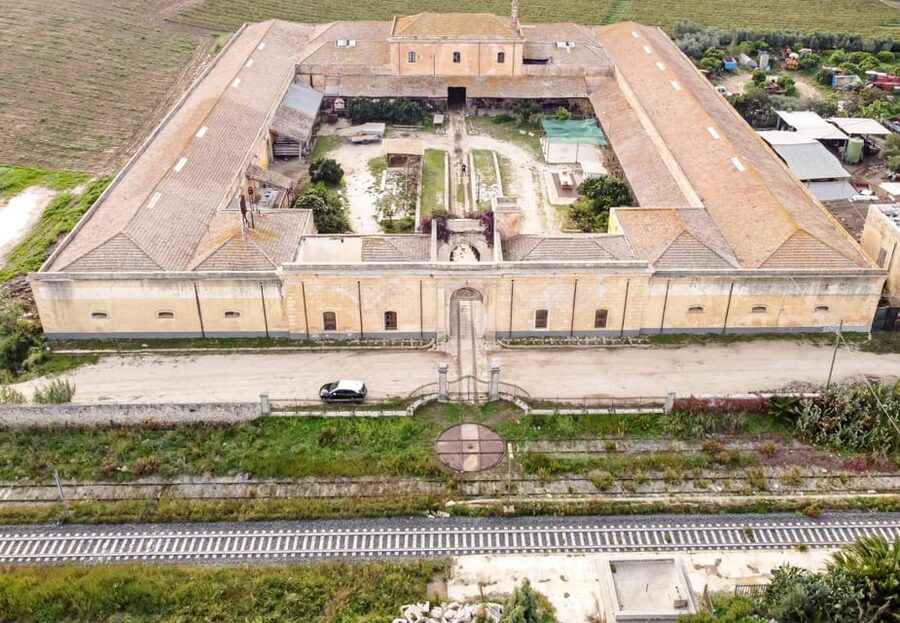
This class starts the right way: at the former Florio factory, part of the historic baglio Florio Adamo. Liliana welcomes you and sets the tone with a clear sense of place, including the chance to step into the past under the older porch and see where the kitchen setup lives inside the working history.
One of the smartest choices here is that you’re not herded into a modern, generic cooking room. You cook in a kitchen space that feels built for real work and real people, with the kind of room you can actually move in while you chop, stir, and roll. It also helps that the vibe stays calm and guided, not rushed. More than once, the teaching style comes through as patient and focused on technique.
If you’re the type who likes your food tied to a story you can feel, this setting matters. You’re learning Sicilian cooking inside a Sicilian family property, not in a city-center show kitchen.
Hands-On Sicilian Cooking, Done the Old Way
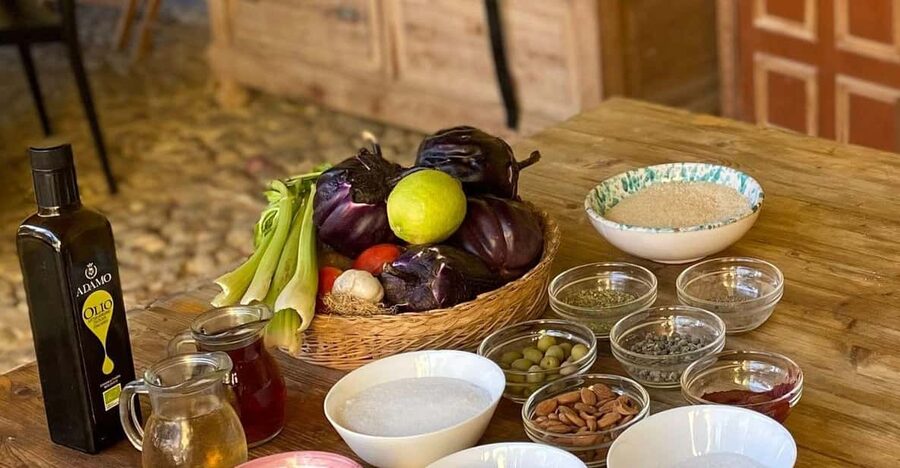
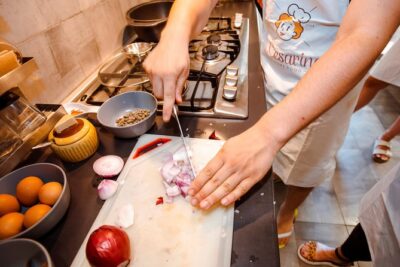
The headline detail is hands-on cooking without machines. That doesn’t just sound traditional. It changes how the lesson feels: you slow down enough to understand texture, consistency, and timing.
Here’s what that typically means in practice:
- You work from fresh ingredients rather than relying on shortcuts.
- You build dishes in steps, so you see how Sicilian flavors combine, not just what the final plate looks like.
- You learn technique with the same mindset used for home cooking, not restaurant production.
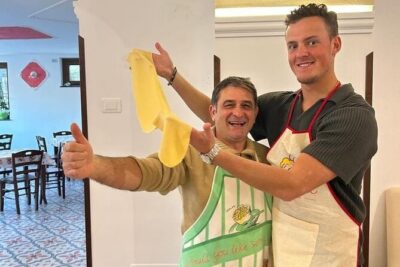
Vito is the hands-on teacher, and the teaching style is part of the reason people call this one of their best meals in Sicily. You’re not just watching while someone else cooks. You’re doing the work, with guidance when needed, and you’re learning the “why” behind common Sicilian building blocks.
A smaller detail that I think you’ll appreciate: the class uses fresh and seasonal raw materials from the company’s own supply, plus herbs from their garden. That means your flavors come from ingredients at their best, not from a pantry list that stays the same year-round.
The Core Dishes You’ll Make (And What Makes Them Worth Your Time)
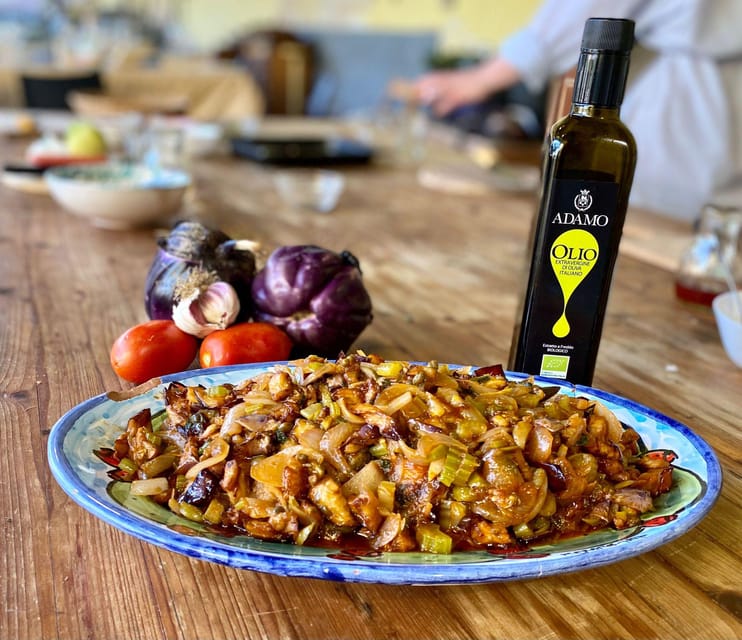
You’ll prepare at least two appetizers, plus additional courses. The best part is that the menu isn’t random. It’s built around classic Sicilian comfort food with recognizable ingredients: eggplant, rice, wheat flour, nuts, herbs, tomatoes, and ricotta.
Eggplant Caponata: Sweet-Sour Sicilian Comfort
Eggplant caponata is one of the anchor dishes in this class. If you only know caponata from menus, you’ll likely notice the difference when you make it: you can taste how the eggplant softens, how acidity balances the sweetness, and how the whole thing becomes richer as it comes together.
It’s also the kind of recipe that teaches you something. You learn what “caponata style” actually means beyond the name.
Arancine: Crispy on the Outside, Sicilian in the Middle
Another appetizer you’ll likely make is arancine. This is one of those dishes that benefits hugely from learning the process in person, because the key isn’t just flavor. It’s how the rice holds together and how you get that crisp, satisfying exterior.
It’s a great choice for a cooking class because it rewards your effort immediately. You’ll end up with food that tastes like it took serious care, even though the steps are straightforward when you have the right guidance.
Fresh Pasta with Perciasacchi Ancient Wheat
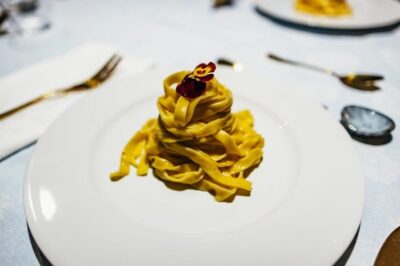
The pasta portion is where the lesson becomes truly “this class, specifically.” You’ll make fresh pasta using Perciasacchi flour, described as ancient wheat produced by the company.
That matters because flour isn’t just a detail. Ancient wheat can change the character of dough and the way it holds flavor. You also learn the process of making fresh pasta without relying on equipment that does the work for you.
You may also dress the pasta with almond pesto, another traditional Sicilian touch that’s both distinctive and practical to learn. It’s the kind of sauce you can recreate at home because it’s built on ingredients that aren’t hard to source.
Tomato Bruschetta with Garden Herbs
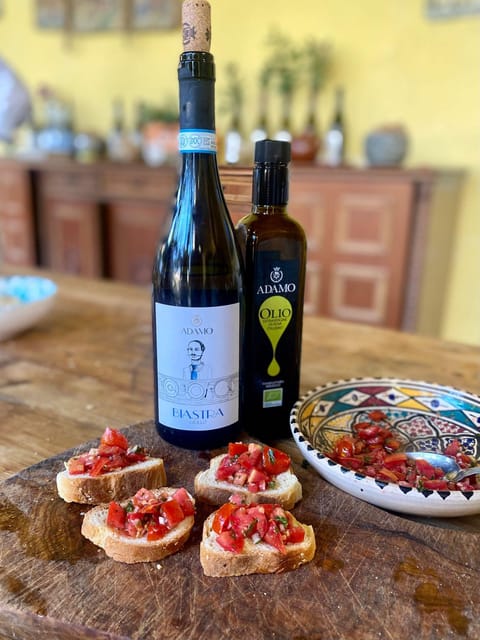
You’ll also use aromatic herbs like mint and basil for tomato bruschetta. This is a quieter recipe compared to arancine or caponata, but it plays an important role.
Bruschetta like this gives you a fresh, herbal contrast to heavier fried or simmered dishes. It also reinforces something Sicilian cooking does well: balancing rich and bright flavors in the same meal.
Sicilian Dessert: Ricotta Cassatelle
Don’t skip the dessert. The class includes a Sicilian sweet such as fresh ricotta cassatelle. Ricotta-based desserts fit naturally after savory food, and making it in the same session means you get the full meal experience, not just one highlight.
If you’re hoping to take home a bigger sense of Sicilian cooking, the dessert is part of that picture. It’s also often the course that people remember most because you rarely see it made from scratch in a typical vacation meal.
Lunch in the Historic Setting: Wine, Food, and Real-Meal Pace

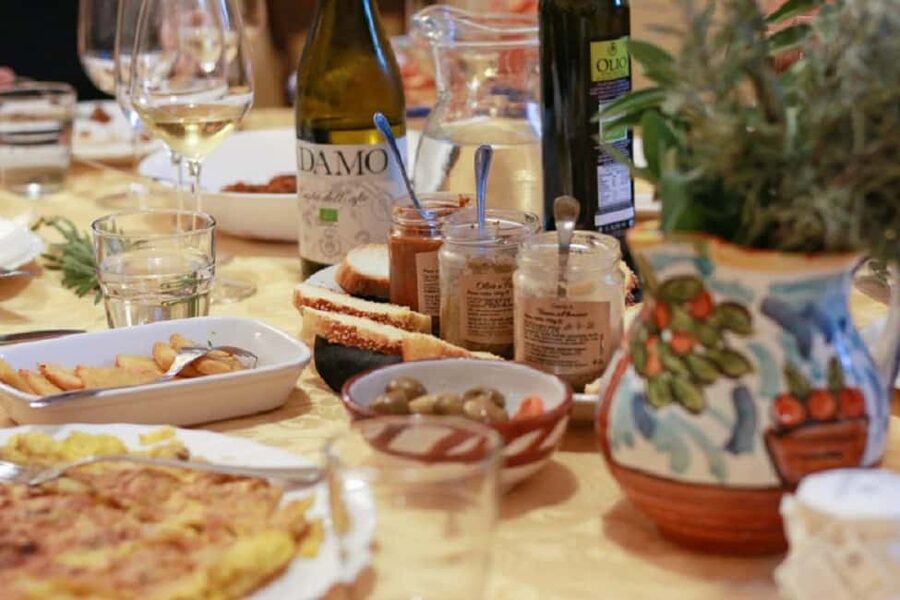
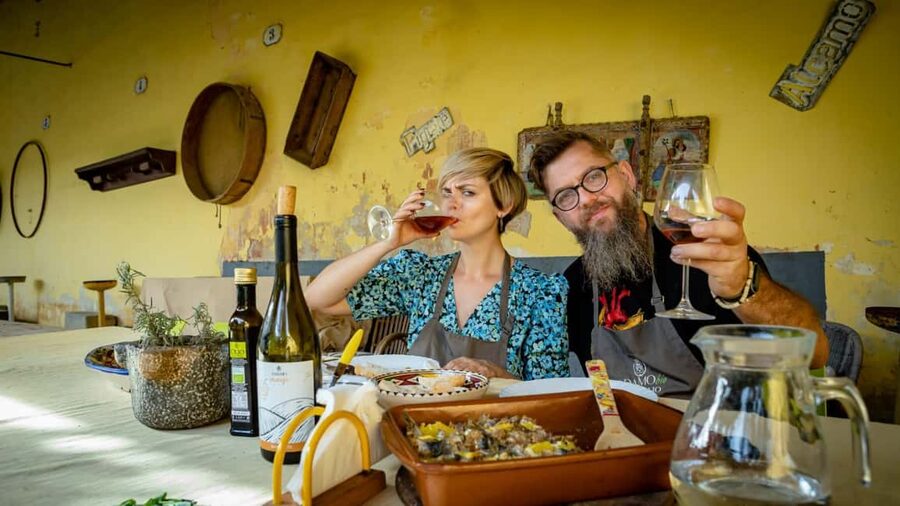
After cooking, you get to the part that turns a lesson into a memory: you sit down at the table and share the dishes you made. The setting is described as magical and unhurried, with time feeling like it slows down in the historic space.
Expect white and red wines alongside the food. Based on how the experience is described, it’s not a symbolic sip. It’s a real meal accompaniment, and it helps the lunch feel complete, like you’re being hosted rather than processed.
One practical bonus: you can also take with you everything you prepare together. That’s a big deal if you’re the kind of traveler who hates wasting the best part of a day. You’re not just learning. You’re leaving with dinner potential.
You might also hear music in the background during the class, including traditional Italian sounds. It’s a small touch, but it adds to the “home-cooking” mood rather than turning it into a museum activity.
Transport, Timing, and What to Plan Around
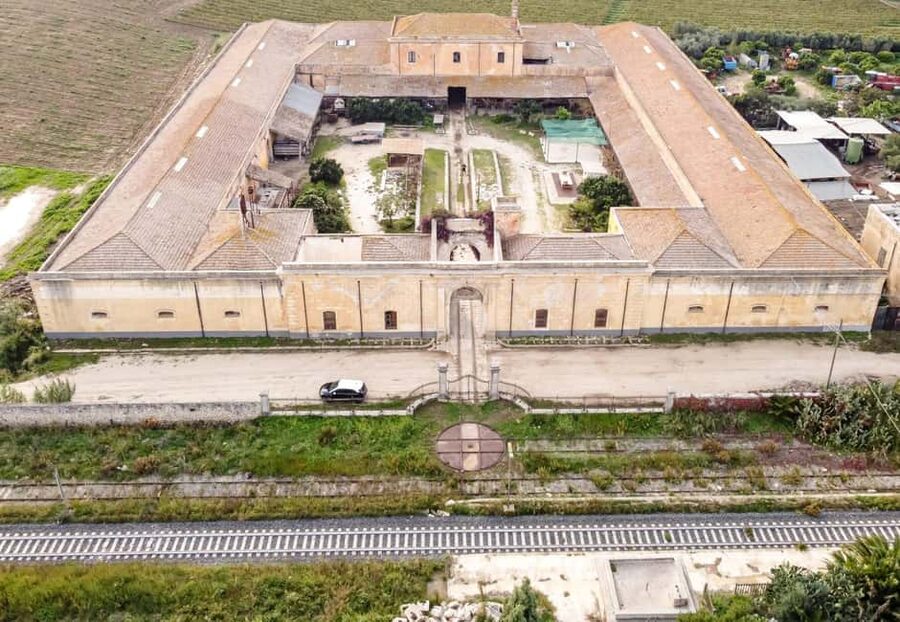
This is a 3.5-hour experience. Check starting times so you don’t accidentally schedule it too close to dinner or your next tour.
On logistics: pickup is included. The transport is by car, but the mode can change. You can give your location or a frame of reference, which is helpful if you’re staying outside the center or your hotel address is hard to pin on a map.
At the same time, car rides are not included in the sense of extra driving or additional transport beyond the pickup. If you need special help, you can contact them and arrange it separately.
Also worth noting: the experience is wheelchair accessible, so it’s designed to be workable for mobility needs.
Price and Value: What $94 Really Buys You
At $94 per person for about 3.5 hours, you’re paying for more than a recipe handout. You’re paying for:
- Multiple courses (at least two appetizers plus pasta and dessert).
- Hands-on instruction from Vito, not just a guided tasting.
- Use of specific local ingredients, including Perciasacchi flour.
- The full meal experience with wine and time to eat what you cooked.
- The ability to take home what you made.
If you compare this to paying restaurant prices for one main dish, the value gets clearer fast. You’re essentially buying a structured Sicilian meal plus skill-building, with ingredients and labor woven into the price.
Is there any reason not to pick this class? The main drawback is the format itself. If you’re traveling only for scenic sightseeing or you don’t want to stand, chop, and cook for a chunk of an afternoon, a lesson like this will feel like work. But if you like doing, eating, and learning at the same time, it’s a strong match.
Who This Cooking Class Fits Best
This experience is ideal if you:
- Want authentic Sicilian food that’s made from scratch in a traditional setting.
- Like classes where you actually participate, not just watch.
- Enjoy learning regional ingredients, especially ancient wheat Perciasacchi and classic Sicilian flavor combinations.
- Appreciate history connected to food production, since the setting includes historic winemaking context and older equipment.
It’s also a good pick for couples, friends, and solo travelers who want a structured activity that ends with a real sit-down meal, not just snacks on the go.
Should You Book Sicilian Cooking in the Historic Baglio Florio Adamo?
Yes, if your priority is hands-on Sicilian cooking with real ingredients, a meal you can genuinely learn from, and a setting that feels tied to family operations. The combination of Liliana’s welcoming, Vito’s technique-focused teaching, and the inclusion of multiple dishes makes this one of those “worth it” food experiences, even at $94.
Book it especially if you care about learning the process behind dishes like caponata and arancine, and if you want the pasta element to be something more specific than generic flour.
Skip it only if you want a pure sightseeing day or you’re short on mobility/energy for cooking steps. Otherwise, this is exactly the kind of Sicilian class that turns lunch into a skill you can carry home.
FAQ
How long is the Sicilian cooking class in Baglio Florio Adamo?
The experience lasts 3.5 hours.
What is the price per person?
It costs $94 per person.
What language is the live tour guide?
The live tour guide is English.
What kinds of dishes will I learn to make?
You’ll learn to prepare at least two appetizers, such as eggplant caponata or arancine, and you’ll also make fresh pasta using Perciasacchi flour and a Sicilian dessert such as ricotta cassatelle.
Is there pickup included?
Yes, pickup is included by car. You can share your location or a nearby reference point. The car mode can vary.
Is car travel otherwise included?
Car rides are not included, but if you contact them and need it, they can do it separately.
Is the experience wheelchair accessible?
Yes, it is listed as wheelchair accessible.
Can I take the food I prepare home?
Yes, you can take with you everything that you prepare together.
Is there free cancellation?
Yes, there is free cancellation up to 24 hours in advance for a full refund.