REVIEW · VENICE
Ancient Venice and Its Spices: Cooking Class and Market Tour
Book on Viator →Bookable on Viator
Spices and markets turn Venice from scenery into dinner. This cooking class pairs a Rialto Market ingredient hunt with hands-on cooking in a real Venetian house, then ends in a shared three-course meal with homemade wine. I love that you learn what goes where, not just how to plate it, and I also like the focus on Venetian flavor ideas like saffron, cumin, and fennel. The one clear drawback: this experience is not suitable for celiacs.
You’ll meet at Campo San Giacomo di Rialto and spend about 3 hours 30 minutes going from market to home, with a small group capped at 20. The host I’ve seen connected with this experience is Massimo, and the tone tends to be friendly and story-driven, especially around Venice’s role in the spice trade. You’ll want comfortable shoes, because this is Venice on foot, and good weather matters.
In This Review
- Key Highlights You Should Care About
- Rialto Market Shopping: Where Venetian Spice Starts
- Cooking in an Ancient Venetian House with Massimo and Spice Trade Stories
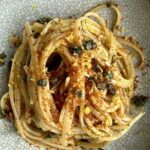
- Handmade Pasta, Pesto, and Seafood Sauces: What You Actually Make
- Starter and Sides: Salads, Edible Flowers, Cheese, and Marmalade
- Focaccia and the Three-Course Finish: Wine, Ricotta, and Ancient Flours
- Allergies and Dietary Limits: What Is and Isn’t Covered
- Price and Value: Why $108.43 Can Be Fair Here
- Planning Your Morning: Timing, Walking, and Getting There
- Who This Tour Is For (and Who Should Skip It)
- Should You Book Ancient Venice and Its Spices?
- FAQ
- How long is the cooking class and market tour?
- What is the price per person?
- Is the tour offered in English?
- Where do I meet, and where does it end?
- Is the market tour included?
- Is the group small?
- Is lunch included?
- Can they accommodate allergies or dietary restrictions?
- Is it suitable for celiacs?
Key Highlights You Should Care About
- Rialto Market shopping for real ingredients instead of starting with generic pantry items
- Fresh handmade pasta lessons with options like pesto or seafood sauces
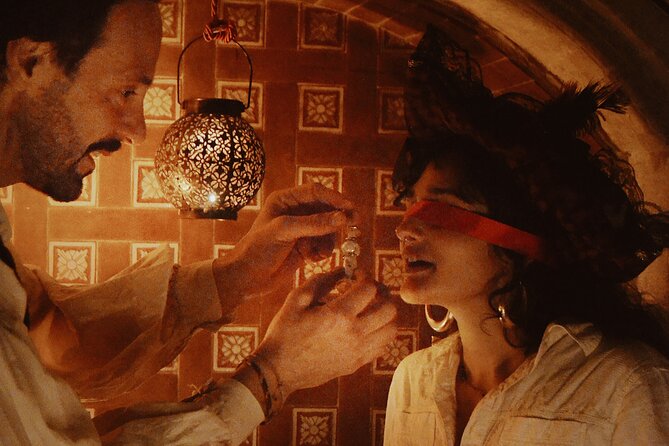
- Spices with purpose, including saffron, cumin, fennel, nutmeg, turmeric, cloves, and citrus
- Three-course lunch in an ancient Venetian house, not a restaurant-style meal
- Unlimited homemade wine during the sitting
- Small-group feel for a more personal cooking and dining pace
Rialto Market Shopping: Where Venetian Spice Starts
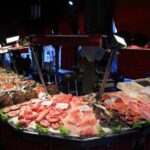
Your day kicks off around the Mercati di Rialto area near Rialto, right where locals and food people do their daily browsing. If you pick the option that includes the market tour, you’ll get time to look, ask, and choose ingredients with a local guide who understands what matters in the kitchen.
This part is more than shopping. It teaches you how Venetian cooking thinks: freshness first, then flavor building. You’ll see how cheese, cured meats, honey, fruits, and even edible flowers fit into a meal that is as much about balance as it is about taste. And since spices are the theme, the market stop helps you connect those spice jars to actual foods you’ll cook later.
A practical note: the market area can be crowded. Plan to slow down, look around, and accept that you’ll spend part of the morning navigating stalls and narrow spaces. It’s part of the point.
You can also read our reviews of more tours and experiences in Venice.
Cooking in an Ancient Venetian House with Massimo and Spice Trade Stories
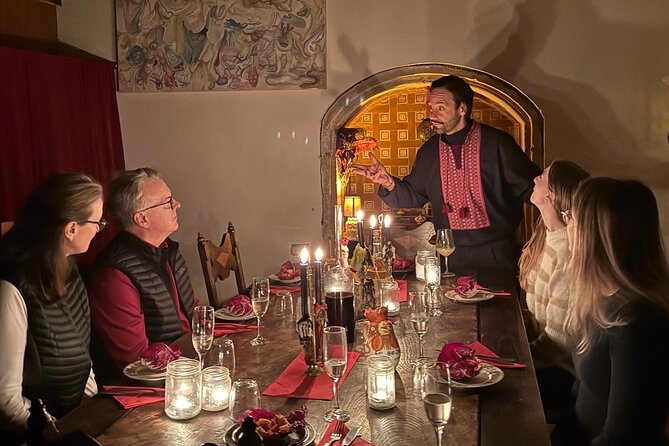
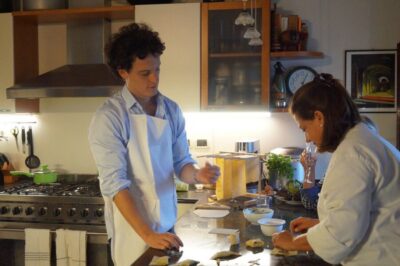
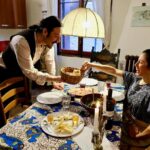
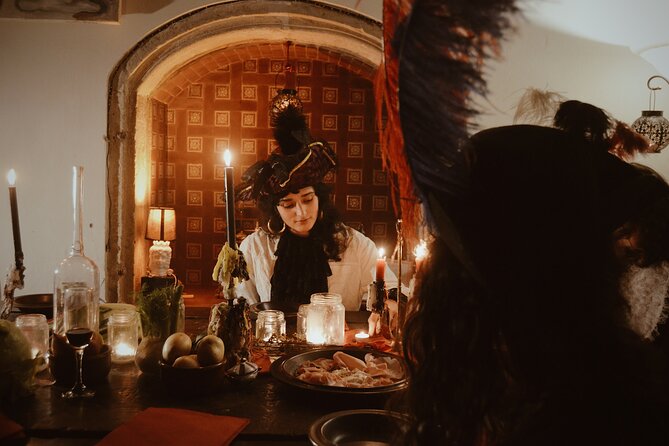
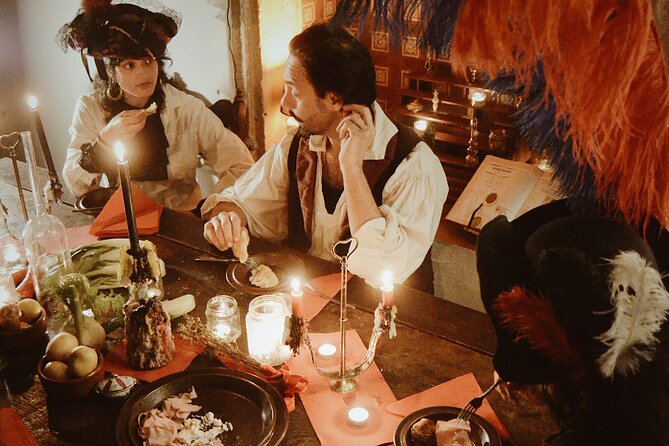
After the market, you head to a real Venetian home to cook. This is one of the biggest value drivers in the experience: you’re not doing the class in a demo kitchen. You’re in an older house where the cooking feels tied to the daily rhythms of a neighborhood life.
Inside, the focus stays on spices and how they traveled. Venice was a crossroads for spice trade, and that theme shows up in the way the host talks about cumin, saffron, and other warming spices. You learn why a spice shows up in a sauce, a salad, or a sweet application like marmalade. It’s the difference between tasting spice and understanding it.
The host connected with this experience, Massimo, is known for mixing cooking with history and humor. In a class like this, that matters. When someone explains what you’re tasting and why, you leave with a mental recipe. That’s what lets you recreate the meal later instead of just remembering the food.
Handmade Pasta, Pesto, and Seafood Sauces: What You Actually Make
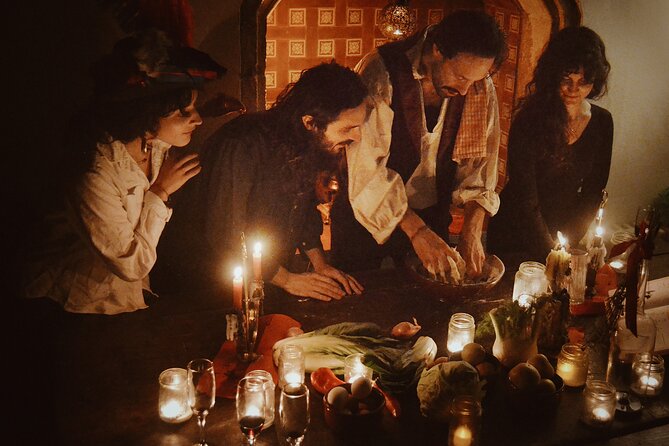
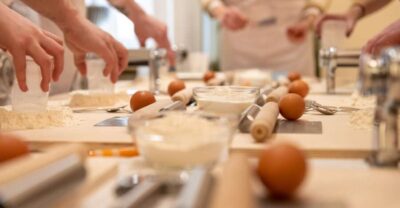
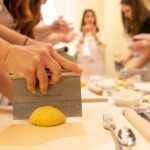
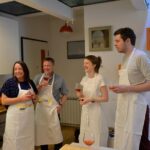
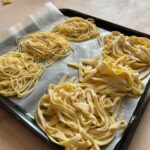
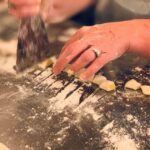
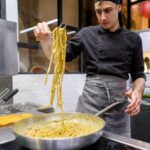
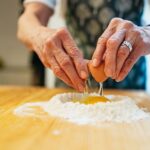
The main skill here is making fresh handmade pasta, not just watching a video of someone else do it. You’ll work at the pace of a small group, so you actually get hands-on time.
Your pasta can go in different directions depending on the choices you make together. One option is a fresh pesto style with rucola pesto (arugula pesto). Another path is a seafood-forward sauce approach, where spices and aromatics help carry flavor without overpowering the fish.
The spice lesson stays tied to technique. You might use warming spices like nutmeg, turmeric, and cloves in a sauce, and the menu examples also include citrus and a more bold seafood direction like local shark (the exact seafood choice can vary based on what the group decides). The point for you is the same either way: spices aren’t random. They’re chosen to work with fat, herbs, and the specific ingredients in front of you.
Also, you’re not just learning pasta. You’re learning how Venetians think about pairing: herbs and greens with fat, delicate seafood with gentle spice lift, and strong savory items with sweet touches later on.
Starter and Sides: Salads, Edible Flowers, Cheese, and Marmalade
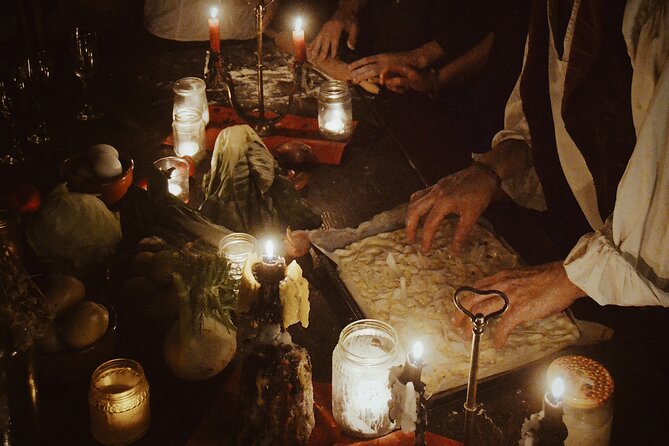
Venetian meals here start with freshness and then build. The starter ideas include fresh salads from the market, plus flavor notes like cumin and fennel. You might also see edible flowers show up, which sounds fancy until you realize it’s mostly a way to add perfume and color without extra heaviness.
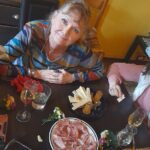
Then you move into regional tastings—cheese, salami, honey, and marmalades. If you like the sweet-and-savory idea, you’ll probably love the menu examples such as mandarin marmalade with chili and saffron. It’s a great example of how spices can live in both savory and sweet worlds in the same meal.
These early courses matter because they teach you to taste in layers. Instead of thinking one dish equals one flavor, you start thinking about how salt, fat, fruit, and spice connect across the table.
Focaccia and the Three-Course Finish: Wine, Ricotta, and Ancient Flours
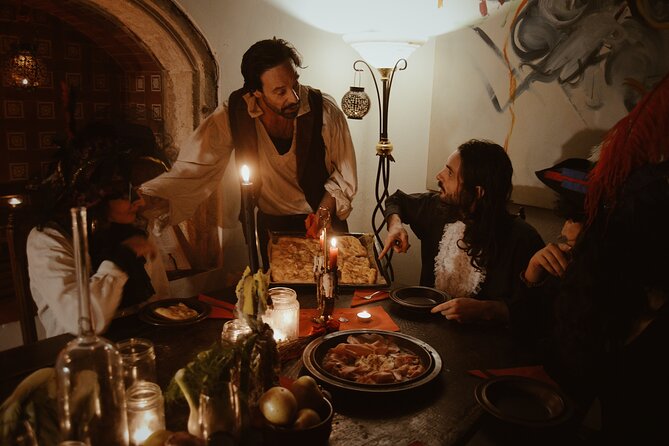
The meal doesn’t stop at pasta. You can expect a second main component featuring focaccia, made with ancient types of flours, plus rosemary and other flavors. Focaccia is the kind of bread/flatbread that has been around for centuries, and the class frames it as a link between old and current Venetian eating.
At this stage, homemade wine is part of the sitting, and the experience includes unlimited wine. That’s a big perk for value, but it also changes the vibe. You’ll eat longer, talk more, and get into the mood where people share stories about what they’re learning at the stove.
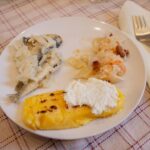
Dessert leans into spice again, which is exactly what makes this class feel cohesive. Menu examples include fresh ricotta, honey, figs, hazelnuts, plus touches like turmeric and lavender. It’s sweet, but it’s not one-note. The spice hints echo what you learned earlier, so the whole afternoon feels like one connected lesson.

Allergies and Dietary Limits: What Is and Isn’t Covered
The experience is set up so you can handle restrictions, at least to a point. The class states that allergies or dietary restrictions can be customized, so it’s worth flagging your needs during booking.
The big red line is clear: it is not suitable for celiacs. That means gluten-free travelers with celiac disease should skip this option. If you’re not celiac but still have restrictions, you may have more flexibility, but you’ll want to confirm what customization can be done before you go.
For many people, this is still a strong choice. It’s hard to find a cooking experience that takes dietary needs seriously while also making the meal feel like the real regional version.
Price and Value: Why $108.43 Can Be Fair Here
At $108.43 per person for about 3 hours 30 minutes, it’s not a bargain-priced snack class. But it is priced in a way that makes sense once you count what’s included.
You’re getting:
- A guide
- Cooking in an ancient Venetian house
- A three-course lunch
- Unlimited homemade wine
- A market component (when you choose the market tour option)
Most casual food tours give you tasting stops. This gives you ingredients, technique, and a full meal you can sit down to. That combination usually adds up to good value if you like learning how food works, not just eating it.
You’ll also feel the small-group aspect. With a max of 20, you’re more likely to get attention at the stove and keep the pace from turning into a fast assembly line.
Planning Your Morning: Timing, Walking, and Getting There
You’ll start at Campo San Giacomo di Rialto, and the activity ends back at the meeting point. The tour doesn’t include private transport or hotel pickup, so plan to make your own way there using public transit. The meeting point is described as near public transportation, which is helpful.
The class is also described as requiring good weather. That makes sense because the market portion and the movement between areas depend on being outside. If Venice weather goes sideways, you may be offered another date or a refund.
What to wear: think walking shoes and something light but layered. You’ll be in and around market conditions and then moving through streets to a home kitchen.
Who This Tour Is For (and Who Should Skip It)
You’ll likely enjoy this most if you:
- Want a hands-on Venice cooking class (not just watching)
- Like learning about spices and regional flavor logic
- Prefer eating in a home setting rather than only in restaurants
- Want a small-group meal with a social table vibe
I’d skip it if:
- You have celiac disease, since it is not suitable
- You’re looking for a low-walking, sit-and-sip experience
- You hate markets and prefer strict restaurant schedules
Should You Book Ancient Venice and Its Spices?
If you want Venice through food—ingredients, spice, technique, and a real meal—this is a strong bet. The combination of Rialto Market shopping, cooking in an ancient home, and finishing with a structured three-course lunch with unlimited homemade wine makes it feel like more than a standard class.
Book it if spices are part of what you love about Italy, and you enjoy learning from a host like Massimo who mixes cooking with stories. Skip it if you’re a celiac traveler or you need hotel pickup and zero walking. Otherwise, it’s a morning-to-lunch experience that leaves you with both full plates and a clearer sense of how Venetian flavors connect.
FAQ
How long is the cooking class and market tour?
It runs about 3 hours 30 minutes.
What is the price per person?
The price is listed at $108.43 per person.
Is the tour offered in English?
Yes, it is offered in English.
Where do I meet, and where does it end?
You meet at Campo San Giacomo di Rialto and the activity ends back at the meeting point.
Is the market tour included?
The market tour is included if you select the option for it.
Is the group small?
Yes. The experience has a maximum of 20 travelers.
Is lunch included?
Yes. Lunch is included, and you’ll enjoy a three-course meal.
Can they accommodate allergies or dietary restrictions?
They state that allergies or restrictions can be customized for the menu.
Is it suitable for celiacs?
No. It is not suitable for celiacs.