REVIEW · VENICE
Rialto Market & Seafood Cooking Class in Murano
Book on Viator →Operated by deTourist Venice Valerio Coppo · Bookable on Viator
Seafood starts with chaos and ice. The Rialto fish market walk with Valerio Coppo (deTourist Venice) is one of the best ways I know to see how Venetians shop at the Pescheria, then you cook your own lunch in a canal-view kitchen on Murano using the fish you picked. I love the choose-and-cook flow and the menu’s clear focus on fish, including spaghetti alla busara and oven-baked seabass. The only drawback is the market itself: it is loud, crowded, and intensely fishy.
You start at Campo San Giacomo di Rialto at 11:30 am, then you cross the Canal Grande by gondola ferry and head toward Murano by a short walk and vaporetto. The whole experience runs about 3 hours, which makes it a great fit if you want a real food moment without eating up your entire day.
In This Review
- Key points I’d circle before you book
- A Pescheria Market Tour That Feels Like Venice in Motion
- From Rialto to Murano: Gondola Ferry, Calli Walk, Vaporetto
- Choosing Fish at Rialto: What the Guide Helps You Get Right
- The Canal-View Kitchen Lesson: Prosecco to Plating
- Your 3-Course Seafood Menu: Busara, Seabass, and Moka Coffee
- Alcohol, Lunch Flow, and the Pace of a 3-Hour Class
- Small Group Size (Max 5) and Why It Matters
- Price and Value: What You’re Paying For
- Who Should Book This Murano Seafood Class
- Should You Book Rialto Market & Seafood Cooking Class in Murano?
- FAQ
- FAQ
- Where does the tour start?
- What time does it start?
- How long is the experience?
- How many people are in the group?
- What language is the tour offered in?
- What’s included with lunch?
- Do I need to buy transport to Murano?
- What dishes are on the sample menu?
- Is there an access fee for some visitors?
Key points I’d circle before you book
- Pescheria shopping with a local guide helps you pick fish with confidence (and see the market’s two-hall layout in action)
- Gondola ferry crossing the Canal Grande adds a very Venetian in-between moment before the cooking starts
- Small group capped at 5 means more hands-on time and less waiting around
- Cooking with canal views in Murano turns the lesson into a mini sightseeing break
- A fish-forward menu includes spaghetti alla busara plus oven-baked seabass with potatoes
- Prosecco, wine, and moka coffee are part of the lunch flow, not an add-on
A Pescheria Market Tour That Feels Like Venice in Motion
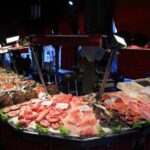
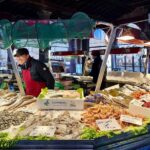
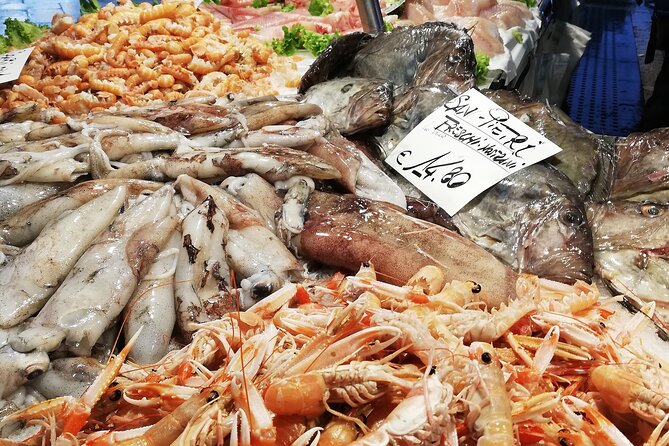
Rialto’s fish market, the Pescheria, is not a museum scene. It is noisy, raw, and very alive—crushed ice, fish arranged on stalls, and seagulls weaving between fishmongers calling out today’s catch. That energy matters because it sets the tone for the whole class. You are not just learning recipes; you’re watching how Venetians actually choose seafood.
What you gain here is context. You see how fish is displayed and handled, and you learn what a good selection can look like when it’s still cold, fresh, and at the center of daily life. The experience also includes time for visit and shopping in the market, so you get to participate rather than just stand and watch.
Practical note: the market experience is intense on purpose. If you’re sensitive to strong smells or tight space, plan your attitude accordingly. Go in ready for chaos, and you’ll come out charmed by how real it feels.
You can also read our reviews of more tours and experiences in Venice.
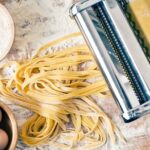
From Rialto to Murano: Gondola Ferry, Calli Walk, Vaporetto
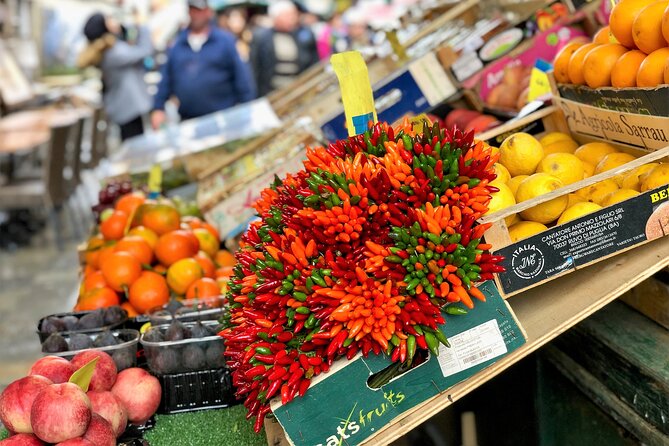
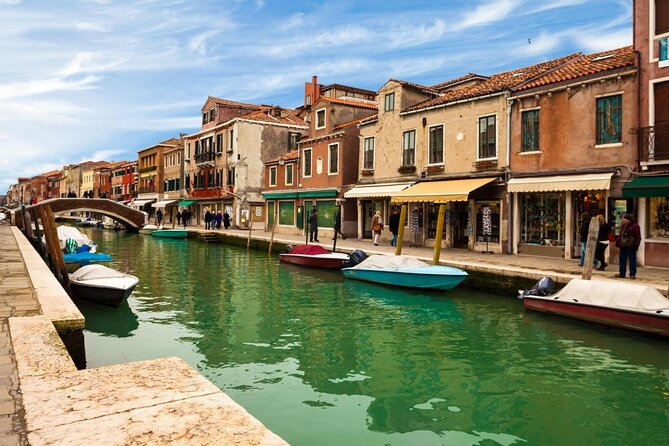
After the market, you head toward Murano. You’ll cross the Canal Grande on a gondola ferry, and the timing is the fun part: it often feels like you’re moving with locals who are heading home. Once you’re over, there’s about a 15-minute walk through smaller Venetian streets (the calli), leading you to Fondamente Nuove.
Then it’s the short vaporetto ride to Murano. The mix of transport styles is actually a strength here. Venice can feel like a maze from the outside, so experiencing a gondola ferry crossing and then switching to the vaporetto helps you understand the city’s rhythm in a practical way.
One logistics thing to remember: the water bus ticket to Murano isn’t included. You purchase it on board, so you’ll want to have cash or payment ready where you board.
Also, start early enough that you’re not rushing. This class begins at 11:30 am, and you’ll want your energy for the walk and the cooking later.
Choosing Fish at Rialto: What the Guide Helps You Get Right
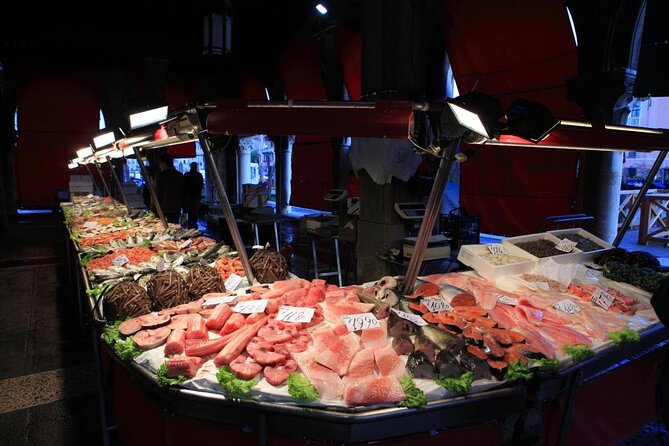
This is the moment that makes the whole tour feel worth the money. The experience isn’t just a cooking class in a pretty setting. It starts in the Pescheria with guidance on selecting fish, which then becomes the ingredient for your meal.
With a small group—maximum 5 people—you’re more likely to get real attention while you browse. The guide helps you find good options and keeps the process moving, so you’re not stuck deciding while everyone else waits. You also learn to read what’s in front of you: how fish is presented on ice and how vendors speak about what’s fresh that day.
I also like that the market time is framed as both a visit and a shopping experience. You’re not required to become a seafood expert, but you get to practice choosing. That matters because it changes your relationship with the food once you’re back in the kitchen.
If you love seafood, this part is the payoff. If seafood is only a “maybe” for you, it can still work, since the menu includes multiple fish-centered dishes and you’ll learn what makes Venetian seafood cooking different.
The Canal-View Kitchen Lesson: Prosecco to Plating
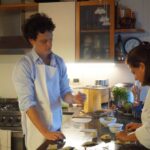
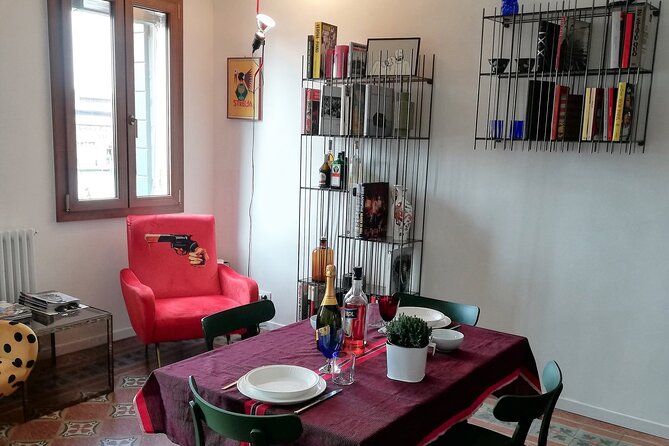
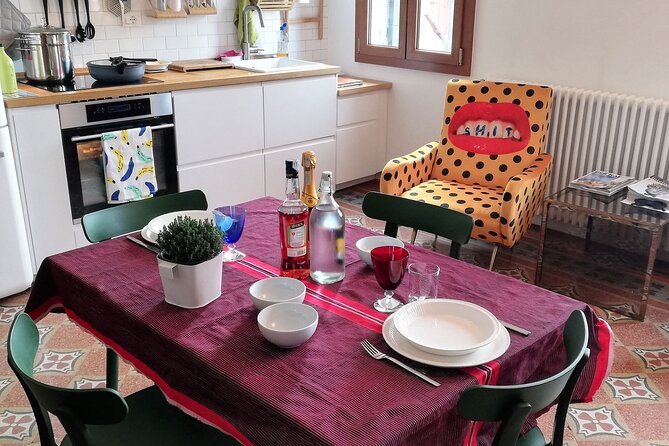
The cooking portion happens in Murano in a kitchen that overlooks a canal. That view is more than decor. It breaks up the day between the market’s noise and the meal you’re about to eat, and it makes the lesson feel like a real moment rather than a quick assembly line.
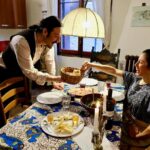
You’ll taste drinks as you cook. The experience includes Prosecco and wine, plus an aperitivo-style drink option tied to the menu (spritz). You’ll also get appetizers while you settle in and get oriented. In other words, you’re not waiting for the first bite.
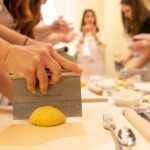
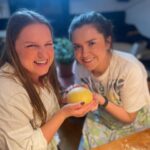
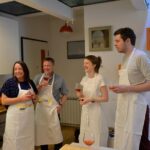
The class format is built around teamwork. You cook together, you watch key steps, and you come back to the big question: did your market choice work well? That’s why the lunch feels connected to the morning. You’re not eating something generic prepared regardless of what you did. Your selection is part of the story.
One consideration: because the group is small but the lesson is active, it helps to be comfortable standing and moving around for a few hours. If you prefer a totally hands-off experience, you may find the participation level a bit more than you expected.
Your 3-Course Seafood Menu: Busara, Seabass, and Moka Coffee
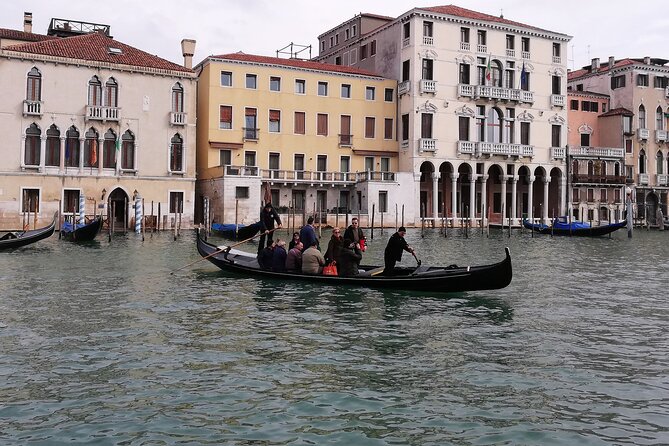
The menu is where this class earns its reputation among fish fans. You’re looking at three courses designed to show different sides of Venetian seafood cooking, not just one “fish of the day” plate.
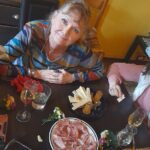
Starter: sundried tomatoes and mixed Italian antipasti, paired with spritz and other aperitivo moments. This gives you a lighter start and a chance to settle in before the main courses.
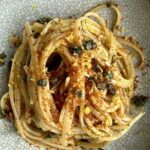
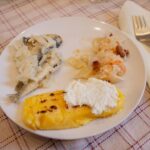
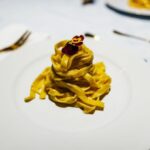
Main course 1: spaghetti alla busara—spaghetti with tomatoes and stewed clayfish. This is a Venetian classic recipe, and it’s interesting because it highlights the sauce and technique as much as the seafood. It’s the kind of dish that teaches you how flavor builds in a Venetian kitchen: tomatoes, slow cooking, and seafood depth.
Main course 2: oven-baked seabass with potatoes. Oven baking helps preserve the fish’s fresh character while letting herbs and spices do their work. You get that “simple but done right” effect—something you can picture making at home even if you don’t replicate every ingredient.
Dessert: moka brewed coffee with local liquors. The experience ends with a moka coffee moment, which is a very Italian way to close the meal. It’s strong and focused, and it fits the pace of the day.
If you’re a seafood lover, this menu checks several boxes: sauce-based comfort (busara), direct fish flavor (seabass), and a classic Italian coffee finish.

Alcohol, Lunch Flow, and the Pace of a 3-Hour Class
This is a 3-hour experience, and the structure makes sense: market first, then transit, then cooking, then lunch. You’re not spending half your time traveling around Venice, but you still get that satisfying “morning market to afternoon meal” arc.
Drinks are included—Prosecco and wine—and the menu also features spritz and aperitivo-style moments. You’ll taste them while you cook and eat, not just after. Coffee and local liquors are included with dessert, so the end of the experience feels complete rather than cut short.
The pacing is also smart for Venice. The city’s major sites can swallow your day, even when you do them slowly. Here, you’re guaranteed a focused food plan. That’s one reason I’d recommend it to people who want something authentic but don’t want to spend hours decoding menus, finding the right shop, and figuring out transport.
If you’re the type who likes to linger, 3 hours can feel short. Still, for a hands-on seafood class, it’s a reasonable length and you get a full three-course meal.
Small Group Size (Max 5) and Why It Matters
The tour caps at 5 travelers, and that changes everything about the experience. In a small group, you can actually talk to the guide while you browse in the Pescheria. You’re also more likely to get hands-on attention during the cooking process.
This size also makes the day feel less chore-like. Instead of moving like a unit, you move at a human pace. You’ll also have an easier time keeping track of what you’re doing—fish selection, then cooking steps, then plating and eating.
Another value point: the group limit fits the theme. Seafood shopping and cooking are details-heavy. A small group helps you notice those details rather than racing through them.
This is also why the experience is so popular. It’s commonly booked far in advance—about 252 days ahead on average—so if you’re serious about going, don’t treat it like a last-minute option.
Price and Value: What You’re Paying For
At $342.07 per person, this isn’t a cheap activity. But you’re buying a lot of what’s usually extra in Venice: market time with a guide, gondola ferry crossing, a canal-view cooking setup, and a full lunch.
Here’s what’s included in the experience:
- Lunch as a 3-course meal
- Prosecco and wine
- Coffee (moka) and local liquors
- Gondola ferry crossing the Canal Grande
- Tour leader and interpretive guide
- Visit and shopping at Rialto fish market
When you add it up, the price starts to look more like a packaged “food day” than a basic class. You’re not just paying for the stove time. You’re paying for the morning seafood expertise, the transport component, and the meal that follows.
Balanced take: you’ll want to be comfortable with market conditions (noise, smells, crowds) and you’ll also want to genuinely like fish. If you’re only lukewarm about seafood, the value drops because the whole experience is built around fish selection and fish-centered dishes.
Who Should Book This Murano Seafood Class
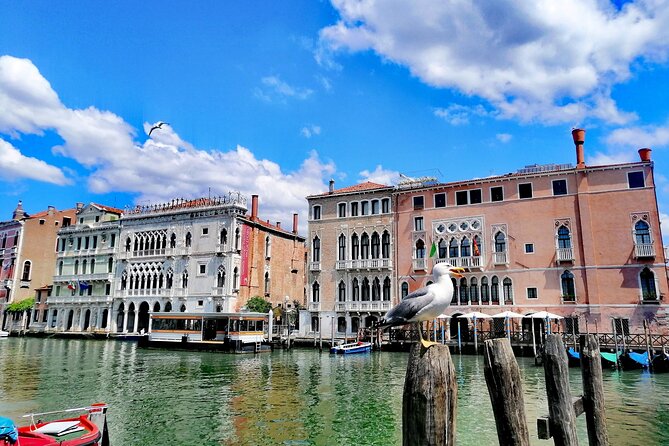
This is ideal if you:
- Love seafood and want to learn how it’s selected and cooked in Venice
- Want a small-group experience with real attention
- Prefer hands-on food learning over museum-style sightseeing
- Like the idea of combining Rialto market culture with Murano’s calmer side
It may be less ideal if you:
- Don’t enjoy busy, loud indoor market spaces
- Prefer light meals and a low-alcohol day (this includes alcohol)
- Want a totally relaxed walking pace with no hands-on cooking
Language-wise, the experience is offered in English, and it includes a mobile ticket. Service animals are allowed, and the meeting point is near public transportation, which helps if your travel day is a bit messy.
Should You Book Rialto Market & Seafood Cooking Class in Murano?
I’d book it if you want a Venice food experience that feels grounded in daily life, not just a show. The strongest part for me is the logic of the day: you pick seafood at Rialto, then you cook it and eat it in Murano while sipping drinks and looking out at the canal.
Yes, it’s pricey, but the inclusions are substantial: gondola ferry, guided market time, a three-course lunch, and the coffee-and-liquor ending. If you’re traveling during a period when bookings fill up, don’t wait—this one is scheduled far in advance on average.
If you’re on the fence, ask yourself one thing: do you want to spend your Venice time eating great seafood you helped choose? If the answer is yes, this is a great call.
FAQ
FAQ
Where does the tour start?
You meet at Campo San Giacomo di Rialto (Campo S. Giacomo di Rialto, 30125 Venezia VE, Italy).
What time does it start?
The start time is 11:30 am.
How long is the experience?
It lasts about 3 hours.
How many people are in the group?
The group is limited to a maximum of 5 travelers.
What language is the tour offered in?
The experience is offered in English.
What’s included with lunch?
Lunch is a 3-course meal, and it includes Prosecco and wine, plus moka coffee and local liquors.
Do I need to buy transport to Murano?
The water bus ticket to Murano is not included. You purchase it on board.
What dishes are on the sample menu?
The menu includes spaghetti alla busara, oven-baked seabass with potatoes, and dessert with moka brewed coffee & local liquors, plus a starter of sundried tomatoes and mixed antipasti.
Is there an access fee for some visitors?
On certain dates, some people staying outside Venice who are visiting for the day may need to pay a €5 access fee. Check the official details for applicable days and exemptions.