REVIEW · HANOI
Hanoi Cooking Class
Book on Viator →Operated by Vietnam Awesome Travel · Bookable on Viator
Hanoi’s smells start before you even cook. This half-day class pairs a local market walk with hands-on cooking in a private home by an English-speaking chef, and you get to sit down for a lunch or dinner made from what you prepared. The biggest thing I like is the shopping-to-skillet flow, and second is the practical, taught-from-scratch focus on marinating and spice—though the hotel pickup can be limited if you’re farther out of the Old Quarter area.
You also get that Hanoi feeling of real life in someone’s home kitchen. The schedule runs about 3 hours (either 9:00–12:00 or 15:00–19:00), and it stays small, with a maximum of 10 travelers. One possible drawback to plan around: the class is in the Old Quarter/Hoan Kiem Lake zone, so choose accommodation nearby if pickup matters a lot to you.
In This Review
- Key Highlights Worth Your Time
- Why This Hanoi Cooking Class Feels More Like a Home Visit
- Morning vs Evening Timing: How the 3 Hours Actually Work
- Getting to the Market: The Part You Shouldn’t Skip
- Back at the Chef’s Home: Marinating and Spicing Lessons That Stick
- The Kitchen Setup: Why Small Group Cooking Matters
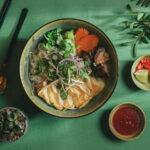
- Dishes and Details: From Sauce to Plate Garnish
- What You Eat: Lunch or Dinner You Help Create
- Pickup and Drop-Off: Convenience, With a Real-Life Limit
- Price and Value: Why $45 Can Make Sense in Hanoi
- Who This Class Is Best For
- What to Bring and How to Prepare
- Should You Book This Hanoi Cooking Class?
- FAQ
- How long is the Hanoi cooking class?
- What time slots are offered?
- Does the tour include hotel pickup and drop-off?
- Do I visit a market before cooking?
- Is the cooking hands-on or mostly observation?
- What do you eat during the class?
- Is the instruction in English?
- Will I get recipes to take home?
- Is there free cancellation?
Key Highlights Worth Your Time
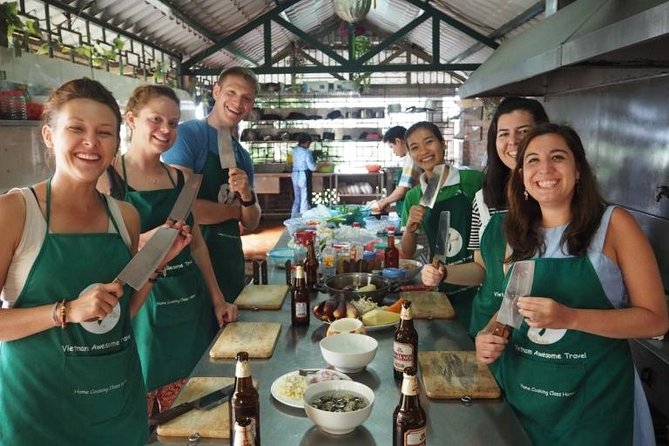
- Market walk first to pick real ingredients like herbs, spices, meats, fish, and fruit
- Hands-on cooking in a private home (with a view of the river from the kitchen)
- Marinating and spicing lessons taught from start to finish, not just theory
- A made-easy fish sauce-based magical sauce (fish sauce, sugar, lime, chili, garlic, herbs, and a bit of water)
- Easy decoration skills like carrot flowers, lemon grass stems, banana leaves, and curved chili
- Meal of what you cook, served with beverages, plus a recipe handout if you want it
Why This Hanoi Cooking Class Feels More Like a Home Visit
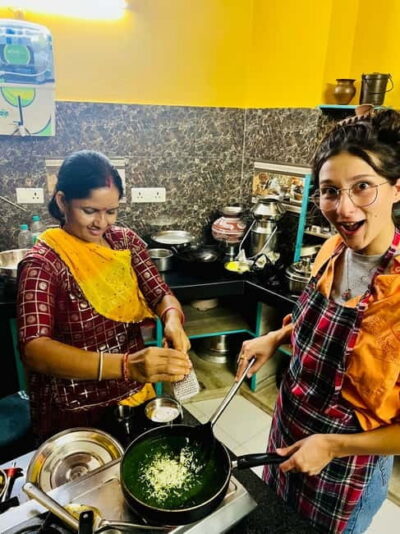
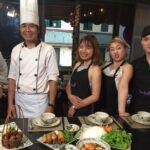
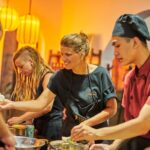
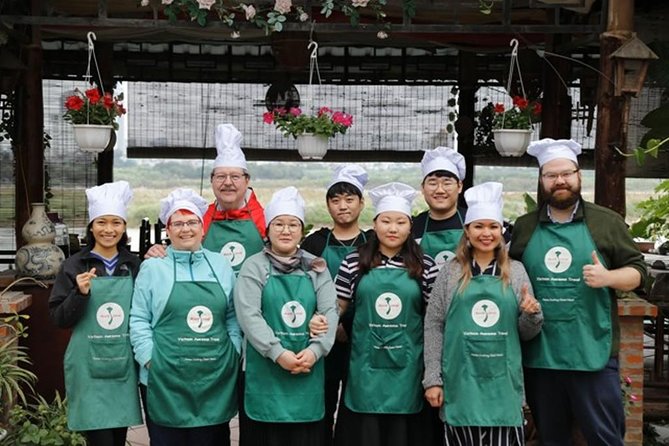
If you’ve ever done cooking classes where you mostly watch, this one is set up to fix that. You start with a guided walk to a local market, then you return to the chef’s home kitchen and cook through the steps yourself, with instruction the whole time. That rhythm matters. It turns Vietnamese ingredients from random items into flavors you can actually control.
I especially like that the class isn’t just about learning dishes—it’s about learning technique. The chef highlights what to do first (marinating), what to adjust next (spice balance), and what to build with the sauce base. By the time you eat, you’re not guessing. You’ve already practiced the key moves.
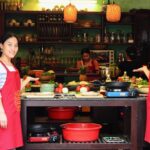
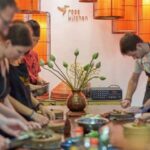
The other win: the setting. Cooking happens in a kitchen in a private home, and the overview notes a view of the river. Even if you’ve done plenty of classes elsewhere, this feels more grounded because you’re working in real domestic space, not a studio.
You can also read our reviews of more tours and experiences in Hanoi.
Morning vs Evening Timing: How the 3 Hours Actually Work
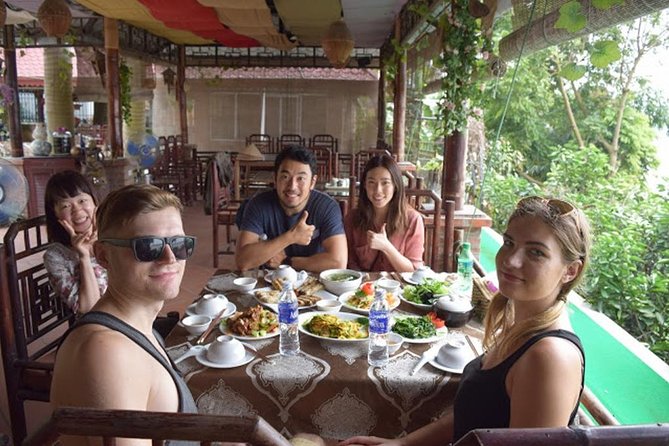
You’ll choose between two time blocks:
- 9:00–12:00 (morning class, typically lunch)
- 15:00–19:00 (afternoon/evening class, typically dinner)
Both follow the same core flow. The chef picks you up in the Old Quarter area, you head to the market on foot (about 30 minutes of walking), you shop for the ingredients, then you return home to cook. The meal happens around 11:00 for the morning session, followed by transfer back to your hotel by 12:00.
That timing is a sweet spot for a short Hanoi visit. Three hours is long enough to learn meaningful skills, but not so long that it wrecks your day. If you’re trying to fit in sights plus food, this is one of those activities that actually helps your itinerary rather than competing with it.
Getting to the Market: The Part You Shouldn’t Skip
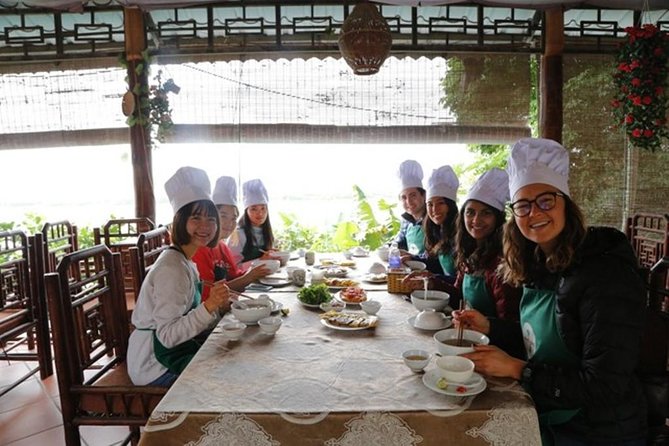
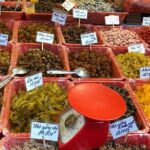
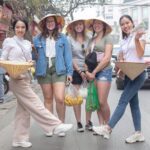
This is the first big reason the class feels worth it. Around 9:00, the chef picks you up from your hotel in the Old Quarter. Then you walk to the market for about 30 minutes, which gives you an easy way to orient yourself to Hanoi food culture.
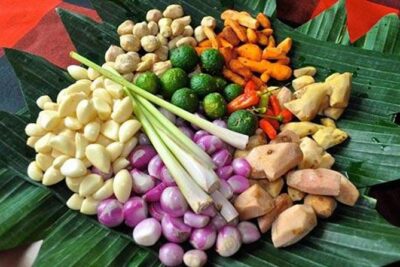
What I like here is the ingredient scanning. You’ll get a guided look at local foods across categories: herbs, spices, vegetables, meats, fish, and fruit. The information isn’t just about names. It’s about what these ingredients do in Vietnamese cooking—how they work together and why you’d choose one over another.
You’ll also complete shopping with the group. That matters because when you get back home, you’re not cooking with vague pantry ingredients. You’ve already seen what you’re using and learned what to look for.
Potential snag: you’re walking to the market. It’s not described as difficult, but you should assume you’ll cover a bit of distance on foot. Wear comfortable shoes and be ready for street noise and smells—part of the point.
Back at the Chef’s Home: Marinating and Spicing Lessons That Stick
Once you return home, the class shifts from shopping to technique. The chef-instructor guides you from the beginning to the end, so you’re not left alone with a cutting board and a prayer.
The central lesson is described clearly: marinating and spicing are the crucial steps. That’s exactly the kind of knowledge that makes cooking at home easier later. Marination is where Vietnamese flavors often lock in, and spices are where you make the dish taste like it’s supposed to taste, not like something you guessed.
One of the most practical parts is the discussion of the sauce base. You’ll learn how to make a simple, “magical” mix based on:
- fish sauce
- water
- sugar
- lime
- chili
- garlic
- herbs
Even if you’re not chasing perfection, learning how these ingredients balance is gold. Fish sauce adds the savory depth, sugar smooths the edges, lime brings the sharpness, and chili plus garlic carries the heat and aroma. That balance is what makes Vietnamese food feel layered without requiring complicated cooking equipment.
The Kitchen Setup: Why Small Group Cooking Matters
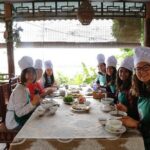
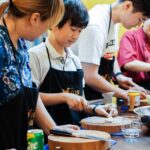
This class runs with a maximum of 10 travelers. For a cooking experience, that size changes everything. It means you can actually ask questions, get feedback, and stay engaged without standing around waiting your turn.
It also supports a more personal teaching style. One of the standout notes from past participants is that the chef treated them like family in the home. While I can’t guarantee the same warmth for every visit, the home-based format and small group size are exactly what create that vibe.
And because it’s an English-speaking chef, you should feel comfortable even if you’re not confident with Vietnamese food terms. The teaching is focused on what you need to do with your hands, not just what to memorize.

Dishes and Details: From Sauce to Plate Garnish
The class includes making several dishes, and you’ll get the chance to cook them yourself. One of the fun, hands-on parts is the decorating training.
You’ll practice presentation details like:
- carrot flowers
- lemon grass stems
- banana leaves
- curved chili
This might sound small, but it’s actually part of why Vietnamese plates look the way they do. Learning these garnish techniques also helps you understand portioning and balance. You’re not just cooking to taste; you’re cooking to look right, too.
The sauce lesson also feeds directly into the final meal. Since you’re making the sauce base during class, you’ll taste it at the table with context. That makes it easier to remember what to adjust next time—more lime for brightness, more sugar to smooth out sharpness, or more garlic/chili for aroma and heat.
What You Eat: Lunch or Dinner You Help Create
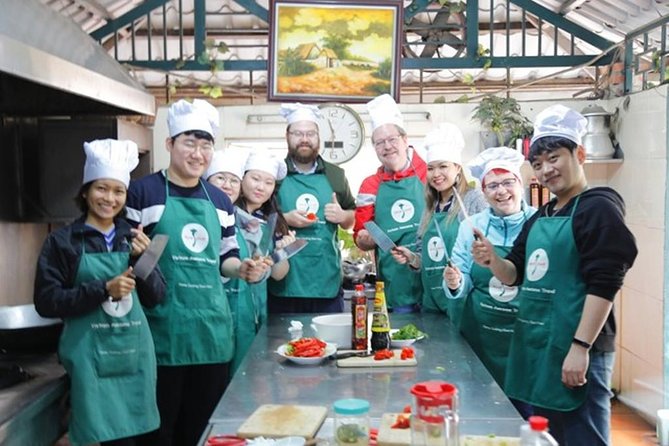
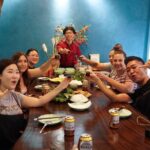
At about 11:00 in the morning session, you’ll sit down and enjoy the meal. The description is straightforward: you eat the foods you helped to make, with beverages included.
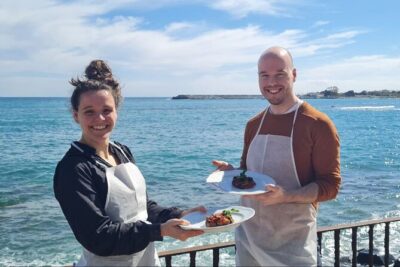
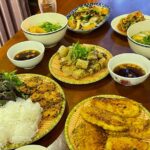
That’s the payoff. Many cooking classes end with a plate you didn’t really control. Here, the meal is the proof of your work. You’ll taste what you marinated, what you seasoned, and what you plated with those little garnish touches.
Practical tip: even if the meal is included, don’t treat this as a substitute for a full day plan. Three hours is tight. I recommend keeping your next major activity flexible, because you’ll likely want time afterward to relax or wander—especially if you’re heading back into the Old Quarter.
Pickup and Drop-Off: Convenience, With a Real-Life Limit
Hotel pickup and drop-off are included, and the chef meets you in the Old Quarter/Hoan Kiem Lake area. The description also points out a distance limit: pickup is offered for hotels within about 4 km of that area.
Here’s the practical way to think about it: if your hotel is close, this is one of those low-friction experiences that feels easy. If your hotel is farther out, you could be asked to adjust pickup, or you may need to plan an alternative meeting point. One past experience highlighted a situation where the accepted pickup didn’t end up matching a farther hotel address. That’s not something you want to gamble on.
Before booking, I’d check your exact hotel location relative to Hoàn Kiếm/Hoan Kiem Lake. If you’re unsure, send the provider your hotel name/address and ask for confirmation that pickup applies.
Also included: bottled water.
Price and Value: Why $45 Can Make Sense in Hanoi
At $45 per person, you’re paying for more than recipes. You’re paying for:
- market guidance (walking, ingredient selection, and context)
- hands-on cooking instruction from an English-speaking chef
- cooking in a private home kitchen
- meal (lunch or dinner) and beverages
- hotel pickup/drop-off within the stated area
- a recipe handout if you want it
For Hanoi, the value here comes from the combination. Many food tours either focus on tasting, or they focus on cooking with fewer extras. This format connects the dots: you see the ingredients, learn what matters, cook with it, and then eat it.
And the small group size (up to 10) helps justify the price because it supports individualized help in a home kitchen. You’re less likely to feel like a spectator.
One more value note: on average, this is booked about 16 days in advance, which suggests it’s popular. If your travel dates are fixed, don’t wait too long.
Who This Class Is Best For
This is a good fit if you want real skill, not just a fun food story. Specifically, you’ll enjoy it most if:
- you like practical lessons you can repeat later
- you’re interested in how Vietnamese flavor balance works (especially marinating and sauce)
- you want an experience that’s intimate (small group, private home)
- you’d rather spend a morning or evening learning cooking than racing between sights
It’s also a great option for couples or solo travelers who want structured time without committing to a full-day tour.
If you’re expecting a long, multi-course cooking marathon with lots of free time, this one is shorter by design. It’s meant to be efficient and hands-on within about three hours.
What to Bring and How to Prepare
The essentials are pretty simple because the class includes the meal and bottled water. Still, a few common-sense ideas help:
- Wear comfortable shoes for the market walk.
- Bring a light layer if your evening slot is cool.
- Come hungry. You’re going to cook, then eat what you make.
- If you want the recipe handout, just ask when you’re there.
Also, since pickup uses a mobile ticket, keep that accessible on your phone.
Should You Book This Hanoi Cooking Class?
I’d book it if you want the most useful kind of souvenir: a set of cooking habits you can repeat. The market portion gives context, and the home-kitchen format keeps it personal. The focus on marinating and spicing plus a fish sauce-lime-chili-garlic herb sauce base is the kind of learning that actually transfers to your next kitchen.
I’d think twice only if pickup convenience is essential and your hotel is outside the Old Quarter/Hoan Kiem Lake distance. If you’re staying close by, this becomes a low-stress, high-satisfaction experience—especially for first-timers who want Hanoi food to make more sense.
FAQ
How long is the Hanoi cooking class?
It runs for about 3 hours.
What time slots are offered?
There are two options: 9:00–12:00 or 15:00–19:00.
Does the tour include hotel pickup and drop-off?
Yes. Hotel pickup and drop-off are included for hotels in the Old Quarter or Hoan Kiem Lake area (about 4 km).
Do I visit a market before cooking?
Yes. You walk to a local market and shop for ingredients, with about 30 minutes of walking described before cooking at home.
Is the cooking hands-on or mostly observation?
It’s hands-on. You cook under the instructor’s guidance from the beginning to the end.
What do you eat during the class?
You eat lunch or dinner (depending on the time slot), made from the dishes you help prepare, and beverages are included.
Is the instruction in English?
Yes, the chef/instructor is described as English speaking.
Will I get recipes to take home?
Yes, a recipe is provided if you want it.
Is there free cancellation?
Yes, you can cancel up to 24 hours in advance for a full refund.