REVIEW · UBUD
Bali Amazing Cooking Class
Book on Viator →Operated by Dejulius Tour · Bookable on Viator
Wok lessons in Ubud start with a market. What makes the Bali Amazing Cooking Class feel special is how it mixes Balinese cooking with a real morning sightseeing loop—market, rice fields, then a home kitchen where you actually cook and eat. You also get a full transfer from your Ubud hotel, so you’re not spending your day figuring out rides.
What I like most is the hands-on pace: you’ll prep ingredients, cook with local tools, and sit down to a meal that’s built from what you just made. The second big win is the cultural context built into the day, including explanations about daily Balinese activity and how rice is grown.
One thing to consider: the market stop isn’t a huge shopping spree. If you want a massive, stall-after-stall market, you might find it smaller and more quiet than you’d hoped.
In This Review
- Key Things That Make This Ubud Cooking Class Worth Your Time
- Price and What You Actually Get for $34
- Morning vs Afternoon Pickup: How to Choose Your Timing
- Dejulius Tour Pickup and the Simple Start to Your Day
- Traditional Market Stop: What You Learn Before You Cook
- Rice Fields Visit: Seeing Where the Food Starts
- Balinese Home Kitchen: Tools, Welcome Drinks, and How the Day Feels
- Cooking the Dishes: Hands-On Pace and What Skills You Take Home
- Lunch or Dinner in Balinese Style: The Best Part Comes Last
- What to Bring: Don’t Overpack, but Do Bring the Right Stuff
- Group Size, Comfort, and the Air-Conditioned Break
- Weather Matters: Why Your Day Might Shift
- Where This Cooking Class Shines (and Where It Might Not)
- Who Should Book This Ubud Cooking Class?
- Should You Book the Bali Amazing Cooking Class?
- FAQ
- FAQ
- What time does the morning tour start?
- Is there an afternoon trip as well?
- How long is the Bali Amazing Cooking Class?
- What’s included in the price?
- What’s not included?
- Do I get hotel pickup?
- How many people are in the group?
- What should I bring?
- Is the class affected by weather?
- Can I cancel and get a refund?
Key Things That Make This Ubud Cooking Class Worth Your Time
- Hotel pickup in Ubud keeps the day simple and focused on food
- Market + rice fields gives you context before you cook
- Cook at a Balinese home instead of a showroom-style kitchen
- You eat what you make in a Balinese-style shared meal
- Recipes at the end help you recreate dishes at home
- Small-group feel (max 25) makes it easier to follow along
Price and What You Actually Get for $34
At $34 per person for about 5 hours, this class is priced in a way that feels fair for Ubud. You’re not just buying a cooking lesson; you’re also getting round-trip hotel transfers within the Ubud area, plus guided stops at a traditional market and rice fields.
Look closely at what’s included: cooking equipment and facilities, bottled water, all fees and taxes, and an air-conditioned vehicle. Lunch (or dinner, depending on your departure timing) is included too, which makes the meal cost effectively part of the experience.
Alcohol is not included, and you’ll likely want to bring cash for personal spending during stops. If you keep that in mind, the day tends to feel like a complete package rather than a “class-only” add-on.
You can also read our reviews of more tours and experiences in Ubud.
Morning vs Afternoon Pickup: How to Choose Your Timing
The morning trip starts with pickup in the Ubud area between about 8:00 and 8:30am, and you’ll usually head back to your hotel around 1:30pm. There’s also an afternoon option with pickup between roughly 3:00 and 3:30pm.
If you like a full day, the morning schedule is usually the best match. You get the market and rice fields in daylight, then you cook and eat before the heat peaks. If you’re already seeing temples or waterfalls earlier in the day, the afternoon timing can be a smart way to still fit in a cooking class.
Either way, plan on being outside part of the time. Bring sun cream and wear something comfortable for walking and uneven paths around market and rice areas.
Dejulius Tour Pickup and the Simple Start to Your Day
Your day begins with pickup from your hotel within Ubud (free pickup is listed for the Ubud area). The key practical point: you’ll need to provide your hotel or room number and the right place for pickup, plus a contact number that’s easy to reach.
Start time is listed as 8:00am, and the vehicle is air-conditioned. That matters more than you’d think in Bali—especially if you’re starting early and then moving between sights.
If you’re staying near public transportation, it can help with backup options, but the main plan here is that you’re collected by the operator. If your hotel is on the quieter side or your pickup spot is unclear, confirm your exact instructions before morning hits.
Traditional Market Stop: What You Learn Before You Cook
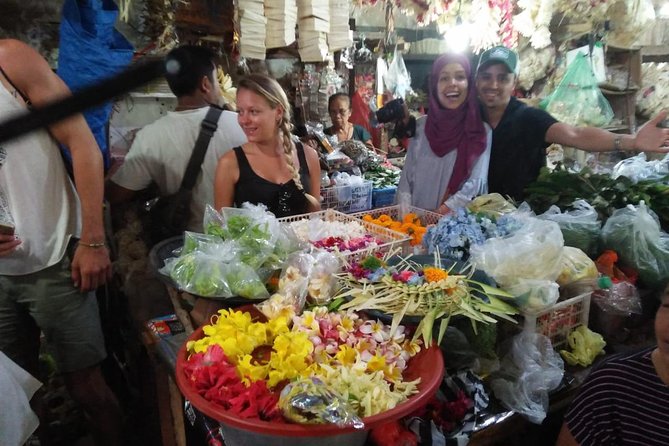
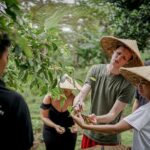
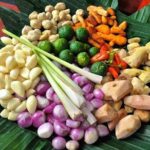
The market visit is more than a photo stop. The flow is built around explanations of Balinese daily activity, and you’ll learn what ingredients matter and why.
In practice, this is where the class earns its cultural credibility. You’re not only learning cooking steps; you’re understanding what Balinese cooks look for in the ingredients and how everyday life shapes meals.
One caveat: the market experience can vary a bit in feel. The activity level and number of stalls aren’t guaranteed to be massive, so if your idea of a market is high-volume, you might end up wishing for more variety. Still, this stop is valuable because it sets up the rest of the food lesson—you’ll be cooking with the ingredients you saw and discussed.
Rice Fields Visit: Seeing Where the Food Starts
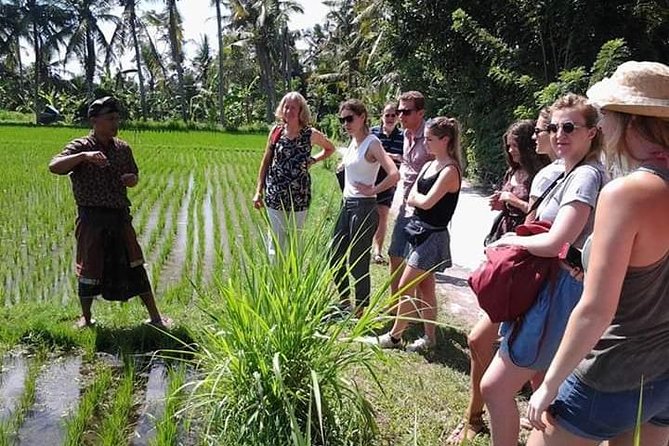
After the market, you head to the rice fields. Here, the focus is on explanation—how rice is grown and what the farming setup looks like in daily use.
This stop pairs really well with a cooking class, because you start thinking about flavor as something rooted in local production. Even if you’ve seen rice terraces in Bali before, the explanation helps you connect the cooking lesson to the food source.
Wear shoes you don’t mind getting a little dusty. Rice-field edges can be uneven, and you’ll want stable footing while you pause for photos and listen to the guide.
Balinese Home Kitchen: Tools, Welcome Drinks, and How the Day Feels
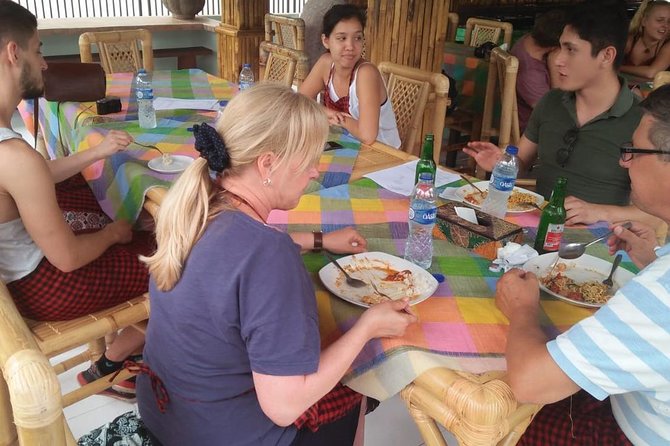
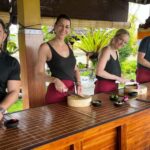
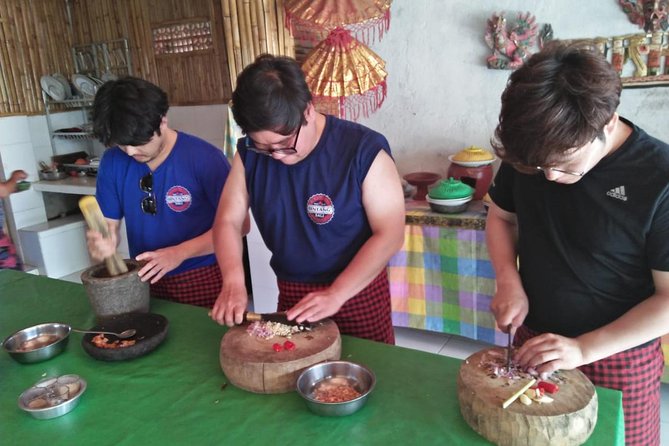
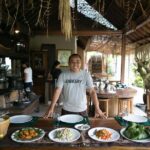
The cooking portion happens in a Balinese house, not a sterile classroom. That difference is the whole point. You’re stepping into the setting where cooking is part of everyday life.
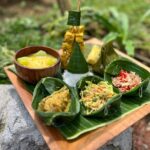
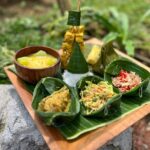
From the experience details and feedback, you can expect more than a quick demo. There’s typically a welcome drink and some homemade cake when you arrive. People also describe making a traditional basket to offer to the gods before the main cooking begins, which adds a meaningful start to the food-making process.
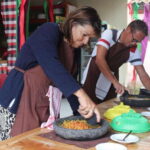
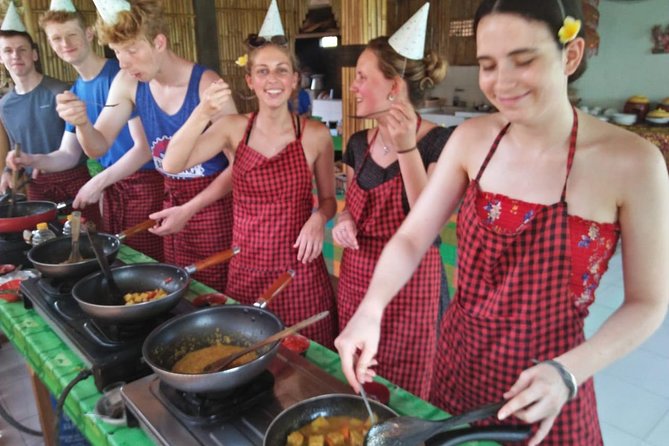
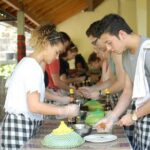
The class itself includes all cooking equipment and facilities. So you’re not hunting for ingredients or wondering if you’ll have access to tools once you arrive. This is where the “hands-on” part becomes real: you’re actively involved rather than just watching someone else cook.
Cooking the Dishes: Hands-On Pace and What Skills You Take Home
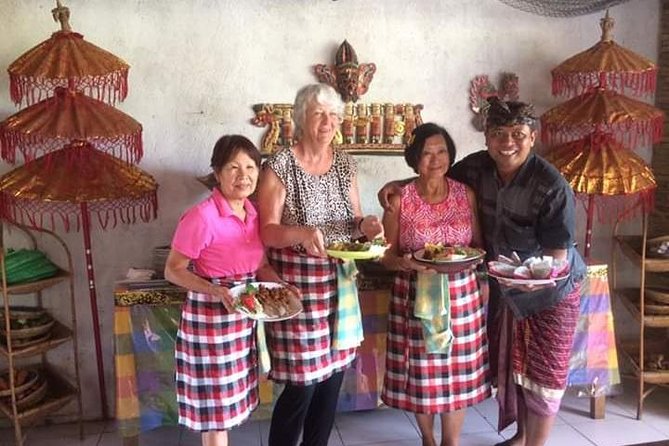
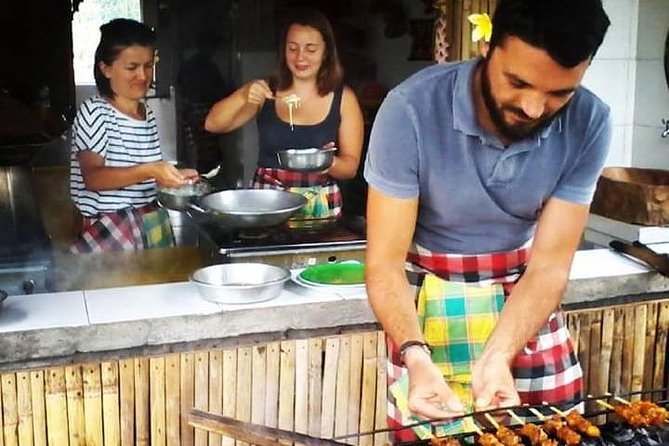
The best way to describe the cooking part is as a guided, do-it-yourself workflow. You’ll cook, eat, and learn the techniques you need to recreate Balinese dishes later.
Based on feedback, the class commonly covers about 10 different dishes, and some groups report around 11 dishes including dessert. A standout dish mentioned in feedback is banana dumplings, which is a nice reminder that Balinese cooking goes beyond the usual rice-and-noodles you might expect.
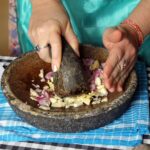
You’ll also get to see local cooking methods using traditional tools. That’s helpful even if you’re not copying every single utensil. The goal is to learn the steps and ingredient logic so your results at home don’t taste like a guess.
Lunch or Dinner in Balinese Style: The Best Part Comes Last
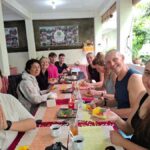
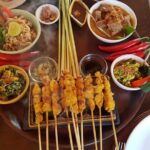
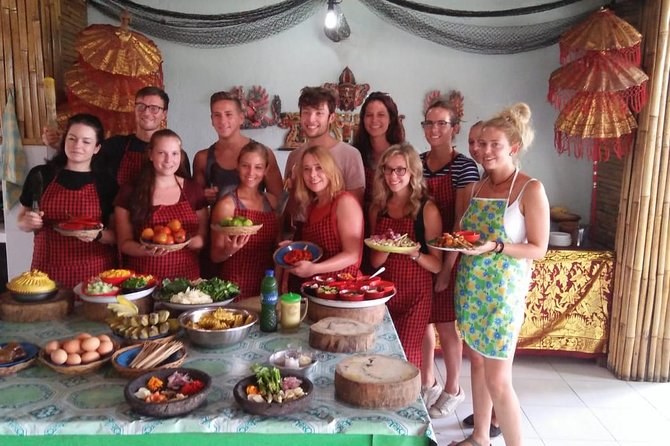
After you cook, you eat together in a Balinese-style meal. This is one of the biggest practical advantages of booking this type of class: you’re not left hungry or scrambling for food afterward.
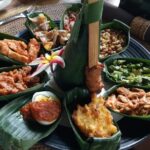
Portion size seems to be generous in feedback, with people describing not going home feeling hungry. When you eat your own cooking, you also learn fast what works—salt, spice balance, textures, and how long things need.
It’s also just more fun. You’re not trying to imagine how the dish will come out. You taste it right there, with everyone involved in the process.
What to Bring: Don’t Overpack, but Do Bring the Right Stuff
The experience asks you to bring camera, sun cream, some cash, and a small backpack. Shoes are also mentioned, and you’ll want them for market and rice-field walking.
A small backpack is useful because you might carry water, your camera, and anything you don’t want to hold while moving between stops. Don’t forget that the day includes outdoors time, plus time in a home kitchen setting where it’s easier if you’re wearing practical footwear.
Cash is a good idea for personal expenses, since alcoholic beverages are not included and you may want a snack or drink beyond what’s scheduled.
Group Size, Comfort, and the Air-Conditioned Break
This tour caps at 25 travelers. Smaller groups can make a big difference when you’re actively cooking and need space to follow the flow of the lesson.
You’ll ride in an air-conditioned vehicle, and bottled water is included. That helps with comfort on a humid Ubud day, especially when your schedule mixes outdoors stops with a home kitchen.
If you’re the kind of person who hates waiting around, this setup usually works well because the day moves stop to stop, then task to task in the kitchen.
Weather Matters: Why Your Day Might Shift
The experience requires good weather. If it’s canceled due to poor weather, you’ll be offered a different date or a full refund.
This matters because your day includes rice fields and outdoor walking. If you’re traveling during Bali’s wetter stretches, plan your cooking class for a day where you have flexibility.
Where This Cooking Class Shines (and Where It Might Not)
This class is at its best when you want a real Ubud-style experience: market ingredients, rice field context, then a home-cooked lesson that doesn’t pretend Bali is one-size-fits-all.
The class also shines if you care about learning the why behind the food—ingredient choices, technique, and Balinese daily life. Many people highlight the organization and the care taken around cooking and serving.
The main downside is variability. A couple experiences described the market as underwhelming and the cooking as more ordinary than expected. That can happen with any hands-on class depending on the instructor’s style, the group flow, and the specific dishes covered that day.
If you come in expecting a polished culinary show, you may feel slightly let down. If you come in wanting to learn, cook, and eat in a local setting, it tends to land very well.
Who Should Book This Ubud Cooking Class?
Book it if:
- You want hands-on Balinese cooking rather than watching from the sidelines
- You want an easy half-day plan in Ubud with transport included
- You like food experiences that connect to ingredients and everyday life
- You want a takeaway skill, not just a meal
Consider skipping or choosing something else if:
- You expect a giant market with lots of stalls and shopping time
- You only want a cooking lesson with no outdoor walking
- You’re very picky about one specific dish and need a guarantee of quality
Should You Book the Bali Amazing Cooking Class?
For most people in Ubud, I’d say yes—with the right expectations. At $34 you get a full package: pickup, market and rice-field explanations, cooking in a Balinese home, and a meal made from your work. Add the fact that recipes are provided at the end, and it becomes more than a one-day activity.
If you’re choosing based on value, this class holds up because it includes transport and multiple experiences, not just time in a kitchen. Just be ready for a smaller market stop and remember that the day depends on good weather and the rhythm of your specific group.
FAQ
FAQ
What time does the morning tour start?
The morning trip pickup is between about 8:00 and 8:30am, and the start time is listed as 8:00am.
Is there an afternoon trip as well?
Yes. There is an afternoon pickup option between about 3:00 and 3:30pm.
How long is the Bali Amazing Cooking Class?
It runs for about 5 hours (approx.).
What’s included in the price?
The price includes all cooking equipment and facility, lunch or dinner, bottled water, all fees and taxes, an air-conditioned vehicle, and free hotel pickup within the Ubud area.
What’s not included?
Personal expenses and alcoholic beverages are not included.
Do I get hotel pickup?
You get free hotel pickup in the Ubud area. For other areas, pickup is not listed as included, so you’d need to contact the operator for options.
How many people are in the group?
The tour has a maximum of 25 travelers.
What should I bring?
Bring your camera, sun cream, some cash, and a small backpack. Shoes are also requested.
Is the class affected by weather?
Yes. The experience requires good weather. If it’s canceled due to poor weather, you’ll be offered another date or a full refund.
Can I cancel and get a refund?
Yes. Free cancellation is allowed up to 24 hours in advance for a full refund. If you cancel less than 24 hours before the start time, the amount paid is not refunded.