REVIEW · MARRAKESH
Authentic Moroccan Cooking Class in a Farm in Marrakech
Book on Viator →Operated by One Life Trips · Bookable on Viator
Cooking tagine in a real Marrakech farm is special. From the moment your driver collects you, this is a hands-on lesson that turns ingredients and spices into a meal you actually eat in the countryside. You learn from a local English-speaking host/chef, and in the best moments the class feels personal with instructors like Khaoula guiding you step by step.
I especially like the convenience: hotel pickup and drop-off means you’re not hunting for a meeting point in confusing streets. I also love the setting—think citrus trees, a calm farm atmosphere, and lunch that’s the whole point, not an afterthought. The only real caution: this isn’t a sit-back demonstration. You’ll be actively preparing food, so come ready to chop, stir, and work at a relaxed but practical pace.
In This Review
- Key points that matter before you book
- Hotel pickup to a Marrakech farm: why the drive is part of the value
- Hands-on tajine lessons: what you actually make in 3 hours
- Khaoula at the farm: the host matters more than you think
- Citrus-tree lunch: tasting what you cooked, then slowing down
- Diet-friendly Moroccan cooking: what to tell the organizer
- Price and timing: does $56.99 really make sense?
- Practical tips to make the most of your farm tajine morning
- Who this suits best (and who might want something else)
- Should you book this Authentic Moroccan Cooking Class in a Farm in Marrakech?
- FAQ
- What time does the cooking class start?
- How long is the experience?
- Is hotel pickup included?
- What will I eat during the class?
- Can the class accommodate dietary needs?
- How big is the group?
- What if my plans change and I need to cancel?
Key points that matter before you book
- Hotel pickup and drop-off take the stress out of reaching a farm outside the city center
- Hands-on cooking: you don’t just watch tajine go into a pot; you help make it
- You’ll learn the mint tea routine (not only taste it)
- Farm lunch with what you cooked: salad, main course, mint tea, and local pastries
- Small group size with a maximum of 20 travelers
- Dietary needs can be accommodated if you tell the organizer in advance
Hotel pickup to a Marrakech farm: why the drive is part of the value
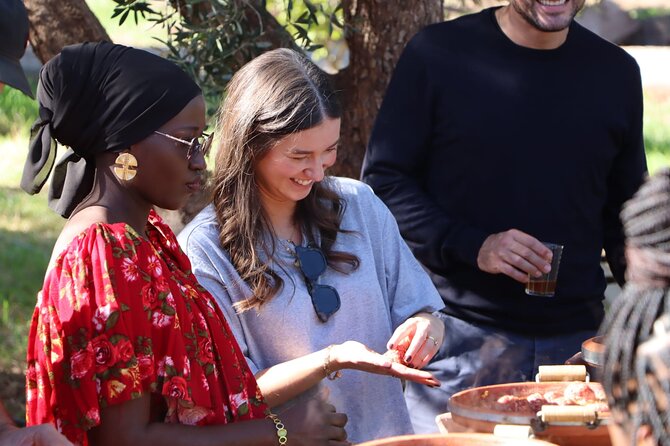
This experience starts with something you’ll thank yourself for later: pickup from your hotel. Your driver takes you to the western part of Marrakech where the farm class happens, and you’re dropped back off afterward. In a city where getting around can eat up time, that built-in transport is real value.
The ride also sets expectations. You’re moving from the busy rhythm of Marrakech into a calmer setting where the meal doesn’t feel like a rushed “activity.” It’s part of why the class works so well as a break from the medina swirl—your day gets a reset built into the plan.
One more practical detail: the meeting time is 10:00 am, so you’ll likely want to plan for a light breakfast beforehand. If you arrive hungry, you’ll be stuck waiting for food. If you arrive too full, you’ll feel it later during the tasting. Aim for somewhere in the middle.
You can also read our reviews of more tours and experiences in Marrakesh.


Hands-on tajine lessons: what you actually make in 3 hours
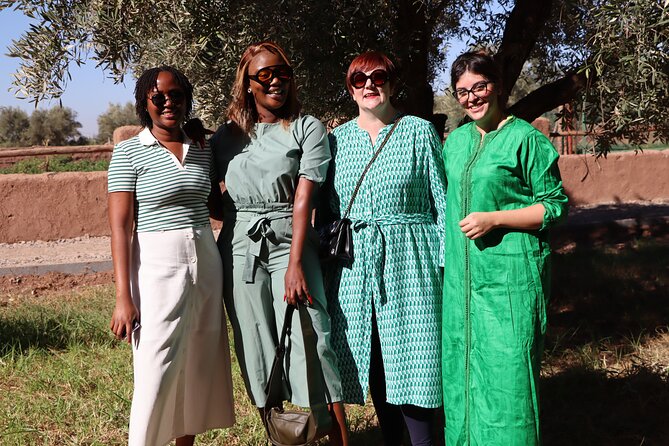
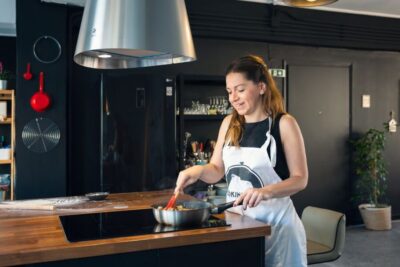
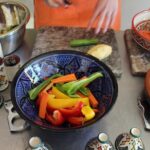
This is sold as an interactive Moroccan cooking class, and that’s exactly how it feels. You get more than a lecture about Moroccan flavors—you get a working role in the process.
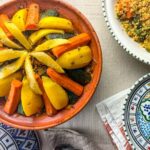
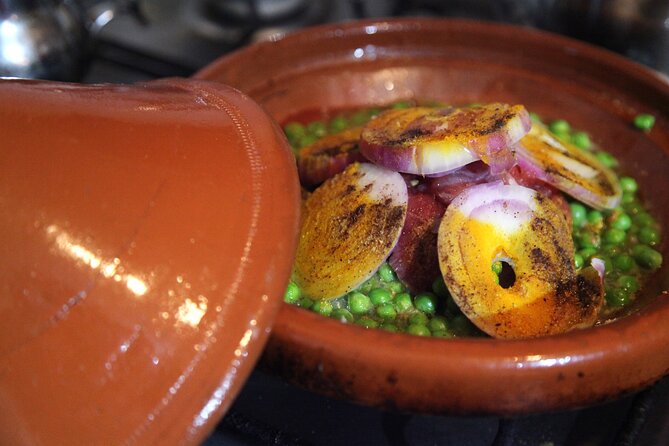
You’ll focus on tajine, with the class centered around learning how to prepare it and understanding the ingredients and technique. People often end up making versions like Berber-style tajine and even chicken tajine, so you can expect meat and spice combinations that feel distinctly Moroccan and not tourist-simple.
While tajine is the star, the class doesn’t stop there. You’ll also prepare:
- Moroccan fresh salad (your own mix, not just a side plate)
- Mint tea the traditional way, with the full process explained
- And of course, you’ll eat lunch that comes from your work
The big practical benefit here is skill transfer. A lot of cooking classes teach you something vague like spices “taste good together.” This one pushes you toward actionable steps—what to do first, how to combine flavors, and how the dish comes together by the end.
Also, the pace is hands-on. That’s great if you like learning by doing. It’s less great if you want a calm, watch-only activity. If you’re the type who hates getting messy, you might find it a little more hands-on than you planned.
Khaoula at the farm: the host matters more than you think
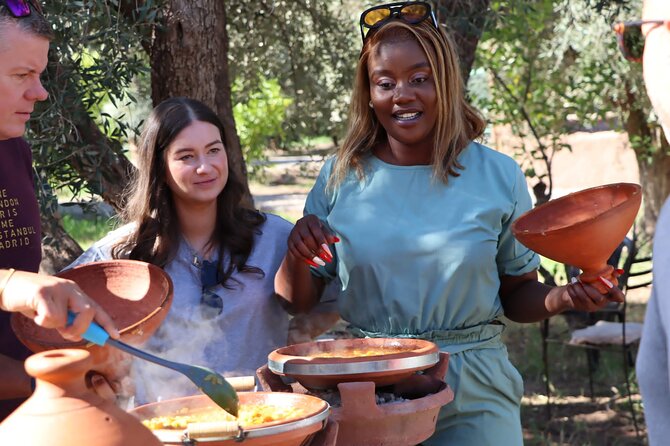
The quality of a cooking class lives and dies with the person in front of you. This one leans hard on the host/chef. Names like Khaoula show up again and again in the positive stories, and that checks out with what makes the experience satisfying: she’s described as warm, confident, and practical—someone who helps you feel comfortable while still giving useful tips.
You also get small, helpful teaching moments rather than one big instruction dump. The class begins with an overview so you know how the session will flow. Then you start cooking while your host guides you through ingredients and techniques.
One sweet detail from real-world experience: the farm setup is ready when you arrive. That keeps the whole day from turning into awkward waiting. You get collected, you show up, and you start working.
If you like culture through food, you’ll probably enjoy the conversation side too. People get the chance to talk and learn about the family connected to the space—more than just recipes, you get context for how these dishes show up at home.
Citrus-tree lunch: tasting what you cooked, then slowing down
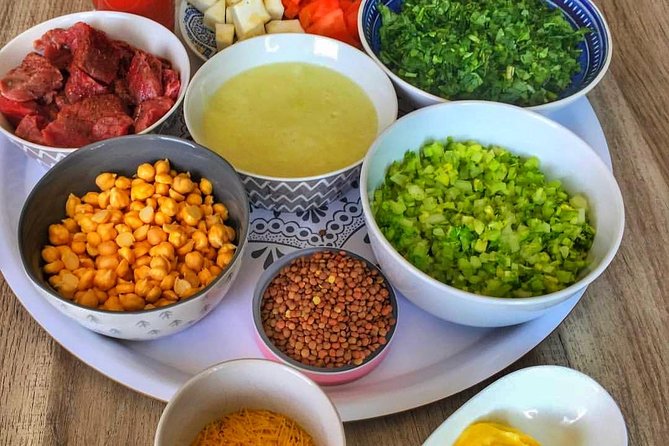
Here’s the part that makes this class more than a “skill session”: lunch is what you make. After your tajine and salad are ready, you sit down with your host in the farm atmosphere and eat.
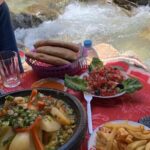
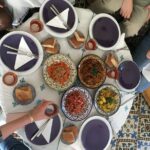
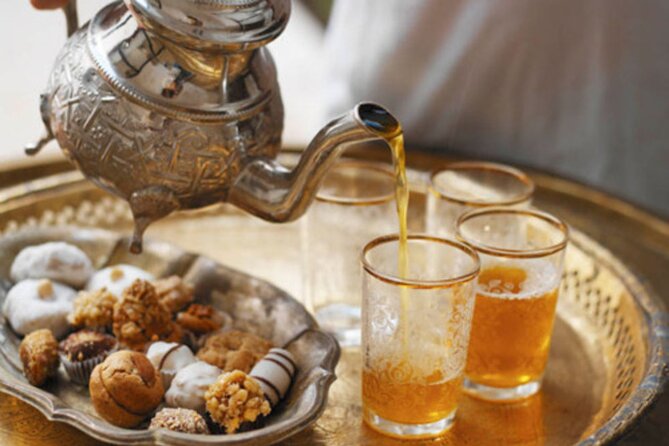
Lunch includes Moroccan salad plus the main course, along with authentic Moroccan mint tea and local pastries. In other words, you’re not just getting a taste of one dish. You’re building a full Moroccan meal arc: fresh and bright from the salad, deep and spiced from the tajine, finished with tea and something sweet.
The mint tea element deserves a moment. A lot of people think they know mint tea because they’ve had it in a café. Learning the routine here is different. You get the steps behind it, so when you pour it later at home, it makes more sense—and it feels less like repeating a gimmick.
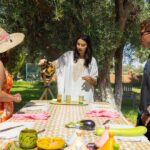
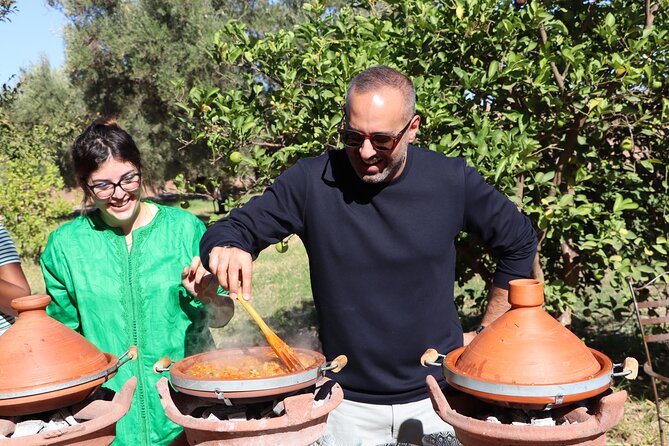
Atmosphere matters, and this place does it right. Citrus trees like orange and lemon show up in the stories, and you can feel the difference between eating in a classroom corner and eating where you just worked. Your lunch doesn’t feel staged.
Diet-friendly Moroccan cooking: what to tell the organizer
Dietary needs can be accommodated if you give notice ahead of time. That’s a big deal for cooking classes, because Moroccan cooking relies on specific ingredients (spices, herbs, sometimes dairy or meat), and substitutions can change the result.
If you have a dietary requirement, tell the organizer clearly before you go. The data says needs can be accommodated with prior notice, but it doesn’t list specifics like vegetarian-only menus or gluten-free versions. So your best move is to communicate your needs early so your host can plan ingredients and portions.
Also consider your comfort level. Even with adjustments, cooking involves real handling—spices, chopping, and tasting. If you’re sensitive to strong aromas or don’t want to handle ingredients directly, bring that up early. You’re still going to be part of the prep.


Price and timing: does $56.99 really make sense?
The price is $56.99 per person, and it’s typically booked about a month in advance. At first glance, it can look pricey compared to other Marrakech activities. But when you break down what you’re paying for, it becomes easier to justify.
You’re getting:
- Hotel pickup and drop-off
- A local English-speaking host/chef
- Lunch (salad + main), plus mint tea and local pastries
- A hands-on cooking experience in a farm setting
- A small group cap of 20 people
Transport into and out of the countryside alone can cost real money and time. Then you add a meal you’d otherwise pay for—plus tea and pastries—made during the class. For many people, that turns this into a “pay once, eat well” day.
Duration is about 3 hours, starting at 10:00 am. That’s a solid length: long enough to learn and cook multiple steps, short enough to still enjoy the rest of Marrakech afterward.
Practical tips to make the most of your farm tajine morning
A few things will help you get the best experience without overthinking it.
Wear shoes you can work in. Farms can mean uneven ground and you’ll likely stand at a prep area. Comfortable sneakers win.
Bring a light layer. Morocco’s mornings can shift as the day goes on, and you don’t want to feel stuck in one temperature for three hours.
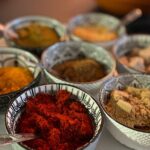
Be ready for hands-on cooking. This is interactive. If you’re hoping for a photo-friendly, hands-off experience, you may feel disappointed. If you’re okay getting involved, you’ll leave with better confidence for cooking at home.
Ask about spice levels early. The class is guided, and your host can adjust as needed when you communicate. Don’t wait until you’re already deep into the pot.
Take notes if you want to recreate the meal. You may learn how the salad and mint tea are built step by step. Small details like the order of mixing and how you balance flavors matter later.
Who this suits best (and who might want something else)
This farm cooking class is a strong fit if you want Moroccan culture through food, not just food on a plate. It’s especially good for:
- People who enjoy learning recipes with a clear process
- Food lovers who want to understand why something tastes the way it does
- Travelers who like smaller-group experiences
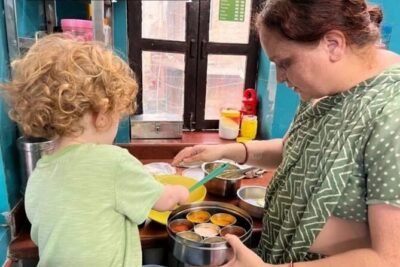
- Families looking for an activity that feels safe and hands-on (there are examples of groups cooking with children, including a 16-month-old and a 9-year-old)
It may be less ideal if you:
- Want a purely observational experience
- Have mobility limits that make standing and cooking uncomfortable
- Are arriving expecting only mint tea and salad, with tajine being a minimal part
Should you book this Authentic Moroccan Cooking Class in a Farm in Marrakech?
If you’re choosing between “another tour” and a cooking class that turns into a real meal, I’d lean strongly toward this one. The combination of hotel pickup, hands-on tajine cooking, and a full lunch that includes mint tea and pastries is good value for a focused three-hour morning.
Book it if you want a practical skill you can repeat and a setting that makes the day feel like a break from Marrakech traffic. Skip it only if you hate participating in cooking or you want something more show-like than hands-on.
If you do book, send dietary needs up front, wear comfortable shoes, and arrive ready to cook. You’ll leave with the satisfaction of knowing you made it, not just watched it happen.
FAQ
What time does the cooking class start?
The start time is 10:00 am.
How long is the experience?
It lasts about 3 hours.
Is hotel pickup included?
Yes. Pickup and drop-off from your hotel is included.
What will I eat during the class?
Lunch is included, with Moroccan salad and a main course, plus Moroccan mint tea and local pastries.
Can the class accommodate dietary needs?
Yes, dietary needs can be accommodated if you notify the organizer in advance.
How big is the group?
The class has a maximum of 20 travelers.
What if my plans change and I need to cancel?
You can cancel for a full refund if you cancel at least 24 hours before the experience starts. If you cancel less than 24 hours before, the amount paid isn’t refunded.