REVIEW · UBUD
Balinese Cooking Class with Traditional Market Tour
Book on Viator →Operated by Bali SUN Tours · Bookable on Viator
Market mornings make everything tastier. This small-group Balinese Cooking Class pairs a traditional market tour with hands-on cooking using a stone mortar, then ends with a 5-course meal you made yourself. You start early, shop for real ingredients in the morning, and learn why Balinese flavors begin long before you turn on the stove.
Two things I really like: the pacing (market, garden, cooking, then lunch) and the fact that you get personal attention in a group of four to 12. One watch-out: it’s hands-on, so go hungry and plan for an early start at 7:30am.
In This Review
- Key things to know before you go
- A 7:30am traditional market visit that teaches Balinese daily life
- Organic garden herbs, plus coffee and cake to set the tone
- Stone mortar cooking: pastes, sauces, and textures you can feel
- The open kitchen and compound-home setup: doing, not just watching
- Your 5-course lunch: the meal you finish with your own hands
- Door-to-door pickup in Ubud: timing and how to plan your day
- Price and value: what $58.16 really buys you
- Who this Balinese cooking class is best for
- Should you book this Ubud market-to-kitchen class?
- FAQ
- What time does the market part of the tour start?
- How long is the cooking class?
- Is hotel pickup and drop-off included?
- How big is the group?
- What do I eat during the class?
- Do we visit a market to buy ingredients?
- What drinks and meals are included?
- Is there free cancellation?
- Are optional expenses included in the price?
Key things to know before you go
- Market first, so you understand the ingredients you’re buying and why they matter in everyday Balinese meals
- Stone mortar + wooden prep for pastes, sauces, and spice textures that actually affect taste
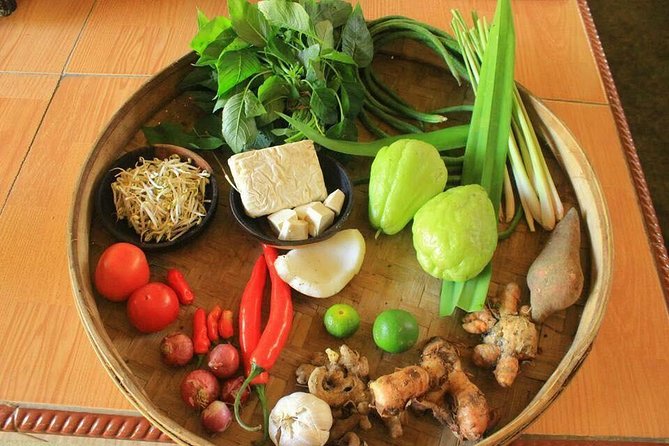
- Organic garden herb time with coffee and cake, so the lesson starts with real plants
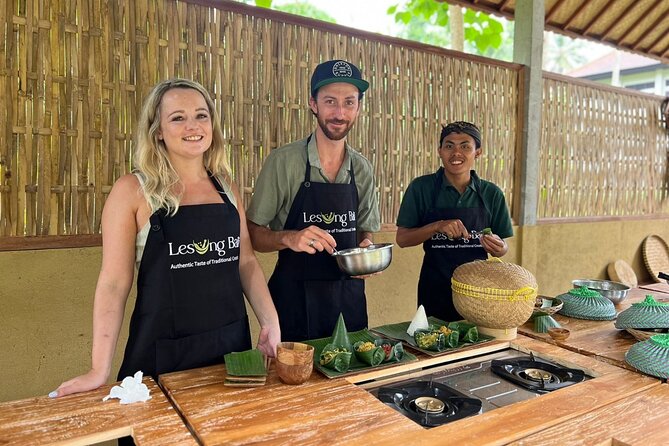
- A real open-kitchen cooking flow where you do the prep and cooking yourself
- A big payoff lunch: 5 dishes plus 1 dessert, finished in a traditional compound home
A 7:30am traditional market visit that teaches Balinese daily life
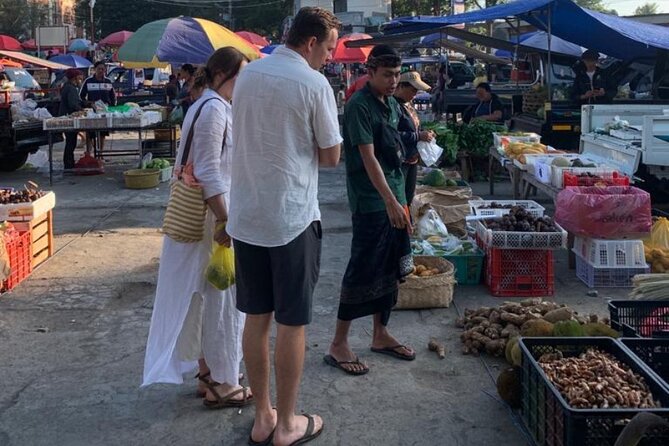
Your day kicks off with pickup and a direct run to a traditional market in Ubud. The market visit itself starts between 7:30am and 8:00am, which is ideal because it’s cooler outside and the market energy is still manageable.
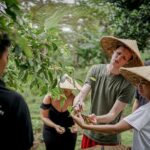
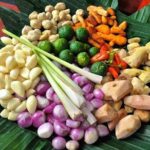
This stop is more than ingredient shopping. You’ll get a real look at how people live and plan meals, and you’ll see the variety of produce that ends up in Balinese cooking. One of the best parts is getting the guided context while you browse—things like how different fruits and vegetables are used, and the small routines around buying food.
If you’re the type who likes to understand food culture (not just recipes), this market portion is where the whole class becomes clearer. You’ll also be more confident later because you already understand the ingredients in front of you.
You can also read our reviews of more tours and experiences in Ubud.
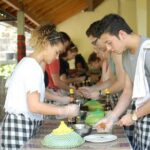
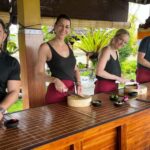
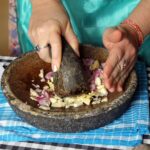
Organic garden herbs, plus coffee and cake to set the tone
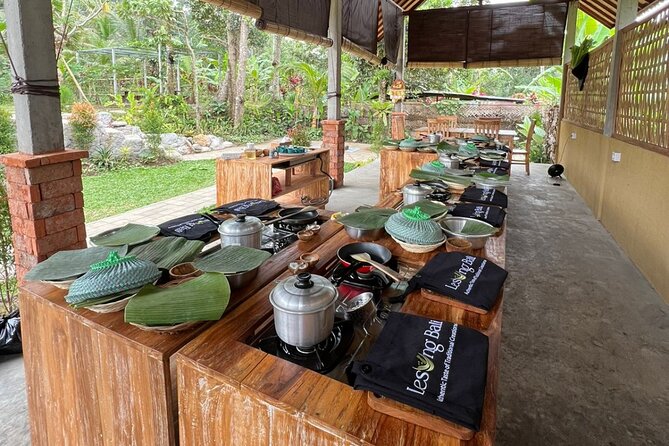
After the market, you head to a kitchen setup where you’ll meet the herbs and spices from an organic garden. This is where the “why” starts to click. Instead of learning only from a list of ingredients, you’ll see and handle aromatic plants before you cook.
You’ll also enjoy a welcome drink and snack—coffee and cake are part of the experience—so you’re not jumping straight from market legs into intense cooking. It’s a good rhythm shift: observe, smell, ask questions, then roll up your sleeves.
One small practical tip: if you have a sensitive stomach, take it easy at the snack stage. You’re about to do hands-on prep, and you’ll probably get more active (and hungry) than you expect.
Stone mortar cooking: pastes, sauces, and textures you can feel
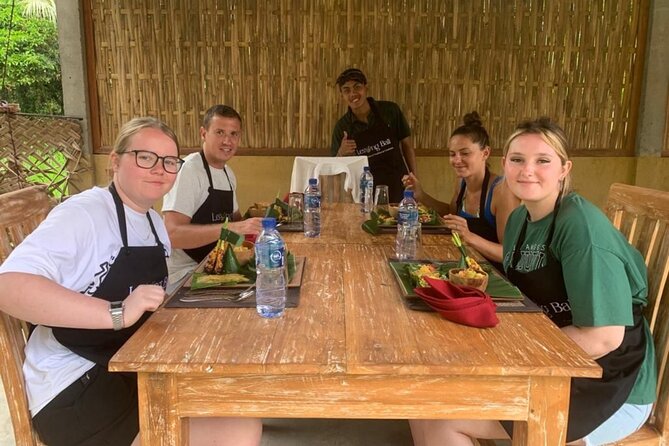
This is the heart of the class, and it’s the part you’ll remember when you’re back home. Balinese cooking relies heavily on spice preparation—especially pastes and sauces—and you’ll learn two common styles of processing.
You’ll work with:
- chopped spices on a wooden chopping block
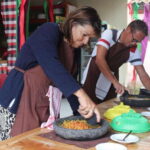
- ground spices in a stone mortar
That difference matters. Grinding changes texture and how flavors bloom once they hit heat. You’ll see how paste consistency can guide the next steps in the recipe, whether it’s thick and intense or looser and more sauce-like.
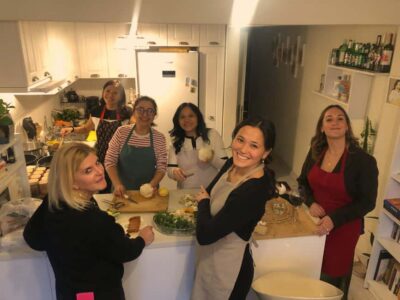
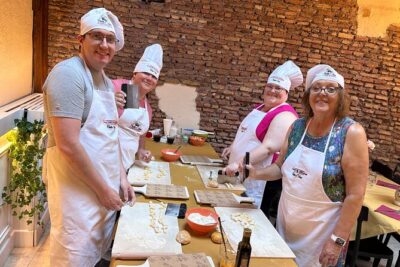
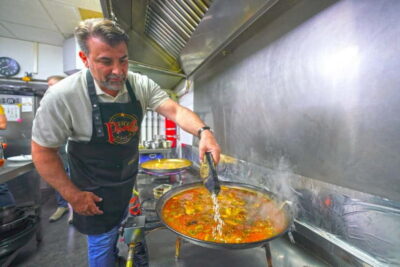
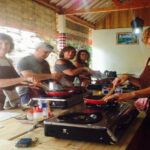
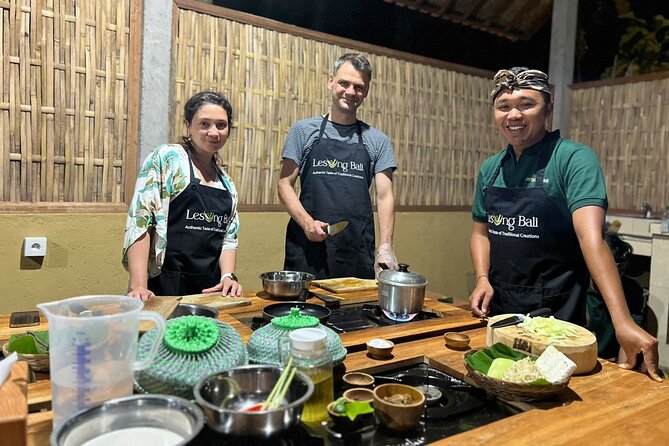
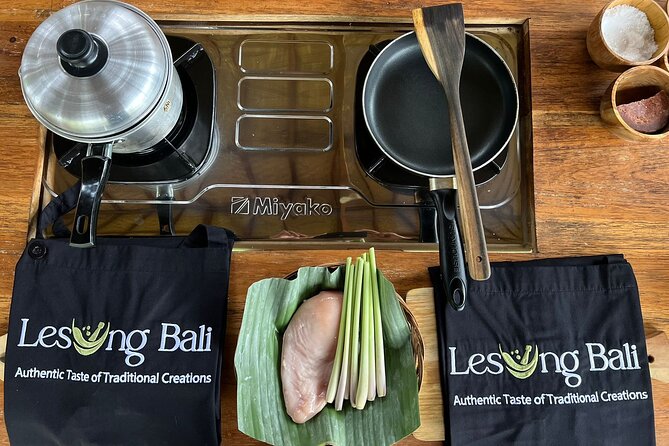
Your cooking instructor will teach you the technique, but the key is that you do the prep yourself. You’re not just watching someone else cook while you take notes. You’ll process food with traditional utensils and prepare items hands-on—then cook them using Balinese methods in the open-kitchen setting.
If you like craft-style cooking—where technique and feel matter—this section is a win.
The open kitchen and compound-home setup: doing, not just watching
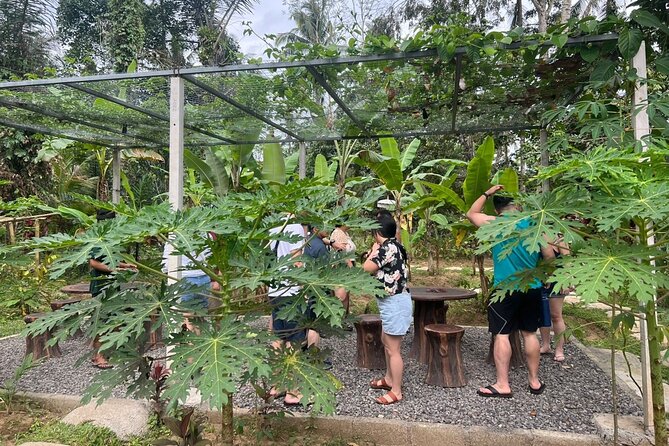
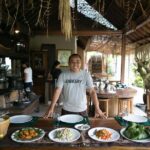
The cooking happens in a traditional compound home in Ubud, in an open kitchen format. That layout changes the vibe. You’re still learning step-by-step, but the environment feels lived-in and local rather than staged like a demo.
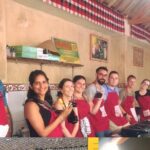
Because it’s a small-group class (typically four to 12), you should get the chance to work through the recipes without feeling lost. In the best sessions, guides handle questions in real time while keeping the class moving.
In the market portion, guides like Ron and Nyoman are mentioned as sharing clear explanations of ingredients and traditions. That same style of guidance tends to carry into the cooking: you’ll learn how to handle spices and prep correctly, not just which ingredients to use.
One thing to be ready for: it can feel like a full morning of focused work. The payoff is the meal at the end, but you’ll want to wear clothes you don’t mind getting a little cooking-stink on them.
Your 5-course lunch: the meal you finish with your own hands
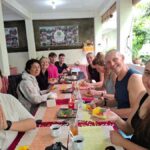
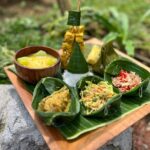
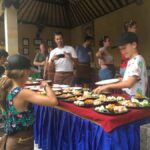
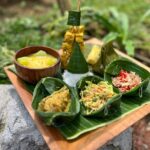
After the cooking lesson, you sit down to eat what you prepared. This is a proper lunch, not a tiny tasting plate.
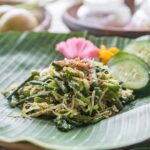
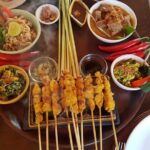
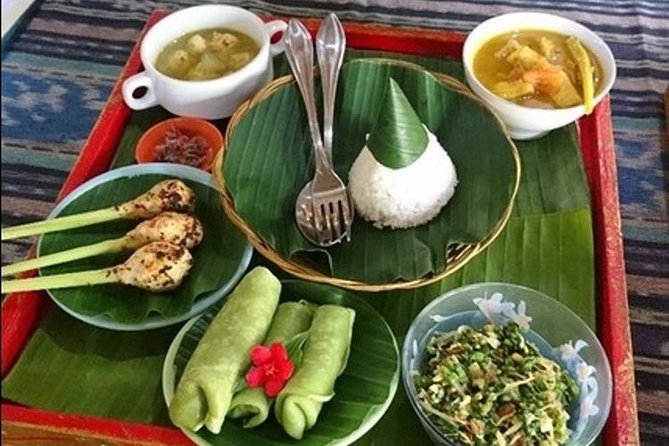
What’s included is 5 dishes and 1 dessert, and all of the dishes are made by you. The class includes lunch plus a dessert component, and you’ll get a certificate of the cooking class afterward.
The practical side: come hungry. The food portion is big enough that you might not want to plan a heavy second meal afterward. One attendee feedback summed up the mood well: the class is full-on, and the lunch reward is generous.
Also note the structure. You’ll cook across multiple dishes during the class, so your lunch feels like a collection of different flavors rather than one repeat recipe. That variety is a big part of why cooking classes are worth your time here: you leave with a broader sense of Balinese flavors, not just one dish.
Door-to-door pickup in Ubud: timing and how to plan your day
This experience is designed to be easy logistically. Hotel pickup and drop-off are included, so you won’t spend your morning figuring out where to meet or how to get back.
The market visit starts 7:30am, and the full pickup-to-drop-off experience is described as approximately 6 hours. The cooking lesson portion is listed as about 2 hours 30 minutes. So you’re looking at a longer total day—market time and meal time stretch the timeline—but the active cooking lesson stays focused.
Group size is limited. You’ll see a max of 12 travelers for the activity, and the class accommodates up to 12 participants, even though each booking is listed with a maximum of 6 people per booking. In real terms, you can expect a small-group feel, with enough supervision to keep things moving.
One more practical point from real-world experience: in the Ubud morning rush, being picked up right on time makes a huge difference. A driver named Yoga is specifically mentioned as arriving exactly on time and speaking good English. That kind of smooth start is worth a lot when you’re on vacation.
Price and value: what $58.16 really buys you
At $58.16 per person, this isn’t the cheapest way to learn about Balinese food. But it is one of the better-value options if you want the full market-to-kitchen chain.
Here’s what your money is covering:
- hotel pickup and drop-off (huge convenience in Ubud)
- a traditional market visit before cooking
- an organic garden herb segment
- cooking instruction using traditional tools (including stone mortar)
- lunch consisting of 5 dishes and 1 dessert
- bottled water, plus a certificate
The biggest value is that you’re not paying only for recipes. You’re paying for the whole learning environment, including ingredient context and hands-on technique. If you can cook at home already, the class becomes an upgrade: you get cultural technique you can repeat.
Also, booking tends to happen about 21 days in advance on average, which suggests it’s a popular morning slot. If you’re traveling during a busy season, locking in your date early can save stress.
Who this Balinese cooking class is best for
You’ll likely love this experience if you:
- want a market-to-table food day rather than a single-dish workshop
- enjoy cooking but also like learning the cultural context behind ingredients
- prefer small groups with real attention during prep
- want a fun, structured morning that ends with a filling meal
You might want to think twice if you:
- dislike early starts (the market is beginning around 7:30am)
- don’t enjoy hands-on prep (because you’ll be doing spice processing and cooking)
- have a schedule where you can’t spare a half-day (it’s about 6 hours door-to-door)
Should you book this Ubud market-to-kitchen class?
If your idea of a great travel day is learning by doing—shopping like a local, cooking with traditional tools, then eating what you made—this is an easy yes. The mix of market context, stone mortar technique, and a 5-course lunch gives you more than a recipe lesson. It gives you food knowledge you can actually use.
Book it if you’re hungry for a morning activity with a clear structure and a satisfying finish. Consider it carefully if your vacation style is more slow-and-floating than hands-on cooking. Either way, you’ll walk away with a better feel for how Balinese flavors start: in the market, in the garden, and in the paste.
FAQ
What time does the market part of the tour start?
The traditional market visit starts at 7:30am and runs until about 8:00am.
How long is the cooking class?
The cooking class is listed at about 2 hours 30 minutes, but the full experience from pickup to drop-off is approximately 6 hours.
Is hotel pickup and drop-off included?
Yes. Hotel pickup and drop-off are included.
How big is the group?
It’s a small-group experience with a group of four to 12 people. The activity has a maximum of 12 travelers.
What do I eat during the class?
You’ll enjoy a lunch made from your own dishes, with 5 dishes and 1 dessert included.
Do we visit a market to buy ingredients?
Yes. You’ll visit a traditional market to buy the cooking needs before you start cooking.
What drinks and meals are included?
You get a welcome drink and snack, bottled water, and the included lunch of the dishes you make plus dessert.
Is there free cancellation?
Yes. Free cancellation is available up to 24 hours in advance for a full refund.
Are optional expenses included in the price?
No. Optional expenses are not included.