REVIEW · KANAZAWA
Kanazawa: Sushi & Japanese Cooking Class at a Historic School
Book on Viator →Operated by Nakata cooking school · Bookable on Viator
Two hours can change how you eat sushi. This class at Nakata Cooking School is about three minutes from Kanazawa Station, and you actually cook everything yourself. I love the way the menu leans on Omicho Market-style seafood and classic techniques, not shortcuts or a staged show.
The one thing to watch: this experience can’t accommodate vegan diets or guests avoiding fish-based dashi. If fish stock is a no-go for you, skip this and look for a non-fish option elsewhere.
In This Review
- Key highlights you’ll feel right away
- Getting to Nakata Cooking School: short walk, real local setup
- The classroom vibe: uniform, knives, and the patient chef energy
- The flow of the class: how five dishes fit into one lesson
- Dish 1: Nigiri sushi with wild fish and practical rice habits
- Dish 2: Dashi broth—bonito and kelp with the foundations for everything
- Dish 3: Dashi-maki tamago—fluffy rolled omelet with a Michelin-style approach
- Dish 4: Jibuni—Kanazawa’s chicken stew with samurai-era roots
- Dish 5: Seasonal side dish and miso soup—finish with the full meal rhythm
- Translation tech that actually helps: AI voice + text on a big screen
- Photos, certificate, and the recipe email: take the class home
- Price and value: why $99.10 can make sense here
- Who this class is best for (and who should skip it)
- Should you book this Kanazawa sushi and Japanese cooking class?
- FAQ
- How long is the cooking class?
- Where does the experience start?
- What dishes will I cook?
- Is real-time translation provided in English?
- Can the class accommodate vegan diets or people avoiding fish-based dashi?
- What’s included in the price?
- What if I need to cancel?
Key highlights you’ll feel right away
- Cook 5 dishes hands-on (including nigiri and Kanazawa’s Jibuni chicken stew)
- AI translation on a big screen keeps instructions clear and the banter funny
- Premium Japanese knives + chef-style apron rental included during the class
- Near Kanazawa Station at a long-established culinary school—easy to fit into a busy day
- Photo service + named Certificate of Completion, plus an emailed recipe the day before
Getting to Nakata Cooking School: short walk, real local setup
Kanazawa can move fast between districts, so I like experiences that don’t waste time. This one starts at Nakata Cooking School & Knife Shop, about a three-minute walk from Kanazawa Station, and the class runs about 2 hours 30 minutes.
You’ll be a small group too, with a maximum of 8 travelers. That matters because you’ll get personal guidance at the exact moment you need it—especially when shaping sushi or getting tamago right.
You can also read our reviews of more tours and experiences in Kanazawa.
The classroom vibe: uniform, knives, and the patient chef energy
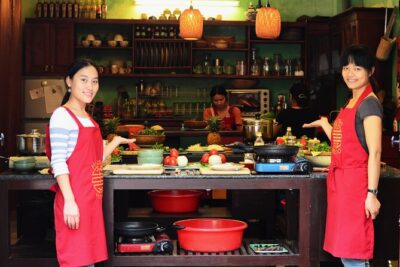
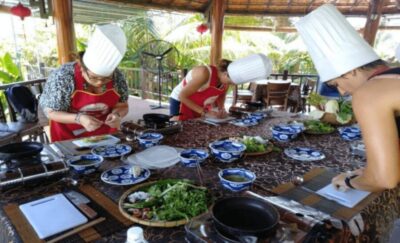
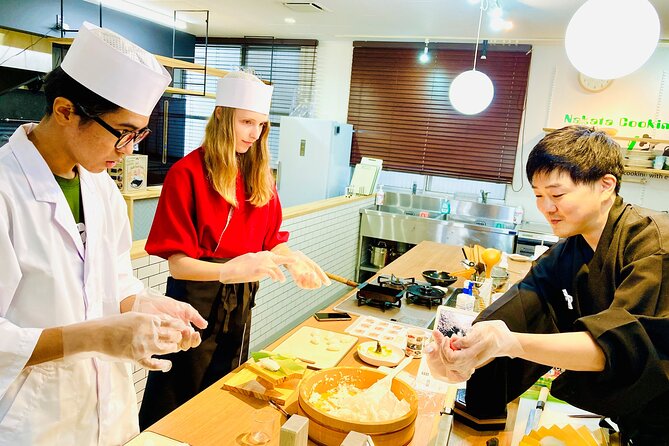
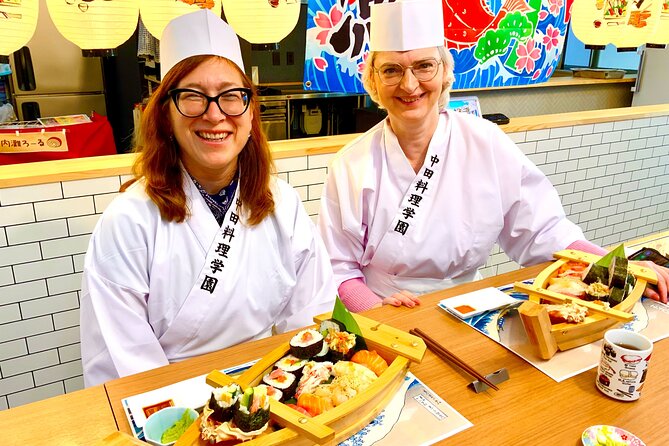
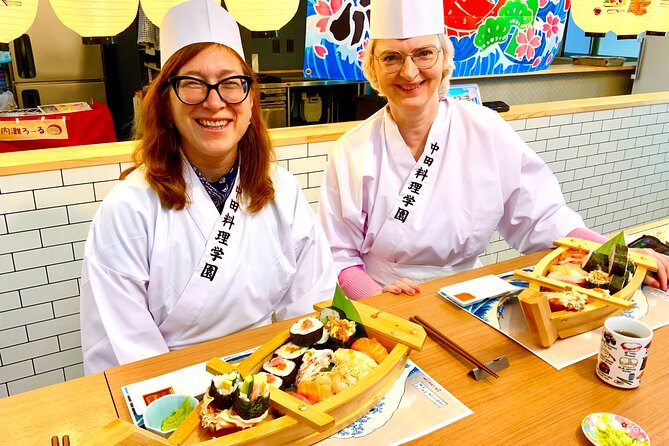
When you arrive, you change into a sushi chef uniform (plus you’ll get a chef-style apron). This sounds minor, but it changes how you pay attention. You’re not watching someone else cook—you’re doing it, knife in hand, with a clear workflow and steady checks.
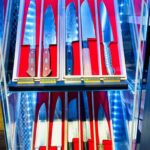
A key part of the experience is using premium Japanese kitchen knives during the class. Even if you’ve held a knife before, you’ll likely learn new habits—how to grip, how to move smoothly, and how to handle the “small” cuts that affect the final look.
They also offer an in-house Knife Museum option (opening July 2025) with a 10% discount for participants. If you’re the type who collects knives or wants to understand the why behind the tools, this is a nice extra.
The flow of the class: how five dishes fit into one lesson
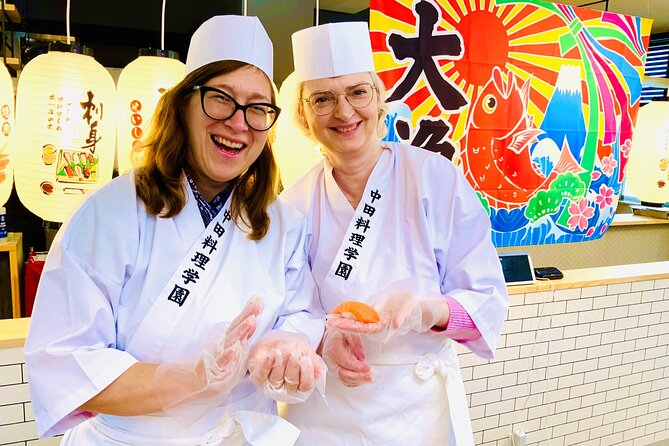
The class is built like a practical cooking path. You start with skills tied to Japanese staples—rice handling, dashi, and egg technique—then you apply them across a meal that feels like it belongs in Kanazawa.
You’ll make and eat five dishes:
- Nigiri sushi (with wild fish sourced from Omicho Market)
- Jibuni (Kanazawa’s signature chicken stew)
- Dashi-maki tamago (soft rolled omelet)
- Dashi broth (bonito and kelp stock)
- Seasonal side dish plus miso soup
One nice detail: an English recipe is emailed the day before. So on cooking day you’re not frantically trying to translate steps mid-class.
Dish 1: Nigiri sushi with wild fish and practical rice habits
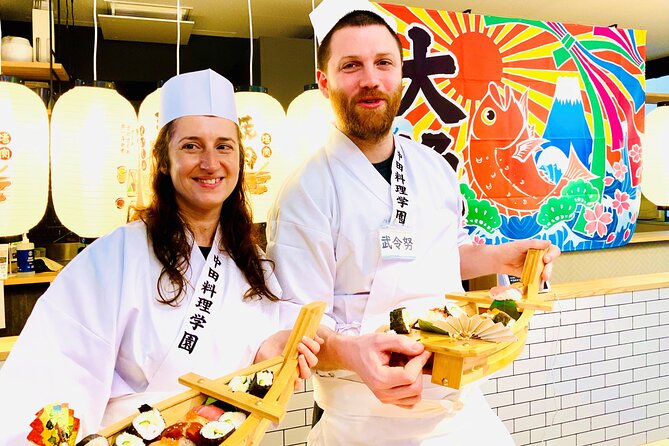
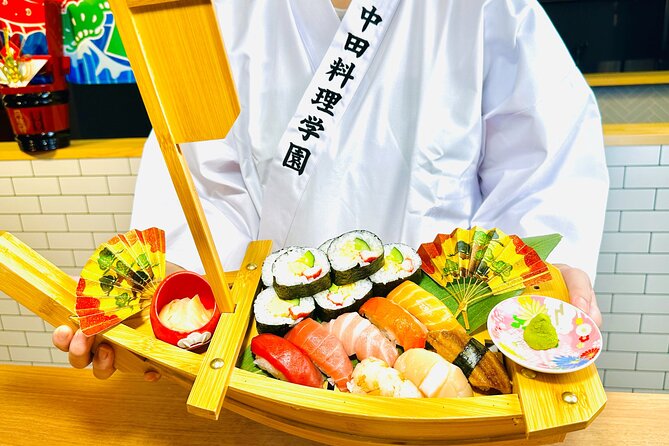
Nigiri can look simple, but it’s all about precision and touch. In this class, you’ll shape nigiri using fish that comes from Omicho Market wild seafood (the kind that shows up in serious local kitchens).
You’ll learn technique, not just plating. One review highlight pointed out how specific the instruction can be—like learning a targeted rice portion (around 15 grams as a reference point) and how the fish-to-rice balance affects bite and proportion.
Expect you’ll work on:
- Handling sushi rice without compressing it too much
- Forming the nigiri with consistent pressure
- Pairing fish texture with the rice feel (this is where guidance matters)
Once you finish, you’ll eat what you make. That’s a big deal here: you’re tasting your own sushi immediately, while the chef’s corrections are still fresh.
Dish 2: Dashi broth—bonito and kelp with the foundations for everything
Dashi is the engine behind so much Japanese flavor, and you’ll make it yourself. You’ll learn the classic base of bonito and kelp stock, which shows up directly in other dishes during the class, like tamago and miso soup.
What I like about learning dashi hands-on is that it teaches you “how” before it teaches you “what.” Once you understand the stock logic, it becomes easier to troubleshoot at home—like why your broth tastes stronger or flatter depending on how it’s prepared.
They also explain the cultural background of dishes as you go, so it doesn’t feel like you’re just following recipes. You’re learning the role each element plays.
Dish 3: Dashi-maki tamago—fluffy rolled omelet with a Michelin-style approach
This is the dish where a cooking class either helps you learn… or turns into a messy failure. Here, you’ll make dashi-maki tamago with step-by-step instruction, using a recipe style described as Michelin-level.
Tamago is timing and temperature control in disguise. You’re working with layers, and you can’t rush the browning or the texture suffers. The chef’s guidance is key because small adjustments make a huge difference in how soft (not rubbery) the roll becomes.
If you’ve ever thought Japanese cooking is mostly “art,” this dish is your reality check—in the best way. It’s technique. You can practice it. And once you nail the feel, you’ll understand why people talk about tamago like it’s a skill milestone.
Dish 4: Jibuni—Kanazawa’s chicken stew with samurai-era roots
Jibuni is the kind of dish I enjoy learning because it’s clearly local. It’s Kanazawa’s signature chicken stew, and the class explains its samurai-era roots—so you’re not just cooking chicken and calling it tradition.
You’ll make it during the session, and the process ties into why dashi and Japanese seasoning matter. Jibuni gives you that comforting, slightly rich depth that feels like it belongs in colder months, but it’s satisfying any time.
Practical value here: if you want a “home meal” you can repeat, stew is forgiving. You’ll leave with a template for flavor-building, not just one-day instructions.
Dish 5: Seasonal side dish and miso soup—finish with the full meal rhythm
The final part is your seasonal side dish plus miso soup. This is where you see how Japanese meals create balance: not just one star dish, but a structured set of flavors and textures.
Seasonal ingredients also mean the class isn’t only training for sushi. You’re practicing how to think seasonally, which helps when you shop in Japan—or when you recreate the meal back home and need to substitute based on what’s fresh.
Translation tech that actually helps: AI voice + text on a big screen
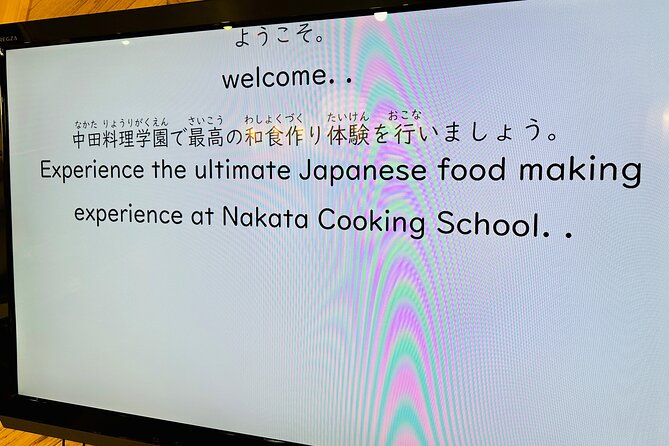
The class uses real-time AI translation (voice and text) on a large screen. In plain terms: you won’t spend the whole class staring at your phone.
It also keeps the conversation moving. Several class highlights emphasize that the translation adds humor and timing—so you get explanations and jokes, not just a list of ingredients.
If you worry about language barriers, this is one of the best signs in the setup. You can focus on your hands and the chef’s cues, not on decoding every word.
Photos, certificate, and the recipe email: take the class home
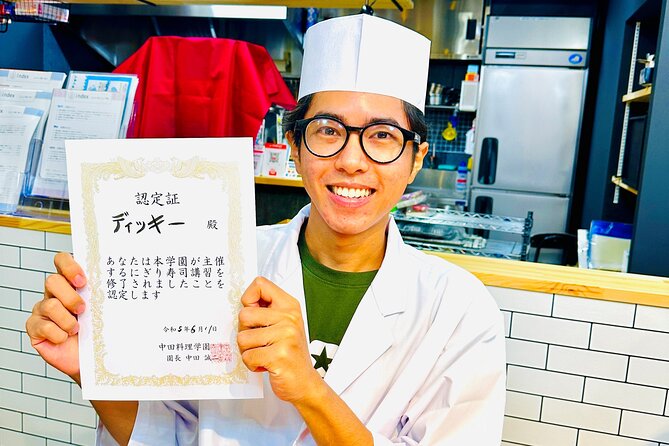
You’ll have photos taken during the experience, and you receive a completion certificate with your name. That’s a fun keepsake, but I mostly like it because it confirms you did the real work—sushi shaping, tamago layering, and all.
You also get the recipe by email the day before. That’s the difference between a great evening and a useful skill you can repeat. If you cook a lot at home, you’ll appreciate having a clear reference without guessing.
And after you eat, there’s an aperitif: Kanazawa plum wine or local sake. It’s a small touch, but it makes the meal feel like an event, not a class exercise.
Price and value: why $99.10 can make sense here
At $99.10 per person, you’re paying for multiple things that usually cost extra when they’re separated:
- A hands-on class (not a tasting-only session)
- Ingredients for 5 dishes
- Chef-style apron rental and premium knife use
- AI translation support
- Photos and a certificate
- An emailed recipe the day before
- A plum wine or sake aperitif
This is also good value because it’s structured. You’re not wandering through a market for souvenirs—you’re learning repeatable technique in a limited time window, in a small group near the station.
Who this class is best for (and who should skip it)
I think this works best if you want skill, not just a meal. It’s especially good for:
- Couples and friends who want one shared cooking project
- Families with teens who like hands-on activities
- Food lovers who enjoy Japanese technique (sushi rice, dashi, tamago)
Skip it if:
- You follow a vegan diet
- You avoid fish-based dashi
- You’re hoping for a fully customizable menu on the spot (same-day changes aren’t possible, so you need to communicate dietary needs when you book)
Should you book this Kanazawa sushi and Japanese cooking class?
Yes, if you want an efficient, local-feeling cooking lesson you can repeat at home. The near-station location makes it easy to schedule, and the hands-on structure means you leave with practical confidence, not just memories.
Book it especially if you care about the “how” behind Japanese flavors: making dashi, shaping nigiri, and rolling tamago. Add the photos and named certificate, and it’s a fun way to make Kanazawa feel personal.
Just be honest about the ingredients. If fish stock is not for you, don’t force it—this class isn’t set up for those restrictions.
FAQ
How long is the cooking class?
The class runs for about 2 hours 30 minutes.
Where does the experience start?
It starts at Nakata Cooking School & Knife Shop (By Appointment Only) in Kanazawa.
What dishes will I cook?
You’ll cook five dishes: nigiri sushi, Jibuni, dashi-maki tamago, dashi broth, and a seasonal side dish plus miso soup.
Is real-time translation provided in English?
Yes. The class includes real-time AI translation (voice and text) on a large screen.
Can the class accommodate vegan diets or people avoiding fish-based dashi?
No. Vegan diets and guests avoiding fish-based dashi cannot be accommodated. You’re asked to inform other dietary restrictions at booking.
What’s included in the price?
Included are the hands-on class, use of premium Japanese knives, apron rental, tasting of what you make, one aperitif (plum wine or sake), AI translation, photos, a certificate of completion with your name, and an English recipe emailed the day before.
What if I need to cancel?
You can cancel for a full refund up to 24 hours in advance. If you cancel within 24 hours, the amount paid is not refunded.