REVIEW · PALERMO
Sicilian Cooking Class in Palermo
Book on Viator →Operated by Siciliandays · Bookable on Viator
Food lessons in Palermo should come with a few surprises. Here, you start with market shopping for seasonal ingredients, then cook Sicilian classics in a historic home kitchen with wine flowing throughout. You’ll get a clear sense of what makes Sicilian food different from mainland Italian cooking, especially the signature sweet-sour flavors like caponata’s agrodolce.
Two things I especially like: you shop for ingredients with guidance, so you understand what to look for (and why), and the meal is built around real Sicilian shapes and flavors, not generic pasta-night fare. One possible drawback: the class price doesn’t include the parking fee you pay at check-in, and pickup/drop-off isn’t included—so you’ll want to plan how you’ll get there in central Palermo.
In This Review
- Key Things You’ll Notice Right Away
- From Via Volturno to a Palermo Home Kitchen in 4.5 Hours
- Palazzo Asmundo and the Central Palermo Meet-Up
- The Market Run: How You Choose Ingredients (Not Just What You Buy)
- Cooking Sicilian Staples: Caponata and Busiate al Pesto Trapanese
- Starter: Caponata and the meaning of agrodolce
- Main: Busiate with Trapani-style pesto
- The Meal Experience: Wine Pairings, Tasting, and Real Table Time
- Who’s teaching and what that adds
- Timing, Hands-On Cooking, and Group Size Realities
- Vegetarian and Dietary Needs: What You Should Do Ahead of Time
- Price and Value: Is $229.29 Worth It?
- Who This Palermo Cooking Class Fits Best
- Should You Book Sicilian Cooking Class in Palermo?
- FAQ
- How long is the Sicilian Cooking Class in Palermo?
- Where do I meet for the class?
- What language is the cooking class offered in?
- Is lunch or dinner included?
- Does the class include wine and tastings?
- Is there a vegetarian option?
- What isn’t included in the price?
- Is there free cancellation?
- Farewell Thoughts: One Practical Move Before You Go
Key Things You’ll Notice Right Away
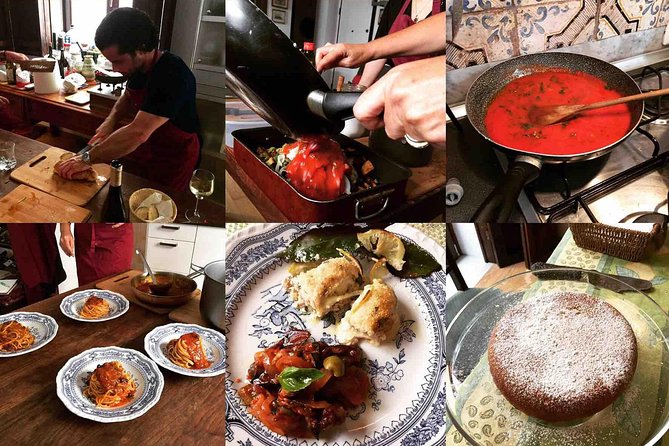
- Market-first approach: you shop for produce and other ingredients before the cooking starts
- Historic home kitchen setting: the class happens in a gourmet home space, not a school cafeteria
- Caponata’s agrodolce personality: sweet-sour balance is front and center
- Trapani-style pesto: expect a different twist than the usual green basil version
- Wine and pairings during the meal: you taste as you cook, not after you’re done
From Via Volturno to a Palermo Home Kitchen in 4.5 Hours
This is the kind of tour that makes sense even if your schedule is tight. You’re looking at roughly 4 hours 30 minutes, and the flow is simple: meet in central Palermo, walk to the food market, then head to the home kitchen and start cooking right away. There’s no long sit-down lecture. You’ll be doing, tasting, and asking questions the whole time.
What makes it work well is the pacing. You get the fun part early (picking ingredients), then the work part (technique and assembly), then the payoff (a full homemade meal with wine pairings). It’s a smart setup for learning Sicilian cooking in a way you can actually repeat at home.
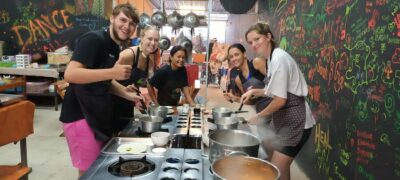
Also worth noting: it’s capped at 20 travelers. That tends to keep things active and hands-on, rather than turning into a show where you only watch.
You can also read our reviews of more tours and experiences in Palermo.
Palazzo Asmundo and the Central Palermo Meet-Up
You start at Via Volturno, 78, Palermo PA, where the experience connects to Palazzo Asmundo – Museo. Even if you’re not there to tour the building, this kind of meeting spot usually means you’re close to the action—and close to the markets that define the food culture.
Expect a straightforward start. You’ll gather, get oriented, and then move as a group. The meeting point matters here because you’re going to be walking between locations (the route is short after the market), so being central keeps the time feeling enjoyable instead of tiring.
The Market Run: How You Choose Ingredients (Not Just What You Buy)
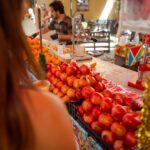
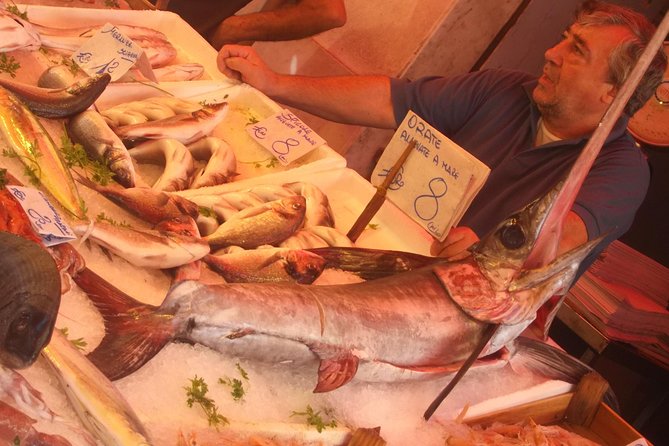
The experience includes a trip to a farmers’ market where you buy seasonal ingredients together. This is one of the biggest value drivers in the whole tour.
Why? Because Sicilian cooking relies on flavor that starts before the stove:
- you need produce that tastes like something
- you need the right pantry items for the sauces and finishes
- you need to understand what’s in season, so your dish tastes correct—not just copied
You’ll also get a real sense of local sourcing. In Palermo, the market isn’t just shopping—it’s the place where you learn what’s fresh, what’s worth your money, and how locals talk about food quality. You’ll likely see vendors and the kind of quick conversations that make Italian markets feel alive.
One practical tip: go with an open appetite. Markets make you want to taste, but the tour is already built around ingredients for your meal, so keep your focus on choosing what the class is using.
Cooking Sicilian Staples: Caponata and Busiate al Pesto Trapanese
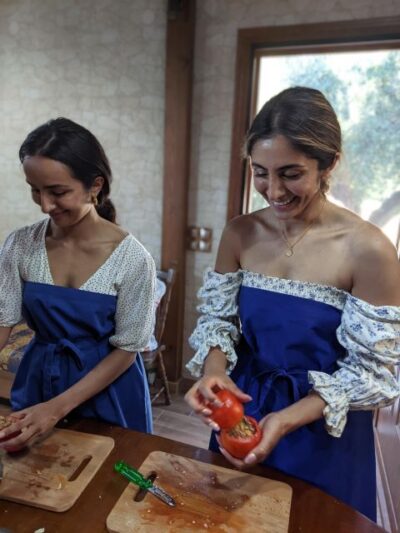
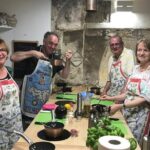
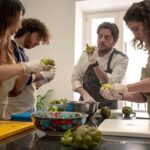
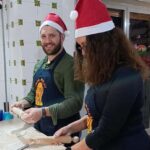
Back at the kitchen, it’s hands-on time. You’ll walk about 10 minutes from the market to the cooking space, then you begin with the lesson and start cooking with a glass of wine in hand.
Starter: Caponata and the meaning of agrodolce
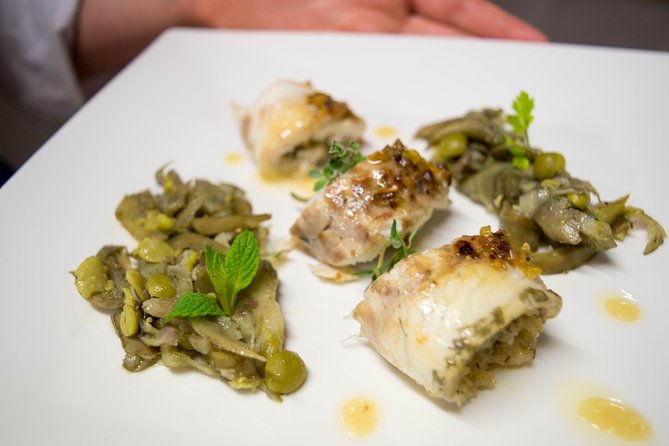
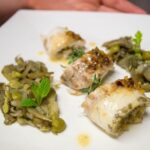
You’ll learn caponata, a vegetable stew salad with classic Sicilian elements: eggplant, onions, capers, and green olives. The key feature is its typical sweet-sour flavor—agrodolce—which is one of the reasons Sicilian cuisine feels so distinct.
This dish is a great learning experience because it teaches balance. You’re not just layering salty and savory; you’re learning how the sweet and the tang work together so the final flavor doesn’t taste one-note.
Main: Busiate with Trapani-style pesto
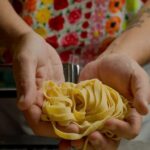
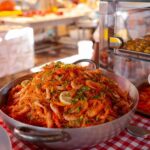
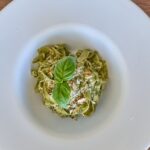
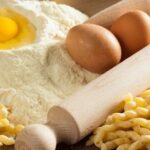
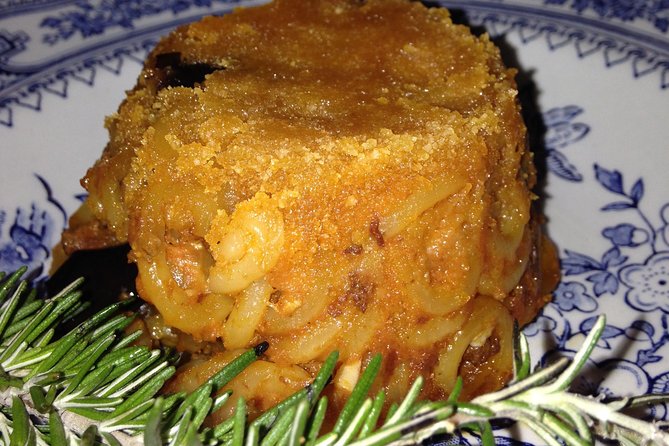
For the main, you’ll make busiate al pesto trapanese. Busiate is a pasta shape strongly tied to Trapani. It’s the kind of pasta that helps sauces cling, so you get more flavor in every bite.
And the pesto here is the point: Trapani pesto is different from the common green pesto most people picture. You’ll learn how to build it so it matches Sicilian expectations—richer, more regional, and less “same as everywhere.”
If you’re the type who loves pasta nights but hates when recipes feel vague, this part is especially useful. You’ll be guided through technique and timing so the dish comes out tasting like it belongs in Sicily, not like a home substitute.
The Meal Experience: Wine Pairings, Tasting, and Real Table Time
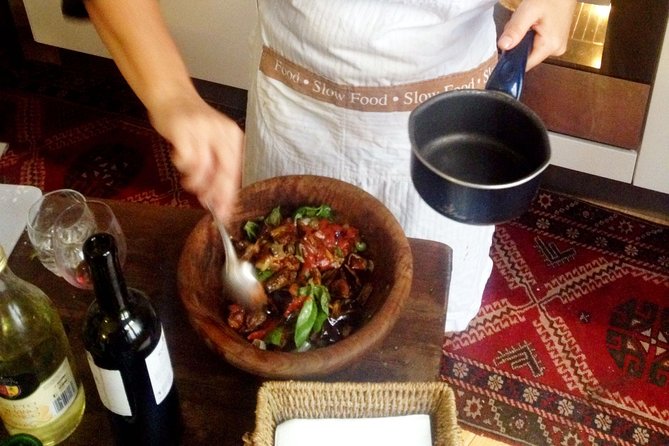
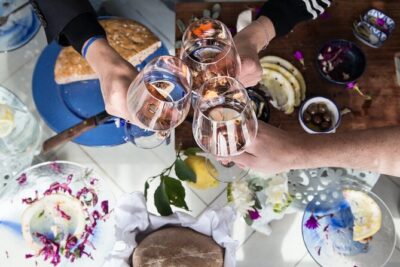
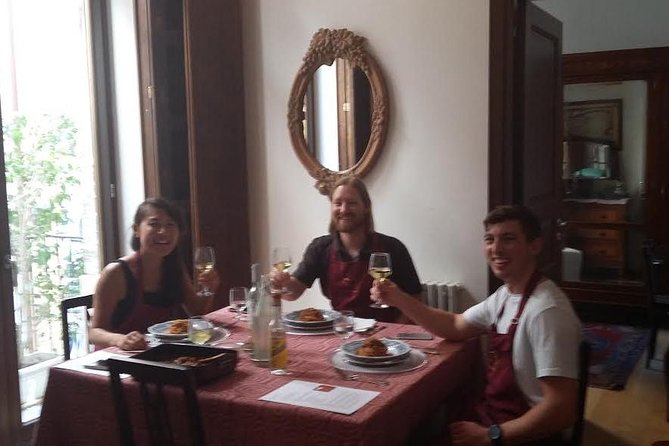
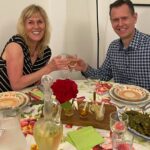
The class doesn’t stop at cooking. You’ll savor the homemade meal with Sicilian wine pairings, and you’ll also have food and wine tasting along the way.
That matters because it teaches you something bigger than a recipe card: how wine and food connect in real life. With pairings, you start noticing how the wine handles:
- sweet-sour flavors (like caponata)
- herbal or nutty notes in pesto
- salt and acidity across the full plate
You may also get extra touches depending on the flow that day. Some people report special add-ons like homemade liqueurs, but the core promise stays the same: cooking lesson plus tasting plus a plated meal.
Who’s teaching and what that adds
The experience is associated with hosts led by Patrizia, and in many sessions Giuliana (also described as a chef) helps with the cooking and serving. That family-style setup can make the class feel warm and practical, like you’re learning from people who cook this way at home, not performing for a timer.
Timing, Hands-On Cooking, and Group Size Realities
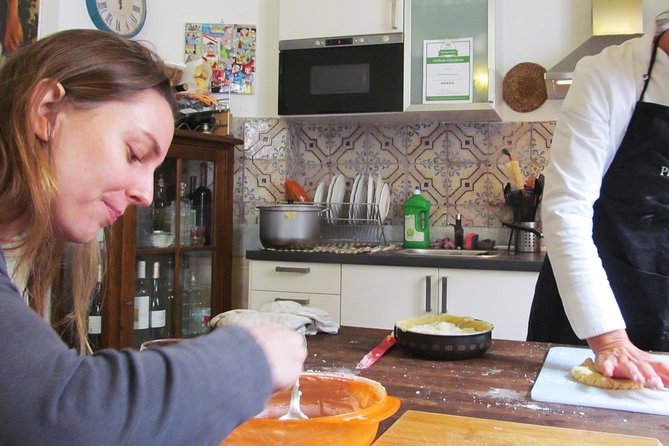
The class runs about 4.5 hours, and the structure is built for participation. You start by shopping, then move into prep and cooking, then finish with eating. It’s not rushed in the “eat fast, learn less” sense. It’s paced so you can actually follow technique and ask questions.
Group size is capped at 20 travelers, which is a sweet spot for a cooking class. In smaller groups, you usually get more hands-on time and more chances to correct a technique early rather than hoping it works out.
There’s also a practical wine rhythm: you start with wine from the beginning, then keep tasting as you cook and plate. Just keep in mind that it’s a lesson and a meal, so it’s not a quick stop-and-go experience.
Vegetarian and Dietary Needs: What You Should Do Ahead of Time
If you eat vegetarian, there’s a vegetarian option available. Dietary requirements should be shared at booking so the team can adjust what you cook and serve.
This is important because Sicilian dishes often lean on certain ingredients for depth. If you wait until the day of, you may not get the best match. If you have allergies or strict dietary needs, tell them clearly during booking so they can plan the market run and the menu substitutions.
Price and Value: Is $229.29 Worth It?
At $229.29 per person, this isn’t a budget activity. The value comes from what’s included and how the time is used:
- a guided market ingredient run
- a hands-on cooking lesson in a home kitchen
- a lunch or dinner depending on departure time
- wine and food tasting with the meal
If you’d otherwise spend money on a restaurant meal plus a separate “food activity,” the pricing starts to look more reasonable because you’re getting both instruction and the full eating experience. You’re also learning Sicilian-specific technique and ingredients, not just eating Sicilian food.
One small cost to plan for: the listed price does not include the parking fee, which is payable at check-in. Hotel pickup and drop-off also aren’t included, so factor in transport to and from the meeting point.
Who This Palermo Cooking Class Fits Best
This works best if you want more than a meal. You’ll like it if:
- you enjoy learning through cooking, not just listening
- you want regional Sicilian dishes like caponata and busiate
- you like market experiences and want to practice ingredient judgment
- you’re happy to spend half a day in one place, cooking and eating
It may be less ideal if you want a cooking class that’s heavily about pastry-making or specific desserts only. The class menu centers on Sicilian savory classics (with dessert often appearing in the flow, based on how the hosts run sessions), so your best fit is savory-focused learning.
Solo travelers often do well here too, because the activity format encourages interaction around the table and during prep.
Should You Book Sicilian Cooking Class in Palermo?
If your idea of a great Sicily day includes shopping for ingredients, cooking with a local host, and then eating a real homemade Sicilian meal with wine, I’d book it. The small group cap and the focus on Sicilian signatures like agrodolce caponata and Trapani pesto with busiate make it feel specific to the region, not generic “Italy cooking.”
Skip it only if you strongly prefer classes without alcohol, or if you don’t want to handle your own transport to the meeting point (since pickup/drop-off isn’t included, and parking has an extra fee).
FAQ
How long is the Sicilian Cooking Class in Palermo?
It lasts about 4 hours 30 minutes.
Where do I meet for the class?
You meet at Via Volturno, 78, 90138 Palermo PA, Italy.
What language is the cooking class offered in?
The class is offered in English.
Is lunch or dinner included?
Yes. It includes lunch or dinner, depending on the departure time.
Does the class include wine and tastings?
Yes. The experience includes wine and food tasting as well as the meal.
Is there a vegetarian option?
Yes. A vegetarian option is available if you request it at booking.
What isn’t included in the price?
Parking is not included (it’s payable at check-in), and there’s no hotel pick-up/drop-off.
Is there free cancellation?
Yes. You can cancel for a full refund up to 24 hours before the experience starts.
Farewell Thoughts: One Practical Move Before You Go
Before you book, send your dietary needs early and plan your transport to Via Volturno. Then show up ready to shop, chop, taste, and eat—because that’s where this class does its best work.