REVIEW · PALERMO
Sicilian Cooking Class : Homemade Pasta
Book on Viator →Operated by Mamma Corleone · Bookable on Viator
Handmade pasta beats another museum stop. In Palermo’s old town, Mamma Corleone turns a small cooking class into real Sicilian home-style food near the Cathedral.
I like that you’re taught by a local team with deep family ties, including the chef side of the operation and a real Sicilian Mamma driving the kitchen, so the techniques feel specific, not generic.
I also love the payoff: you leave with a plateful of what you made—Alla Norma homemade pasta, meatballs with tomato sauce, and almond biscuits. The main catch is simple but real: the address is in a tight old-town lane, and getting there can be harder than it looks from a cruise area, so build in time and map help.
In This Review
- Key highlights to know before you go
- Where Mamma Corleone Is in Palermo (and why that matters)
- Your 3.5 Hours: How the class usually unfolds
- 1) Arrive, get set up, and start with the pasta process
- 2) Cook the pasta with a Sicilian menu built around tradition
- 3) Make dessert and finish with what you produced
- Making homemade pasta by hand: the hands-on skill you’re really buying
- Alla Norma and meatballs: what you’ll learn beyond the recipe names
- Almond biscuits: the classic Sicilian sweet finish
- Who runs the show (and why the team matters)
- Price and value: is $182.23 for pasta lessons fair?
- Logistics that can trip you up (and how to handle them)
- Finding the meeting point
- Timing: lunch vs dinner
- Mobile ticket
- Who should book this class
- Quick etiquette and common-sense prep
- Should you book Mamma Corleone’s Homemade Pasta class?
- FAQ
- How long is the Sicilian Cooking Class: Homemade Pasta?
- Is the class offered at lunch or dinner?
- What dishes are included in the menu?
- Where do I meet for the class?
- How many people are in the group?
- Are service animals allowed?
Key highlights to know before you go
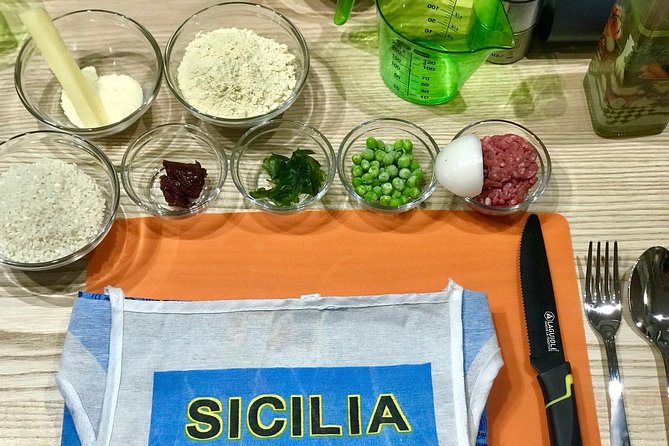
- Family-run kitchen near Palermo’s Cathedral: Located close to the main historic sights, in the old-town maze.
- You can pick lunch or dinner: Same core class, just different mealtime options.
- Hands-on, from scratch pasta: You make homemade pasta by hand, not just assemble things.
- A full menu, not just one dish: Pasta plus meatballs and a classic almond-biscuit finish.
- English support with a translator: You can follow along, even when you hit the trickier technique parts.
- Small-group feel: The experience is described as max six people, while the activity listing notes up to 12 travelers.
Where Mamma Corleone Is in Palermo (and why that matters)
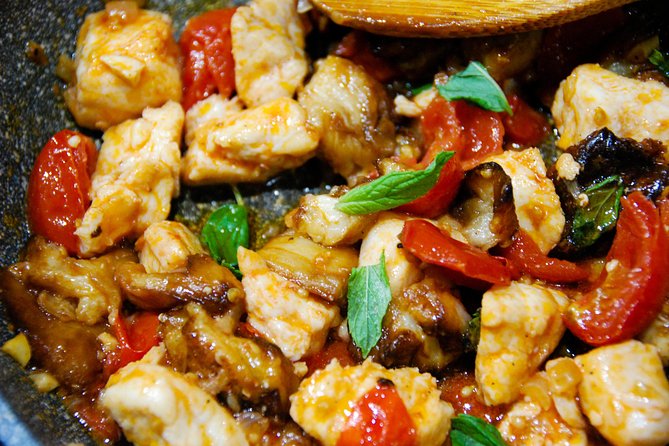
This class starts at Mamma Corleone, Vicolo Carini, 8, 90134 Palermo. It’s in the old town, very close to the Cathedral, which is a big deal for two reasons: you can build your day around it, and you’re not commuting across town just to cook.
The other reason is more practical: you’re in narrow streets. That’s fun once you’re oriented, but it can be stressful if you’re coming from a cruise ship area or you’re trying to find the place at the last minute. I’d plan to arrive early enough to get your bearings fast and still feel relaxed when you walk in.
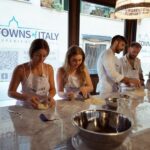
Also, the experience is set up for real conversation. The kitchen setup plus the small-group size is why this doesn’t feel like a factory class where you watch and wait. It feels more like you’re learning at a home-style station in Palermo.
You can also read our reviews of more tours and experiences in Palermo.
Your 3.5 Hours: How the class usually unfolds
The cooking class runs about 3 hours 30 minutes. You’ll either take it at lunch time or dinner time, depending on what you choose. That flexibility is useful when your Palermo itinerary is already packed with markets, churches, and beach time.
Here’s the flow you can expect, based on what the class is built to teach and what you end up eating:
1) Arrive, get set up, and start with the pasta process
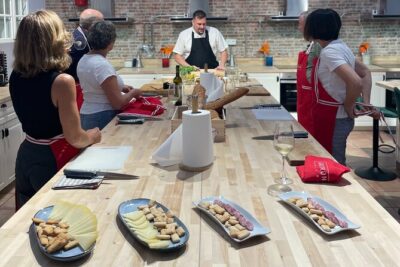
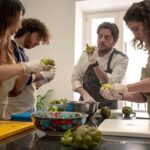
When you arrive at the kitchen, you’re not just handed ingredients and told to go. The chef team guides you through the steps and the technique. Since this class is specifically about homemade pasta, you should expect hands-on instruction that focuses on doing the work yourself.
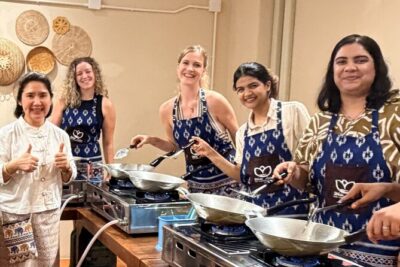
In the feedback, the common theme is that it’s practical and hands-on, with people making pasta from scratch by hand. That’s what you’re paying for: the chance to learn the method, not just the final shape.
2) Cook the pasta with a Sicilian menu built around tradition
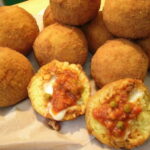
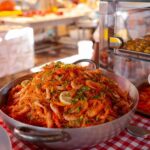
Your sample menu includes Alla Norma! as one of the mains made with homemade pasta. You’re also making meatballs with tomato sauce. The point isn’t to turn you into a Sicilian grandmother overnight; it’s to teach traditional cooking techniques in a way that makes sense once you’re standing there doing the steps.
The “technique” part matters because Palermo’s food culture is built on method—timing, texture, and how you treat ingredients. When someone shows you what to look for during the process, it’s easier to recreate later at home.
3) Make dessert and finish with what you produced
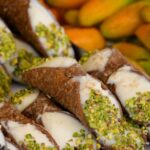
Dessert is almond biscuits, described as the classical Sicilian dessert. It’s a satisfying end because it shifts you from the savory cooking pace into something lighter, while still staying very Italian and very regional.
And yes, the portions feel generous. The class is long enough that you’ll likely eat well, so come with an appetite.
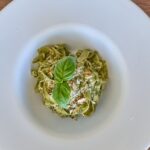
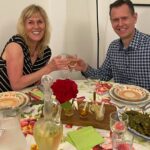
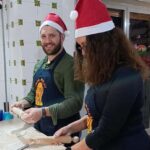
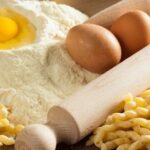
Making homemade pasta by hand: the hands-on skill you’re really buying
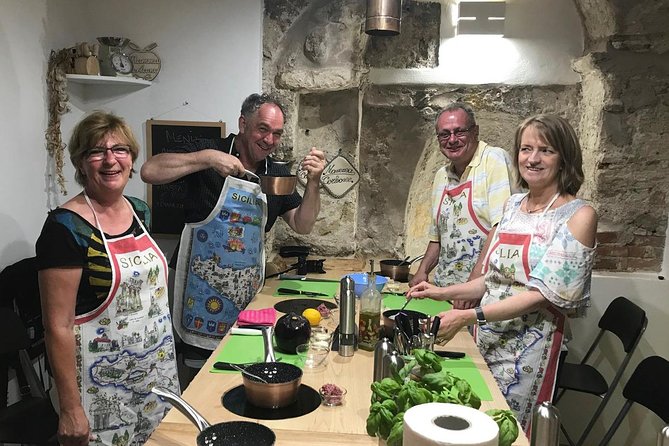
This experience is built around one main idea: if you want the flavor of Sicilian pasta, you should learn the pasta making process itself. That’s why the class name is Homemade Pasta—and why the instruction is described as hands-on.
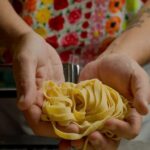
In the reviews, people repeatedly mention that the pasta was made from scratch by hand. That’s the moment that usually separates a fun food stop from a real skill you can take home. You’ll learn how to work dough, how to move through the steps with confidence, and what the end result should feel and look like.
English is offered, and in practice that usually means you’re not left guessing. A translator is part of the experience, with feedback naming people like Lorenzo and Riham alongside chefs such as Maria. On the day you go, you’ll work with the team assigned, but the overall setup is designed so you understand what’s happening and why.
Alla Norma and meatballs: what you’ll learn beyond the recipe names
Your menu includes two standout savory components:
- Alla Norma! as a pasta main
- Meatballs with tomato sauce as a second main
I like this pairing because it teaches different rhythms in the same session. Pasta asks for focus and technique in the dough and cooking steps. Meatballs with tomato sauce add a different kind of attention—texture, sauce direction, and getting everything ready to serve together.
Also, the class emphasizes “traditional cooking techniques,” and that phrasing shows up in the feedback as an actual learning outcome, not just marketing language. You’re not only making a dish; you’re learning how to approach cooking in a Sicilian way—what you watch for and how you adjust.
One useful detail: the team is used to working with different diets. There’s a reported example of accommodating a child with food allergies. I can’t promise every allergy scenario, but it’s a strong sign that they take dietary needs seriously rather than treating them as an afterthought.
Almond biscuits: the classic Sicilian sweet finish
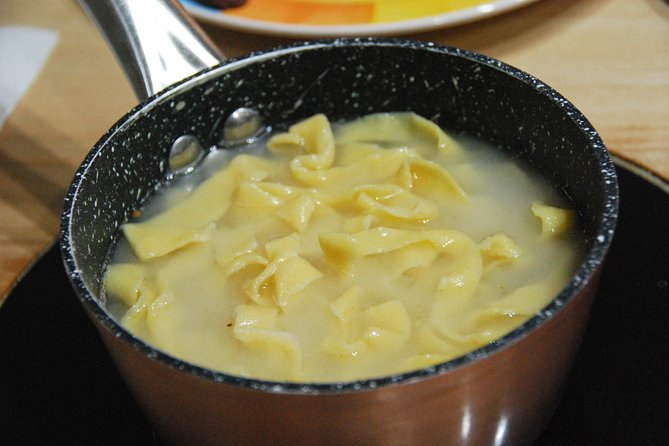
The dessert is almond biscuits, called the classical Sicilian dessert. This is a nice choice for a cooking class because it’s usually less chaotic than a full multi-step cake. In a 3.5-hour class, it also helps you end with something that feels complete and rewarding without turning the session into an all-day baking marathon.
Even better, it’s local. Almond shows up all over Sicily, and finishing with almond biscuits keeps the meal grounded in regional taste rather than defaulting to international crowd-pleasers.
Who runs the show (and why the team matters)
The kitchen is tied to a family business mission: sharing passion and knowledge about Sicilian food and taste. A key detail is that a real Sicilian Mamma drives the kitchen. That isn’t just a cute story—what it usually means in practice is that the cooking is taught as home cooking, not just technique theater.
From the feedback, the team members often named include Maria (frequently described as the chef) and additional helpers or translators such as Lorenzo, Riham, and other team roles like Sebastian or Karim depending on the session.
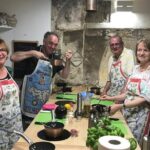
What stands out is the tone. The class is described as welcoming, friendly, and family-like. That matters because pasta making has a learning curve. If the environment is relaxed, you’re more likely to actually pick up the steps instead of feeling rushed.
Price and value: is $182.23 for pasta lessons fair?
At $182.23 per person for about 3 hours 30 minutes, you’re paying for more than ingredients. You’re paying for:
- A real kitchen setup where you can make homemade pasta by hand
- A family-run team that teaches traditional cooking techniques
- English support through a translator, so you can follow the process
- A full meal: pasta mains, meatballs, and almond biscuits
- A small-group format designed to keep attention on you (the class is described as max six, while the listing notes up to 12 travelers)
Is it cheap? No. But it can be good value if you treat it like a hands-on experience rather than a snack-and-watch activity.
If you’re the kind of traveler who buys cooking classes because you want a skill you can repeat at home, this is the type where that payoff is realistic. If you just want a casual meal without instruction, a regular trattoria will be cheaper. But for learning pasta and Sicilian technique in one sitting, the price starts to look more reasonable.
One extra factor: it’s often booked about 18 days in advance on average. That’s not a rule, but it’s a clue that popular time slots can fill.
Logistics that can trip you up (and how to handle them)
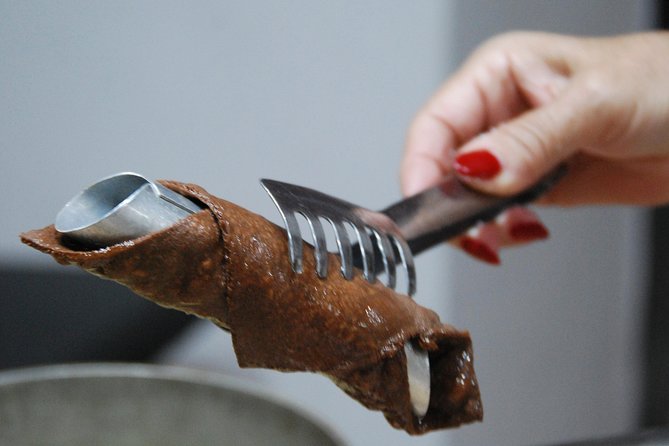
Finding the meeting point
The biggest repeat note in the feedback is location difficulty. The meeting point is at Vicolo Carini, 8, and the streets around there are narrow and easy to misread on a phone map in the moment.
Do this:
- Look up the exact address before you leave your hotel.
- Arrive early enough to slow down and ask for help if you need it.
- If you’re on a tight cruise schedule, plan extra time for getting from port to old town.
Timing: lunch vs dinner
You can choose lunch or dinner. Picking the right slot can make your whole day easier. If you want a calmer schedule, lunch can set you up for a slower afternoon. If you’re saving energy for the evening, dinner can feel like a natural closer to your Palermo day.
Mobile ticket
You’ll use a mobile ticket. Bring your phone charged, and don’t rely on low-battery luck.
Who should book this class
This is a strong fit if you:
- Want a hands-on food experience, not just tasting
- Care about learning a specific skill like making homemade pasta
- Prefer smaller group attention and a friendly, family-style vibe
- Plan to be in Palermo’s old town and like cooking near major sights
It may be less ideal if you:
- Hate street navigation and you need a very easy-from-anywhere meeting point
- Expect a purely restaurant-style meal with no time learning techniques
If you’re cooking as a couple or with friends, the small-group structure tends to make it feel personal. You also get the chance to talk with the team, which can turn into useful food tips for the rest of your trip.
Quick etiquette and common-sense prep
I’d come ready to work. Even if you’ve cooked before, a pasta class uses your hands in a new way. Wear clothes you don’t mind getting a little dough or sauce on.
You should also plan your hunger around the menu. This isn’t just a bite and a demo. You should expect to eat what you make, including dessert.
And if you have dietary needs, ask about what they can accommodate. The good sign here is that they’ve handled allergies in at least one reported case.
Should you book Mamma Corleone’s Homemade Pasta class?
Yes, if you want a Palermo highlight that mixes traditional Sicilian cooking with real skill practice. The class is built around homemade pasta, with a full menu finish: pasta (including Alla Norma!), meatballs with tomato sauce, and almond biscuits. With English offered and translators named in feedback, it’s also easier to understand what you’re doing than many cooking classes.
I’d only hesitate if you’re the type who needs ultra-easy logistics with minimal wandering through old-town streets. The cooking is the main event, but you’ll want to plan enough time to find the kitchen calmly.
If you like food that you can actually reproduce at home, this is the kind of class where you don’t just remember a meal—you remember steps.
FAQ
How long is the Sicilian Cooking Class: Homemade Pasta?
It lasts about 3 hours 30 minutes.
Is the class offered at lunch or dinner?
Yes. You can choose between a lunch or dinner cooking class.
What dishes are included in the menu?
The sample menu includes homemade pasta with Alla Norma, meatballs with tomato sauce, and almond biscuits for dessert.
Where do I meet for the class?
The meeting point is Mamma Corleone, Vicolo Carini, 8, 90134 Palermo, Italy.
How many people are in the group?
The experience is described as having a maximum of six people, and the activity listing also notes a maximum of 12 travelers.
Are service animals allowed?
Yes, service animals are allowed.