REVIEW · PALERMO
Palermo: Sicilian cooking class in a small group with ravioli and cannoli
Book on GetYourGuide →Operated by Family Recipe Cooking Class · Bookable on GetYourGuide
Fresh pasta, done the Sicilian way. In this small-group class near Teatro Massimo, I love that you knead and roll dough by hand from the first flour scoop to the last bite, and that Chiara and Walter add real family stories between steps. The only drawback to consider is the full 3-hour block, so it’s not the best choice if you’re trying to squeeze in quick sightseeing stops.
It feels less like a lesson and more like being invited into a Palermo kitchen. You’ll start with cannoli dough, let it rest, then move into fresh pasta and stuffing, finishing with the meal you helped create and a glass of Prosecco (or soft drinks).
In This Review
- Key Things You’ll Remember
- A Sunday Lunch Feeling in Palermo’s Center
- Cannoli Dough, Rest Time, and Fresh Ricotta
- Ravioli From Scratch: Rolling, Stuffing, and Getting It Right
- The Meal Experience: Prosecco, Stories, and Course-by-Course Fun
- Price and Value: Is $106 a Good Deal?
- Timing, Location, and What to Do With Your 3 Hours
- Who Should Book This Palermo Cooking Class?
- Should You Book This Cooking Class?
- FAQ
- How long is the Palermo ravioli and cannoli cooking class?
- What is the group size?
- What will I make and eat during the class?
- Is Prosecco included?
- Where do I meet the class?
- Can I cancel for free?
Key Things You’ll Remember
- Cannoli dough from A to Z: you make the shells yourself and learn how to handle the dough, not just decorate a dessert
- Ravioli technique you can repeat at home: hands-on pasta work that builds confidence, even if you’re a beginner
- Grandma-style tomato sauce: you make it during the class and it’s a major highlight of the meal
- Chiara and Walter’s story-driven cooking: Sicily and Palermo come through in the way dishes are explained
- Photos plus recipes after class: they take SLR photos and send them to you, along with recipes for what you made
A Sunday Lunch Feeling in Palermo’s Center
This class is based in Palermo’s historic center area, with the meeting point a few steps from Teatro Massimo. You’ll turn into Via dell’Orologio from Piazza Giuseppe Verdi, then head to number 44 at Family Recipe. It’s a convenient location, which matters because it keeps the day from feeling like logistical wrestling.
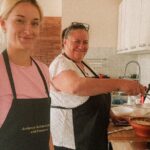
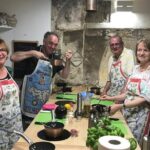
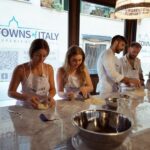
What makes it work is the small-group format. It’s limited to 6 participants, so you get real attention while you’re rolling, cutting, and stuffing. That also means you don’t spend half the time waiting your turn or watching from the sidelines. For me, the big value is that you leave with practical skills, not just photos of finished plates.
Chiara and Walter teach in Italian and English. From the way the class is described, they’re not looking for perfect technique. They’re looking for participation: knead the dough, ask questions, learn the “why” behind the steps, and then eat what you made while the food is still warm.
You can also read our reviews of more tours and experiences in Palermo.
Cannoli Dough, Rest Time, and Fresh Ricotta
You start with dessert for a reason: cannoli dough needs a little patience. Everyone creates their own cannoli dough, and you work through it from scratch, flour to eggs to kneading. The hands-on focus is a big part of why this class gets such strong praise. You’re not just assembling. You’re building.
A key moment is the rest in the fridge. While the dough rests, you don’t sit idle—you shift over to fresh pasta work for the ravioli. That pacing keeps the 3 hours from feeling like a slow waiting game. It also helps you learn the rhythm of cooking: prep, rest, then come back to the part that needs time to cooperate.
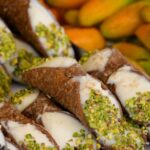
Then comes the filling. You’ll stuff the cannoli with fresh ricotta. This is where the class moves from “skills” to “reward,” because ricotta is one of those ingredients that can taste mild or magical depending on freshness and handling. The class structure makes it easy to connect what you did earlier with what you taste at the end.
If you’re worried you’ll be clumsy with dough, don’t. This is the kind of experience where instruction is step-by-step and centered on manual technique, not vague tips. Even people who don’t cook much tend to walk away proud of the result.
Ravioli From Scratch: Rolling, Stuffing, and Getting It Right
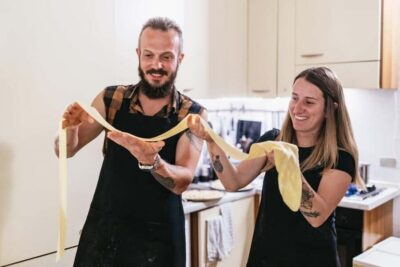
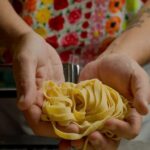
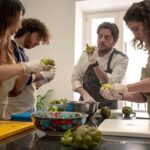
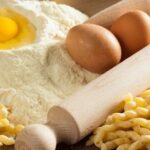
After cannoli dough prep, the class shifts to fresh pasta for ravioli. This is where you do the real work: making pasta from scratch with the basics—flour and eggs—then turning that dough into sheets and shaping the ravioli.
What I like about this part is that it teaches technique you can reuse later. You learn how dough should feel, how to handle it while working, and how to build the ravioli properly with your own hands. It’s not just a tutorial with a timer. You’ll get guidance while you’re doing it.
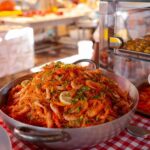
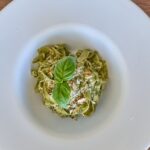
There’s also sauce in the picture. You’ll make the tomato sauce that becomes part of the meal. In fact, the tomato sauce is singled out as a standout by multiple participants, and that makes sense: if the sauce is great, the ravioli tastes even better. The class gives you the chance to connect the pasta and the sauce as one system, not two separate dishes.
Also note: the teaching includes guidelines for fresh pasta beyond ravioli, including tagliatelle-style pasta. Even if your main plate centers on ravioli, you’ll likely pick up enough understanding to recognize how the same dough choices show up in different shapes.
Practical tip for your brain: treat pasta like a craft, not a math problem. It’s mostly about feel. This class gives you that feel.
The Meal Experience: Prosecco, Stories, and Course-by-Course Fun
The class is designed like a shared meal, not a performance. Courses are explained with storytelling, and that story part is more than background noise. It helps you understand why Sicilians cook the way they do, and why certain textures and flavors matter.
You’ll sip Prosecco during the session, and you’ll also have soft drinks or snacks if Prosecco isn’t your thing. Either way, the drink is part of the atmosphere: it lowers the stress level while you’re learning something hands-on. Cooking is easier when you’re relaxed.
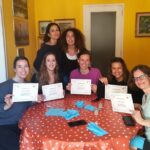
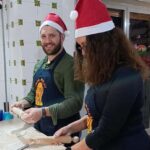
One of the most memorable touches is the social flow. There’s laughter during the process, and the hosts keep the space welcoming and familiar. This is repeatedly described as “like cooking with friends or family,” which is exactly what you want from a cooking class. You should feel comfortable asking questions or taking a second at the dough.
Photography also has a place here. They take SLR photos during the experience and send them to all participants. That means you’re not juggling your phone while trying to seal ravioli. You can focus on cooking and still get solid pictures afterward.
Price and Value: Is $106 a Good Deal?
At $106 per person for 3 hours, you’re paying for a small-group, guided, hands-on cooking session in central Palermo—not a quick tasting tour. So the question isn’t just the cost. It’s what you actually get for it.
Here’s what’s included:
- the cooking class with a local chef/host
- tasting of all dishes you prepare
- storytelling about Sicilian traditions tied to the food
- everything you need for the lesson
- a bottle of Prosecco (or soft drinks and snacks)
- local taxes
- SLR photographs sent to participants
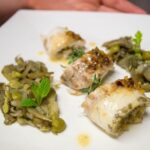
On value, the big win is that you’re leaving with a full meal and real technique. Many food experiences in Italy give you bites. This one gives you your own handiwork—dough you knead, ravioli you shape, cannoli dough you make, and ricotta filling you handle.
Also, you get recipes after. Reviews highlight that photos and recipes for the cannoli and the fresh pasta ravioli are sent along with the class follow-up. That matters for value because it turns your memories into something you can re-create at home.
If you’re the type who enjoys learning by doing, this price makes sense. If you only want to sample and you hate hands-on work, you might feel like you paid for effort. But for most people who want something more meaningful than a meal out, it’s a solid deal.
Timing, Location, and What to Do With Your 3 Hours
The class lasts 3 hours. That’s long enough to do meaningful prep, cook through steps, and still eat without rushing. It’s also short enough that you can still plan a normal dinner afterward if you want.
Because the meeting point is near Teatro Massimo, you can build the rest of your day around it. You’ll likely find it easy to fit before or after a walking loop in the center—especially if you like starting with something practical and sensory before you drift into museums and streets.
The kitchen experience itself seems very organized, with hosts teaching step-by-step. That’s important because pasta work can turn frustrating if you’re left on your own. Here, the guidance is meant to keep you moving through the steps successfully.
One thing to consider: you’ll be working with dough and likely standing at times. Wear comfortable shoes and don’t dress like you’re headed to a formal dinner. The class is friendly, but you are still making food.
And if you’re coming with family: the experience is designed for families, but if there are children under 18 in your group, they must be accompanied by a parent or guardian.
Who Should Book This Palermo Cooking Class?
This is a great fit for you if you want more than a “see and taste” activity. It’s built around hands-on pasta and dessert work plus local storytelling from Chiara and Walter.
You’ll especially enjoy it if:
- you like practical skills you can repeat later
- you enjoy food culture explained through family traditions
- you want a small-group setting with time to ask questions
- you like the idea of learning cannoli and ravioli in one go
It also works well for mixed cooking levels. Even people who don’t cook often tend to do well because the class focuses on clear steps and tactile guidance.
If your trip style is mostly museum-heavy and you hate activities that require your hands, you might prefer a lighter food tour. But if you want Palermo through flavor and technique, this class is a strong match.
Should You Book This Cooking Class?
I think you should book it if you want one standout “I learned something” experience in Palermo. The combination of small group size, step-by-step hands-on instruction, and the fact that you eat what you make hits the sweet spot.
Book it when you can give it your full attention. A 3-hour class is best when you’re not trying to sprint across town every 30 minutes.
Skip it if your idea of a perfect travel day is mostly passive. This is interactive, and that’s the point.
If you want a memorable Palermo afternoon with fresh pasta skills, cannoli-making confidence, and Prosecco while the story of Sicilian food gets told in plain language, this is an easy yes.
FAQ
How long is the Palermo ravioli and cannoli cooking class?
The class lasts 3 hours.
What is the group size?
It’s a small group limited to 6 participants.
What will I make and eat during the class?
You’ll make ravioli and cannoli, and you’ll taste all of the recipes you prepare.
Is Prosecco included?
Yes. The price includes a bottle of Prosecco, or soft drinks and snacks.
Where do I meet the class?
You meet a few steps from Teatro Massimo at Piazza Giuseppe Verdi, turning into Via dell’Orologio. The address is Family Recipe, number 44.
Can I cancel for free?
Yes. You can cancel up to 24 hours in advance for a full refund.