REVIEW · PALERMO
From the garden to the table: Sicilian cooking class
Book on GetYourGuide →Operated by Cooking with Carlo · Bookable on GetYourGuide
A garden meal beats a museum snack. This Sicilian cooking class turns Palermo views into something you can taste—fresh pasta, garden pesto, and handmade cannoli. I especially love the from-the-garden-to-the-table feel, and I also like that you sit on the terrace and actually enjoy the setting while you learn. One drawback to consider: it’s in a home setting about 12 km from Palermo center, so you’ll want to plan your timing for the short ride out and back.
What you’ll do here is simple, hands-on, and very “Sicily at home.” You’ll start with an aperitif featuring local street food, then make fresh tagliatelle with pesto from the garden (or switch to norma pasta), and finish with cannoli you assemble yourself. The group stays small—up to 8—so you’re not lost in a crowd, but the session still moves at a lively pace for 3 hours.
In This Review
- Key Highlights You’ll Care About
- Garden to Table in Conca D’Oro: The Setting That Changes the Class
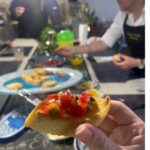
- The Aperitif First: Local Street Food + a Real Start to Cooking
- Making Fresh Tagliatelle with Garden Pesto (and the Norma Option)
- Cannoli Workshop: The Dessert You Assemble Yourself
- How Carlo Runs It: Small Group Energy, Clear Teaching
- Food That Fits You: Vegetarian and Vegan-Friendly Planning
- Duration, Pacing, and What You’ll Actually Eat
- Palermo Views While You Cook: Why the Terrace Matters
- Price and Value at Around $130.28 per Person
- Who Should Book This Sicilian Cooking Class (and Who Might Skip It)
- Should You Book It?
- FAQ
- How long is the Sicilian cooking class?
- Where does the class take place?
- What do we cook during the class?
- What’s included with the class meal?
- Do you start with food before cooking?
- Is the group size small?
- Are there vegetarian or vegan options?
- What languages are offered?
- Is the experience wheelchair accessible?
- Is there free cancellation?
Key Highlights You’ll Care About
- Garden walk and fruit tasting before you cook, so you start with real local flavors
- Terrace views of Palermo while you eat and work, not just stare at a photo spot
- Fresh pasta making with garden pesto for tagliatelle (or norma pasta as an alternative)
- Hands-on cannoli making for a dessert you build yourself
- Small group size (max 8) with English/Italian support
Garden to Table in Conca D’Oro: The Setting That Changes the Class
This is a cooking class based in a real home, not a commercial kitchen. Everything happens at the host’s place about 12 km from Palermo center, in the Conca D’Oro area, overlooking the city. When you arrive, the vibe is relaxed, outdoorsy, and easy—like you’re invited to someone’s countryside routine.
The terrace view is a big part of why this experience works. You get to work while the scene does what good travel should do: it makes you slow down. The food tastes better when you’re not rushed, and the setting helps you feel that from the first drink.
There’s also a practical upside to the home location: you’re cooking with produce and ingredients that feel close to where you are. That garden-to-table approach is the whole point of the day, and you’ll feel it when pesto tastes like something you just picked rather than something you bought.
You can also read our reviews of more tours and experiences in Palermo.
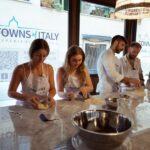
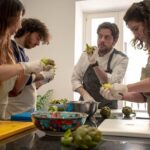
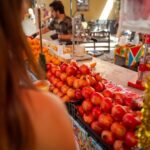
The Aperitif First: Local Street Food + a Real Start to Cooking
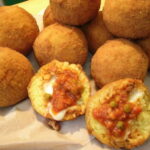
You don’t begin with flour and chaos. The class starts with an aperitif that includes local street food, plus drinks (water and wine are included as part of the meal plan). It’s a smart rhythm: you get fed a little, you settle in, and you build appetite before you start making pasta.
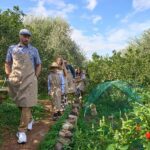
Before the cooking kicks off, you’ll also spend time around the garden. One standout detail: you can try fruits right after the snacks and drink. That moment matters because it sets the ingredient tone for the whole class—sweetness, freshness, and seasonality are not just words here.
If you like your food learning to connect to actual local life, this is where it starts paying off. You’re not only following steps; you’re tasting the raw materials first.
Making Fresh Tagliatelle with Garden Pesto (and the Norma Option)
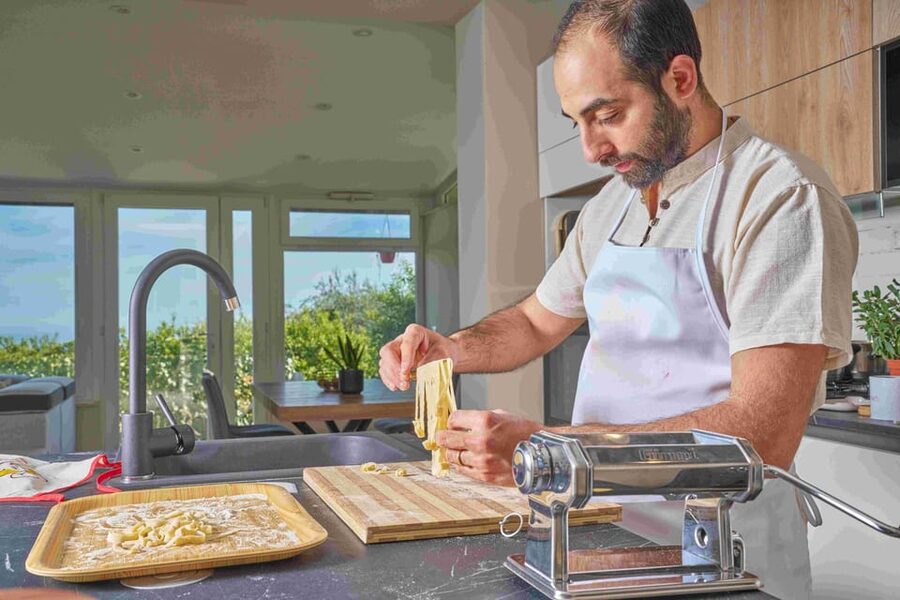
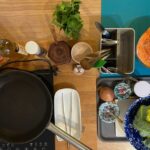
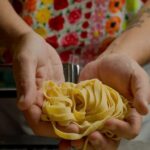
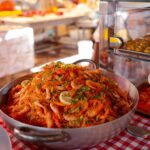
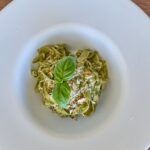
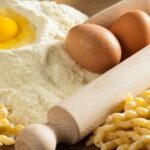
When it’s time to cook, the focus stays hands-on. You’ll prepare fresh tagliatelle and make pesto using ingredients from the host’s garden. In practical terms, that means you get a real chance to understand how pesto flavor changes depending on what’s in season and how it’s handled.
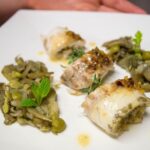
And if tagliatelle with pesto isn’t the track you want, there’s an alternative: you can prepare norma pasta instead. Norma is a classic Sicilian combo, and having an option like this is useful if you’re traveling with specific tastes or you’re curious about a different regional dish.
In a cooking class, this is the difference between “watch and eat” and “learn something you can repeat.” Here, you get the texture, the timing, and the technique of working with dough and sauce—not just the final plate.
Cannoli Workshop: The Dessert You Assemble Yourself
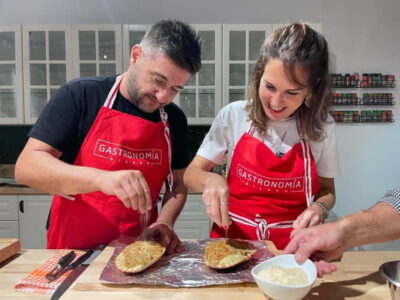
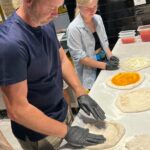
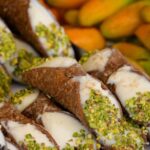
Cannoli can be a little intimidating if you’ve only ever had them from a shop. Here, the class brings it down to something doable. You’ll make cannoli (and the experience is hands-on, not a demo), so you learn how to assemble the dessert at the end in a way that makes sense.
What I like about this portion is the payoff. Pasta is satisfying, but cannoli is the part you’ll remember because it’s playful and very Sicilian—sweet, creamy, and built by you. It’s also a good way to finish a cooking session because it gives the afternoon a clear “done” moment.
Just as important: it keeps the class balanced. You get savory skills, then you shift into dessert techniques, all within the same 3-hour structure.
How Carlo Runs It: Small Group Energy, Clear Teaching
The experience is hosted by Cooking with Carlo, and Carlo is the name you’ll hear most. From the way the class is described, Carlo keeps it personal and clear—good for beginners and for confident cooks who still want instruction.
One practical detail you’ll appreciate: Carlo contacts you the day before to make arrangements and asks extra questions. That’s a strong sign the host is paying attention to details, especially with a home-based experience where timing and pickup coordination matter.
Because the group is limited to 8 participants, the teaching feels less like you’re in a lesson and more like you’re cooking with a small table of people. You still get structured steps, but you’re more likely to get help when you need it—whether it’s dough timing, pesto consistency, or shaping cannoli.
Food That Fits You: Vegetarian and Vegan-Friendly Planning
If you eat vegetarian or vegan, you’re not stuck with an afterthought dish. The class notes that for vegans or vegetarians they will surely find the best dishes. That wording suggests they take dietary needs seriously, and in a cooking class, that’s what you want.
Rather than assuming “substitutions will happen,” you should plan to share dietary preferences ahead of time (and Carlo’s day-before contact is exactly the kind of moment where that can be handled well). This matters because the best Sicilian dishes depend on ingredient integrity—herbs, vegetables, and preparation style.
Duration, Pacing, and What You’ll Actually Eat
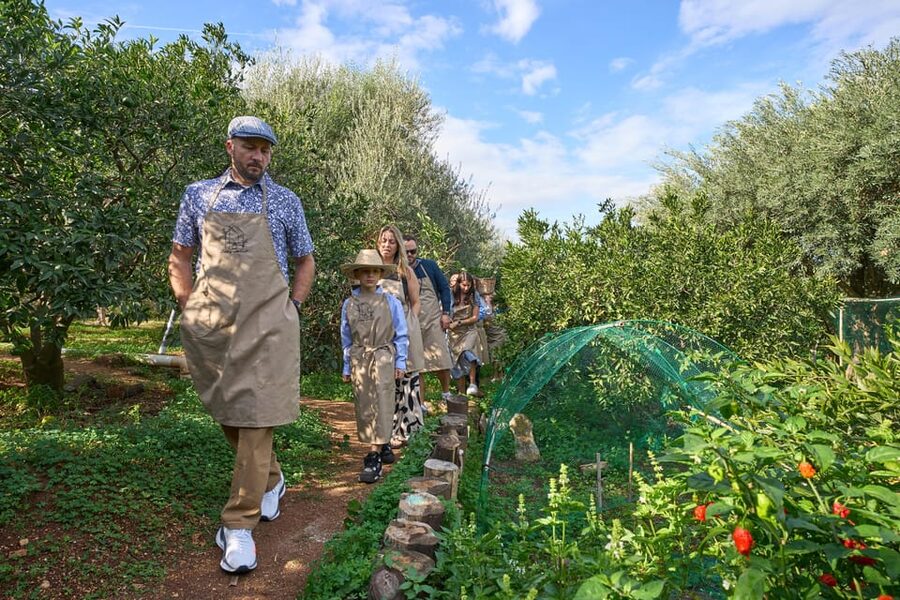
The class runs about 3 hours, so it’s not a half-day immersion marathon. The flow is: garden time and sampling, an aperitif with local street food, fresh pasta making, cannoli making, and then you eat your meal. Lunch/dinner is included, along with water and wine.
For most people, 3 hours feels just right. You’ll get enough time to make things with your hands, not just taste, but you won’t lose the evening to a long cooking timeline—handy if you still want to explore Palermo afterward.
One small consideration: it’s a structured class, so plan to show up on time and be ready to cook. If you prefer leisurely sightseeing and hate schedules, you might feel the pace. If you’re into hands-on food, you’ll likely love it.
Palermo Views While You Cook: Why the Terrace Matters
Plenty of tours show you a view. This one uses the view as part of the experience. Sitting on the terrace while nature and Palermo unfold below you changes the mood of the class from indoor workshop to outdoor table.
It also makes the meal feel more special. Cooking is one thing; cooking while you’re relaxed and watching the city in the distance makes the whole thing feel like an evening you’ll repeat in your memory.
If you’re the type who wants food experiences tied to place—not just a recipe—this is a strong match.
Price and Value at Around $130.28 per Person
At $130.28 per person for about 3 hours, the question is value: what do you get for the money? Here’s the practical breakdown based on what’s included: aperitif with local street food, pasta making, cannoli making, lunch/dinner, plus water and wine.
You’re paying for more than food. You’re paying for ingredient access (garden produce), real instruction, and a small-group setting with a host teaching in a home environment. That’s why the class can feel worth it even if you could eat well elsewhere for less.
The small group limit (max 8) matters too. More personal attention and a calmer pace tend to be hard to replicate in bigger tours. If you’re comparing value, treat it like a guided culinary meal plus skill-building, not like a restaurant dinner.
If you’re a foodie who likes learning, the price becomes easier to justify. If you only want a quick bite with no desire to cook, it’s probably more than you need.
Who Should Book This Sicilian Cooking Class (and Who Might Skip It)
I’d point you here if you want an authentic Palermo-area food experience with hands-on skills. It’s ideal for couples, small groups of friends, and solo travelers who like meeting others while still getting real attention from the host.
It also works well if you’re curious about Sicilian basics like pasta technique and cannoli assembly, and you like the idea of pesto coming from an actual garden rather than a jar.
You might skip it if you strongly dislike scheduled activities, if you hate cooking in a group, or if the idea of traveling 12 km outside Palermo center to a home setting doesn’t appeal to you.
Should You Book It?
Book it if you want a garden-driven Sicilian meal, a small group experience, and real hands-on cooking: tagliatelle with garden pesto (or norma pasta) plus cannoli. The terrace view and the aperitif start with local street food make it feel like a full evening event, not a rushed demonstration.
Think twice if you’re hoping for something purely sightseeing-focused or you’re expecting a big commercial venue. This is intentionally personal, home-based, and guided—so your comfort with cooking and timing will shape how much you enjoy it.
If you do book, send dietary needs early, arrive on time, and ask any questions during the day-before contact window. That’s the best way to make the experience fit your preferences from the start.
FAQ
How long is the Sicilian cooking class?
The class lasts about 3 hours.
Where does the class take place?
It happens at the host’s home in Conca D’Oro, about 12 km from Palermo city center.
What do we cook during the class?
You’ll make fresh tagliatelle with pesto from the garden, or you may make norma pasta, and you’ll also make cannoli.
What’s included with the class meal?
Lunch/dinner is included, along with water and wine.
Do you start with food before cooking?
Yes. The experience includes an aperitif with local street food, and you also get snacks and drinks before starting to cook.
Is the group size small?
Yes. The class is limited to 8 participants.
Are there vegetarian or vegan options?
For vegans or vegetarians, they will surely find the best dishes.
What languages are offered?
The host or greeter supports English and Italian.
Is the experience wheelchair accessible?
Yes, it is wheelchair accessible.
Is there free cancellation?
Yes. You can cancel up to 24 hours in advance for a full refund.