REVIEW · KANDY
Kandyan Hut Cooking Class
Book on Viator →Operated by Kandyan Hut Cooking Class · Bookable on Viator
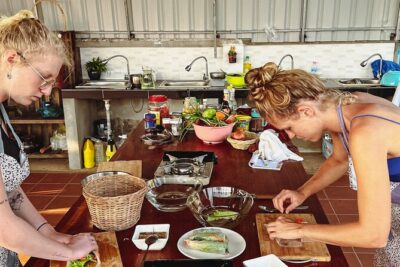
Food in Kandy has a way of sticking with you. This class turns that memory into skills, with step-by-step cooking led by local chefs and the kind of flavor you can trace to real spices and fresh produce. You’ll learn key dishes like egg hoppers and coconut curries, then sit down for the meal you helped make in a home-style setting. The best part is that you don’t just taste—you cook.
I particularly loved two things: the hands-on cooking format (you’re working at the stove, not watching from afar) and the ingredient focus, from spices to locally sourced produce. One thing to keep in mind: the class runs about 2.5 hours, so it’s not the slow, leisurely pace of a long workshop—expect a full schedule with quick transitions from prep to cooking to eating.
You’ll also get tea and local sweets along the way, plus stories about each recipe’s traditions. And at the end, you’ll take away the knowledge (and recipes) to recreate these flavors back home.
In This Review
- Key highlights you’ll care about
- Where Kandyan Hut Cooking Class Fits in Your Kandy Plan
- Meeting at Peradeniya Road: what the start feels like
- Market Visit Option: shopping for flavor first
- Welcome Tea and Local Sweets: the best pre-cook break
- Cooking the Classics: egg hoppers, sambol, curries, and more
- Egg hoppers: texture is everything
- Coconut sambol: bright, quick, and surprisingly versatile
- Dhal curry and rice-and-curry combos: the backbone of a Sri Lankan meal
- Kottu roti: why it’s a favorite
- The Cooking Narration: recipe stories that make it stick
- Eating What You Cook: a home-style meal that feels complete
- Value for $22: what you’re really paying for
- Group size, timing, and practical pacing
- Getting the Recipes Home: what you’ll be able to repeat
- Should You Book Kandyan Hut Cooking Class?
- FAQ
- Where is Kandyan Hut Cooking Class located?
- How long is the cooking class?
- Is this activity private?
- What dishes will we learn to cook?
- Is there an option to visit a market?
- Do we get recipes to take home?
- What is the cancellation policy?
Key highlights you’ll care about
- Egg hoppers and coconut sambol: classic Sri Lankan dishes taught step by step
- Curry and rice foundations: learn how the flavor base comes together
- Optional market visit: see the ingredients first, then cook with them
- Local tea and sweets: a real taste of the day, not just the main meal
- Private group setup: it’s only your group participating, so you can ask questions
Where Kandyan Hut Cooking Class Fits in Your Kandy Plan
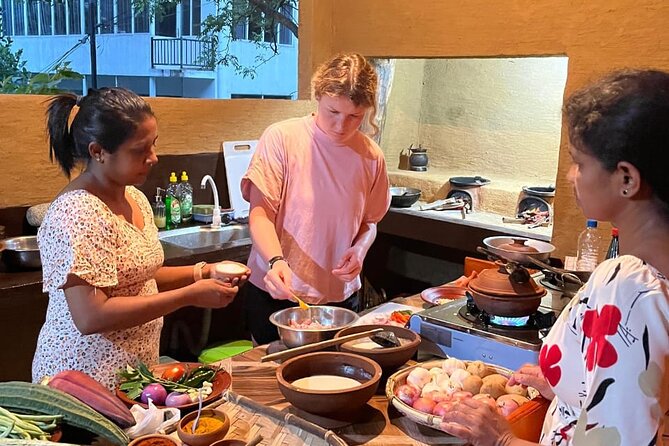
If you’re doing Kandy for the culture, the lake views, or temple mornings, this is the day-to-day payoff: food. This cooking class is set up for people who want something practical. You’re not just collecting photos of dishes—you’re learning the methods behind them.
The location is on Peradeniya Road in Kandy, at Kandyan Hut Cooking Class (No: 662/3A Peradeniya Rd, Kandy 20000, Sri Lanka). The schedule runs long hours—9:00 AM to 10:00 PM—so you can usually slot it around other plans without too much stress.
You also get a mobile ticket, which is handy in a country where plans can shift. And since it’s a private activity (only your group participates), you’re more likely to feel comfortable asking questions, including about spices and technique.
You can also read our reviews of more tours and experiences in Kandy.

Meeting at Peradeniya Road: what the start feels like
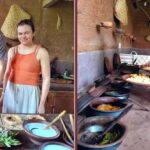
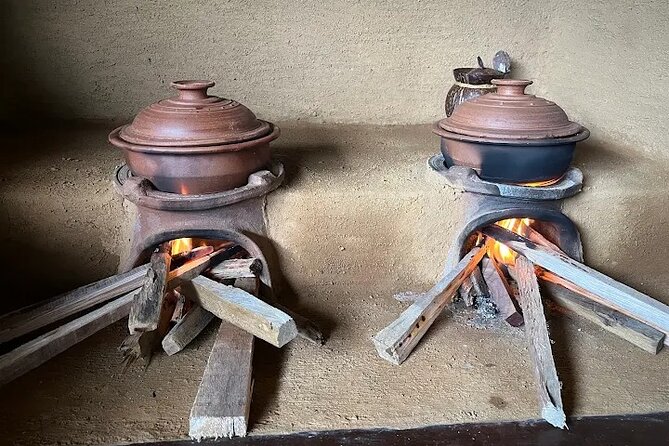
The class starts back at the meeting point, and you’ll be welcomed into a traditional-style kitchen. That detail matters more than it sounds. A home-style setup is usually where the small instructions come out—how to handle ingredients, when to adjust heat, and what “right texture” should look like as you cook.
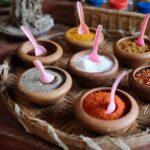
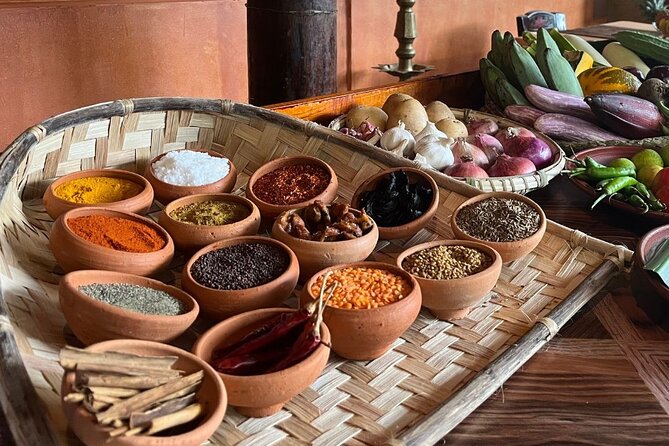
You’ll begin with an introduction to the spices and fresh ingredients that make Sri Lankan cuisine distinct. This is the part that makes the rest of the class easier to follow, because once you understand the role of the spices, you can identify what’s driving flavor in each dish.
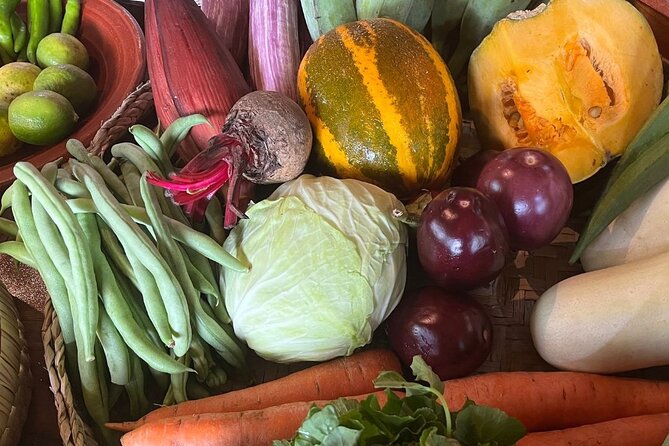
If you choose the market visit option, you’ll begin by heading out with your host to shop for seasonal produce. Even if you skip the market, you still get an ingredients-focused start, which is the reason the food tastes like the real thing rather than a generic “cooking demo.”
Market Visit Option: shopping for flavor first
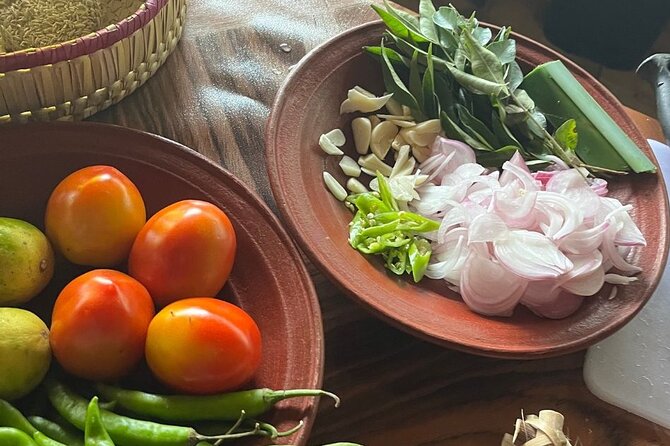
The market visit is optional, but it’s the most memorable way to connect what you eat to what you bought. You’ll explore a local market with your host, handpicking seasonal produce and learning about why certain ingredients matter culturally and in the kitchen.
Why I think this step is worth considering: Sri Lankan cooking relies heavily on freshness and a specific balance of flavors. When you actually pick items—especially produce—you get a better sense of what’s available locally, what seasonality changes, and what you can realistically recreate at home.
A small practical consideration: markets can move at a walking pace and the class timing still needs to work. If you want the longest time in the kitchen, you might choose to skip the market option and go straight to cooking. But if you enjoy food shopping as a cultural activity, the market stop adds real meaning.
Welcome Tea and Local Sweets: the best pre-cook break
Before the burners really start, you’ll be served traditional tea and local sweets. This is a nice rhythm choice. It gives you a moment to reset, especially if you arrived hungry or your day in Kandy has been a mix of walking and sightseeing.
It’s also a gentle orientation to the day’s flavors. Tea and sweets in Sri Lanka aren’t just “snacks.” They set a context for the meal you’re about to cook, and they keep the class from feeling like a nonstop cooking sprint.
Cooking the Classics: egg hoppers, sambol, curries, and more
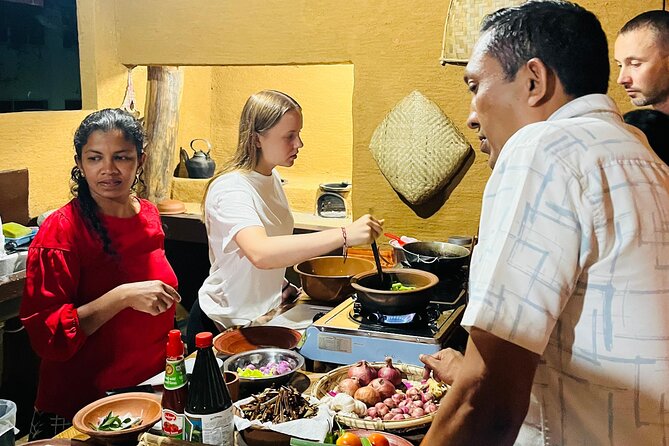
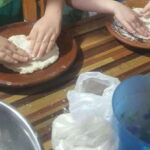
This is the core of the experience: a step-by-step session with experienced local chefs guiding you in the kitchen. You’ll learn to prepare classic Sri Lankan dishes such as coconut sambol, dhal curry, egg hoppers, and aromatic rice and curry combinations. Kottu roti is also part of what you can expect as a featured dish in the class lineup.
Here’s why the approach is valuable. Sri Lankan food isn’t one single sauce or one single spice. It’s a combination—spice base, coconut use, balancing heat, and building flavor as you cook. Learning the dishes in sequence helps your brain connect each component to the final taste.

Egg hoppers: texture is everything
Egg hoppers are a good example of why hands-on instruction matters. They require attention to heat and batter behavior. During your session, you’ll work through the steps rather than just getting an overview, so you can understand what cues to watch for—thickness, bubbling, and the right doneness for the egg.
If you’re trying to recreate this later, this is one of the dishes where the technique drives the results more than the ingredient list.
Coconut sambol: bright, quick, and surprisingly versatile
Coconut sambol is fast and flavorful, which makes it a great “win” dish in a class like this. You’ll learn how coconut, spice, and seasoning come together into something that tastes sharp and aromatic instead of heavy. In the kitchen, you’ll practice the steps that help sambol keep its character rather than turning into a bland mix.
Dhal curry and rice-and-curry combos: the backbone of a Sri Lankan meal
Dhal curry is all about building depth. You’re not just cooking lentils—you’re learning how spices and simmering work together. Then it’s paired with aromatic rice and curry combinations, which shows you how dishes are meant to work as a set.
If you like meals where every component has a job—comfort from the curry, lift from seasoning, and structure from rice—this part will click. It also gives you a template for cooking back home: you’ll learn the logic of pairing rather than treating each dish as a standalone.
Kottu roti: why it’s a favorite
Kottu roti is mentioned as a key dish in the class. It’s one of those Sri Lankan comfort foods where the process is part of the magic. Even if you don’t end up thinking of yourself as someone who cooks often, this is the kind of dish you’ll remember because it feels alive—hot, fragrant, and full of energy.
The big benefit for you is that you learn what you’re actually doing, not just the final product.
The Cooking Narration: recipe stories that make it stick
Throughout the class, you’ll hear stories about the history and traditions behind the recipes. You don’t need to love history to appreciate this. When you understand why a dish is made a certain way, you cook it with more intention.
In particular, the class has a friendly, patient teaching style that comes through in real experiences. In one class setup, the teacher Anu and Anu’s sister in law were described as patient and kind—exactly what you want when you’re working with spices, timing, and hot pans. In another setup, the owner Upul and his wife, Mrs. Asha, were highlighted for doing excellent work and keeping things welcoming. That kind of care matters because it encourages questions when something doesn’t go right the first time.
Eating What You Cook: a home-style meal that feels complete
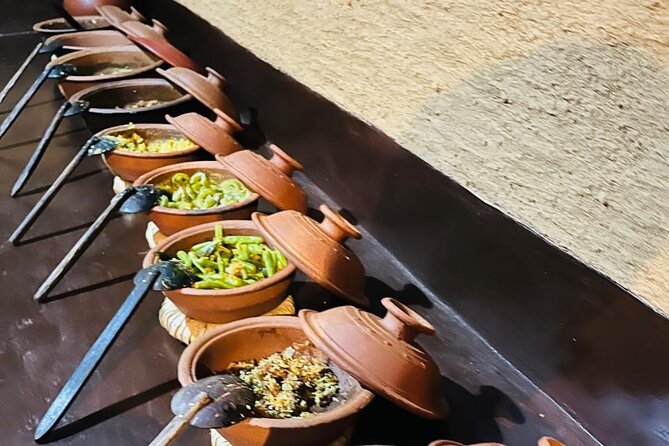
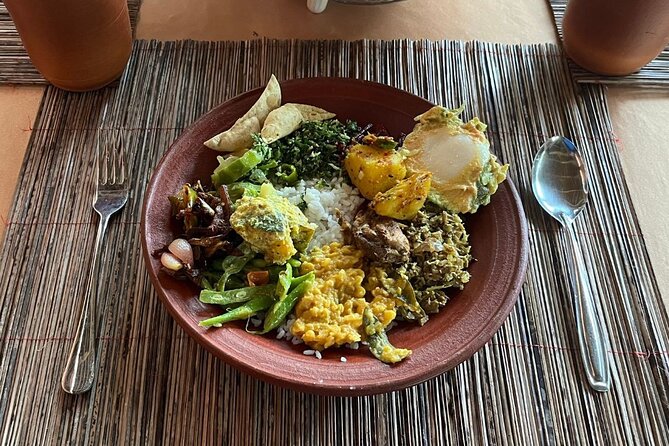
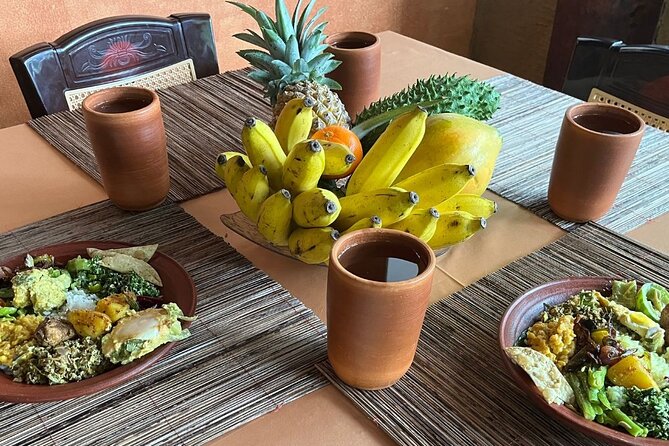
After cooking, you relax and enjoy the meal you created together. It’s served in a friendly, home-style setting—so the class ends the way it should: with food on the table, not plates stacked waiting for you to clean up.
This meal component is more than a reward. It’s where you learn how everything tastes as a whole. Curry, sambol, and the hopper or rice dish aren’t meant to be judged separately. When you eat them as a combo, you get a better sense of balance—spice level, coconut richness, and how the savory dishes pair with tea.
Value for $22: what you’re really paying for
At $22.00 per person, this class is priced in the range where you should expect a meaningful return on your time. You’re paying for more than ingredients. You’re paying for:
- step-by-step guidance from local chefs
- instruction tied to classic Sri Lankan dishes
- access to fresh ingredients (and potentially market shopping)
- tea and local sweets
- the meal you cook together
- recipes you can take home and use later
For many food experiences, the cost is tied mainly to the meal. Here, the price includes the learning. If you like cooking—or even if you just want to leave with a few dishes you can repeat—this is a solid value.
Group size, timing, and practical pacing
This is a private tour/activity, so only your group participates. That matters. You’re more likely to get personal help with technique and less likely to feel rushed by a crowd.
The duration is about 2 hours 30 minutes (approx.), which shapes the whole experience. It’s enough time to learn multiple dishes and eat, but it’s not designed as a half-day food crawl. If you like structured activities with a clear finish, this works well.
Also note the daily opening window (Monday through Sunday, 9:00 AM to 10:00 PM). You can plan around your other Kandy stops without needing to force everything into a single tight schedule.
Getting the Recipes Home: what you’ll be able to repeat
The class includes recipes to take home. That’s a big part of why this experience is worth doing instead of just eating out. With written recipes, you can replicate flavors without relying on memory alone.
And because you learn technique—how to build curry flavor, how to handle egg hoppers, how to put coconut sambol together—you’ll know what to look for the next time you cook, even if your ingredients at home aren’t identical.
If you’ve ever cooked a dish once and thought, I liked it, but I can’t redo it, this is the fix. You’re learning the method, not just the final plate.
Should You Book Kandyan Hut Cooking Class?
Book this if you want a Kandy experience that’s hands-on, food-focused, and practical. It’s a great choice if you enjoy cooking or you want to leave Sri Lanka with recipes you can actually use—not just restaurant memories.
Skip it (or at least consider your timing) if you prefer slow, long activities and you don’t want a fast-paced kitchen schedule. With a 2.5-hour format, the day is structured, and you’ll move from intro to cooking to eating without a lot of downtime.
If you can do it on a day when you’re hungry enough to cook and eat, this is one of the best ways to understand Sri Lankan flavor in a way that follows you home.
FAQ
Where is Kandyan Hut Cooking Class located?
It’s in Kandy on Peradeniya Road at No: 662/3A Peradeniya Rd, Kandy 20000, Sri Lanka.
How long is the cooking class?
The class runs about 2 hours 30 minutes (approx.).
Is this activity private?
Yes. It’s a private tour/activity, and only your group participates.
What dishes will we learn to cook?
You can expect instruction on dishes such as coconut sambol, dhal curry, egg hoppers, aromatic rice and curry combinations, and kottu roti.
Is there an option to visit a market?
There is an option to include a local market visit, where you handpick seasonal produce with your host.
Do we get recipes to take home?
Yes. You’ll receive recipes so you can recreate the flavors later.
What is the cancellation policy?
You can cancel for a full refund up to 24 hours before the experience starts. If you cancel less than 24 hours before, the amount paid is not refunded.