REVIEW · KANDY
Private Traditional Sri Lankan Cooking Class in Kandy with Hotel Transfers
Book on Viator →Operated by Yummy Kandy Cooking Class · Bookable on Viator
Cooking in Kandy has a smell you remember. This small-group cooking class with Chitra turns Sri Lankan spice know-how into something you can actually do, from cutting vegetables to cooking curry. With hotel transfers, the whole morning feels stress-free.
I especially love the hands-on flow: you’ll get an intro to spices and vegetables, then you pick your curry, chop, cook, and learn the method as you go. The biggest trade-off is time: it’s about 3 hours, so if you’re trying to cram in big sightseeing blocks, plan a lighter schedule before and after.
In This Review
- Key Highlights You’ll Feel Right Away
- A Kandy Cooking Class That Starts with Real Sri Lankan Flavor
- Hotel Transfers and a Simple 10:00 am Morning Plan
- What Happens When You Walk In: Spices, Vegetables, and Choice
- Hanthana Mountain Range: A Scenic Start That Keeps It Local
- Curries You Can Expect to Make (and Why They Teach You More)
- Tea, Cutting Boards, and How to Learn Without Feeling Lost
- Dining on Your Own Work: The Meal at the End
- Vegan and Gluten-Free Options That Don’t Leave You Out
- Price and Value: What You’re Paying For at $120
- Who This Cooking Class Fits Best
- Should You Book This Sri Lankan Cooking Class in Kandy?
- FAQ
- What time does the class start?
- How long is the cooking class?
- Is hotel pickup included?
- Is this a private class?
- Will I be able to choose what curry to cook?
- Are vegan and gluten-free meals available?
- What happens after cooking—do we eat the food?
- Is free cancellation available?
Key Highlights You’ll Feel Right Away
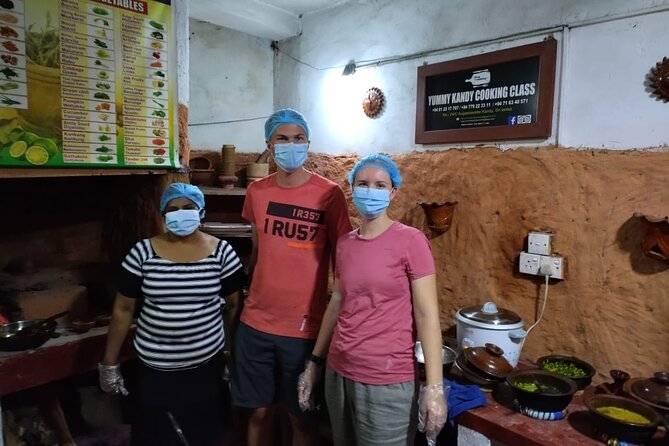
- Small-group, private setup so you get personal attention while you’re cooking and asking questions
- Hands-on curry making where you choose what to cook and do the prep work
- Welcoming tea or coffee right after pickup, setting a friendly pace from minute one
- Hanthana Mountain Range starting point that gives the experience a local Kandy feel before the cooking begins
- Vegan and gluten-free options available so you can cook and eat together
- You dine at the end on your own food, not a rushed stop-and-go meal
A Kandy Cooking Class That Starts with Real Sri Lankan Flavor
Kandy is a great base for culture, tea, and hill-country views. But a cooking class is different. It gets you closer to everyday life: what people cook at home, how spices smell when they hit heat, and why certain combinations make sense. This class is built around traditional Sri Lankan cooking, with a professional instructor named Chitra and a small-group, private feel.
The tone matters. You’re not watching a show. You’re actively making dishes—cutting vegetables, handling ingredients, and learning the steps that turn basic components into a curry that tastes like it belongs to Sri Lanka. The class also ends with a proper sit-down meal, so you taste the result while things are still fresh and you can ask follow-up questions.
At roughly 3 hours, it’s short enough to fit into a Kandy itinerary without wrecking your day. It’s also long enough that you’ll finish feeling like you learned something practical, not just ate a meal.
You can also read our reviews of more tours and experiences in Kandy.
Hotel Transfers and a Simple 10:00 am Morning Plan
The logistics are one of the quiet wins here. You get pickup from your hotel, which matters in Kandy where going from place to place can eat up time fast. Your day starts at 10:00 am, and the flow is straightforward: pickup first, then a welcome drink of tea or coffee.
That first drink does more than wake you up. It sets a relaxed rhythm. You’re not thrown into the kitchen right away. You get a moment to settle, meet the instructor, and start paying attention to the ingredients and spice talk that comes next.
If you like smooth travel days—especially when you’re juggling traffic, directions, or just want to focus on the experience—this format is a good match. And because it’s a private tour/activity, you’re not squeezed into a crowd where your questions don’t land.
What Happens When You Walk In: Spices, Vegetables, and Choice
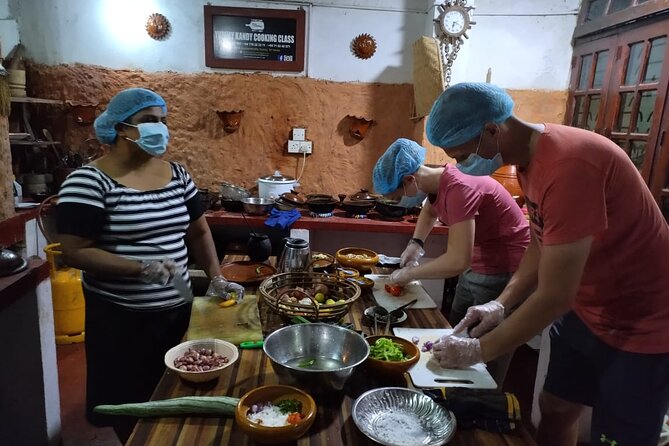
Once you’re in the cooking session, you’ll get an explanation of spices and vegetables. This is where many cooking classes either stay vague or become useful. Here, the plan is to give you context so you understand what you’re touching and cooking, not just copying steps.
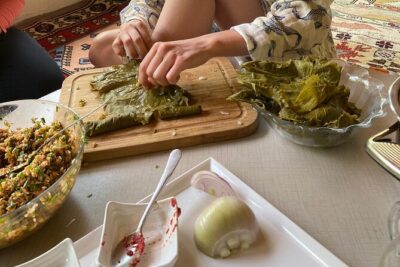
Then comes the fun part: you can choose what curry you’ll make. That choice is important because it turns the class from generic into personal. You’ll also be doing the prep work—cutting and chopping vegetables—so you’re not waiting for someone else to do the physical labor.
After that, you’ll be taught how to cook it. In other words, you’re learning the technique while the ingredients are still in front of you. That’s the difference between taking notes for later and actually building muscle memory you can reuse at home.
Hanthana Mountain Range: A Scenic Start That Keeps It Local
The experience includes Stop 1: Hanthana Mountain Range. You can think of this as the local anchor for the morning. Instead of starting in a kitchen with no sense of place, you begin with a Kandy hill-country reference point.
Why does that matter? Because it helps you feel rooted in the region you’re visiting. Kandy isn’t just a pin on a map. The surroundings shape the ingredients, the pace of life, and the way people think about food and herbs. Even if you don’t spend hours sightseeing, starting with a local mountain area makes the rest of the class feel tied to place.
If you’re the type who likes getting a quick sense of the area before a hands-on activity, this small start is a nice touch.
Curries You Can Expect to Make (and Why They Teach You More)
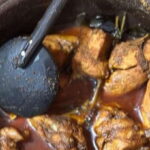
The class focuses on traditional dishes, and you’ll learn to cook a variety of Sri Lankan recipes. The description calls out options like lentils and jackfruit curry, which are great picks because they show different sides of Sri Lankan cooking: hearty, spiced comfort on one side, and fruit-based curry flavor on the other.
The real value isn’t only the finished dish. It’s the learning behind it. When you cook lentils, you learn how spices bloom and how texture forms as ingredients simmer. When you work with something like jackfruit curry, you get exposed to the idea of using ingredients that aren’t just meat-and-potatoes.
And since you choose your curry, you’ll likely cook something that matches what you’re curious about. That makes the class more memorable because it aligns with your taste.
Tea, Cutting Boards, and How to Learn Without Feeling Lost
Cooking classes can go two ways: either you feel guided, or you feel like you’re in the way. This one is set up to keep you doing real tasks at a comfortable pace.
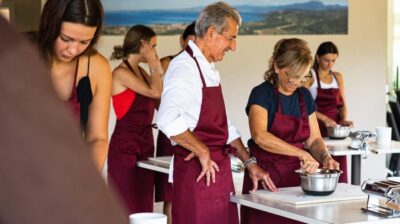
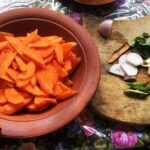
You’ll start with ingredient explanation (spices and vegetables), then do the prep (chopping and cutting), and finally cook with instruction. That sequence matters. It means you understand why you’re doing each step. It also keeps you engaged—you’re always moving, not just watching.
A practical tip: pay attention to the smell changes as the spices heat up. Even if you don’t measure anything, that sensory cue helps your brain remember what each stage is supposed to do. You’ll likely notice how the instructor guides you based on what you can see and smell, not just timing.
Also, ask questions as you go. The setup is small-group and private, so there’s room for you to clarify anything you’re unsure about—especially if you’re trying to recreate the curry at home later.
Dining on Your Own Work: The Meal at the End
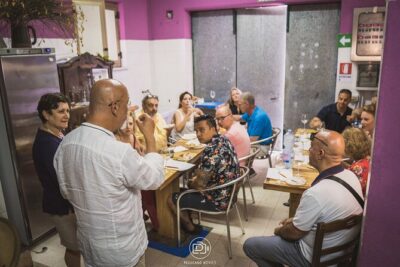
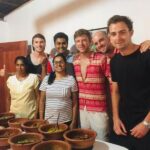
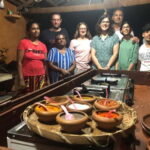
The class doesn’t end when the cooking ends. You get to sit down and dine on your creations with the instructor and fellow students. This is a big deal in the value equation.
Why? Because you taste the end result right after you cook it. You can connect flavor to technique while it’s still fresh in your mind. It also makes the class feel complete. Many cooking experiences are just a hands-on segment followed by a polite goodbye. Here, the meal is the payoff.
It’s also a social moment. You’re not alone in the kitchen. Sharing a table at the end helps you compare choices, ask what someone else made, and learn what tastes best together.
Vegan and Gluten-Free Options That Don’t Leave You Out
One of the most reassuring parts of this class is that vegan and gluten-free recipe options are available. That means you can still cook as part of the session rather than standing by while others eat.
For anyone with dietary restrictions, the biggest fear is booking a food experience and then feeling stuck with a small substitute plate. Here, the structure is built around making and eating—so the planning for dietary needs is more likely to be integrated into the class rather than tacked on.
If you’re traveling with someone who eats differently, this is also easier to coordinate. You’re aiming for a shared meal at the end, which keeps everyone included.
Price and Value: What You’re Paying For at $120
At $120 for about 3 hours, you’re paying for more than ingredients. You’re paying for:
- pickup and hotel transfers
- a small-group teaching format
- time from Chitra, a professional instructor
- hands-on prep and cooking instruction
- the meal you make and eat
If you’ve done cooking classes elsewhere, you know the cost can jump when transfers, private teaching, and dietary support are included. This price feels most reasonable if you treat it as a full morning experience—not just a snack-and-learn workshop. The meal at the end also helps justify the value because you’re not finding dinner later right after.
The other thing to consider is your travel style. If you love food that’s practical to reproduce and you enjoy being in the kitchen, this class is worth it. If you only want brief tastings and zero hands-on time, you might find a lighter food tour better.
Who This Cooking Class Fits Best
This class is a strong match if you:
- want traditional Sri Lankan cooking with real prep and real instruction
- like interactive experiences where you can ask questions
- are in Kandy for a short stay and want a high-impact activity
- have vegan or gluten-free needs and want a shared meal
It’s also great for couples, small friend groups, and families who don’t mind getting a little hands-on. Because it’s private and small-group focused, you should feel more supported than in a huge group class.
If you’re extremely time-crunched or hate cooking tasks like chopping, you may feel the physical side of the class more than you’d like. But the structure is designed so you still have a guided pace.
Should You Book This Sri Lankan Cooking Class in Kandy?
I’d book it if you want a morning that mixes culture and practical skills. The combination of hotel pickup, a welcome drink, spice-and-vegetable explanation, hands-on curry prep, and a full meal at the end makes it feel like a complete experience instead of a quick activity.
It’s especially compelling if you care about getting the how, not just the what. Cooking lentils or jackfruit curry in a guided setting is a smart way to learn flavors you might not find in everyday home cooking.
My only hesitation is the duration. If your day is packed solid, the 3-hour block can feel tight. But if you keep the morning flexible, this class is a very good use of time in Kandy.
FAQ
What time does the class start?
The experience starts at 10:00 am.
How long is the cooking class?
The duration is about 3 hours.
Is hotel pickup included?
Yes. Hotel transfers and pickup are offered.
Is this a private class?
Yes. It’s a private tour/activity, so only your group participates.
Will I be able to choose what curry to cook?
Yes. You can choose what curry you want to make.
Are vegan and gluten-free meals available?
Yes. Vegan and gluten-free recipe options are available.
What happens after cooking—do we eat the food?
Yes. After the cooking, you sit down and dine on what you made with your instructor.
Is free cancellation available?
Yes. You can cancel for a full refund up to 24 hours before the experience’s start time.