REVIEW · PALERMO
Palermo: Pasta & Tiramisu Cooking Class at a Local’s Home
Book on GetYourGuide →Operated by Cesarine · Bookable on GetYourGuide
Fresh pasta night in Palermo hits different. You get a hands-on cooking class inside a real local home with Cesarine, plus a warm-up aperitivo before you start working with sfoglia. It is a great way to learn technique, not just eat a dish.
Two things I really like: you learn to roll fresh pasta by hand and you also make tiramisu, so you leave with both savory skill and dessert confidence. The one thing to think about is logistics: it takes place in a private home and the full address is shared only after booking.
In This Review
- Key things to know before you cook
- A real home kitchen in Palermo, not a demo room
- How Cesarine’s home setup shapes your experience
- Aperitivo first: prosecco and nibbles while you get oriented
- Rolling fresh pasta sfoglia by hand
- Learning two iconic pasta types from scratch
- Tiramisu timing: resting dough, then building dessert
- The tasting and meal: wine, coffee, and what you actually take home
- Price and value at about $152.93 per person
- Who this class is perfect for (and who may not love it)
- Booking decision: should you sign up for this Palermo class?
- FAQ
- How long is the Palermo pasta and tiramisu cooking class?
- What will I learn to cook during the class?
- What is included with the experience?
- Will I know the full address before I book?
- Can the host accommodate food intolerances or allergies?
- Is this experience wheelchair accessible, and what is the cancellation window?
Key things to know before you cook
- Cesarine hosts run the class from their own homes, using family-style regional recipes
- Two pasta lessons plus a tiramisu session, with tasting at the end
- Aperitivo warm-up includes prosecco and nibbles, plus wine, coffee, and water during the experience
- Small, personal feel is common, with sessions sometimes as intimate as a couple or family group
- You work with your hands right away, including rolling fresh pasta dough
- Recipe take-home is mentioned in reviews, so ask if you want written instructions
A real home kitchen in Palermo, not a demo room
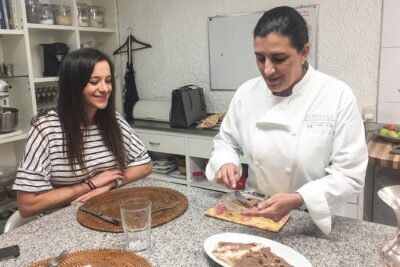
This class is built around one simple idea: cooking is easier when you learn it the way Sicilians do, at home, with a host guiding you step-by-step. Cesarine is the network behind it, and the approach matters. You are not watching from a distance. You are shaping dough, learning why it behaves the way it does, and getting feedback while you go.
I also like that it is not just pasta or dessert. You get both. That changes the whole vibe. You start with pasta as your foundation, then pivot into tiramisu when the timing makes sense (more on that soon).
One practical note: the address is not public. You only receive the full location after booking, and you may be asked for details like your neighborhood and how you plan to travel to the host’s home. In other words, you will feel like you are visiting someone’s place, not meeting in a big storefront classroom.
You can also read our reviews of more tours and experiences in Palermo.

How Cesarine’s home setup shapes your experience
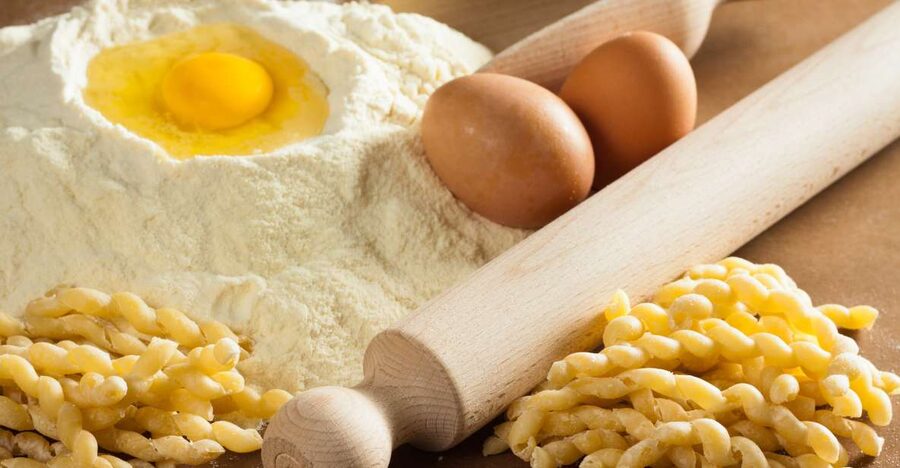
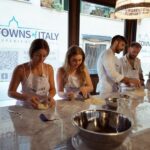
Cesarine classes happen in a local’s home, so expect a lived-in kitchen setting. That can feel extra friendly, and it also means you should plan to move around a bit and work where the host has their tools and ingredients.
The class runs in Italian and English. In the reviews, hosts like Alice, Gianpiero, Rosa, and Rosa Maria are mentioned, and they are described as patient and prepared. That is the big win in a home setup: the host can slow down for questions and correct small technique issues before they become mistakes.
You should also know what you are allowed to ask for. When booking, you are asked to share food intolerance and allergy needs, plus your neighborhood and travel plan. That is how they match you with the right home cook.
Aperitivo first: prosecco and nibbles while you get oriented
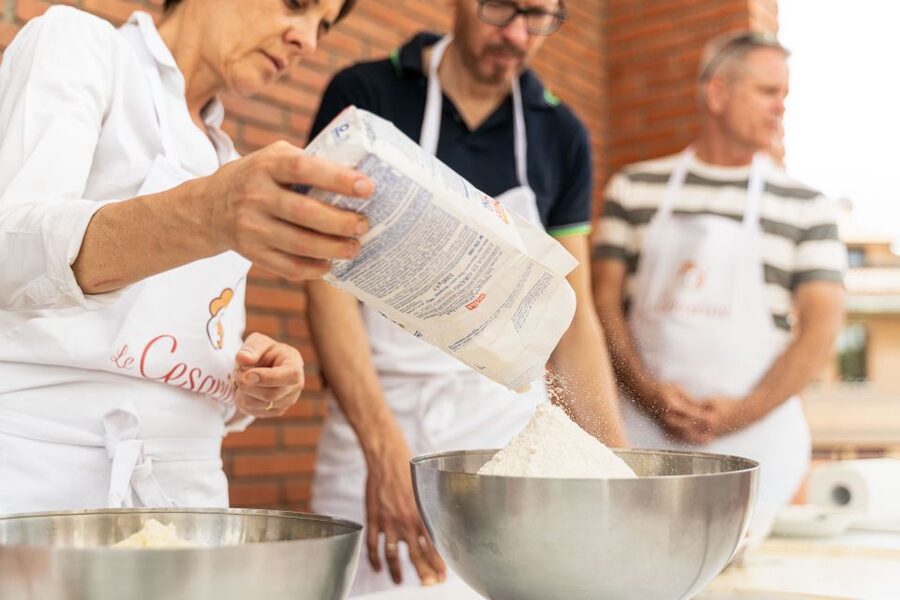
You start with an Italian aperitivo, including prosecco and nibbles. This part is not just for fun. It helps you settle in, meet your host and the group, and get a feel for the evening’s rhythm before flour starts flying.
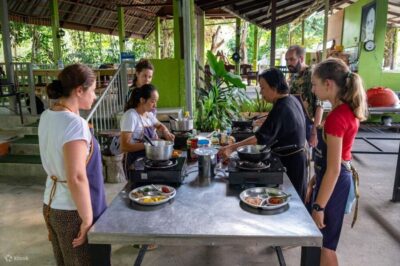
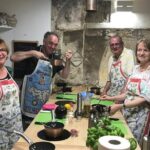
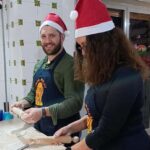
Once you start cooking, the pace stays steady. You are hands-on, but the host keeps the flow moving so you do not end up stuck waiting around. Reviews often highlight the atmosphere as warm and welcoming, with lots of laughs and conversation.
This is also where the social side clicks. You are sharing a kitchen with other guests, and many people describe leaving with new friendships from different countries. If you like a small-group format where you talk while you work, this aperitivo start is a good sign.
Rolling fresh pasta sfoglia by hand
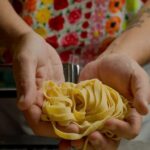
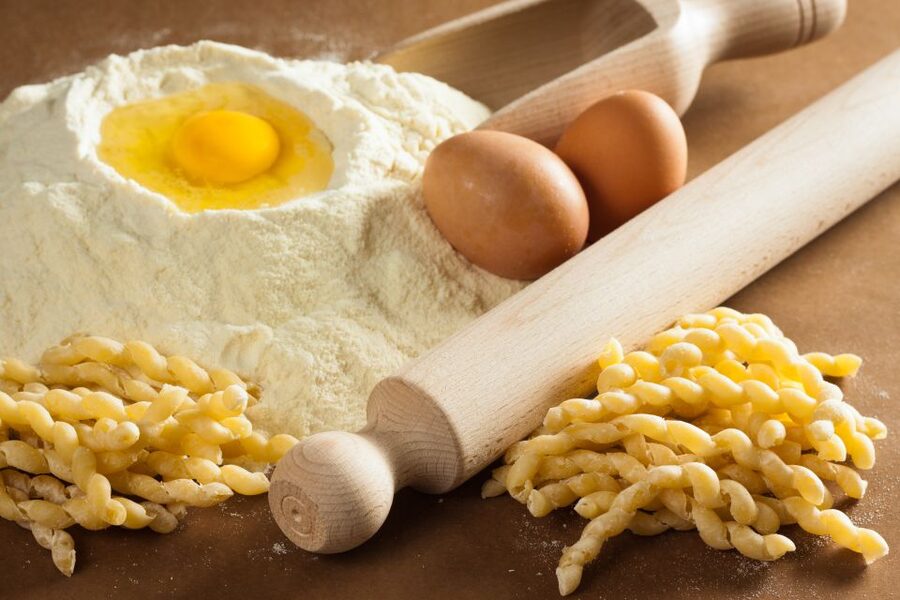
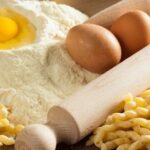
The core skill here is rolling sfoglia (fresh pasta dough) by hand. This is the part that makes the class feel like more than a meal. Once you understand how the dough should feel—how it stretches, how it firms up, how to manage thickness—you can use that knowledge again later in your own kitchen.
Hands-on pasta dough lessons also teach patience. You cannot rush the process, and you learn quick technique adjustments as you go. If you have ever made pasta in a home kitchen and wondered why it tore or came out too thick, a class like this helps you pinpoint what you did and what you should do next time.
The best part is that you are not learning this in isolation. You are making dough as part of a full course, so the lesson sticks. People in the reviews consistently praise hosts for explaining and demonstrating, then walking them through the shaping steps.
Learning two iconic pasta types from scratch
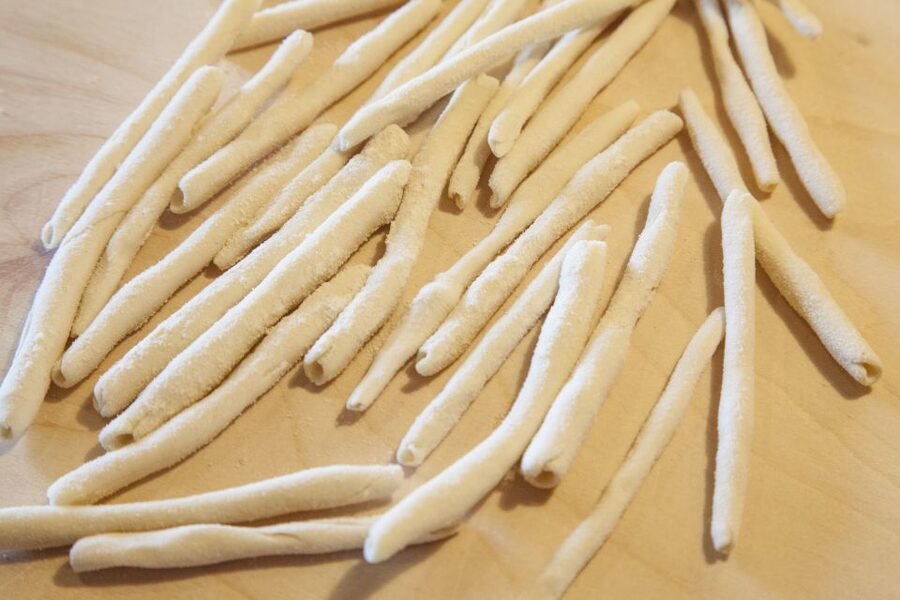
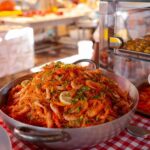
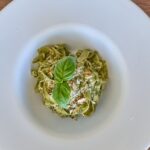
After you start with dough, you move into cooking two different fresh pasta types. The exact shapes can vary with the host, but the goal stays the same: you learn from scratch how to make, shape, and finish each pasta so it is ready to eat.
You might see techniques that include things like gnocchi or ravioli based on what specific sessions emphasize, since those dishes show up in reviews. The consistent theme is technique. You are shown how to work the dough, how to portion or shape, and how to handle the small details that affect the final texture.
This is also where you get to ask questions. Since you are in the host’s home kitchen, you can usually see what they mean when they correct your grip, your rolling thickness, or your timing.
And yes, you end up eating what you make. That is not a bonus—it is the point. When you taste your own pasta right after making it, the technique makes sense. You learn what works, what tastes right, and what you would do differently next time.

Tiramisu timing: resting dough, then building dessert
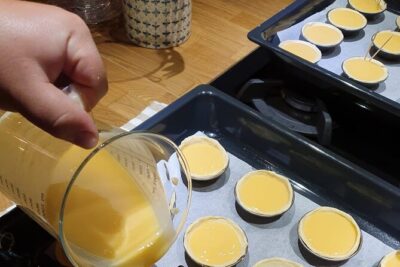
Tiramisu is the signature finish, and the class includes learning how to make it too. One helpful detail from reviews: hosts often teach tiramisu while components rest. That matters because timing is built into dessert. If you are rushing, you can end up with a texture that does not set the way it should.
You also get a guided approach to assembly, so it does not feel like guesswork. People describe the process as fun and well organized, with enough support that even first-timers can follow along and end up proud of the final dessert.
Tiramisu also balances the meal. You are not leaving with just savory confidence. You learn how to close the loop with a classic Italian dessert, which is exactly what you want if your goal is to understand how Italians think about food from start to finish.
The tasting and meal: wine, coffee, and what you actually take home
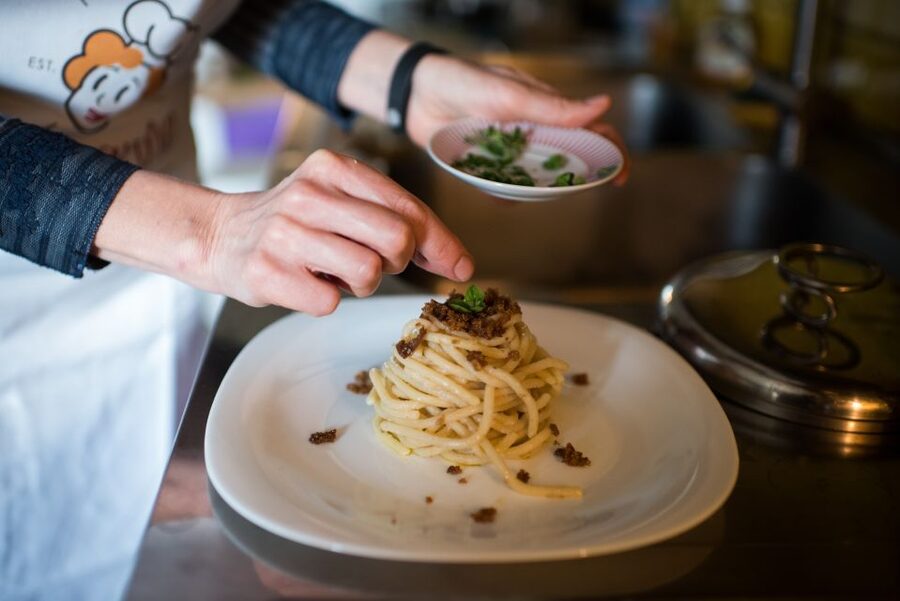
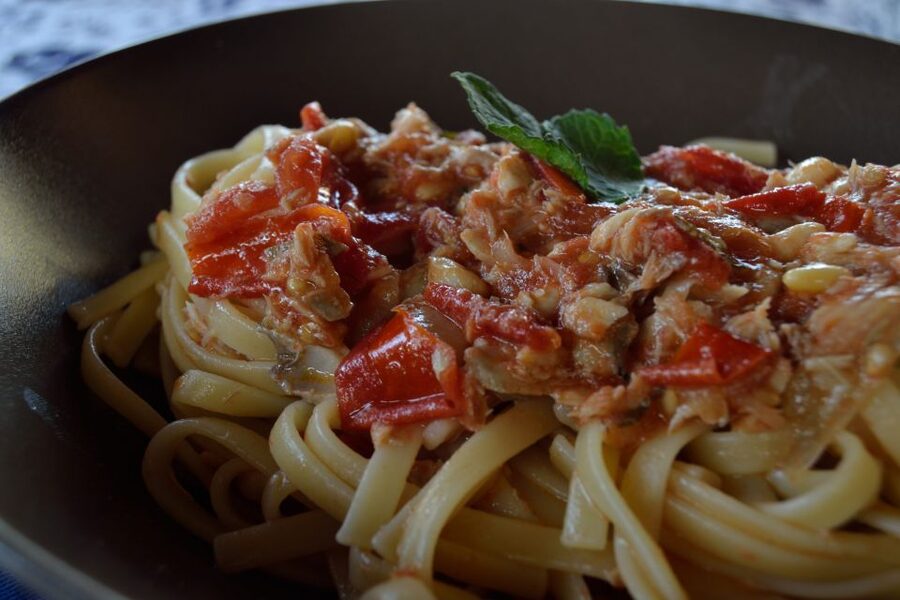
At the end, you taste the two pasta recipes and the tiramisu you made. Included in the experience are wines, coffee, and water, plus the prosecco aperitivo at the start. So you should expect to eat a real meal, not just nibble a sample.
Aperitivo-to-dinner flow is one of the reasons this class gets such strong ratings. Reviews repeatedly mention how the hosts made people feel comfortable, shared cooking time with plenty of hands-on help, and kept the evening social and relaxed.
Some reviews also mention extras like tasting homemade jams or limoncello. Those are not guaranteed in the info you have here, but they do show up in real sessions, which tells me hosts may share a bit of their family food culture beyond the core class items.
You may also get recipe instructions to take home, since that is specifically mentioned in reviews. If that matters to you, it is worth asking on the spot, because written directions can help you reproduce the results later.
Price and value at about $152.93 per person
At $152.93 per person for a 3-hour class, this is not a budget activity. You are paying for a few things at once:
- Local home setting with a dedicated host
- Hands-on instruction (two pasta types plus tiramisu)
- Included drinks and meal components (prosecco, wines, coffee, water, nibbles)
- Ingredients and taxes included
When you add it up, the cost starts to look more reasonable. You are not just paying for food you could buy nearby. You are paying for guided technique, a full dining experience, and ingredients handled for you.
Still, consider this if you are cost-sensitive. One review notes that pricing felt high for a version with less expensive ingredients. The takeaway for you is simple: if your priority is a cheap meal, skip. If your priority is learning real craft in a home kitchen, this price fits that goal better.
Who this class is perfect for (and who may not love it)
This experience suits you if you want authentic Italian cooking without trying to decode restaurant menu jargon. You should enjoy it most if you like interactive classes where you get feedback and you are happy to work with your hands.
It is also ideal if you travel with a partner, small group, or family. Reviews mention everything from couples to families and even teenagers enjoying the format. The class often feels intimate, and some sessions are described as very small, which helps you stay engaged with the host.
It is not suitable for wheelchair users, based on the provided information. If mobility is a concern, you should treat that as a clear limitation.
Booking decision: should you sign up for this Palermo class?
If your idea of a perfect day in Palermo includes fresh pasta, dessert, and a real local home environment, I think this is a strong pick. You learn a key skill (rolling sfoglia), you make two pasta types plus tiramisu, and you finish with the meal and drinks included.
Skip it if you want a quick, casual food stop with no cooking. This is a 3-hour hands-on class, so you should go in ready to participate, not just observe.
If you book, send your allergy or intolerance needs early and be clear about how you’ll reach the home. That one step helps the host prepare properly and keeps your evening smooth.
FAQ
How long is the Palermo pasta and tiramisu cooking class?
The experience lasts 3 hours.
What will I learn to cook during the class?
You’ll learn to roll fresh pasta dough (sfoglia) by hand, prepare two iconic pasta types from scratch, and make tiramisu.
What is included with the experience?
It includes beverages (water, wines, and coffee), an Italian aperitivo with prosecco and nibbles, local taxes, and the pasta and tiramisu-making class. You also taste the two pasta recipes and tiramisu.
Will I know the full address before I book?
For privacy reasons, you only receive the full address of the host after you have booked.
Can the host accommodate food intolerances or allergies?
You can provide your food intolerance and allergy information at booking (or by email), and the experience matching is based on that.
Is this experience wheelchair accessible, and what is the cancellation window?
It is not suitable for wheelchair users. You can cancel up to 24 hours in advance for a full refund.