REVIEW · CHANIA
Chania: Authentic Cooking Class
Book on GetYourGuide →Operated by Chania Cooking Class · Bookable on GetYourGuide
A cooking class with a wood-fired oven and an olive orchard beats another meal out. In Chania’s Nerokourou neighborhood, I love how the day is built around real Cretan habits: garden-to-table ingredients and hands-on cooking, not just watching. I also like that the hosts teach the why behind the dishes, from the lamb’s story to the techniques for rolling dolmades and shaping kalitsounia.
There is one catch to plan for: the class is 10–15 minutes from Chania’s center, and transportation isn’t included. You’ll want to arrange a taxi, car, or the optional transfer service early so you don’t waste time.
In This Review
- Chania Authentic Cooking Class: Quick Takeaways
- A Family Kitchen in Chania’s Nerokourou Olive Grove
- Welcome Coffee, Cookies, and the Meal Roadmap
- Wood-Fired Lamb and the Story Behind Thieves Dinner
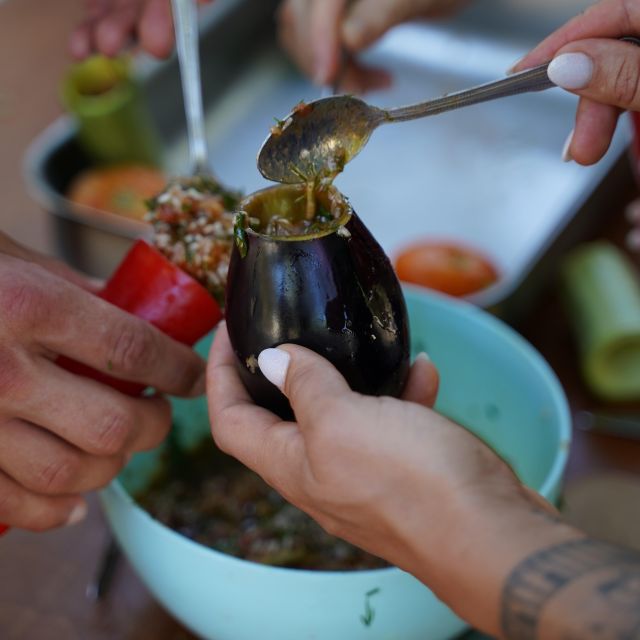
- Garden Stuffed Vegetables and Dolmades You Actually Roll Yourself
- Kalitsounia Pies: Cheese and Wild Greens in Your Hands
- Tzatziki and Dakos: Snacks That Set the Standard
- The Big Table Meal, Local Wine, and Dessert to Finish Strong
- Recipes, Leftovers, and What You’ll Bring Home
- Price and Logistics: Getting There Without Stress
- Who This Chania Cooking Class Is Best For
- Should You Book This Cooking Class in Chania?
- FAQ
- How long is the Chania authentic cooking class?
- What dishes will I learn to cook?
- Is transportation to the class included?
- Is the cooking class taught in English?
- Is the experience wheelchair accessible?
- What’s included in the price?
Chania Authentic Cooking Class: Quick Takeaways
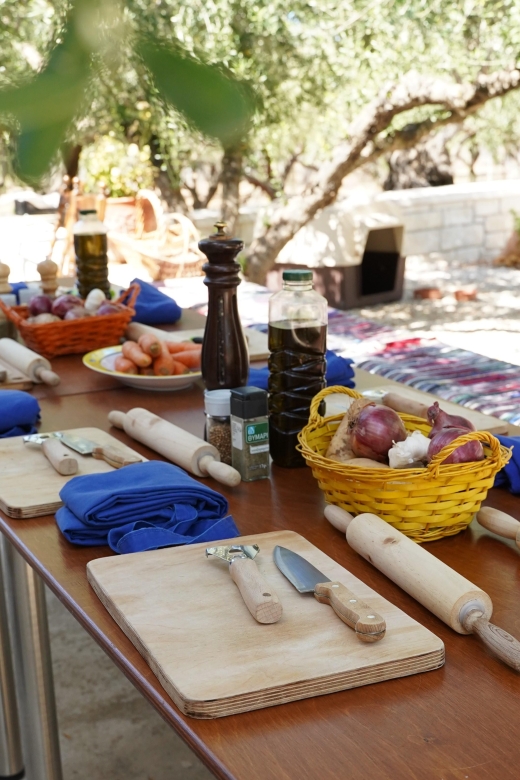
- Garden-first cooking: herbs and veggies are gathered from the property or local farmers.
- Wood-fired stone oven timing: the lamb takes over two hours, so the pacing actually makes sense.
- Dolmades skill-building: you learn the delicate rolling technique, not just the final plate.
- Kalitsounia dough practice: rolling and filling cheese and wild greens are part of the fun.
- Snacks before the main meal: tzatziki and dakos are prepared last but served first.
- Family feel, international table: familiar faces stop by, and you often chat with people from around the world.
A Family Kitchen in Chania’s Nerokourou Olive Grove

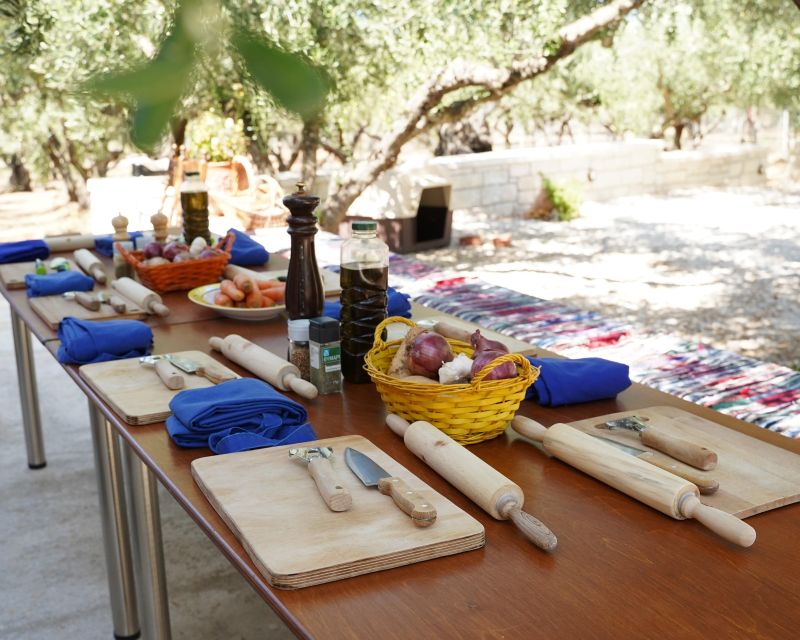
If you picture Cretan food as sun-warmed, olive-oil driven, and deeply practical, this class matches that vibe. It takes place about a short drive from downtown Chania, in Nerokourou, where the setting does more than look pretty. You’re in the home-and-olive-orchard orbit of the hosts, with shade from trees and a purpose-built cooking area that helps the day run smoothly.
The best part for me is that the experience feels like you’re joining a family routine. You start with a homemade refreshment or Greek coffee, and while you sip, you get the meal plan. That little “what we’re making and why” briefing sets you up to cook with purpose, not just follow steps.
The group is run as a semi-private setup. You might be in shared transport with other guests, which means you should expect a lively, mixed crowd and some waiting time between cooking stages. If you like structured fun and social energy, you’ll do fine.
Welcome Coffee, Cookies, and the Meal Roadmap
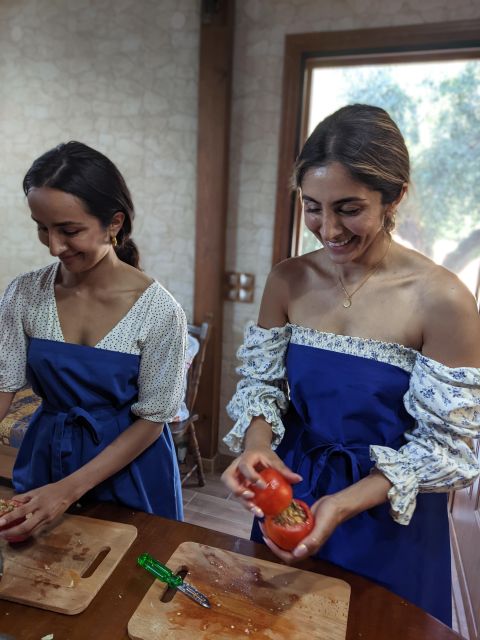
Most cooking classes jump straight to chopping. Here, they ease you in. You’re welcomed first, with a homemade drink or a Greek coffee, plus cookies. It’s a simple start, but it matters because the menu includes dishes with different cooking timelines, and you’ll want to know what’s coming.
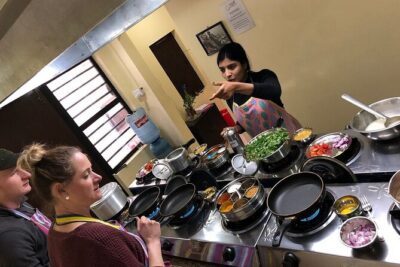
During that early moment, the hosts explain the Mediterranean-based menu and what you’ll learn. The day has a “build in layers” feel: something goes into the oven for a long cook, then you rotate through stuffing, rolling, and prepping until everything lands at the right time.
One detail I appreciated: the schedule is paced so you’re not stuck standing around. The long oven cooking gives you time to work on other items, and the staff keeps the flow moving while you’re learning.
Wood-Fired Lamb and the Story Behind Thieves Dinner
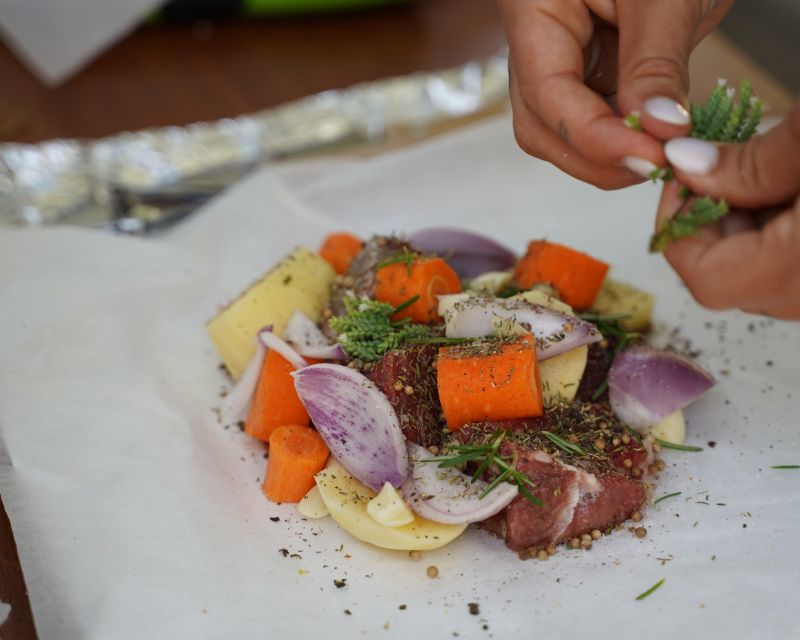
The centerpiece is oven-roasted lamb, cooked in a wood-fired stone oven for over two hours. Starting with this is smart. It lets the kitchen manage heat that varies with real fire, and it gives you time to learn other dishes without rushing the main cook.
You also learn why this meal is called the thieves dinner, along with its historic significance. I like that the story isn’t just trivia. It helps you understand why Cretan cooking often celebrates practicality: long cooks, shared tables, and recipes designed for celebrations, fasting seasons, travel, and—yes—survival.
While the lamb works in the oven, you’ll shift to hands-on prep. That rhythm is one reason this class feels full and efficient, even at four hours. You’re busy, but you’re not frantic.
Garden Stuffed Vegetables and Dolmades You Actually Roll Yourself
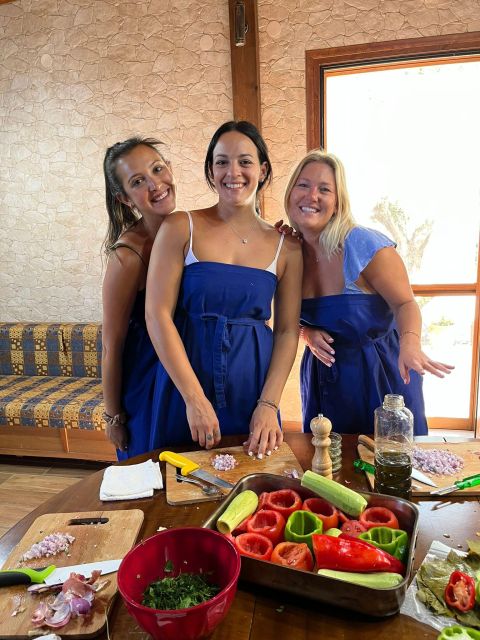
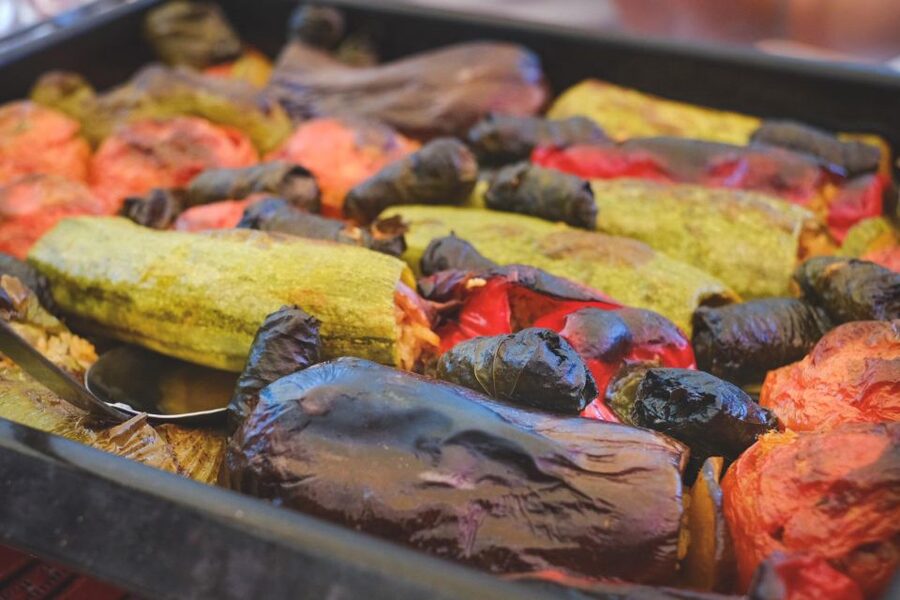
Next up is a stuffing-focused stretch: stuffed vegetables and stuffed grape leaves, or dolmades. Before you begin rolling, you gather herbs and veggies from the garden. That step changes the whole mood. It makes you pay attention to what’s fragrant and what’s tender, and it helps you see how these fillings work with what the island grows.
Then comes dolmades, the part many people find intimidating. Here, you don’t just get a tray to copy. You learn how to roll grape leaves carefully, and the hosts guide the technique so you can produce neat bundles. Rolling is delicate work, and it rewards patience. If you’re the type who likes craft-level instructions, you’ll enjoy the moment your hands “get it” and your rolls start looking consistent.
In the oven, the dolmades become one more example of why Cretan cooking is built around timing. They bake while you move on, and by the time you eat, they taste like something that had time to become itself.
Kalitsounia Pies: Cheese and Wild Greens in Your Hands
After grape leaves, you switch to dough work for kalitsounia, traditional pies. You’ll get your rolling pins out and roll the dough, then fill the pies with cheese and wild greens.
This is where the class shows its teaching chops. If you’ve never handled dough beyond baking at home, you’ll still be able to participate because instructions are built for real learners. One review noted learning phyllo basics during a later scheduling option, but for this main menu, the emphasis is on kalitsounia dough and filling.
Wild greens are a standout here. In Crete, greens aren’t a side thought. They’re flavor. They add bite and an earthy lift that makes the cheese taste brighter. When you taste what you made, you’ll understand why these pies show up at family gatherings and local food tables.
Tzatziki and Dakos: Snacks That Set the Standard
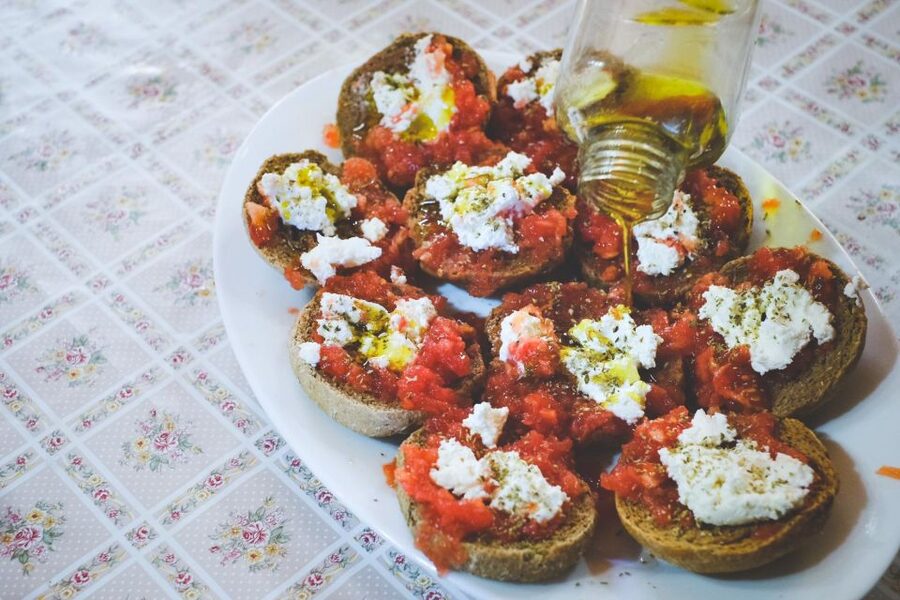
Appetizers arrive last in the prep order—but you get to enjoy them first. The class makes tzatziki and dakos, two favorites that teach you quick Mediterranean building blocks: creamy, tangy, herby, and crunchy.
Tzatziki is a great “reset” dish because it works as a palate cleanser between heavier oven and dough tasks. Dakos, with its roots in Cretan comfort food, helps you see how bread can become a base for toppings, not just something on the side.
Even if you’ve had tzatziki in plenty of places, the way it’s done here feels grounded. It’s simple, but the flavors are put together with intention. That’s what makes it easy to recreate at home once you know the balance the hosts aim for.
The Big Table Meal, Local Wine, and Dessert to Finish Strong
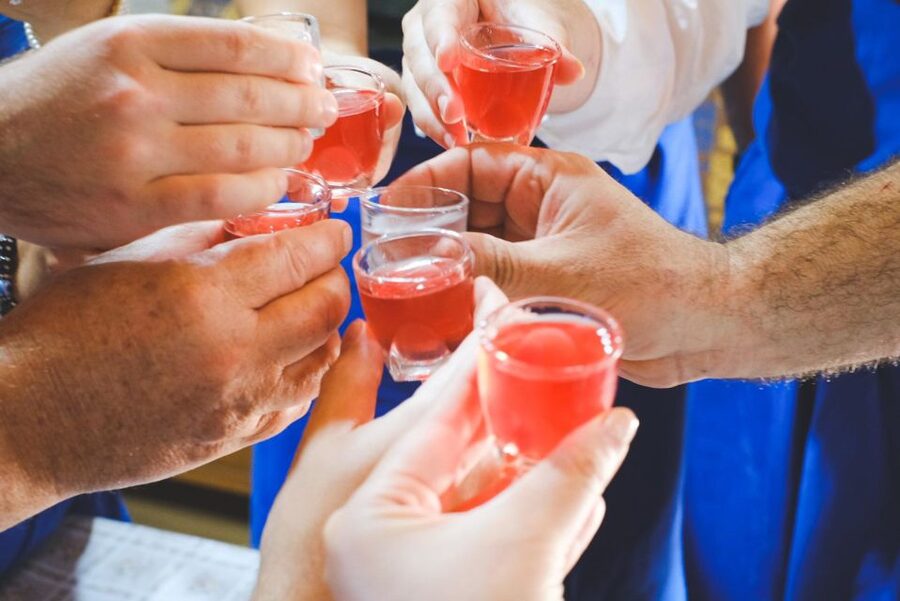
Now you eat what you cooked. You’ll sit down for the traditional Cretan dishes you prepared: lamb, stuffed vegetables, dolmades, kalitsounia, plus the appetizers you made earlier. Local wine is served in generous amounts, and raki shows up too.
I like that the meal is treated like part of the lesson, not the reward at the end. You’re not rushed out. You have time to talk, ask questions, and compare notes with people around your table. One person mentioned that familiar family members often stop by to greet guests, and that fits the overall feel here.
A small practical tip: save room for dessert. Something sweet is always offered at the end, and the meal is filling. Even if you think you’ll manage one bite only, you’ll probably end up going back for a second taste.
Recipes, Leftovers, and What You’ll Bring Home
This class is more than “a full stomach.” You leave with something useful for home cooking. Many participants say they receive the recipes so they can try the dishes later, and in some cases you may also leave with to-go leftovers for another meal.
That matters for value. $129 isn’t cheap, but you’re paying for: ingredients, hands-on instruction, and the time it takes to cook multiple dishes at Cretan pace. It’s also a way to learn techniques you can reuse—rolling grape leaves, shaping kalitsounia, and building classic mezze.
One more plus: the setting includes an olive orchard and herb garden, plus farm animals. That doesn’t replace the cooking, but it makes the waits between oven stages feel like part of the experience, not dead time.
Price and Logistics: Getting There Without Stress
At $129 per person for about four hours, the value comes from the full, structured meal and the hands-on teaching. You’re making five essential Mediterranean dishes as a cohesive set, and the class includes ingredients, lunch or dinner, and generous local wine and raki.
The main consideration is how you get there. Transportation isn’t included, and the class is 10–15 minutes from Chania’s center in Nerokourou. Parking is along the fence, and the location is described as easy to reach by car or taxi.
You may also be able to use a transfer service for an extra fee depending on where you’re staying. Transport is semi-private, using a 9-seat van and a 5-seat EV, and you might ride with other guests.
If you’re in Chania for only a day or two, I’d still do it, but I’d plan your route early. A smooth arrival makes the class feel relaxed instead of rushed.
Who This Chania Cooking Class Is Best For
This fits well if you want authentic Cretan food without complicated culinary homework. It’s especially good for:
- Foodies who enjoy technique as much as flavor
- People traveling with partners or friends who want a shared activity
- Families, since several participants noted kids joined in and ate what they helped make
It also works for solo travelers who like meeting other people at the table. The English instruction is straightforward, and the family environment makes it easy to feel comfortable even if you’re not a confident cook.
If you dislike hands-on work or prefer purely observational experiences, this might feel like too much participation. But if you want to cook and then eat what you made, you’ll likely be happy the whole way through.
Should You Book This Cooking Class in Chania?
Book it if you want a real Cretan meal with hands-on cooking, not a quick tasting tour. The wood-fired lamb, dolmades rolling, and kalitsounia dough practice are the kind of skills you remember long after your flight.
Pass, or at least think twice, if you don’t want to handle transport to Nerokourou. Because transportation isn’t included, your best experience depends on getting there easily—by taxi, car, or the optional transfer.
If you can solve the logistics and you like learning how dishes are put together, this is one of the most satisfying ways to spend four hours in Chania.
FAQ
How long is the Chania authentic cooking class?
The experience runs for 4 hours.
What dishes will I learn to cook?
The class includes cooking 5 key Mediterranean dishes: oven-roasted lamb, stuffed vegetables, stuffed grape leaves (dolmades), kalitsounia (cheese and wild greens pies), and appetizers including tzatziki and dakos. Dessert is also served.
Is transportation to the class included?
Transportation is not included. The class location is about 10–15 minutes from the center of Chania. Pickup may be available, and transfer service is available for an extra fee depending on your location.
Is the cooking class taught in English?
Yes, the instructor teaches in English.
Is the experience wheelchair accessible?
Yes, it is wheelchair accessible.
What’s included in the price?
Everything you need for the experience, including ingredients, lunch or dinner, and generous amounts of local wine and raki.